
Your cart is currently empty!
Dick Van Dyke Reveals the Simple Health Choice That Helped Him Live 100 Years
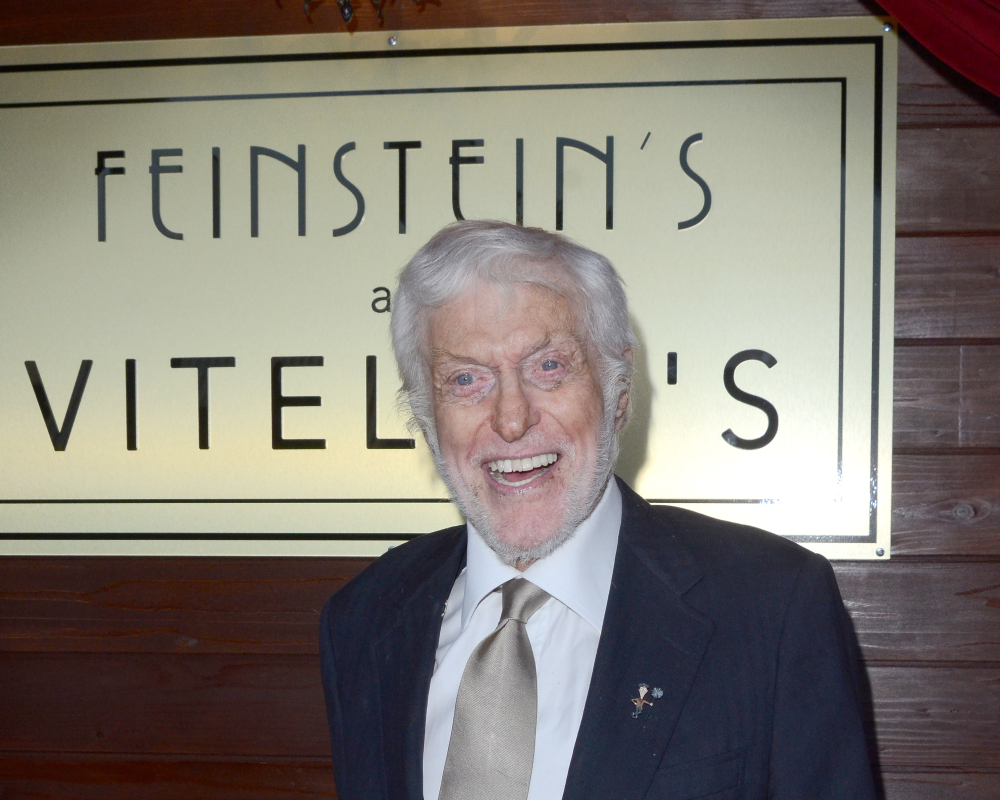
At nearly a century old, Dick Van Dyke is not just surviving, he is still smiling, still speaking publicly, and still inspiring people decades younger than him. The legendary actor, comedian, and dancer has lived through Hollywood’s golden age, massive cultural shifts, and personal struggles that could have easily shortened his life. Yet as he approaches the milestone age of 100, Van Dyke has been remarkably open about what he believes helped him make it this far.
Contents
show
Rather than pointing to miracle supplements or secret medical treatments, Van Dyke credits something far more grounded and relatable. He says that cutting out two specific habits completely changed the trajectory of his health and longevity. According to the star, these changes were not easy at first, but they proved to be life-saving in ways he could never have predicted.
His reflections have sparked widespread discussion online, not just because of his age, but because of the simplicity of his message. In an era filled with complicated wellness trends, Van Dyke’s advice cuts straight to the core of long term health and personal accountability.
As fans reflect on his words, his story offers more than nostalgia. It becomes a reminder that small decisions repeated over time can shape an entire lifetime.
The Two Habits Dick Van Dyke Says He Gave Up
Dick Van Dyke has been clear about the two habits he believes played the biggest role in his longevity. He says that quitting smoking and alcohol changed his life dramatically and likely added years, if not decades, to his time on Earth. These habits were once deeply woven into both Hollywood culture and his personal routine.
Van Dyke has openly admitted that smoking and drinking were once normalized parts of his career. During the height of his fame, cigarettes and alcohol were everywhere on movie sets, at industry parties, and even during breaks between performances. Like many entertainers of his generation, he did not initially view them as dangerous.
However, as time went on, the physical and emotional toll became impossible to ignore. Van Dyke has explained that he eventually realized these habits were not enhancing his life, but slowly draining it. Making the decision to quit required honesty with himself and a willingness to change patterns he had relied on for years.
He now reflects on that choice with gratitude rather than regret. In interviews, he has said plainly that if he had not quit smoking and drinking, he does not believe he would still be alive today.
A Look Back at Hollywood’s Culture of Excess
To fully understand the significance of Van Dyke’s decision, it helps to look at the era in which he rose to fame. Mid twentieth-century Hollywood was a world where smoking was glamorous and alcohol was often seen as part of the creative lifestyle. Many stars from that time struggled with addiction and suffered severe health consequences.
Actors were rarely warned about the dangers of cigarettes, and alcohol was frequently used as a way to cope with pressure, fame, and exhaustion. For performers juggling long shooting schedules and public expectations, these habits often became coping mechanisms rather than occasional indulgences.
Van Dyke was no exception. He has spoken candidly about how easy it was to fall into unhealthy routines when they were socially accepted and even encouraged. Looking back, he acknowledges that the industry did not prioritize long term well being.
What makes his story stand out is that he chose a different path while many around him did not. By stepping away from habits that were deeply ingrained in his professional environment, Van Dyke quietly defied Hollywood norms long before wellness became a mainstream conversation.
The Physical Changes He Noticed After Quitting
After giving up smoking and alcohol, Dick Van Dyke began noticing changes that reinforced his decision. He has said that his energy levels improved and his breathing became easier, something especially important for someone known for dancing and physical comedy.
Over time, these improvements accumulated. His endurance increased, his recovery time shortened, and his overall sense of vitality returned. While aging inevitably brings physical limitations, Van Dyke believes his body remained resilient because it was no longer fighting the damage caused by tobacco and alcohol.
He has also emphasized the mental clarity that came with sobriety. Without alcohol dulling his senses or cigarettes affecting his circulation, he felt more present and more capable of enjoying everyday moments.
These physical benefits did not happen overnight, but they became undeniable over the years. For Van Dyke, quitting was not about perfection, but about giving his body the best chance to function well for as long as possible.
Mental Health, Perspective, and Gratitude
Beyond physical health, Van Dyke has spoken about how quitting these habits improved his emotional well being. He has acknowledged struggling with depression earlier in life and has emphasized the importance of mental health in longevity.
Removing substances that can worsen mood swings and anxiety allowed him to better address his emotional needs. He credits this clarity with helping him develop healthier coping mechanisms and a more balanced outlook on life.
As he aged, gratitude became a central theme in his reflections. Van Dyke frequently expresses appreciation for his family, his career, and the ability to still wake up curious about the world.
This mindset, he believes, is just as important as physical health. By caring for both his body and his mental state, he created a foundation that supported him well into his later years.
Why His Message Resonates With So Many People
The reason Dick Van Dyke’s words have gone viral is not just because of who he is, but because of how relatable his message feels. He is not selling a product or promoting an extreme lifestyle. He is simply sharing what worked for him.
Many people see themselves in his story, especially those who have struggled with habits they know are harmful. Van Dyke’s honesty shows that change is possible even after years of routine behavior.
His age adds weight to his message. Hearing someone who has lived nearly a century speak plainly about cause and effect makes the consequences of daily choices feel more real.
In a world overwhelmed with health advice, his story stands out for its simplicity and sincerity. It reminds people that longevity is often shaped by what we choose to leave behind.
Lessons Readers Can Take From Van Dyke’s Story
While not everyone will live to 100, Van Dyke’s experience offers valuable lessons for anyone thinking about their future health. His story highlights the power of long term decisions rather than short term fixes.
One key takeaway is that it is never too late to change. Van Dyke did not quit harmful habits in his youth, yet he still experienced profound benefits from doing so later in life.
Another lesson is the importance of self awareness. Recognizing when something is hurting rather than helping is a crucial step toward healthier living.
Finally, his story emphasizes balance and compassion. Van Dyke does not speak with judgment, only with reflection and gratitude for the chance to choose differently.
Still Here and Still Teaching
As Dick Van Dyke approaches his 100th birthday, his legacy extends far beyond his films and television roles. His openness about quitting smoking and alcohol has added a deeply human chapter to his story.
Rather than presenting himself as an exception, he frames his longevity as the result of conscious choices made one day at a time. His words serve as encouragement rather than instruction.
For fans and readers alike, his message is clear. Caring for your body, respecting your limits, and being willing to change can shape how long and how well you live.
At 99 years old, Dick Van Dyke is still here, and in sharing his truth, he continues to make an impact.