
Your cart is currently empty!
Airports Tighten Controls After Doctors Warn of Incurable Nipah Virus

In the years since the COVID-19 pandemic reshaped daily life across the globe, public awareness around infectious diseases has changed dramatically. News of even a small outbreak now carries a weight it did not have before. Governments respond faster, travelers pay closer attention, and healthcare systems move quickly to assess risk. Against that backdrop, the reappearance of the Nipah virus in India has triggered concern far beyond the country’s borders.
Contents
show
Although the number of confirmed cases remains limited, the virus’s reputation is what has set alarm bells ringing. Nipah is rare, but it is also one of the deadliest known infectious diseases. There is no cure, no approved vaccine, and limited treatment options beyond supportive medical care. With memories of overwhelmed hospitals and border closures still fresh from COVID-19, authorities across Asia have begun reintroducing pandemic-era airport measures to prevent even the slightest chance of wider spread.
As governments tighten surveillance, one doctor who witnessed a deadly Nipah outbreak firsthand has stepped forward with a warning. Her message is clear and urgent: containment must happen early, especially when healthcare workers are involved, or the consequences can escalate rapidly.
Understanding Nipah Virus and Why It Causes Such Concern
Nipah virus is not a new discovery, but it remains poorly understood by the general public. First identified in the late 1990s during an outbreak among pig farmers in Malaysia, the virus has since appeared sporadically in South and Southeast Asia. Each time it resurfaces, it brings the same troubling combination of high fatality rates and limited medical defenses.
The virus is classified as zoonotic, meaning it spreads from animals to humans. Fruit-eating bats are considered the main natural hosts. Humans can become infected through direct contact with these bats, exposure to contaminated fruit or surfaces, or through intermediate animals such as pigs. Once the virus enters the human population, it can also spread from person to person through close contact, particularly in healthcare settings.
What makes Nipah especially dangerous is its mortality rate. Depending on the outbreak and the healthcare response available, between 40 and 75 percent of infected individuals may die. This places it among the most lethal viruses known to infect humans. Unlike more common respiratory illnesses, Nipah often leads to severe neurological complications, including encephalitis, which is inflammation of the brain.
Global health organizations classify Nipah as a priority pathogen because of its epidemic potential. While it does not spread as easily as viruses like influenza or COVID-19, its ability to cause severe disease and death means that even small outbreaks demand immediate attention.
The Latest Outbreak in India and What is Known So Far
The current wave of concern began in December when Indian authorities confirmed two cases of Nipah virus in the eastern state of West Bengal. The cases were identified among healthcare workers, specifically two nurses who had been working together in the same hospital ward.
According to officials, both individuals began feeling unwell shortly after their shifts and were admitted to intensive care on January 4. Their shared workplace raised immediate red flags about possible hospital-based transmission, one of the most dangerous scenarios when dealing with Nipah.
Indian health authorities responded swiftly. A large-scale contact tracing operation was launched, identifying 196 people who may have been exposed to the virus through direct or indirect contact with the patients. All identified contacts were quarantined, monitored closely, and tested.
The Indian Health Ministry later announced that all contacts tested negative and showed no symptoms. Officials stated that the outbreak had been contained and emphasized that no cases had been detected outside India. While this announcement offered reassurance, it did not eliminate concern, particularly given the virus’s history of reappearing in clusters.
Past outbreaks in India have left deep scars. In 2018, a major outbreak in Kerala claimed at least 17 lives before it was brought under control. Earlier outbreaks were also recorded in West Bengal in 2001 and 2007. Each episode reinforced how quickly the virus can overwhelm local healthcare systems if early containment fails.
Airports Reintroduce Covid-Style Measures Across Asia

Even as Indian officials moved to reassure the public, neighboring countries began taking precautionary steps. Airports across parts of Asia have started reintroducing health screening measures reminiscent of the COVID-19 pandemic.
Thailand, Nepal, and Taiwan were among the first to act. Authorities in these countries emphasized that the measures were preventative rather than reactive, aimed at detecting potential cases early rather than responding to confirmed spread.
The measures introduced include health declaration forms for passengers arriving from affected regions, temperature checks at arrival gates, visual monitoring for symptoms, and the use of thermal scanners on direct flights from India. Some airports have also prepared isolation rooms for travelers who display symptoms consistent with Nipah infection.
In Thailand, major international airports including Suvarnabhumi, Don Mueang, and Phuket increased fever screening for travelers arriving from West Bengal. Health advisory cards are being issued to passengers, providing guidance on what to do if symptoms develop after arrival. Authorities have also increased cleaning protocols and disease-control preparedness, particularly at airports with direct flight connections to India.
Nepal has intensified health checks at Tribhuvan International Airport in Kathmandu and at key land border crossings with India. Officials have acknowledged the challenge posed by open borders and daily cross-border movement but say surveillance has been strengthened to detect suspicious cases early.
Taiwan is planning to classify Nipah virus infection as a Category 5 notifiable disease, the highest level for serious emerging infections under local law. If implemented, this would require immediate reporting and special control measures should any cases be detected.
Other countries including China, Vietnam, Indonesia, and Myanmar have also announced heightened surveillance, enhanced testing capacity, and increased training for medical staff. The common message from authorities has been caution rather than panic.
The Doctor Issuing the Warning and Her Firsthand Experience

Much of the renewed urgency surrounding the outbreak comes from Dr Seethu Ponnu Thampi, a community medicine specialist and assistant surgeon in the Kerala Health Service Department. Her warnings carry weight because she has lived through a Nipah outbreak before.
As a student doctor, Dr Thampi was on the front lines during the 2018 outbreak in Kozhikode, Kerala. That outbreak claimed 17 lives before being brought under control through aggressive contact tracing, isolation, and public health interventions. The emotional toll on healthcare workers during that period was immense.
Years later, the outbreak was dramatized in an Indian film, bringing wider attention to the sacrifices made by medical professionals during the crisis. For Dr Thampi, however, the experience remains deeply personal.
Speaking to The National, she emphasized that the most critical step in preventing a larger outbreak is breaking the chain of transmission. This means stopping the virus from spreading from bats to humans and then from humans to other humans.
She has repeatedly warned that healthcare workers are at especially high risk. Medical procedures such as intubation can generate aerosols, increasing the chance of viral transmission. Doctors and nurses are also in constant close contact with symptomatic patients, often before a diagnosis is confirmed.
Why Healthcare Settings Are High-Risk Environments
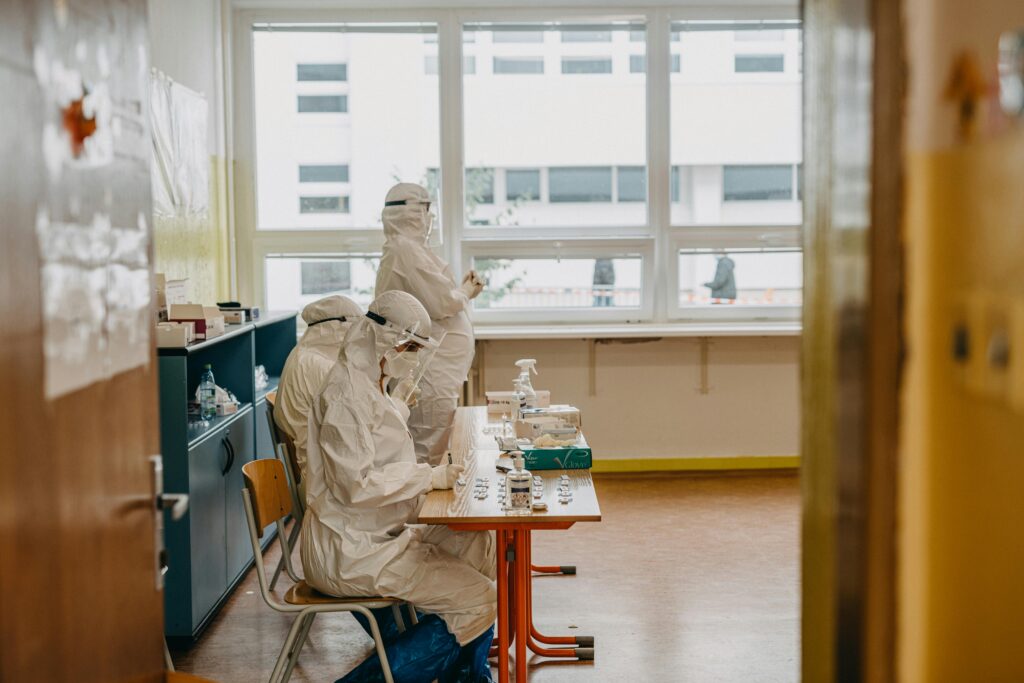
Hospitals play a central role in both treating Nipah patients and potentially amplifying outbreaks. Unlike many viral illnesses, Nipah does not always spread efficiently during its early incubation period, which can last between four and 14 days.
This delayed transmission can create a false sense of security. Patients may not appear seriously ill at first, and standard precautions may not be applied with the same intensity. By the time severe symptoms develop, healthcare workers may already have had repeated exposure.
Dr Thampi has stressed the importance of strict infection control practices in medical settings. These include the use of gloves, face masks, eye protection, and full personal protective equipment whenever possible. Proper hand hygiene and barrier techniques are also essential.
Immediate isolation of suspected cases is another critical step. Even a single missed precaution can lead to a chain of infections that is difficult to stop once it gains momentum.
Surveillance and Early Detection as the Strongest Defense
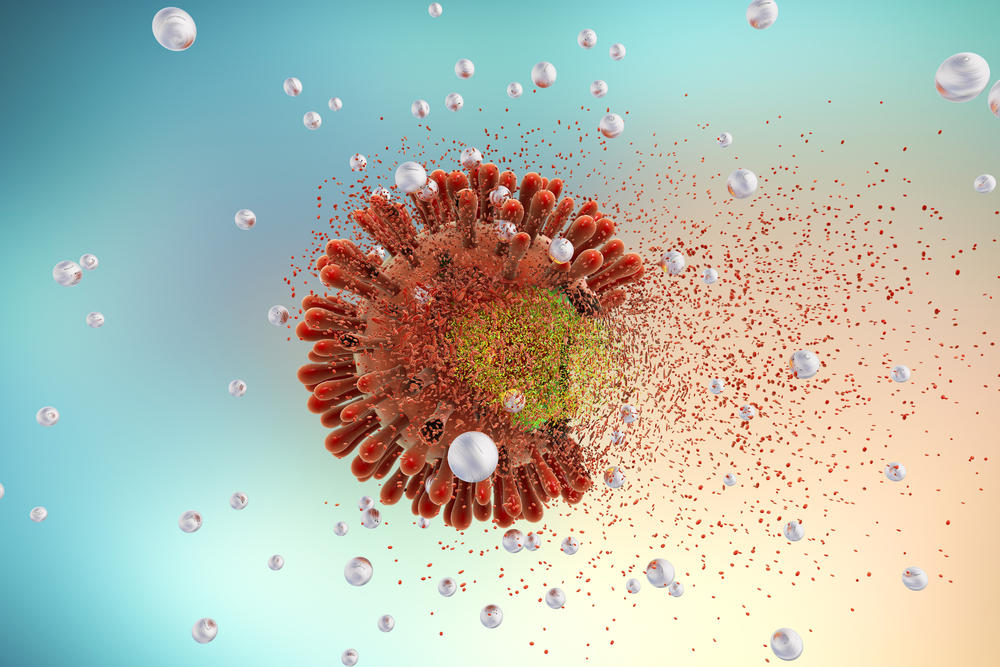
One of the clearest lessons from previous Nipah outbreaks is the importance of surveillance. Early detection allows health authorities to isolate patients, trace contacts, and prevent further spread.
Dr Thampi has warned against relaxing vigilance once initial cases appear contained. She argues that surveillance systems should be strengthened rather than scaled back in the aftermath of an outbreak.
This includes active monitoring of people who may have been exposed, rapid testing and laboratory readiness, clear reporting pathways for suspected cases, and public awareness campaigns in affected areas.
People living in outbreak zones are also advised to avoid areas of dense vegetation where fruit bats are likely to congregate. Avoiding fallen fruit and maintaining food safety practices can reduce the risk of exposure.
Symptoms, Incubation Period, and What Infection Looks Like

Nipah virus infection can present in a wide range of ways, which complicates detection efforts. The incubation period typically ranges from four to 14 days, though longer periods have been reported in some cases.
Early symptoms often resemble those of common viral illnesses. These can include fever, headache, muscle pain, vomiting, and sore throat. Because these symptoms are nonspecific, initial cases may go unrecognized.
In more severe cases, patients may develop respiratory distress, dizziness, drowsiness, and altered consciousness. Some individuals experience seizures or acute encephalitis, which can be fatal.
There are also reports of asymptomatic infections, where individuals carry the virus without showing noticeable symptoms. This further complicates efforts to track and contain outbreaks.
Treatment Options and Why There is No Cure

At present, there is no known cure for Nipah virus infection. There is also no approved vaccine available for public use. Treatment focuses on managing symptoms and supporting vital organ function.
Patients may require intensive care, including ventilatory support, intravenous fluids, and medications to manage seizures or brain swelling. Outcomes depend heavily on how early the infection is detected and the quality of medical care available.
Researchers around the world continue to study potential antiviral treatments and vaccines, but progress is slow. The sporadic nature of outbreaks makes large-scale clinical trials difficult.
This lack of targeted treatment is one of the reasons health authorities emphasize prevention so strongly. Once infection occurs, medical options are limited.
How Risky is Nipah for the General Public
Despite the alarming fatality statistics, experts stress that the overall risk to the general public remains low, especially outside affected areas. Nipah does not spread easily through casual contact or airborne transmission in the way COVID-19 does.
Most human-to-human transmission occurs through close contact with bodily fluids or respiratory secretions, often in healthcare or household settings. This means that widespread community transmission is less likely.
That said, the consequences of infection can be severe, which is why even small outbreaks prompt strong responses. Public health officials aim to balance caution with reassurance, avoiding unnecessary panic while remaining prepared.
Why Governments Are Acting Quickly This Time
The rapid reintroduction of airport screening measures reflects a broader shift in global health strategy. After COVID-19, governments are far less willing to take a wait-and-see approach.
Early action is seen as a way to buy time. Screening, surveillance, and public communication allow authorities to assess risk and prepare healthcare systems before a situation escalates.
Officials across Asia have also worked to counter misinformation, clarifying that there is no evidence of widespread transmission or international spread at this stage. They have stressed that the measures in place are precautionary and temporary.
A Reminder Shaped by Pandemic Memory

The current Nipah outbreak may ultimately pass without further incident. Indian authorities say the situation is under control, and no additional cases have been detected beyond the initial cluster.
Yet the response it has triggered speaks volumes about how the world has changed. Pandemic memory has reshaped how societies respond to infectious disease threats, particularly those with high fatality rates and no cure.
For healthcare workers, the message is one of vigilance and protection. For governments, it is a lesson in transparency and early action. And for the public, it is a reminder that global health threats do not need to be widespread to be taken seriously.
In an interconnected world, outbreaks are never entirely local. How seriously early warnings are treated may determine whether stories like this remain cautionary headlines or become something far more devastating.