
Your cart is currently empty!
Stratus Covid Variant Xfg3 Becomes Dominant Around the World

Five years after the world learned the meaning of the word “pandemic,” COVID-19 has once again made headlines. A new strain of the virus, nicknamed Stratus, has emerged with two subvariants XFG and XFG.3 and is now sweeping across the UK, the US, and much of the world. But unlike the chaos of 2020, this new wave comes with a calmer tone from experts. They say that while Stratus is spreading fast, it doesn’t appear to be more dangerous or deadly than its predecessors.
Contents
show
Still, the sharp uptick in infections and the reappearance of some familiar symptoms have raised eyebrows. Many people have started to notice something peculiar: a hoarse or raspy voice that lingers long after the coughs and fevers fade. Could this be the telltale sign of Stratus? Or is it simply another twist in the virus’s never-ending evolution? To understand how this new variant is shaping global trends, here’s a closer look at what we know so far.
A New Chapter in COVID’s Evolution
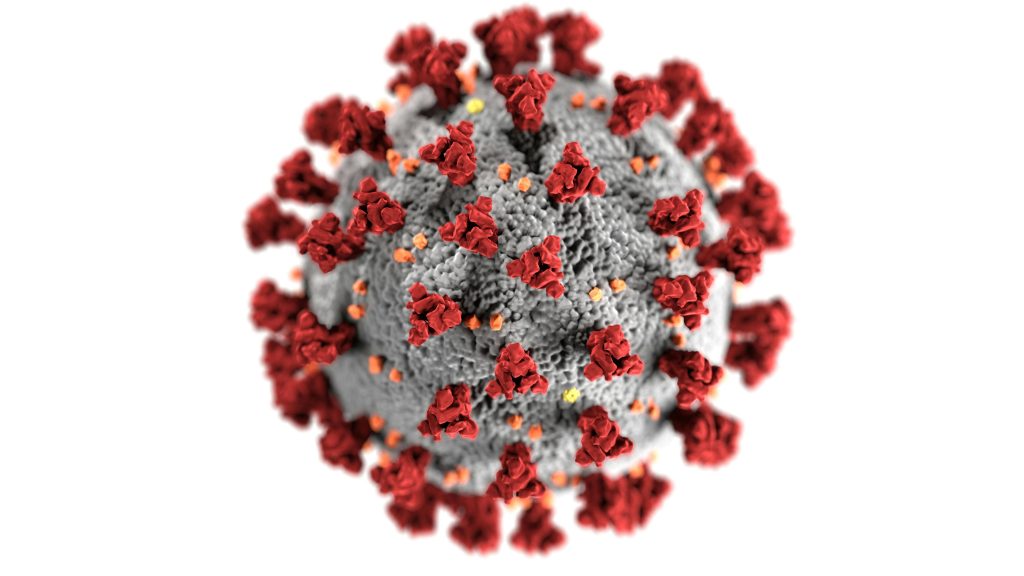
The World Health Organization (WHO) first classified XFG as a “variant under monitoring” in June after it began spreading rapidly across multiple continents. Within months, it became one of the dominant strains globally, responsible for more than 60% of new COVID-19 cases in some countries, including the UK and the US. According to data from the UK Health Security Agency (UKHSA), XFG and its subtype XFG.3 have together accounted for a majority of positive tests in recent months.
In the United States, the Centers for Disease Control and Prevention (CDC) reported that the Stratus variant made up around 78% of cases by late August, a figure that rose sharply through September. Wastewater analysis, a modern tool for monitoring viral trends, has shown Stratus dominating samples nationwide, particularly in the Northeast and Midwest.
The strain belongs to the Omicron family, which has produced several highly contagious yet relatively mild variants over the last two years. But Stratus has a unique origin story. It is a recombinant variant, meaning it formed when two previous COVID strains infected the same person and exchanged genetic material. This blending gave rise to a new viral recipe that spreads faster and evades immunity better, though it does not appear to cause more severe illness.
Dr. William Schaffner of Vanderbilt University Medical Center explains that the new strain has mutations that help it escape antibodies but adds, “All these newer Omicron variants are highly contagious, but apparently not as severe.” The WHO agrees, assessing the global public health risk from Stratus as low.
The ‘Hoarse Voice’ Sign
Among all the familiar COVID symptoms such as fever, fatigue, cough, and congestion, doctors have noticed one consistent newcomer: a hoarse or raspy voice. Medical experts from both the UKHSA and WHO say that while Stratus doesn’t make people more seriously ill, it does seem to attack the throat more aggressively. The result is what some patients describe as a “razor-blade” sore throat, followed by a hoarse voice that can last for days or even weeks.
Dr. Sara Kayat, speaking on ITV’s This Morning, explained that the two key symptoms of Stratus are “mainly a hoarse voice and a kind of razor blade type of sharp sore throat.” These throat-related signs often appear early in infection, sometimes before fever or coughing set in.
Speech pathologist Sandra Rojas told The Conversation that home remedies like honey and lemon may offer temporary relief, but they don’t fix the underlying inflammation that causes the hoarseness. Instead, she recommends using a humidifier, which has scientific backing for soothing the airways and reducing vocal strain.
Despite these throat symptoms, researchers have emphasized that vaccine protection remains strong. Current COVID vaccines are still effective at preventing severe illness and hospitalization from the Stratus variant. Dr. Alex Allen of the UKHSA stated, “There is no evidence to suggest that the XFG and XFG.3 variants cause more severe disease than previous variants, or that the vaccines in current use will be less effective against them.”
Why Stratus Spread So Quickly

Viruses are shape-shifters by nature. Every infection is an opportunity for mutation, and occasionally, a mutation gives the virus a survival advantage. That’s what happened with Stratus. Scientists studying the variant’s genetic code found that its recombination allowed it to pick up traits that improve transmission.
According to The Lancet, Stratus has a growth advantage compared with earlier strains, making it better at spreading through communities. Some of its mutations help it evade immunity, meaning people who were previously infected or vaccinated may still catch it, although their symptoms are likely to be milder.
Interestingly, Stratus appears to be less efficient at binding to the receptors in human cells than some of its predecessors. This might explain why it spreads easily but doesn’t make people as sick. Dr. Albert Ko of Yale University points out that this trade-off is common in viral evolution: a variant can either spread fast or hit hard rarely both.
Experts say seasonal factors are also at play. The Stratus surge coincides with colder weather in the Northern Hemisphere, when people are spending more time indoors, traveling, and mingling in closed spaces. Similar to influenza, these conditions create the perfect storm for viral transmission.
The Lifelong Impact of Some COVID Symptoms

While Stratus itself doesn’t seem to cause more severe illness, recent research has revealed that certain COVID symptoms may linger far longer than expected. One study by the U.S. National Institutes of Health (NIH) found that loss of smell, a common symptom since the early pandemic days can persist for years and, in some cases, may be permanent.
Two years after infection, about 80% of people who lost their sense of smell still showed poor performance in scent-recognition tests. Around one in four had severe or total loss of smell. This is due to inflammation in the olfactory system, the part of the brain responsible for detecting scents. It’s a reminder that even “mild” cases of COVID can have long-term neurological effects.
Dr. Leora Horwitz, one of the NIH study’s authors, explained that losing the ability to smell can impact emotional well-being and even safety. “It can make life dangerous, because you may not smell smoke, gas leaks, or spoiled food,” she said. This finding has reignited public interest in the lingering effects of COVID, often grouped under the umbrella term long COVID.
As Stratus spreads, experts are keeping a close eye on whether it triggers similar long-lasting symptoms. So far, there’s no evidence that XFG or XFG.3 are worse in this regard, but researchers stress that ongoing surveillance is essential.
What to Do If You Test Positive

If you catch COVID, whether it’s the Stratus variant or not, public health advice remains largely the same. The CDC recommends staying home until your fever is gone for at least 24 hours and your symptoms are improving. For most people, that means rest, hydration, and over-the-counter medicines for symptom relief.
Antiviral drugs like Paxlovid are still available and work best when started within the first week of illness. They are especially helpful for older adults or people with conditions that put them at risk of severe disease. Meanwhile, the FDA says at-home tests remain effective at detecting Stratus and other recent variants. If you test negative but still feel unwell, retest after 48 hours false negatives can occur early in infection.
In the UK, government guidance is also straightforward: there are no formal restrictions, but anyone with respiratory symptoms should avoid contact with vulnerable people and stay home if possible. Children who test positive are advised to stay home only if they have a high temperature or feel unwell.
Despite ongoing case spikes, health authorities have emphasized that there’s no cause for panic. The current COVID vaccines, including the updated 2025-2026 boosters, are expected to provide good protection against severe disease. As Dr. Schaffner puts it, “COVID is not going away, but our tools to fight it keep getting better.”
Comparing Stratus to Nimbus and Other Variants
Stratus isn’t the only name circulating in the viral skies. Another variant, NB.1.8.1, dubbed Nimbus, remains active in parts of Europe and North America. Together, Stratus and Nimbus make up the vast majority of new COVID cases worldwide. Nimbus tends to cause an especially painful sore throat described by patients as feeling like “razor blades,” whereas Stratus leans toward the hoarse voice and fatigue combo.
Dr. Kayat noted that in current testing data, Nimbus accounts for about 25% of cases while Stratus sits at 63%. Both variants belong to the same Omicron lineage and share many mutations. However, their subtle symptom differences and infection patterns have helped doctors tell them apart clinically.
The good news is that neither variant shows signs of increased severity or higher hospitalization rates. Most cases resemble a heavy cold uncomfortable but manageable. That said, as with earlier variants, vulnerable groups such as the elderly, immunocompromised individuals, and those with chronic conditions remain at higher risk.
Global Response and What Lies Ahead
Globally, health agencies are treating Stratus as a wake-up call rather than an emergency. The WHO continues to track its spread, while national health agencies have stepped up wastewater testing and hospital monitoring. Scientists say the key is maintaining vigilance without slipping back into fear-driven behavior.
Dr. Alex Allen of the UKHSA summarized the situation best: “It is normal for viruses to mutate and change over time. We are continuously monitoring all strains of COVID, and so far there is no indication of increased severity with XFG or XFG.3.”
Experts are also urging people to stay up to date with vaccinations and maintain sensible hygiene habits. Wearing a mask in crowded spaces, washing hands regularly, and isolating when sick remain effective strategies. These simple steps, combined with updated vaccines and antivirals, have kept hospitalization and death rates significantly lower than in the early pandemic years.
The CDC notes that while the 2025 COVID wave appears to be slowing, it could still resurge as winter approaches. Predicting the exact course of COVID remains tricky, but scientists agree on one thing: we’re now in a phase of manageable coexistence with the virus.
Reflecting on the Stratus Wave

The rise of Stratus is a reminder of COVID’s evolving nature. Viruses don’t simply vanish; they adapt. What’s changed is our ability to respond. Testing, vaccines, and treatments have turned what was once a global crisis into a controllable seasonal illness. Still, the subtle changes in symptoms the hoarse voice, the sore throat that won’t quit show that the virus continues to find new ways to surprise us.
Perhaps the real story of Stratus isn’t its speed or its spread, but our resilience. Humanity has moved from lockdowns and fear to cautious adaptation. Staying informed, testing when needed, and looking after one another are the habits that now define this new phase of the pandemic era.
As one doctor put it, “Stratus is not the storm. It’s the cloud reminding us that the sky is still changing.”