
Your cart is currently empty!
Doctors Are Seeing Strokes In People As Young As Their 20s And They’re Searching For Answers
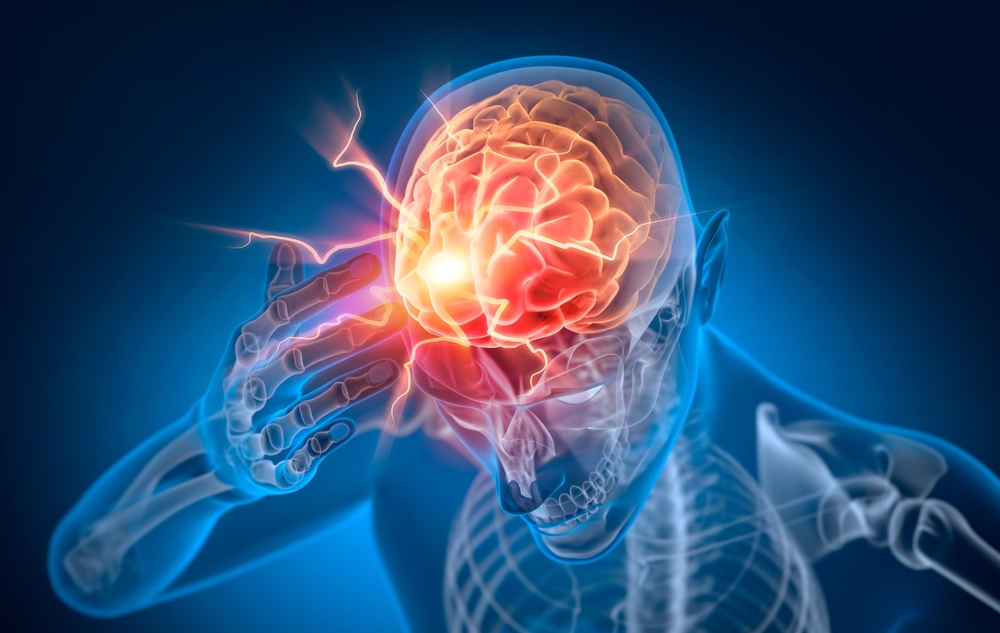
For years, strokes have been considered a medical emergency mostly associated with older adults. But doctors are now facing a disturbing shift: more people in their 20s, 30s, and 40s are arriving at hospitals with strokes, leaving specialists searching for answers about why this is happening.
Contents
show
A recent report from the Centers for Disease Control and Prevention found that strokes among adults aged 18 to 44 increased by 14.6% between 2020 and 2022. The rise has caught the attention of neurologists because many of these patients have no obvious signs that they are at risk.
Dr. Mohammad Anadani, chief of neuroendovascular services for the Endeavor Health Neurosciences Institute, said the change has been surprising even for experienced medical teams.
“We’ve never had patients so young,” Anadani told The Post.

Doctors Are Treating Stroke Patients In Their 20s
A stroke occurs when blood flow to part of the brain is interrupted, either because a blood vessel becomes blocked or because bleeding occurs in the brain. The condition can cause permanent damage if treatment is delayed.
For younger patients, the diagnosis often comes as a shock because many do not fit the traditional image of someone at risk. Some appear active, healthy, and far from the age group doctors usually associate with strokes.
Anadani said treating these patients creates a different level of concern because they often have decades of life ahead of them. The medical team must quickly determine what caused the stroke while also helping patients recover from an event they never expected.
“We don’t think about stroke in 20-year-old patients. We feel more pressure when caring for these patients because they are so young,” Anadani said.

Two Young Women Experienced Strokes Despite Being Healthy
Among the younger patients treated by Anadani were Ann Fulk and Aubrey Hasley, two women who suffered strokes in their early 20s.
Their cases highlight how complicated strokes in younger adults can be. Unlike some older patients, who may have years of known health risks, younger patients often require doctors to search for less obvious contributors.
Anadani believes both women likely experienced embolic strokes. This means a clot formed somewhere else in the body before traveling through the bloodstream and reaching the brain.

Ann Fulk’s Stroke Came During A Stressful Period
Fulk was 23 when she experienced a stroke while working heavily and relying on caffeine to get through demanding days.
She said she was consuming energy drinks during that period, including a product containing 200 mg of caffeine per can. Although experts recommend no more than 400 mg of caffeine daily for healthy adults, doctors say the effects of high stimulant intake can vary from person to person.
Anadani explained that energy drinks have not been directly proven to cause strokes. However, research has connected them with health issues that can raise concerns.
“While there is no clear evidence directly linking energy drinks to stroke, several studies have reported an increased risk of hypertension and cardiac arrhythmias, such as atrial fibrillation, associated with their use,” Anadani said.

Experts Point To Several Possible Causes Behind The Rise
Doctors have not identified one single reason why younger adults are experiencing more strokes. Instead, they believe several factors may be contributing to the increase.
Anadani said traditional stroke risk factors are becoming more common among younger populations. These include conditions that were once more frequently associated with older age groups.
The possible contributors include:
- High blood pressure: Hypertension can damage blood vessels over time and increase stroke risk.
- Diabetes: Blood sugar problems can affect circulation and cardiovascular health.
- High cholesterol: Elevated cholesterol levels may contribute to blocked arteries.
- Obesity: Higher obesity rates are linked with increased cardiovascular risks.
- Lifestyle factors: Stress, long work hours, and physical inactivity may also play a role.
The changing health landscape means doctors are looking beyond age when assessing stroke risk. A younger person may still face serious cardiovascular threats if multiple risk factors are present.

Birth Control And Hidden Heart Conditions Can Increase Risk
Some younger stroke patients have underlying conditions that are not discovered until after the event happens.
In Hasley’s case, Anadani said a patent foramen ovale, commonly known as a hole in the heart, likely contributed to her stroke. The condition can allow a blood clot to travel from the body to the brain instead of being filtered through the lungs.
Anadani also noted that Hasley was taking oral contraceptives, which are known to increase stroke risk in certain situations.
The connection between birth control and stroke risk depends on several factors, including individual health history and other possible risk factors. Doctors often consider a combination of circumstances when evaluating why a younger person experienced a stroke.
For patients and doctors alike, these cases reveal how unpredictable strokes can be. Age alone does not guarantee protection from a condition that can change someone’s life within minutes.

Energy Drinks And Stimulants Are Drawing More Attention
While doctors have not established energy drinks as a direct cause of strokes, they have become part of a wider conversation about factors that may affect cardiovascular health in younger adults. These products are increasingly popular among people working long hours, studying, exercising, or trying to maintain energy throughout busy schedules. For some individuals, especially those with existing health risks they may not know about, high levels of stimulants could create additional strain on the heart and blood vessels.
Anadani explained that energy drinks have been linked in studies to issues such as increased blood pressure and irregular heart rhythms. Those conditions are already recognized as risk factors for strokes, which is why some doctors believe certain people may face higher risks depending on their overall health.
“While there is no clear evidence directly linking energy drinks to stroke, several studies have reported an increased risk of hypertension and cardiac arrhythmias, such as atrial fibrillation, associated with their use,” Anadani said.
The concern is not that every person who consumes an energy drink will experience a stroke. Instead, doctors are examining how stimulants may interact with other factors, including hidden medical conditions, stress levels, sleep patterns, and existing cardiovascular risks.

Stimulant Use Is Becoming Part Of The Bigger Health Debate
Energy drinks are only one piece of a larger discussion about the health challenges facing younger adults. Doctors have also raised questions about the increasing use of stimulant medications, including drugs such as Adderall, particularly as access through telehealth services has expanded.
Dr. Evan Levine, a Scarsdale cardiologist and medical creator, has previously warned about the potential heart-related concerns linked with stimulant use. These medications can influence heart rate and blood pressure, which are important factors when doctors evaluate cardiovascular health.
For many younger adults, the challenge is that warning signs may remain unnoticed. A person may feel healthy, stay active, and have no reason to believe they have a serious medical issue until an unexpected event occurs.
That is one reason doctors are encouraging more awareness around cardiovascular health among younger generations. Conditions that were once viewed as concerns for older adults are increasingly appearing earlier in life.
Why Younger Adults May Ignore Stroke Warning Signs
One of the biggest challenges surrounding younger strokes is recognition. Many people do not consider a stroke a possibility when they are in their 20s or 30s, which can lead them to delay seeking medical help when symptoms appear.
Stroke symptoms can happen suddenly and may include weakness, confusion, trouble speaking, vision changes, or problems with balance. Because these symptoms can sometimes appear briefly before becoming more serious, some people may assume they are caused by stress, exhaustion, or another less serious issue.
Common warning signs include:
- Sudden weakness or numbness: Especially affecting one side of the face, arm, or body.
- Speech problems: Difficulty speaking clearly or understanding what others are saying.
- Vision changes: Sudden loss of vision or unexpected visual disturbances.
- Loss of coordination: Trouble walking, dizziness, or problems with balance.
- Severe headaches: A sudden, intense headache without a known cause.
Medical professionals often encourage people to remember the FAST method: face drooping, arm weakness, speech difficulties, and time to seek emergency care. Acting quickly can influence treatment options and recovery outcomes.
Doctors Say Stroke Risk Is No Longer Defined By Age Alone
The increase in younger stroke patients is changing how doctors approach prevention and diagnosis. Age remains one factor, but medical professionals are increasingly looking at a broader combination of health history, lifestyle habits, genetics, and hidden conditions.
Anadani said researchers still do not fully understand why stroke rates among younger adults have increased. However, he believes the rise may be connected to several overlapping issues, including higher rates of hypertension, diabetes, high cholesterol, obesity, stress, long working hours, and physical inactivity.
The experiences of patients like Fulk and Hasley show how quickly a stroke can disrupt a young person’s life. Recovery may involve rehabilitation, lifestyle adjustments, and difficult questions about what caused the event in the first place.
For doctors, the growing number of younger stroke patients is a sign that awareness needs to expand beyond traditional age groups.
A Stroke Can Happen Earlier Than Many People Expect
A stroke diagnosis in someone’s 20s or 30s can completely change how they view their health. The cases of young adults treated by Anadani show that serious cardiovascular events are not limited to older generations.
Doctors are still investigating the reasons behind the increase, but recognizing symptoms remains one of the clearest ways people can protect themselves. Waiting because someone feels “too young” for a stroke can cost valuable time.
A person’s age may shape their risk, but it does not determine whether a medical emergency can happen. Knowing the warning signs and responding quickly can save lives.