
Your cart is currently empty!
Donald Trump Claims America Was Left Alone After Asking Allies For Help
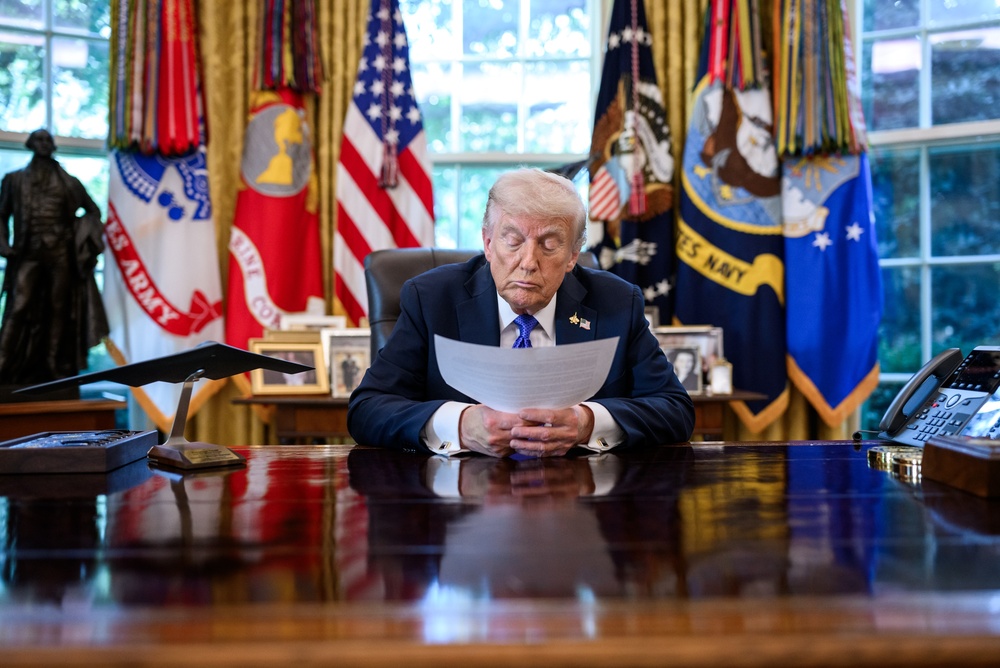
For years, Donald Trump has built a huge part of his political identity around one core argument: America has spent too long acting like the unpaid security guard of the world while other countries quietly enjoyed the benefits. It is an argument that has helped define his views on NATO, foreign aid, military spending, and even trade. Whether people agree with him or not, it is one of the most consistent themes in his political career. Now, with tensions centered around the Strait of Hormuz and Washington reportedly looking for allied military support, that message has suddenly become more than a campaign talking point. It has become the emotional center of a real geopolitical dispute. Trump is no longer just talking in general terms about America being taken advantage of. He is pointing to a live crisis and asking why the countries that have long depended on American protection are nowhere to be seen when the United States wants visible support in return.
Contents
show
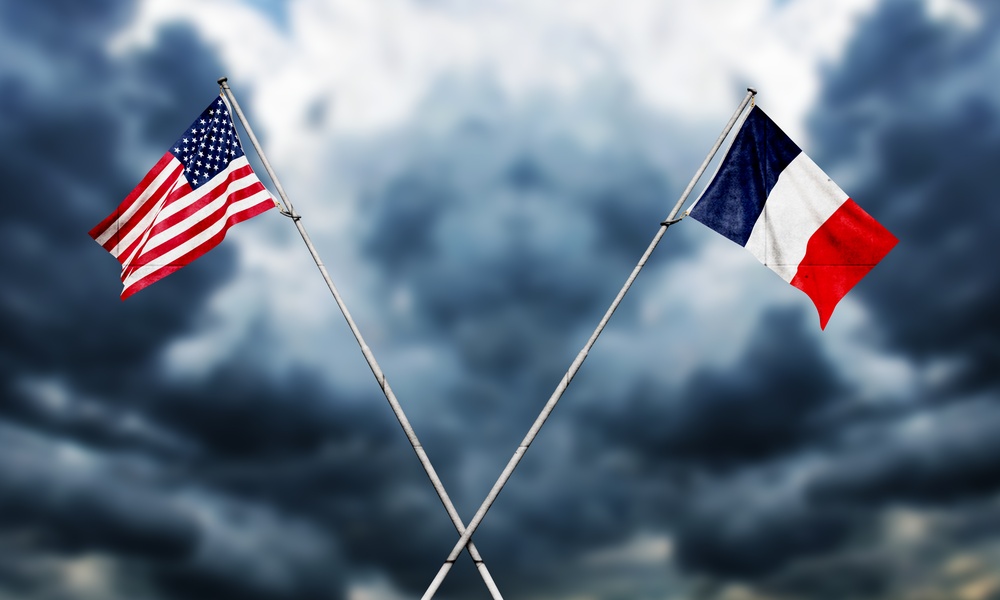
That is what makes this moment so politically explosive. Trump has been expressing growing frustration that no country has stepped up to support the US in its efforts to reopen the Strait of Hormuz. He asked the UK, France, Japan, China, and South Korea to send warships. France refused outright. Japan called the threshold “extremely high.” The UK is stalling. No country has committed a single ship. Trump warned that NATO faces a “very bad future” if allies don’t respond and even suggested delaying his summit with China’s Xi Jinping. At the heart of all of it is a quote that captures both his anger and the wider symbolism of the moment: “I helped the world, but when I asked for help, no one came.” It is a line that feels personal, political, and strategic all at once. To his supporters, it sounds like proof that he has been right for years. To his critics, it sounds like the inevitable frustration of a president discovering that military alliances are not the same thing as unquestioned obedience.
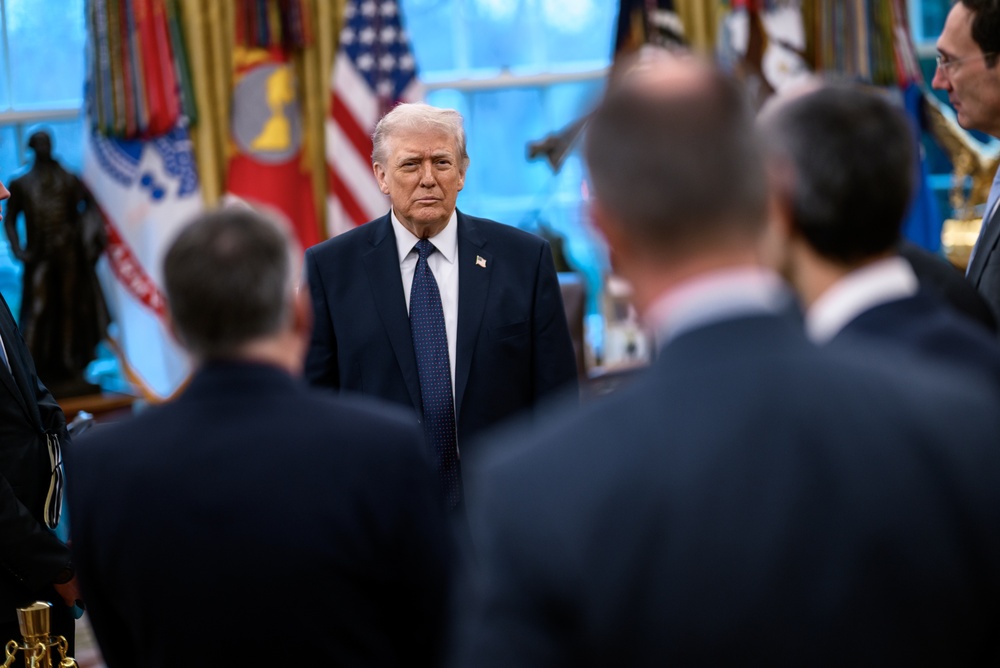
Trump’s Frustration Is About More Than Ships
On paper, the issue is about the Strait of Hormuz, but politically this is about something much bigger. The Strait is one of the most important waterways on Earth because an enormous amount of the world’s oil and gas supply moves through it. If that passage becomes unstable or dangerous, the consequences do not stay in the Middle East. They spread into energy prices, inflation, shipping costs, stock markets, and everyday consumer anxiety across multiple continents. That means the stakes are automatically global. Trump clearly understands that, which is why he seems to believe that if the world benefits from this route staying open, then the world should also be willing to help defend it. In his mind, this is not an unreasonable request. It is a test of whether all the talk about shared interests and strategic partnerships actually means anything once real military risk enters the picture.
But Trump’s frustration is not only rooted in present-day military calculations. It is tied to decades of accumulated resentment toward how the United States has operated internationally. For years he has argued that Washington has poured money, manpower, weapons, and political capital into protecting other countries while American taxpayers are told to simply accept that burden as part of global leadership. This is why the current refusal from allies matters so much to him. It does not just feel like a disappointing diplomatic setback. It feels like a live demonstration of the very imbalance he has spent years talking about. In that sense, the warship issue is not just one foreign policy dispute. It is a symbolic showdown over whether America’s long role as global protector has produced real loyalty or merely dependency.
That is also why this story lands beyond foreign policy circles. Most voters are not military strategists, but they do understand the emotional logic of unequal relationships. They understand what it feels like to believe you are the one always giving more than you get back. Trump has always been skilled at translating large international issues into that kind of plain emotional language. He is taking a highly technical geopolitical problem and turning it into a fairness argument. His case is simple enough for anyone to grasp: if America has done so much for everyone else, why is nobody stepping forward now? Whether that argument is fully fair or not is another matter, but politically it is extremely effective because it makes global strategy feel personal.
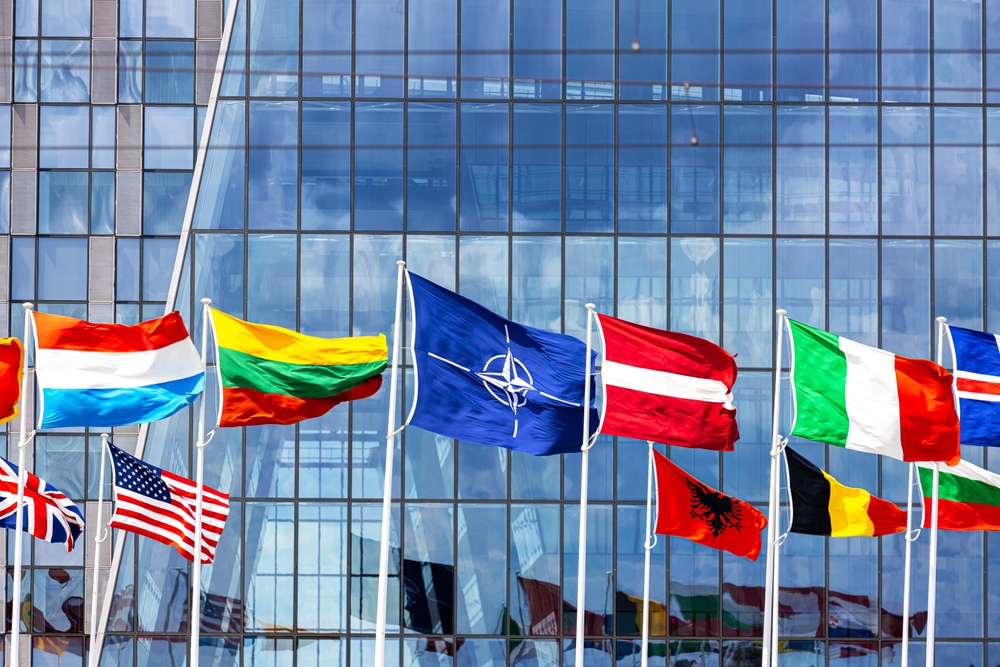
Why America’s Allies Are Refusing To Jump In
From Trump’s point of view, the silence from allies may look like cowardice, ingratitude, or opportunism. But from the perspective of those governments, the decision not to send warships is likely rooted in a very different calculation. Countries like France, Japan, and the UK are not simply asking whether the Strait of Hormuz matters. Of course it matters. Their economies, like everyone else’s, are affected by energy instability and maritime disruption. The real question they are asking is whether joining a military mission in such a volatile environment is worth the political and strategic cost. And for many of them, the answer appears to be no, or at least not yet. That hesitation is not necessarily because they do not care. It may be because they care enough to avoid walking blindly into a situation that could become much bigger, much bloodier, and much harder to control than it first appears.
There is also the issue of ownership. Many allied governments may privately believe that this is not a clean, neutral international security operation but a crisis that has emerged from choices made primarily by Washington and its regional posture. That distinction matters. Countries are often willing to support missions that are clearly collective and broadly agreed upon, but they become far more cautious when they feel they are being asked to help manage the fallout from someone else’s escalation. From that perspective, refusing to send warships is not necessarily a rejection of the alliance itself. It is a rejection of being pulled into a conflict whose risks they do not fully control and whose endgame they cannot clearly see.
Domestic politics matter too, and this is often where foreign policy becomes brutally practical. Leaders in Europe and Asia are not making these decisions in a vacuum. They have voters, parliaments, opposition parties, military planners, legal constraints, and public memories of previous Middle East conflicts that became expensive, unpopular, and prolonged. Sending naval assets into a high-tension zone is not a symbolic move. It is the kind of decision that can trigger domestic backlash if anything goes wrong. A single incident at sea, a direct confrontation, or a broader military escalation could instantly turn a limited support mission into a national political disaster. So when countries stall, delay, or describe the threshold for involvement as “extremely high,” that language is not just diplomatic caution. It is a sign that they are trying very hard not to get trapped in something they may later regret.
This Moment Exposes How Fragile Alliances Really Are
What makes this episode especially revealing is that it strips away the polished language governments often use when talking about alliances. Politicians love words like unity, shared values, strategic partnership, and collective security. Those ideas sound strong and reassuring in speeches, summit statements, and official press conferences. But crises have a way of exposing what those relationships actually look like under pressure. When there is no immediate danger, alliances can appear solid and unquestioned. When the cost becomes military, financial, and political, the picture changes very quickly. That is what seems to be happening now. The current reluctance from allies suggests that the trust and automatic solidarity many people assume still exist may be much weaker than they appear on paper.
This strain did not begin overnight. It has been building for years through disputes over NATO spending, arguments over burden sharing, trade tensions, different approaches to Russia and Ukraine, and growing discomfort among many allied governments about being too tightly tied to Washington’s strategic decisions. Trump himself has played a major role in shaping that atmosphere. His supporters would argue that he has simply been honest about an unfair system and has forced allies to confront realities they long preferred to ignore. His critics would argue that he has repeatedly undermined trust by treating allies more like reluctant clients than long-term partners. Both arguments contain some truth, which is why this moment feels so politically loaded. It is not just exposing one disagreement. It is exposing years of unresolved tension.
The real problem for the United States is that alliance credibility does not only depend on military capability. It also depends on belief, predictability, and trust. Countries need to believe that cooperation will not suddenly become one-sided, politically humiliating, or strategically reckless. Once that confidence weakens, even long-standing partners become more selective about how and when they show up. That appears to be one of the most important undercurrents in this story. America still has enormous military power, but power alone does not guarantee that others will stand beside it when the situation becomes dangerous. This moment may be one of the clearest signs yet that the old assumptions about Western alignment can no longer be taken for granted.
Why The Strait Of Hormuz Matters So Much
It is easy for a story like this to get absorbed into political drama and lose sight of why the Strait of Hormuz matters in the first place. This is not some obscure regional dispute with limited consequences. It is one of the world’s most critical maritime chokepoints, and even temporary instability there can trigger global consequences almost immediately. Oil and gas shipments moving through that narrow waterway affect everything from energy futures and transport costs to household fuel bills and inflation expectations. In a fragile global economy, even the perception of danger in the Strait can create market panic and strategic anxiety. That is why governments, businesses, and military planners around the world are watching it so closely.
The danger is not just economic. Maritime tensions are uniquely dangerous because they can escalate through miscalculation just as easily as through deliberate action. A ship is intercepted, an escort mission becomes more aggressive, a warning is misread, or a military presence intended as deterrence is interpreted as provocation. Once warships begin operating in a tense corridor, the room for error shrinks fast. That is one of the biggest reasons many countries are cautious about committing naval assets. It is not because they do not understand the stakes. It is because they understand them too well. A mission that begins as protective can quickly become confrontational, and once that happens, stepping back becomes much harder.
This is why the current debate is so serious. If the Strait remains unstable, the world could be looking at higher fuel costs, more pressure on already stretched supply chains, renewed inflation concerns, and deeper uncertainty in global trade. Politically, that creates pressure on leaders far beyond the Middle East. Governments that are already struggling with domestic economic frustration do not want to explain to voters why another international crisis is making life more expensive. So everyone wants stability, but not everyone wants to pay the same price to secure it. That tension sits at the center of this entire story. The benefits of safety are global, but the risks of enforcing it are deeply uneven.
Betrayal Or Blowback Depends On Where You’re Standing
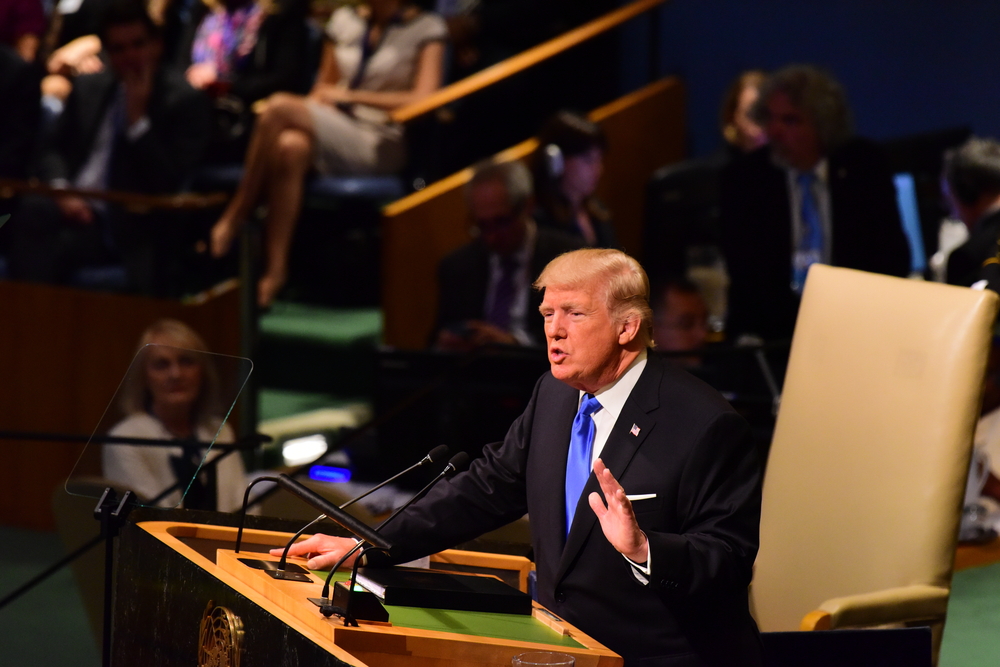
This is where the story becomes less about military logistics and more about interpretation. To Trump’s supporters, the symbolism is brutally simple. America has defended Europe. America has helped Ukraine. America has funded NATO. America has projected military strength in ways that protected trade, energy, and strategic stability for decades. And now, when the United States is asking for something visible and concrete in return, no one is showing up. From that perspective, this is not just disappointing. It is humiliating. It looks like confirmation that America’s allies are happy to rely on American force as long as they are not the ones being asked to take visible risk themselves. That reading fits perfectly into Trump’s broader worldview and explains why this issue has such emotional power on the right.
But critics would frame the exact same moment very differently. They would argue that what Trump is calling betrayal may actually be the predictable consequence of trying to pull other countries into a conflict they do not feel they helped create and do not trust themselves to control. In that version of events, the silence from allies is not ingratitude. It is caution. It is self-preservation. It is governments deciding that they are not willing to attach themselves militarily to a dangerous escalation simply because Washington expects them to. That argument is politically inconvenient for Trump because it shifts the focus from allied loyalty to American responsibility. It asks a much more uncomfortable question: if no one wants to join this effort, what does that say about how the mission itself is being viewed internationally?
The truth is that both interpretations have enough logic to survive, which is why this issue is so politically combustible. Whether people see this as abandonment or consequence depends almost entirely on where they believe responsibility begins. Was America defending a shared international system and then unfairly left alone when it needed backup? Or is America now asking others to help manage a crisis that many of them never wanted to be part of in the first place? That is the real dividing line beneath all the rhetoric. It is not just a disagreement about warships. It is a disagreement about what alliances are actually for and how much support one country can reasonably expect when a crisis becomes dangerous enough to carry real cost.
What This Means For Trump Politically
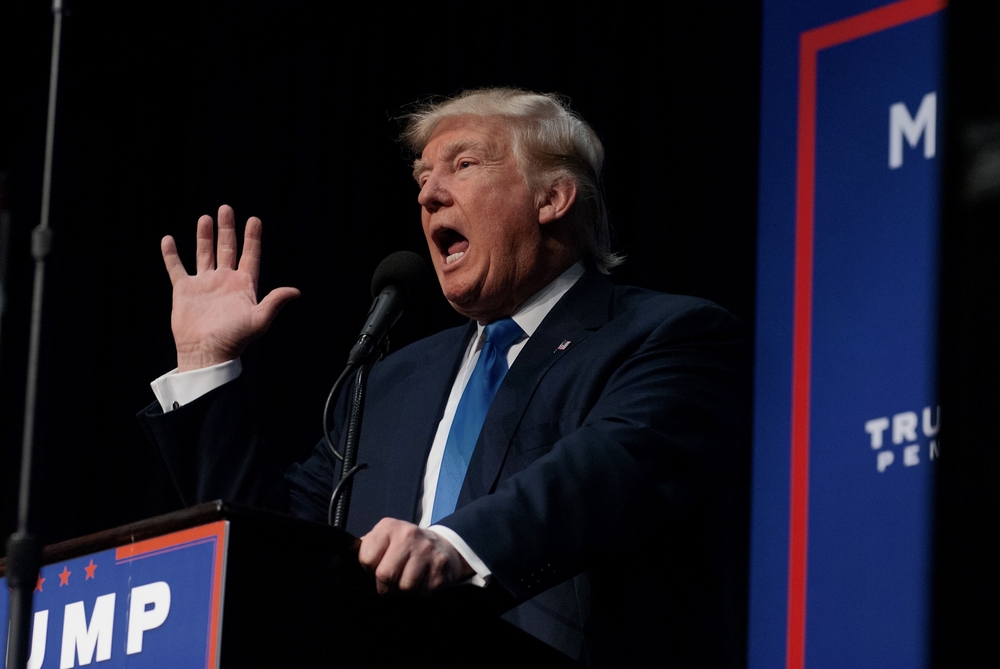
Politically, Trump may still be able to turn this moment into something useful for himself, even if the immediate diplomatic result is frustrating. If no allies step forward, he can present that refusal as living proof that his long-running complaints were correct all along. He can point to this episode and say that when America needed support, the countries that benefited from US power suddenly became hesitant, cautious, and absent. That message is likely to resonate with voters who already believe that America has been overextended internationally and underappreciated in return. In campaign terms, it is easy to imagine this becoming one of those lines that appears again and again in speeches because it captures grievance, nationalism, and strategic frustration in one clean emotional package.
At the same time, this moment also carries risk for him. It is one thing to say allies are freeloading. It is another to manage a live international crisis in a way that looks effective, stable, and under control. If the Strait of Hormuz situation worsens, if energy prices rise, if markets react badly, or if military tensions escalate without broader support, then Trump will not just be the man complaining about unfairness. He will also be the leader directly associated with the consequences. That means the same story that helps him politically in one direction could also expose him in another if events spiral or if the public begins to see the situation as evidence of diplomatic isolation rather than strength.
That is why this moment is so significant. It is not just a foreign policy flashpoint. It is also a political stress test. Trump wants to show that America should not have to carry the world alone, but he also wants to project strength and control. Those two goals do not always fit neatly together. He wants allies to contribute, but he does not want to appear dependent on them. He wants to prove America is respected, while publicly highlighting the fact that many countries are keeping their distance. That is a difficult contradiction to manage, and it may define not just this specific crisis but a much broader question about what American leadership is supposed to look like in a world where fewer countries seem eager to follow automatically.
The Bigger Lesson Behind This Entire Story
The quote “I helped the world, but when I asked for help, no one came” hits as hard as it does because it speaks to something bigger than Donald Trump himself. It captures a growing discomfort that has been building for years around the idea of alliance, obligation, and global order. For decades, the United States operated as the default security anchor for much of the democratic world. That arrangement was never perfectly balanced, and it was often debated, but it broadly held because enough countries believed the system worked well enough to sustain itself. What this current moment suggests is that those assumptions may be breaking down in real time.
Countries still want the benefits of stability. They still want trade routes protected. They still want deterrence to function. They still want global energy markets to remain secure. But what they may no longer want is automatic entanglement in every dangerous military situation that emerges from Washington’s strategic decisions. That is a major shift, and it has consequences far beyond this one story. It means future crises may look increasingly similar, with the United States expecting support and allies responding with delay, caution, and strategic distance. If that pattern continues, then this is not just a Trump story or a Strait of Hormuz story. It is the story of a changing global order where the old assumptions about loyalty and burden sharing are no longer reliable.
And that is probably the most important takeaway of all. This is not just about whether warships are sent. It is about whether America’s alliances still function the way many leaders and voters assume they do. It is about whether decades of military backing create genuine reciprocal commitment or simply long-term dependence without equal responsibility. It is about whether the West still behaves like a united strategic bloc when pressure becomes real. Trump’s frustration may be politically useful, but it also reveals something uncomfortable that goes beyond him: the world America helped protect still wants security, but far fewer countries seem eager to stand beside the United States when the danger becomes immediate. That may end up being the real headline long after this particular crisis fades.
America First, Donald Trump, geopolitical tensions, global politics, Hormuz crisis, Iran war, Middle East crisis, NATO future, NATO support, oil shipping crisis, Strait of Hormuz, Trump allies, Trump foreign policy, Trump international relations, Trump NATO, Trump warships, Trump world quote, US allies, US defense policy, US military allies