
Your cart is currently empty!
DoorDash Steps Up: Free Deliveries for SNAP Recipients as Federal Assistance Nears Collapse
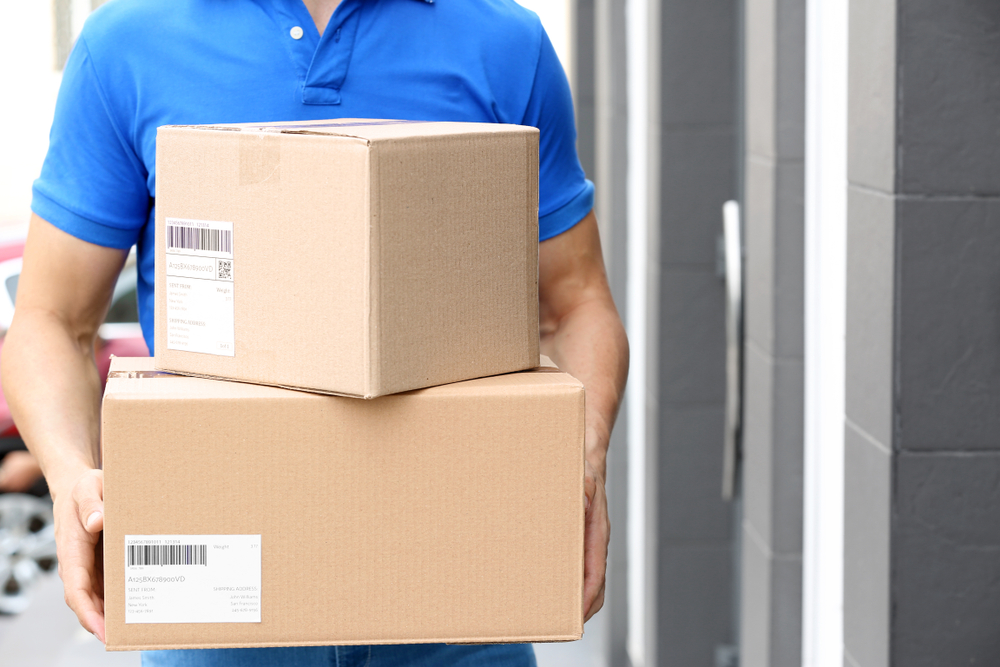
When economic uncertainty strikes, the first and hardest hit are often those already living on the edge. As the United States faces a potential federal shutdown threatening to suspend Supplemental Nutrition Assistance Program (SNAP) benefits for more than 40 million Americans, DoorDash has stepped forward with an ambitious initiative: waiving delivery and service fees for SNAP users and delivering over one million free meals nationwide.
Contents
show
This effort, announced as part of DoorDash’s Emergency Food Response, reflects the growing urgency of a crisis that food banks and advocacy groups are calling a “food emergency in real time.” The timing is crucial, as millions of families across the country brace for the potential loss of government food support. The company’s actions are part of a broader effort to alleviate the mounting pressure on communities already stretched thin by rising prices and economic instability.
A Nation on the Brink of Hunger
SNAP, formerly known as food stamps, is the nation’s largest anti-hunger program. It currently supports an estimated 21 million children, 16 million working families, and 5 million seniors. Should federal funds lapse, these households could face a sudden halt in benefits that many depend on for basic nutrition. Without these funds, the impact on communities would be immediate and devastating, creating a ripple effect that food banks and local aid programs are ill-equipped to handle.
Food banks across the country are already feeling the strain. According to Feeding America, food insecurity has surged in recent years, with food banks reporting record demand amid inflation and stagnant wages. In 2024 alone, over 44 million people in the U.S., including 13 million children, experienced food insecurity. That number reflects not only the economic aftershocks of the pandemic but also persistent wage stagnation that leaves working families struggling to afford basic necessities.
Eric Mitchell, President of the Alliance to End Hunger, put the situation into stark perspective. “The food security of millions of people who rely on SNAP is at dire risk,” he said. “We know that the only viable solution is to ensure SNAP benefits are being delivered in full to those in need of food assistance as soon as possible. We are thankful for the part that companies and organizations across the country like DoorDash can do to try to fill the gap.” His comments echo a broader concern: while private-sector initiatives can ease immediate suffering, they cannot replace the structural support of federal programs.
DoorDash’s Emergency Food Response: How It Works
DoorDash’s Emergency Food Response is a nationwide mobilization of its existing Project DASH program, which partners with more than 300 food banks and pantries to deliver meals directly to those in need. This November, the company is waiving merchant fees for all Project DASH partners, providing an estimated one million free meals to communities across the country. The effort is both a logistical and humanitarian undertaking, designed to help bridge the gap during a period of deep uncertainty.
In addition, DoorDash is partnering with leading grocery chains, including Sprouts, Dollar General, Schnucks, Food Lion, Giant Foods, Hannaford, Hy-Vee, and Wegmans, to waive delivery and service fees for approximately 300,000 grocery orders placed by SNAP recipients. For families that rely on every dollar of assistance, the removal of these fees can make a real difference in stretching tight budgets, especially as food prices remain high.
Families who have linked their SNAP or EBT card to DoorDash can access these benefits directly when ordering through the app. This initiative provides a temporary but critical lifeline during what could be weeks of halted federal support. By making grocery delivery more accessible, DoorDash is helping ensure that those who cannot easily travel to stores: such as seniors, individuals with disabilities, and those living in rural food deserts: can still receive nutritious food without additional financial strain.
The Real-Life Impact on Families
For many low-income families, small gestures of support like waived fees can make a tangible difference. With grocery prices up nearly 25 percent since 2020, even a few extra dollars saved per order can help parents stretch limited budgets to cover other essentials like rent, utilities, and healthcare. The difference may seem modest, but for households balancing on the edge of poverty, every savings opportunity carries real weight.
According to the Urban Institute, SNAP benefits cover only about two-thirds of what an average family needs for groceries in a typical month. When federal benefits are delayed or reduced, many turn to food pantries, where supplies are already limited. DoorDash’s expansion of Project DASH helps relieve logistical bottlenecks by delivering directly to households that can’t access local food banks. This service has proven especially valuable for individuals who live far from major distribution centers or lack reliable transportation.
Max Rettig, DoorDash’s Vice President and Global Head of Public Policy, emphasized that while the initiative cannot replace government action, it aims to ease immediate pressure on struggling families. “No one should go hungry in America, period,” he said. “Fighting hunger is core to our mission at DoorDash, and we’re stepping up alongside leading grocers and retailers to help bridge the gap. We know this is a stopgap, not a solution. But doing nothing simply isn’t an option.” His words capture the spirit of a company using its resources to address an urgent humanitarian issue while acknowledging the limits of corporate charity.

Beyond the Headlines: The Bigger Problem
DoorDash’s move, while commendable, underscores a broader truth: corporate aid cannot replace government programs like SNAP. The scale of hunger in America requires sustained policy solutions, not just emergency measures that patch temporary holes in the safety net. Without reliable funding, millions remain one missed paycheck away from food insecurity.
Food insecurity is tied to a complex web of economic factors, including rising housing costs, low wages, healthcare expenses, and geographic inequalities. In rural and underserved urban communities, access to affordable food has declined as grocery stores shutter and food deserts expand. According to the USDA, more than 19 million Americans live in areas with limited access to fresh and affordable groceries. When the nearest store is miles away, and transportation is costly or unreliable, the struggle to eat healthily becomes even more daunting.
Experts warn that the current crisis is a symptom of a deeper systemic issue: America’s dependence on short-term relief instead of long-term reform. Public-private partnerships like DoorDash’s can provide crucial relief, but they also highlight how fragile the social safety net has become. The growing reliance on private companies to address public welfare needs points to an imbalance that cannot be ignored.
The Role of Community and Individual Action
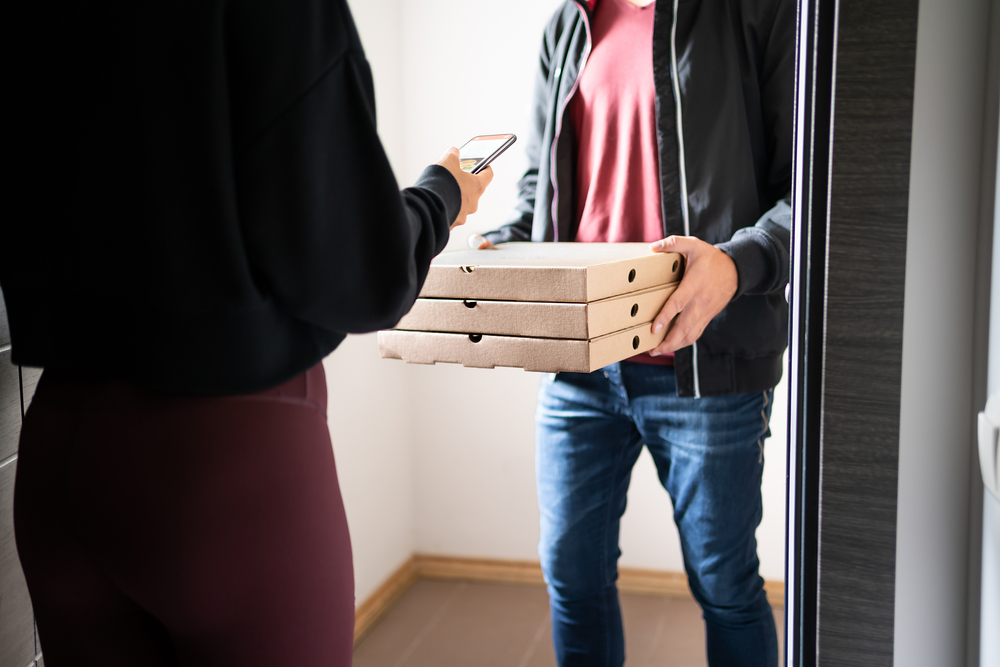
DoorDash has called on other organizations, companies, and individuals to contribute to this national effort. From donating food and funds to volunteering at local pantries, collective action is critical in moments like these. The company’s initiative serves as both an immediate response and a rallying cry for shared responsibility.
Communities can make an immediate difference through donations to local food banks or national organizations such as Feeding America. Volunteering remains one of the most direct ways to help, whether by packing boxes, delivering meals, or organizing local drives to support neighbors in need. Advocacy is equally vital. Reaching out to elected officials and emphasizing the importance of maintaining and expanding federal food assistance programs can influence long-term policy outcomes.
Even small contributions, such as donating a few canned goods each week or volunteering once a month, can multiply when communities act together. The combined effect of many small acts of generosity often surpasses even the largest corporate initiatives.
A Moment to Reflect: What This Means for the Future
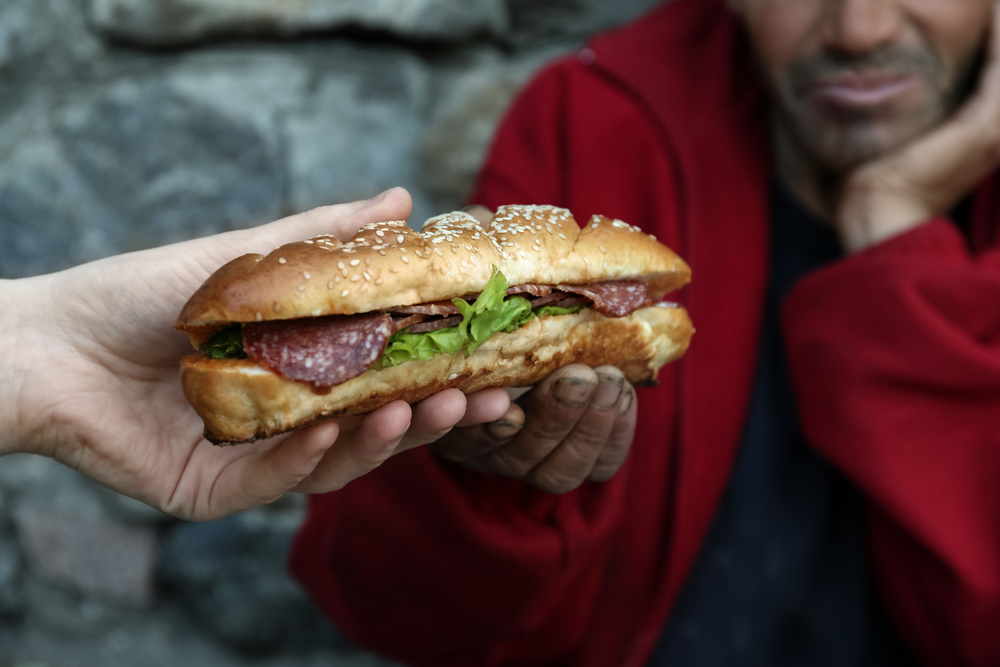
DoorDash’s Emergency Food Response is both a humanitarian gesture and a reflection of growing corporate responsibility in addressing social challenges. Yet, it also raises an uncomfortable question: why are private companies increasingly filling roles that government programs were designed to fulfill? The situation exposes a gap in policy and governance that leaves too many Americans vulnerable to hunger.
In the immediate term, families will have one less barrier between them and the food they need. But long-term resilience will require systemic change, including policies that address not just hunger but the roots of poverty itself. Solutions must extend beyond short-term fixes and focus on creating an economy where every household has consistent access to nutritious food.

DoorDash’s initiative reminds us of a simple truth: collective care is a cornerstone of stability. When one system falters, others can and must step up. But the ultimate goal should be a society where emergency responses are no longer necessary because basic needs are met without crisis. As federal assistance hangs in limbo, millions of Americans wait for reassurance that they will not be forgotten. DoorDash’s action may not solve the problem, but it offers something vital: a reminder that compassion and community can still drive change, even when politics stalls.