
Your cart is currently empty!
Earth Is Just Four Years Away From Crossing the 1.5°C Climate Threshold, New Data Shows
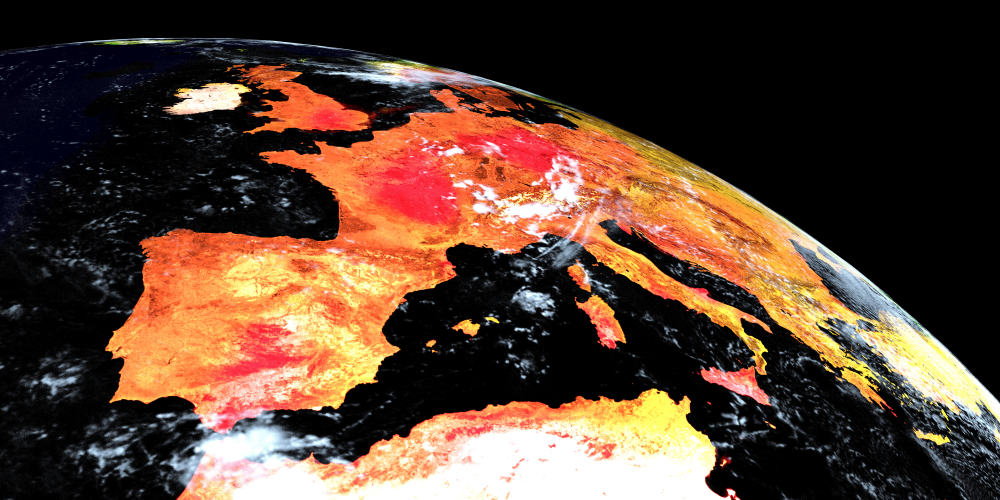
The timeline for averting irreversible climate damage just drastically shrank. A landmark new study reveals that Earth is now on track to permanently breach the critical 1.5-degree Celsius warming limit by 2030—a mere four years from now. This rapidly approaching countdown means the most severe environmental warnings are no longer abstract scientific models left for the next generation to handle. Instead, crossing this temperature threshold will act like a domino effect on everyday life, directly driving up grocery bills, triggering life-threatening summer heatwaves, and overwhelming local power grids.
Contents
show
Just as ignoring a car’s flashing check-engine light guarantees a complete breakdown, ignoring this fast-approaching deadline ensures severe damage to the neighborhoods we live in. Understanding exactly what this four-year window means is the first crucial step to stop hitting the snooze button and start demanding the immediate, large-scale action required to secure a livable future.
A Four-Year Countdown
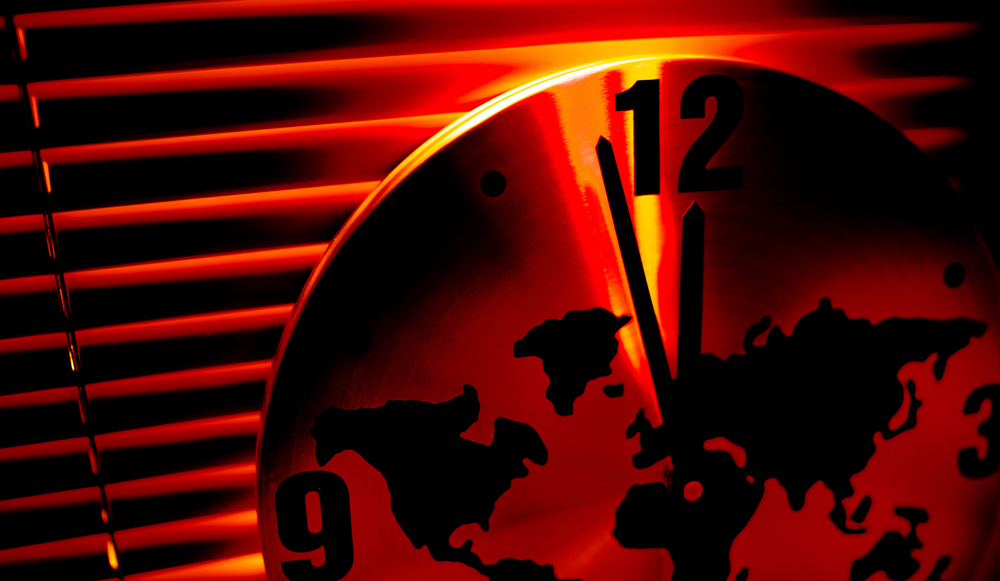
For years, international leaders have talked about keeping the Earth’s temperature from rising more than 1.5 degrees Celsius (2.7 degrees Fahrenheit) above pre-industrial levels. This target was often treated as a distant goal for future generations to handle. However, new research shows this critical safety limit is arriving much sooner than expected. A major study published in Geophysical Research Letters confirms that global warming has sped up drastically since 2015. At the current pace, the planet is on track to permanently cross the 1.5-degree mark by 2030—just four years from now.
To figure out the true speed of climate change, scientists removed temporary weather events from the data, such as volcanic eruptions or El Niño. Once that background noise was cleared, the underlying picture became stark. Over the past ten years, global temperatures have climbed at a rate of 0.35 degrees Celsius per decade. That is a massive jump compared to the 0.2-degree average seen between 1970 and 2015. The earth is heating up faster today than at any point since record-keeping began in 1880.
The math behind this timeline leaves almost zero room for error. Scientists measure the global “carbon budget,” which is the exact amount of carbon dioxide humanity can still produce while keeping a 50 percent chance of staying under the 1.5-degree limit. At the start of 2026, that budget was down to just 130 billion tonnes. If current daily emission rates continue, that entire allowance will run out in roughly three years. Dr. Chris Smith of the International Institute for Applied Systems Analysis explains the severity of the data: “The rate of global warming continues at an unprecedented rate. The level of warming is projected to surpass 1.5°C in about four years.”
This four-year countdown is not just a missed political target; it dictates the safety of everyday life. The planet has already warmed by roughly 1.37 degrees Celsius, which is actively fueling the severe heat waves and erratic weather currently hitting communities worldwide. Dr. Aurélien Ribes, a climate scientist at Météo-France, summarizes the stark reality: “Given that greenhouse gas emissions are still on the rise, keeping global warming below this threshold now seems unachievable.” The conversation must now shift from trying to avoid this threshold to preparing for the permanent changes it brings to local neighborhoods and global systems.
The Real-World Cost of Reaching the Climate Limit
Crossing the 1.5-degree threshold is often discussed in scientific terms, but the actual impact will be felt in the routines of everyday life. This number does not mean the planet simply gets a little warmer; it represents a fundamental disruption to the weather systems humanity relies on. According to data from the United Nations, reaching 1.5 degrees means that roughly 14 percent of the global population will face severe, life-threatening heatwaves at least once every five years.
For the average person, this shifts the reality of summer. Routine outdoor activities—from construction and farming to children playing in a local park—will become hazardous during the hottest parts of the day. Keeping homes safe and cool will require significantly more energy, driving up electricity bills and straining power grids.
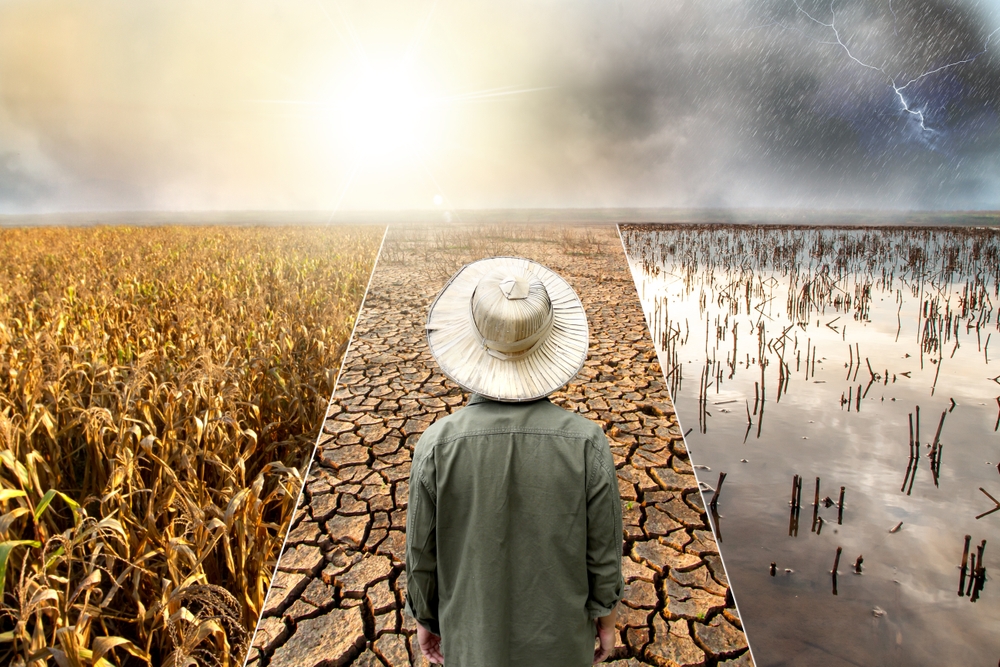
The water cycle will also become far more volatile. A warmer atmosphere holds more moisture, meaning that when it rains, it pours with destructive intensity. Neighborhoods that have never worried about flooding will face sudden, overwhelming flash floods. Conversely, other regions will experience prolonged dry spells. This erratic weather directly impacts agriculture. When farming regions swing between severe drought and torrential rain, crops fail. The immediate result for the general public is food scarcity and a sharp increase in grocery prices.
Coastal communities and marine ecosystems face some of the most visible changes. The UN reports that at 1.5 degrees of warming, coral reefs are projected to decline by 70 to 90 percent. Because these reefs support a quarter of all marine life, their destruction will severely disrupt global fish supplies, impacting the daily diets and livelihoods of millions. At the same time, rising sea levels will turn routine high tides into flooding events for coastal cities, slowly degrading roads and contaminating local freshwater supplies.
Breaching this threshold means that extreme weather will no longer be rare. The disruptions—whether it is a canceled flight due to severe storms, a spike in the cost of basic produce, or a dangerous summer heatwave—will become standard features of daily life.
Why Every Fraction of a Degree Still Matters
When hearing that the 1.5-degree limit will likely be broken in just four years, it is easy to feel defeated. It can make people wonder if the battle is already lost. However, climate scientists stress that this is the exact wrong takeaway. The 1.5-degree mark is not a cliff where the world suddenly ends; it is a vital warning sign. Every single fraction of a degree beyond it brings exponentially worse consequences, meaning the fight to cut carbon emissions is more important now than ever.
The difference between 1.5 degrees and 2 degrees of warming might sound incredibly small on a daily weather forecast. On a global scale, however, that half a degree creates a drastically different world. According to the United Nations, at 1.5 degrees of warming, about 14 percent of the global population will face severe heatwaves at least once every five years. If the global temperature rises to 2 degrees, that number jumps to 37 percent. That means more than a third of the world would be regularly exposed to life-threatening heat.
The environmental damage scales up just as aggressively. At 1.5 degrees, the planet is projected to lose 70 to 90 percent of its coral reefs. While this is devastating, a small fraction survives to potentially recover. At 2 degrees, coral reefs are projected to be wiped out entirely, destroying the foundation of marine life and the coastal economies that depend on them.
Sea levels tell a similar story. Keeping the warming closer to 1.5 degrees rather than 2 degrees would prevent an additional 10 centimeters of global sea-level rise. That seemingly small difference translates to saving up to 10 million people from losing their homes to coastal flooding.
This data reveals a crucial truth about climate action. Missing the 1.5-degree goal does not mean society should give up and allow temperatures to just keep rising. Holding global warming to 1.6 degrees is significantly safer than letting it hit 1.7 degrees. Every tonne of carbon emissions avoided directly reduces the severity of future droughts, floods, and heatwaves. The goal is no longer about staying perfectly under a single number; it is about fighting for every fraction of a degree to keep communities as safe as possible.
Our Last Chance to Secure a Livable Future
It is tempting to place the burden of the climate crisis on individual daily choices. However, the data points to a much larger and more concentrated source of the problem. The United Nations reports that fossil fuels, specifically coal, oil, and gas, account for over 75 percent of global greenhouse gas emissions and nearly 90 percent of all carbon dioxide emissions. A highly concentrated group of massive global corporations produces the vast majority of these pollutants. While recycling and reducing household energy use are beneficial habits, these personal actions simply cannot offset the billions of tonnes of carbon pumped into the atmosphere by industrial giants.
These large corporations do not operate in a vacuum. Their business models are heavily enabled by government policies and financial structures. Currently, many national governments continue to provide massive financial subsidies for fossil fuel extraction rather than rapidly building renewable energy infrastructure. To slow the current rate of warming, these national policies must undergo a drastic shift. Legislators and world leaders hold the power to enforce strict emission caps, implement heavy taxes on carbon pollution, and mandate a rapid transition to wind and solar energy.
The shrinking four-year window to the 1.5-degree mark proves that voluntary corporate pledges are failing. Relying on fossil fuel companies to police their own environmental impact has not slowed the rising thermometer. True emission reduction requires binding, aggressive legislation. The most effective way to protect local communities from extreme weather is for governments to hold major polluters legally and financially accountable for the damage their emissions cause.
Source:
- Foster, G., & Rahmstorf, S. (2026). Global Warming Has Accelerated Significantly. Geophysical Research Letters, 53(5). https://doi.org/10.1029/2025gl118804