
Your cart is currently empty!
Elon Musk Urges Millions to Cancel Netflix as Boycott Gains Viral Momentum
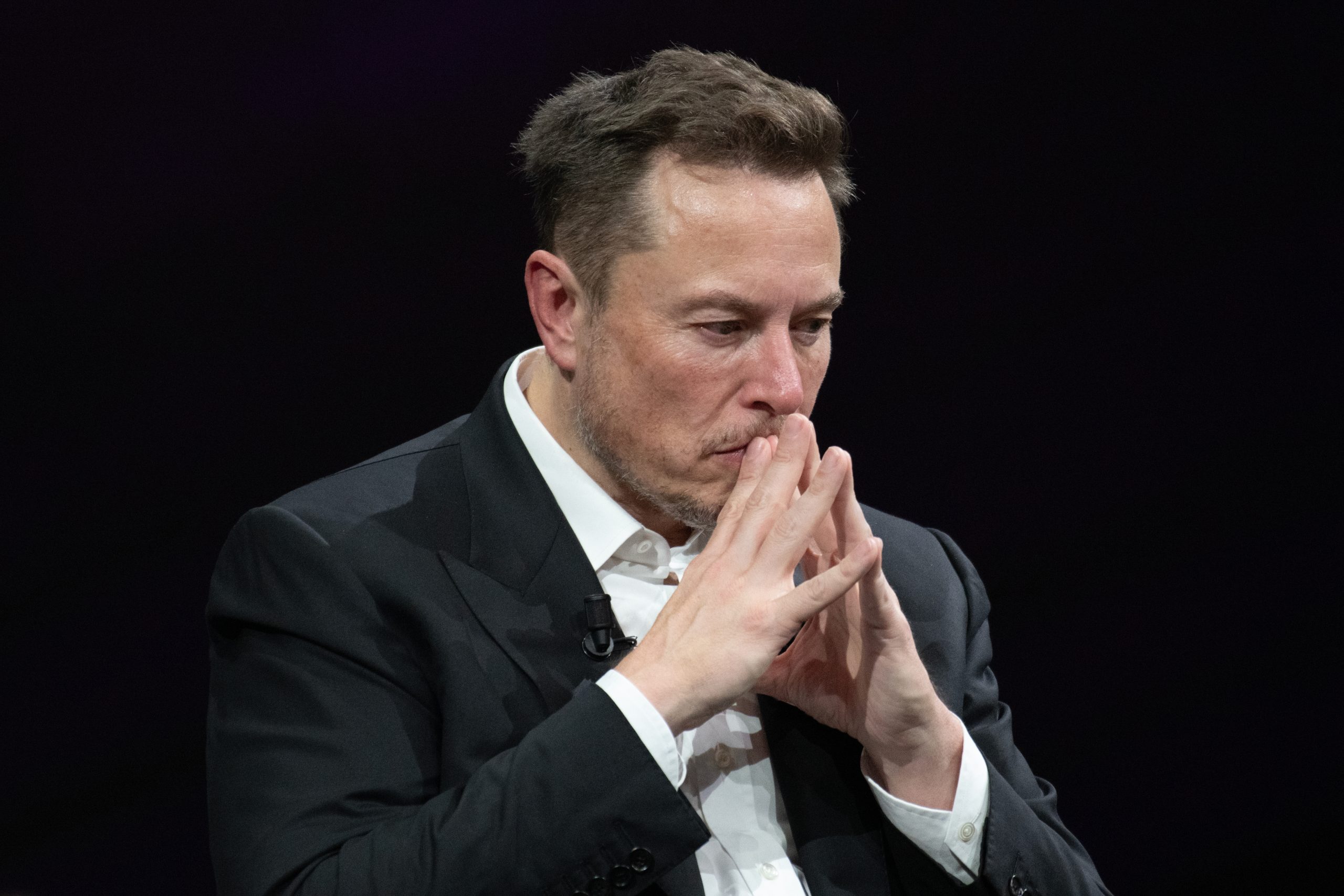
When Elon Musk makes a pronouncement, the digital world listens and often erupts. Known for shaping markets with a single tweet, Musk has once again stepped into a cultural firestorm, this time setting his sights on Netflix. What began as a single repost of a video clip has snowballed into a full-blown boycott campaign, where the billionaire is urging his staggering 226 million followers to cut ties with the streaming service. His reasoning? Protecting children from what he and others have branded as “woke indoctrination” in Netflix’s programming. The call to arms is as much about Musk’s personal convictions as it is about a wider, ongoing cultural clash that stretches far beyond one television show.
Contents
show
The backlash centers on Dead End: Paranormal Park, an animated Netflix series that debuted in 2022 and ran for two seasons before being canceled in 2023. The show broke ground by featuring a transgender teenage protagonist, a bisexual autistic character, and other forms of diverse representation. While this inclusivity drew praise from advocates for LGBTQ+ storytelling, it became fodder for critics who accuse Netflix of targeting children with political messaging. Musk amplified these criticisms on X (formerly Twitter), calling the show “not ok” and framing it as an example of Netflix’s alleged “transgender woke agenda.” Within days, #CancelNetflix began trending, reflecting how one of the world’s most prominent figures can transform a niche complaint into a worldwide movement.
How the Netflix Boycott Took Off
The roots of this boycott go back to one of the internet’s most combative accounts: Libs of TikTok. Known for spotlighting LGBTQ+ and progressive content with the intent of stoking outrage, the account resurfaced a clip from Dead End: Paranormal Park in which the lead character comes out as transgender. Presented with alarmist commentary that the show was marketed to children as young as seven, the clip was quickly weaponized by conservative influencers. Musk, ever eager to throw fuel onto an already burning debate, reshared the post and commented with his blunt condemnation: “This is not ok.”
What followed was a rapid escalation. Musk didn’t stop with a single repost. He began sharing and endorsing dozens of other posts that accused Netflix of indoctrinating children, practicing anti-white hiring bias, and funneling money into Democratic political campaigns. One post Musk supported claimed that Netflix was “actively sexualizing children” under the guise of inclusive storytelling.
He also referenced the platform’s past controversies, including its defense of comedian Dave Chappelle’s specials, which contained jokes about trans people that sparked employee walkouts. By the time Musk declared publicly that he had canceled his own Netflix subscription, the movement had taken on a life of its own.
This digital storm reached a fever pitch when accusations surfaced that the show’s creator, Hamish Steele, had mocked the death of conservative activist Charlie Kirk. While Steele denied celebrating Kirk’s murder, saying his words had been distorted and taken out of context, the narrative was too potent for Musk’s supporters to ignore. For Steele, the fallout was personal and immediate: hateful messages, antisemitic attacks, and harassment across multiple platforms. For Musk, it was another opportunity to frame the situation as a moral crusade against what he perceives as harmful ideology embedded in mainstream entertainment.
Musk’s Personal Connection to the Issue

Musk’s involvement in the Netflix controversy is not a coincidence. His relationship with trans issues has long been fraught and deeply personal. Musk has a 21-year-old transgender daughter, Vivian Wilson, who legally changed her name and gender in 2022. Since then, Musk has publicly lamented what he calls the “loss” of his child to the “woke mind virus.” In interviews, including one with Canadian psychologist Jordan Peterson, he claimed he had been deceived into approving gender-affirming care, describing Vivian as “dead” in the sense that she no longer aligns with the identity he recognized. Vivian, for her part, has rejected her father’s narrative, saying he was largely absent from her upbringing and dismissing his framing as misleading and harmful.
This painful family rift provides an important backdrop to Musk’s fervent stance on trans representation in media. His campaign against Netflix can be seen as both an extension of his broader ideological war against what he calls “wokeness” and a reflection of unresolved personal conflict. Critics argue that his amplification of outrage over shows like Dead End: Paranormal Park is less about children’s well-being and more about Musk working through his own grievances on a global stage. Supporters, however, view his actions as those of a father warning against dangerous cultural shifts, giving his campaign an emotional resonance that purely political boycotts often lack.
What complicates matters further is Musk’s position as not just a cultural commentator, but also a tech mogul with unparalleled reach. His words are not confined to dinner-table debates they ripple through global discourse instantly, shaping narratives and fueling division. That combination of personal pain, political ideology, and billionaire influence makes his Netflix crusade particularly potent, even if the actual material impact remains limited.
The Financial Fallout Is Netflix Really at Risk?
Whenever Musk wades into controversy, the markets take note. His posts have a long history of influencing stock prices, from Tesla to cryptocurrencies. So it was no surprise when Netflix’s shares briefly dipped in the wake of his boycott campaign. On October 1, following his barrage of anti-Netflix posts, the company’s stock slid around 2–5% depending on the trading day. But as analysts were quick to note, Netflix’s fundamentals remain strong, and the company has weathered similar storms before.
As of the fourth quarter of 2024, Netflix boasted more than 300 million subscribers worldwide and a market capitalization near $490 billion. Even if a fraction of Musk’s 226 million followers took his advice and canceled their subscriptions, the overall effect would likely be negligible. Alicia Reese of Wedbush Securities argued that Musk’s comments came too late in the financial quarter to significantly impact Netflix’s reported numbers. Others suggested that such boycotts often inspire counter-movements, with new users signing up specifically to oppose the cultural message of the cancellation drive.
It is also important to recognize that Netflix has shifted its business strategy. The company no longer reports subscriber counts quarterly, focusing instead on revenue and growth in its ad-supported tiers. This change makes it harder to gauge the real impact of short-term boycotts, particularly those fueled by political and cultural outrage. Analysts such as CNBC’s Guy Adami have said that while Musk’s posts may create volatility in the stock price, they are unlikely to justify selling off Netflix shares in the long run. Tim Seymour of Seymour Asset Management went further, arguing that Netflix is too valuable and diversified to be significantly harmed by what he described as “fleeting internet backlash.”
In other words, the financial damage appears minimal for now. What matters more is the narrative. Netflix’s brand is once again entangled in cultural debates about representation, children’s programming, and corporate values. Even if the company emerges financially unscathed, the reputational battle is harder to quantify.
Netflix’s Stance on Representation

If Musk hoped to provoke a fiery response from Netflix executives, he has thus far been met with silence. The company declined to comment on the latest controversy, but its track record offers some clues as to its position. Netflix has consistently defended creative freedom and diversity in its programming, even when doing so has triggered internal unrest or external boycotts.
Back in 2021, after Dave Chappelle’s The Closer drew accusations of transphobia, Netflix co-CEO Ted Sarandos defended the comedian while acknowledging the difficulty of pleasing a global audience with vastly different sensibilities. “It’s impossible to please everybody,” Sarandos said at the time. “But we are trying to please a world that is made of people of different tastes, sensibilities, and beliefs, and it becomes very difficult to do that for everybody.”
Internally, Netflix’s so-called “Culture Memo” emphasizes the importance of representation. “Our members come from many different backgrounds and cultures, and they want to see a wide variety of stories and people on screen,” the memo states. It also acknowledges that some employees may struggle with certain content, bluntly suggesting that if they cannot support the breadth of Netflix’s slate, “Netflix is probably not the best place for you.”
This philosophy has made Netflix a lightning rod in cultural battles. Supporters praise the company for championing inclusive storytelling and providing platforms for underrepresented voices. Critics accuse it of politicizing entertainment and pushing divisive agendas. Musk’s campaign, then, is only the latest albeit one of the loudest attempts to challenge Netflix’s approach to diversity and representation.
A Familiar Pattern of Culture War Boycotts

Musk’s Netflix campaign is part of a broader pattern that has become increasingly common in recent years: the weaponization of consumer choice in cultural debates. In 2020, Netflix weathered a storm over the French film Cuties, which many accused of sexualizing minors. Though the backlash led to a wave of cancellations, the outrage eventually subsided, and Netflix’s growth continued. A more damaging example came in 2023, when Bud Light became the target of a sustained boycott after partnering with transgender influencer Dylan Mulvaney. That campaign led to a measurable decline in sales and brand reputation, marking one of the few times such boycotts achieved lasting financial impact.
But most of the time, these movements flare up quickly and fade just as fast. They generate headlines, social media battles, and temporary market jitters without fundamentally reshaping the company under fire. Analysts have suggested that the Netflix boycott falls into this category a flashpoint in the culture wars rather than a decisive shift in consumer behavior. For Musk, however, victory may not lie in bankrupting Netflix but in keeping the conversation alive and aligning himself with an audience increasingly defined by opposition to “woke culture.”
Supporters see Musk as bravely challenging corporate overreach into sensitive cultural issues. Detractors see him as a hypocrite a self-proclaimed free speech absolutist who eagerly engages in his own form of cancel culture when content conflicts with his worldview. The polarized reactions mirror the broader divisions of our time, where the meaning of free speech, inclusion, and morality is constantly contested in the marketplace of ideas and entertainment.
Celebrity Power in the Age of Social Media

The Netflix saga underscores how dramatically the landscape of cultural influence has shifted in the age of social media. Once, boycotts required organized campaigns, media coverage, and weeks of effort to gain traction. Today, a single figure with a massive online following can trigger a global debate overnight. With 226 million followers, Musk embodies this new power dynamic. His words don’t just echo in tech or financial circles they reshape cultural narratives across industries.
But with great influence comes serious consequences. When Musk amplifies disputed claims or targets individuals like Hamish Steele, the effects extend beyond corporate PR headaches. Ordinary creators can suddenly find themselves at the center of hate campaigns, dealing with harassment and abuse on a scale they could never have anticipated. The power imbalance between a billionaire with a massive platform and an independent artist raises uncomfortable questions about responsibility in the digital age.
At the same time, the spectacle of celebrity-driven boycotts reflects how outrage itself has become a form of entertainment. Audiences tune in to watch the drama unfold, cheering or jeering from their respective sides. The controversy becomes content, feeding the very platforms that enable it. In this way, Musk’s Netflix campaign is less about whether people actually cancel their subscriptions and more about the narrative it generates: a cultural battle that plays out in real time, with billions of eyeballs watching.
What This Says About Our Times
Elon Musk’s call to cancel Netflix is about far more than a streaming service or a single animated show. It’s a window into the volatile intersections of personal pain, political ideology, corporate responsibility, and celebrity influence. Netflix is unlikely to suffer lasting harm, but the episode reveals how easily cultural conflicts can be inflamed in the digital era and how eagerly audiences consume them.
Whether Musk’s boycott ultimately fizzles out or sparks a lasting movement, it underscores the strange reality of our time: outrage has become a commodity, wielded by the powerful and consumed by the masses. In the end, the debate is less about whether families keep or cancel Netflix, and more about what kind of society we are building when the most powerful voices online frame culture itself as a battleground.