
Your cart is currently empty!
Elon Musk’s SpaceX Giveaway Could Make Millions of American Children Shareholders
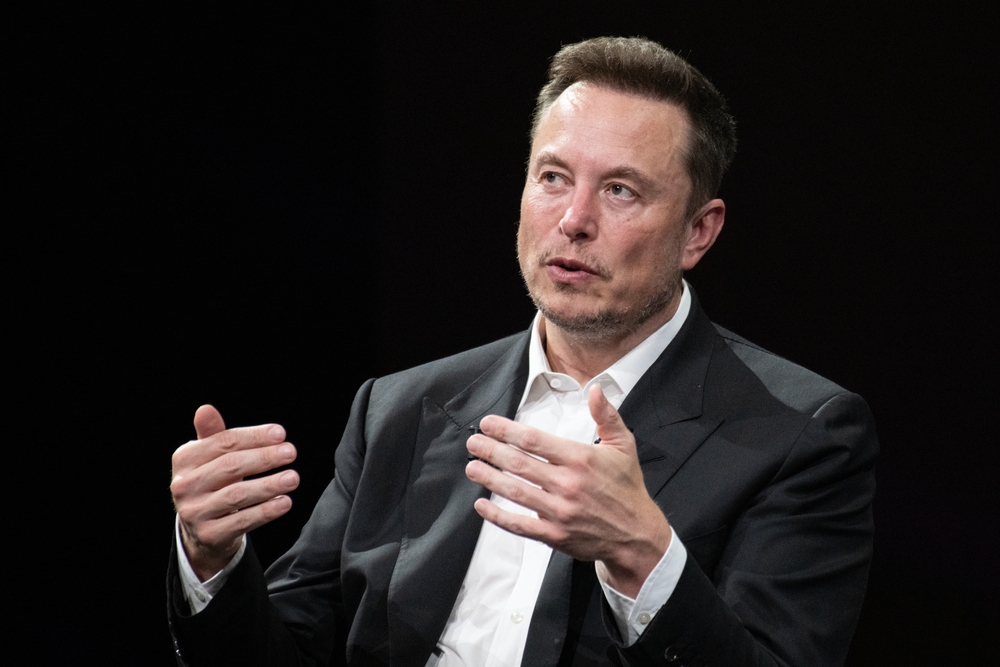
Elon Musk has announced a plan that could put a piece of one of the world’s most powerful space companies into the hands of millions of American children. The billionaire says he intends to give every child in the United States one share of SpaceX stock in 2027, a promise that could involve approximately 73 million young people and an estimated $10.7 billion worth of shares. If the plan goes ahead as described, children across the country could become shareholders in a company responsible for some of the most ambitious space projects on the planet.
Contents
show
But while the announcement has an extraordinary headline figure, plenty of questions remain about how the proposed giveaway would actually work. Musk has not yet explained how children would qualify, how the shares would be transferred, or whether parents and guardians would need to register on their behalf. The pledge comes after artificial intelligence company Anthropic announced plans to commit 5% of its shares to a public benefit fund, prompting Musk to argue that shares should instead go directly to the public. His proposal now puts the spotlight on what could become one of the most unusual stock giveaways ever attempted.
Elon Musk Makes An Extraordinary Promise To America’s Children
Musk revealed his plan on October 19 through a post on X, the social media platform he owns. He wrote, “I will give one of my SpaceX shares to every kid in America,” outlining his intention to begin distributing shares in 2027. He then added, “This will be the first of many.” The announcement immediately raised questions about the scale of the proposal, considering the millions of children who could potentially qualify and the enormous value attached to the shares.
With approximately 73 million children under the age of 18 living in the United States, the proposed giveaway would require a substantial number of shares. At a reported price of around $146 per share on October 19, the total estimated value would reach approximately $10.7 billion. That figure assumes every eligible child receives one share at the same price, although the actual market value could change before the proposed distribution takes place.
Musk has not provided a detailed explanation of how the giveaway would be organized. It remains unclear how eligibility would be established, whether families would need to submit applications, or how the shares would be registered for children who are too young to manage investments themselves. A program of this scale would require practical arrangements covering ownership, transfers, and the administration of shares belonging to minors.
The distinction between making a public promise and completing a financial transfer is important. Musk has stated his intention, but the available information does not establish that a distribution system is already in place. Until the company provides further details and the shares are actually transferred, the proposal remains a pledge rather than a completed giveaway.
The Proposed Giveaway Could Be Worth $10.7 Billion
The estimated financial value is one of the most striking aspects of Musk’s announcement. Using a share price of approximately $146 and an estimated 73 million eligible children, the proposed distribution would represent around $10.7 billion in stock. That is a remarkable figure even for a billionaire whose businesses span spaceflight, electric vehicles, satellite internet, and artificial intelligence.
However, the estimated total does not necessarily mean Musk would need to spend $10.7 billion in cash. Giving away shares he already owns is different from purchasing that amount of stock on the market and then distributing it. The financial implications would depend on the number of shares involved, the company’s ownership arrangements, and the mechanism used to transfer them to recipients.
For an individual child, one share valued at $146 could provide an introduction to investing and company ownership. Rather than receiving a cash payment, each recipient would potentially own a small stake in a business whose value depends on its performance and how investors view its future prospects. If the share price rises, the investment could become more valuable. If it falls, the recipient could lose part of that value.
There is also a practical consideration when children receive financial assets. Younger recipients may need a parent or legal guardian to manage their holdings, depending on the arrangements established for the giveaway. Questions about selling shares, holding them until adulthood, and accessing any eventual proceeds would need to be addressed before families could understand what the proposal means for them.
Anthropic’s Announcement Helped Set The Stage
Musk’s pledge followed a separate announcement from Anthropic, the artificial intelligence company behind the Claude chatbot. Anthropic said it would commit 5% of its shares to a public benefit fund intended to support social causes. The announcement prompted a response from Musk, who argued that distributing shares directly to members of the public would be a better approach.
“I recommend giving the shares directly to the public. This is what I will be doing,” Musk wrote on X. His subsequent announcement about SpaceX appears to reflect that stated preference, although the exact relationship between the two initiatives and their future arrangements remains unclear.
The approaches differ in an important way. Anthropic’s plan involves allocating shares to a fund that would direct money toward public benefit, while Musk has described a proposal that would give shares directly to individual children. One model concentrates resources in an organized fund, while the other would potentially distribute ownership across millions of households.
The timing also comes as technology companies face increased scrutiny over their influence and the wider consequences of their products. SpaceX is known primarily for rockets and satellite services, but Musk’s business interests also include xAI, the artificial intelligence startup behind Grok. The announcement therefore sits within a broader debate about how powerful technology companies and their founders might direct wealth toward the public.
SpaceX Has Become A Major Force In Commercial Spaceflight
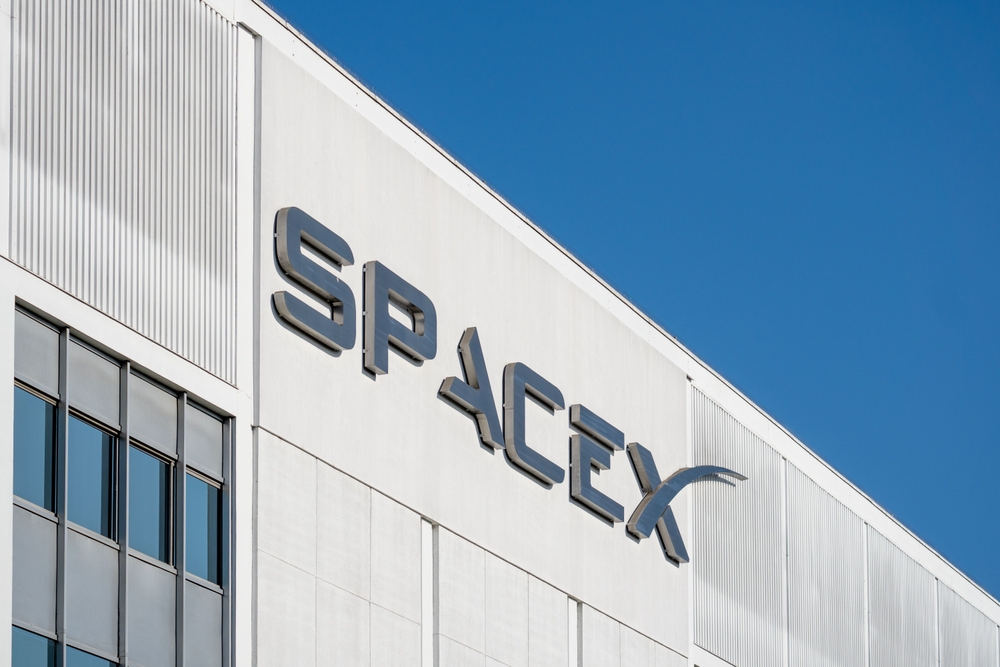
Musk founded SpaceX in 2002 with the goal of developing spacecraft capable of transporting humans on interplanetary missions. The company has since become a major participant in the spaceflight industry, launching satellites and carrying payloads for commercial, civil, and military customers. Its operations have helped change the way organizations access space, particularly through the development and repeated use of rocket systems.

One of its largest businesses is Starlink, a satellite internet service that relies on a network of satellites in low Earth orbit. SpaceX launches satellites for the service while also carrying out missions for outside customers. This combination of launch services and satellite operations gives the company several sources of activity beyond its most visible rocket launches.
SpaceX is also developing Starship, a giant rocket system intended to support future missions beyond Earth. Standing more than 400 feet tall when fully stacked, Starship is being developed with ambitions that include carrying astronauts to the lunar surface as part of NASA’s Artemis program. Its development represents one of the company’s most significant efforts to expand the possibilities of human spaceflight.
Musk has also spoken about his ambition to send humans to Mars and eventually establish self-sustaining settlements there. Those plans remain dependent on major technical and operational challenges, and their eventual success is not guaranteed. For any child who might receive a SpaceX share, the company’s future performance would be one of the factors influencing the value of that ownership stake.
What Families Still Need To Know About The Plan
Despite the attention surrounding the announcement, several essential details remain unanswered. Musk has named 2027 as the intended year for the giveaway, but he has not explained how the distribution would work in practice. Families would need clear information about eligibility, registration, ownership, and any restrictions that could apply to shares held by minors.
- Eligibility: The proposal refers to every child in America, but the exact criteria for qualifying have not been explained.
- Registration: It is not yet clear whether parents or guardians would need to apply or provide documentation.
- Share transfers: No detailed process has been announced for registering and transferring ownership to individual children.
- Investment management: Families still need to understand how shares belonging to younger recipients would be managed.
- Future value: The estimated $146 price per share is not guaranteed to remain the same through 2027.
These details matter because distributing stock is more complicated than sending a cash payment. The organizers would need a reliable way to identify recipients, prevent duplicate claims, and ensure that ownership is properly recorded. The arrangements would also need to explain what happens when a child reaches adulthood or when a family wants to sell the shares.
The scale of the proposed program makes those practical questions particularly important. A distribution involving tens of millions of children would require coordination on a level far beyond an ordinary promotional giveaway. Until SpaceX explains the process, families cannot know whether they would need to take action or simply wait for further announcements.
SpaceX’s Financial Performance Could Influence The Outcome
The proposed giveaway also comes at a significant moment for SpaceX’s finances. The company was preparing to disclose its third-quarter financial results during an earnings call scheduled for October 20, according to the timeline in the supplied material. Those results could provide additional information about its business performance, although they would not, by themselves, establish how the giveaway would be implemented.
The reported share price of around $146 is only a snapshot of the stock’s value at a particular time. Share prices can rise or fall as investors respond to company results, future expectations, market conditions, and developments across the wider economy. A share distributed in 2027 could therefore be worth more or less than the amount used to calculate the proposed $10.7 billion total.
SpaceX’s long-term ambitions could influence how investors assess its future. Its launch operations, Starlink business, and Starship development all form part of the company’s wider commercial picture. Progress in these areas could affect expectations, but technical challenges, costs, delays, and market changes could also influence the company’s prospects.
For recipients, the key point is that a stock giveaway would provide ownership rather than a guaranteed financial return. The value of the shares would depend on what happens after they are distributed. A child receiving one share would not automatically receive $146 in cash, and the eventual outcome would remain tied to the company’s changing market value.
Musk’s Promise Now Faces Its Biggest Test
The idea of giving every American child a SpaceX share is striking because it would spread ownership of a major space company across an enormous number of households. The estimated value of approximately $10.7 billion gives the pledge an extraordinary scale, but the practical details will determine whether it can become reality.
The next major questions concern eligibility, registration, and the actual transfer of shares. Musk has announced an intention to begin the giveaway in 2027, yet the available information does not establish that a complete distribution plan has been published. Until those arrangements are clarified, the proposal should be treated as a promise rather than a guaranteed financial benefit.
If the giveaway proceeds, millions of children could gain an early connection to investing and the commercial space industry. But the announcement alone does not put stock into anyone’s hands. The real test will be whether SpaceX turns Musk’s headline-making pledge into a clearly explained program that families can actually use.