
Your cart is currently empty!
Some Tourists Could Be Required To Share Five Years Of Social Media History Under A Proposed U.S. Entry Plan

A vacation used to hinge on passports, plane tickets, and a few lines of paperwork. Now, U.S. officials are considering a shift that could make a traveler’s digital footprint part of the price of entry. A new proposal would expand what some visa-free visitors must submit before boarding, raising questions that go beyond logistics: what counts as “normal” online behavior, who decides, and how much personal history is too much for a short trip.
Contents
show
What The Proposal Would Require And Who It Would Affect

A new Department of Homeland Security (DHS) proposal would expand the information many short-term visitors must provide before traveling to the United States. It targets travelers from countries in the Visa Waiver Program, about 42 nations whose citizens can currently visit for up to 90 days without a visa, so long as they complete the Electronic System for Travel Authorization (ESTA).
Under the proposed change, ESTA applicants could be required to submit five years of social media history. The notice does not yet spell out exactly what that would include, such as whether travelers would be asked for usernames, links, or other account identifiers, but it frames social media as a new “data element” for screening.
The proposal also outlines additional personal data collection, including email addresses used over the past 10 years, telephone numbers, and expanded family-related details. It also raises the possibility of more technical scrutiny, such as examining IP addresses and metadata associated with electronically submitted photos. Separately, the notice suggests the ESTA system itself could change, including the possibility of shifting from web-based applications to a mobile-only platform.
Importantly, this is not yet a final rule. The proposal was published as part of a federal notice process and is open to public comment for 60 days. U.S. Customs and Border Protection emphasized that this is an early step: “This is not a final rule, it is simply the first step in starting a discussion to have new policy options to keep the American people safe.”
The Security Rationale And How It Fits Into A Broader Border Strategy
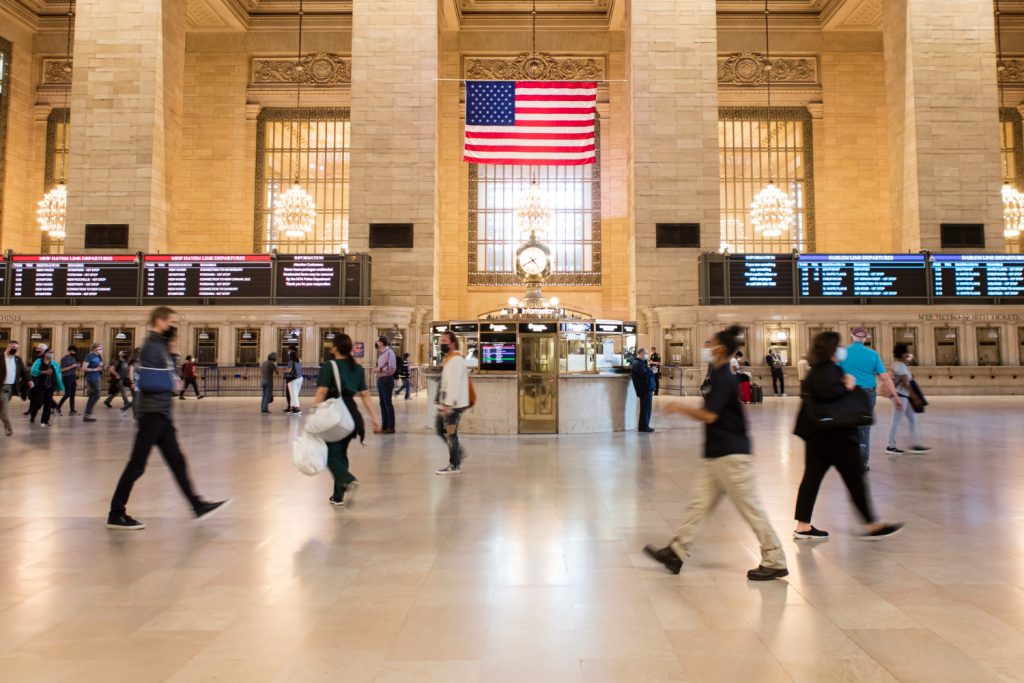
The proposed expansion of ESTA screening is being framed by the administration as a national security measure tied to President Donald Trump’s January executive order, “Protecting the United States From Foreign Terrorists and Other National Security and Public Safety Threats.” U.S. Customs and Border Protection says the intent is to better identify people who may “commit terrorist attacks, threaten our national security, espouse hateful ideology, or otherwise exploit the immigration laws for malevolent purposes.”
Trump has argued the approach is about risk reduction rather than limiting travel. “We just want people to come over here, and safe. We want safety. We want security,” he said this week, adding, “We want to make sure we’re not letting the wrong people come enter our country.”

This proposal also aligns with other recent efforts to widen online vetting beyond traditional visa processing. The State Department has said it will conduct “online presence” reviews for certain visa applicants and their dependents, and that privacy settings on social media profiles must be made “public” for screening. U.S. embassy guidance in Mexico similarly warns that failing to list social media usernames or handles used in the last five years can lead to current or future visa denials.
Supporters inside the administration describe this posture as responsive to public expectations. A senior State Department official said of student visa screening: “It is an expectation from American citizens that their government will make every effort to make our country safer, and that is exactly what the Trump Administration is doing every single day.”
Critics, however, point to the absence of clear thresholds for what online behavior qualifies as a security threat, raising concerns about inconsistent interpretation and expanded surveillance.
Civil Liberties And Practical Concerns For Travelers

Even before implementation details are clarified, the proposed policy has sparked concern among digital rights advocates and immigration experts about how broadly it could be applied. Sophia Cope of the Electronic Frontier Foundation warned the New York Times that expanded social media screening could “exacerbate civil liberties harms,” reflecting worries that increased collection of personal data may chill speech or disproportionately affect certain communities.
Legal experts also emphasize that the bigger issue may not be whether the government can request this information, but how it is interpreted in real-world screening. Marissa Montes, a professor at Loyola Law School and director of the Immigrant Justice Clinic, told NPR, “It’s always been something that the government can ask for and has asked for in the past.” She noted that key operational questions remain unanswered, including whether the information would be submitted in advance through ESTA or requested by an officer at the point of entry.
Montes also underscored the discretion built into immigration enforcement, arguing the lack of clear standards creates risk for travelers. “The problem is that when it comes to immigration policy and directives like this is that it’s very broad and discretionary,” she said, adding that agents may interpret what is “anti-American” in ways that go beyond genuine security threats.
Beyond rights-based concerns, there may be practical consequences. The immigration law firm Fragomen has suggested the added requirements could contribute to longer waits for ESTA approvals, potentially complicating last-minute business trips, family visits, and tightly scheduled vacations. For travelers, the uncertainty is part of the stress: more information requested, fewer clear rules explaining how it will be used.
Potential Effects On Tourism And Major Upcoming Events
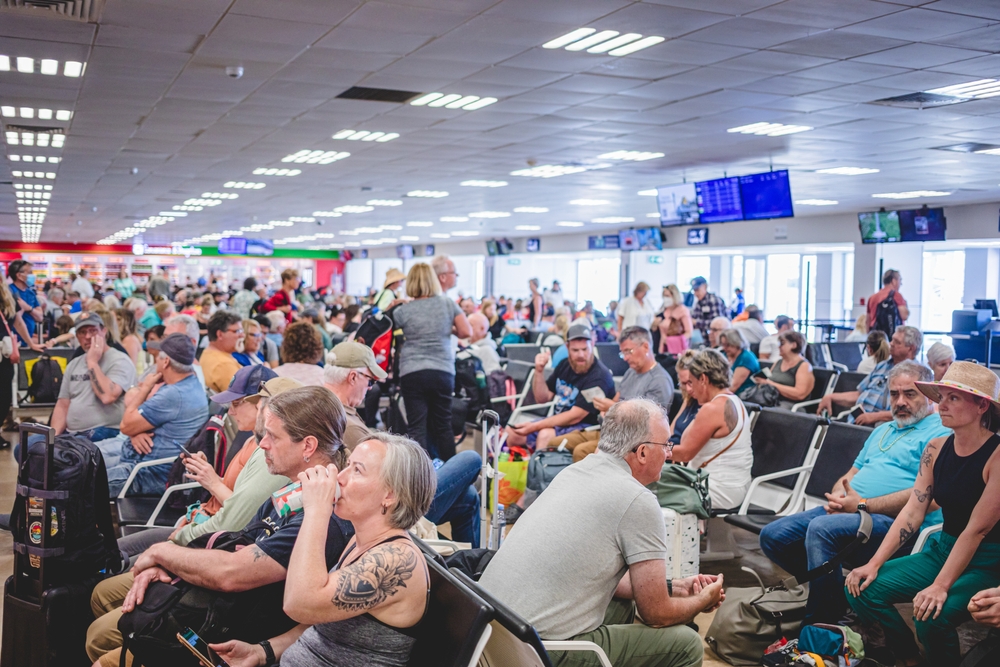
Industry watchers are paying close attention to how added screening requirements might ripple through U.S. tourism, particularly as the country prepares to host high-profile global events. The United States is expected to see a surge of visitors around the men’s FIFA World Cup, which it will host alongside Canada and Mexico, and the 2028 Summer Olympics in Los Angeles. Policies that slow approvals or raise uncertainty could matter more in these peak-travel windows, when fans and families often book on short timelines.
Some analysts have warned the proposal could become an obstacle for otherwise eligible travelers, either because of privacy concerns or because added steps increase friction in a system designed for speed. Immigration law firm Fragomen has suggested the changes could result in longer waits for ESTA approvals, a practical concern for travelers who currently rely on the visa waiver pathway to avoid visa backlogs that can stretch months or longer.
Tourism headwinds are already part of the broader context. The World Travel & Tourism Council said earlier this year that the U.S. was the only one of 184 economies it analyzed that was expected to see a decline in international visitor spending in 2025. Separately, cross-border travel from Canada has shown sustained weakness: October marked the 10th straight month of decline in Canadian travelers to the U.S., amid reports of boycotts tied to tariff disputes. Canadians have historically made up about a quarter of all international visitors and spend more than $20 billion a year in the United States, according to the U.S. Travel Association.
President Trump has downplayed the risk of a tourism drop-off, saying he is “not concerned,” while emphasizing safety and security as the priority.
What Travelers Can Do Now And Why This Debate Matters
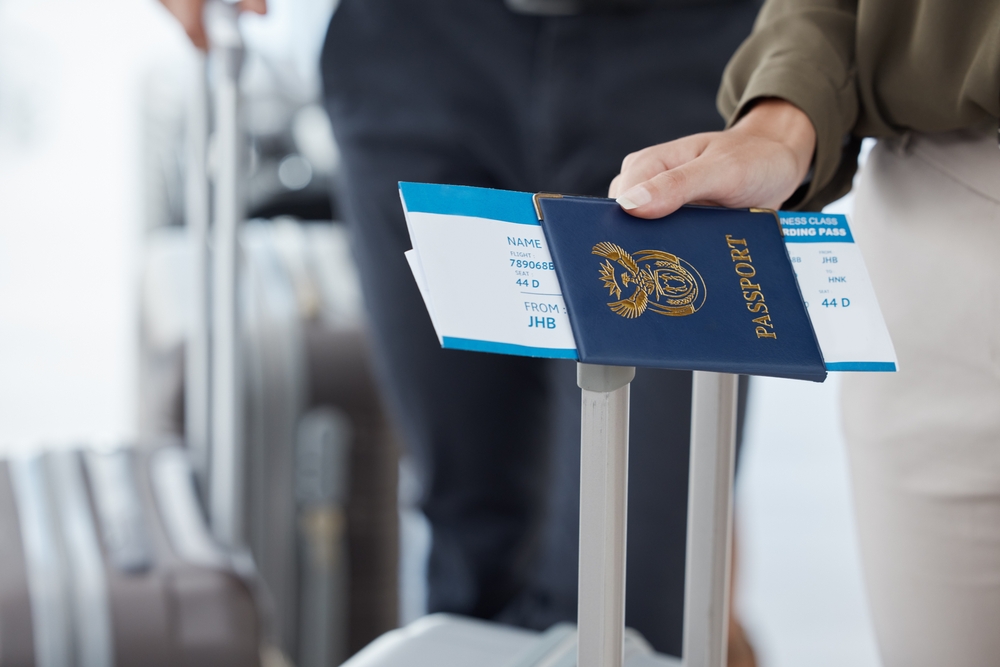
For now, nothing changes at the airport tomorrow. This is still a proposal, with a 60-day public comment period, and Customs and Border Protection has said it is “not a final rule.” But the message is hard to miss: routine travel is being linked more closely to digital life, even though officials have not defined what kinds of posts, follows, or interactions would be treated as a red flag.
The most feasible move is staying practical rather than panicked. Keep an eye on DHS and CBP updates before booking nonrefundable trips, especially if travel plans are time-sensitive. If the rules do take effect, expect that screening could look beyond what someone posts and include what they like or share, something immigration law professor Marissa Montes has warned about in her advice to clients. For people uneasy about privacy and broad discretion, the public comment process is also a concrete place to weigh in. The bigger question is one travelers cannot control on their own: whether the U.S. can strengthen screening without making ordinary online behavior feel like a test people did not agree to take.
Source:
- Agency Information Collection Activities; revision; Arrival and Departure Record (Form I-94) and Electronic System for Travel Authorization (ESTA). (2025, December 10). Federal Register. https://www.federalregister.gov/documents/2025/12/10/2025-22461/agency-information-collection-activities-revision-arrival-and-departure-record-form-i-94-and#for-further-information-contact