
Your cart is currently empty!
Experts Are Desperately Telling People to Stay Away From This Virus-Infested Cave
Curiosity has always pushed people toward the unknown, even when the risks are clearly spelled out. There is something about forbidden places that makes them feel irresistible, as if the danger itself becomes part of the attraction. But in some cases, that instinct to explore does not just put an individual at risk. It opens the door to something much larger, something that can spiral beyond control before anyone fully understands what has begun.
Contents
show
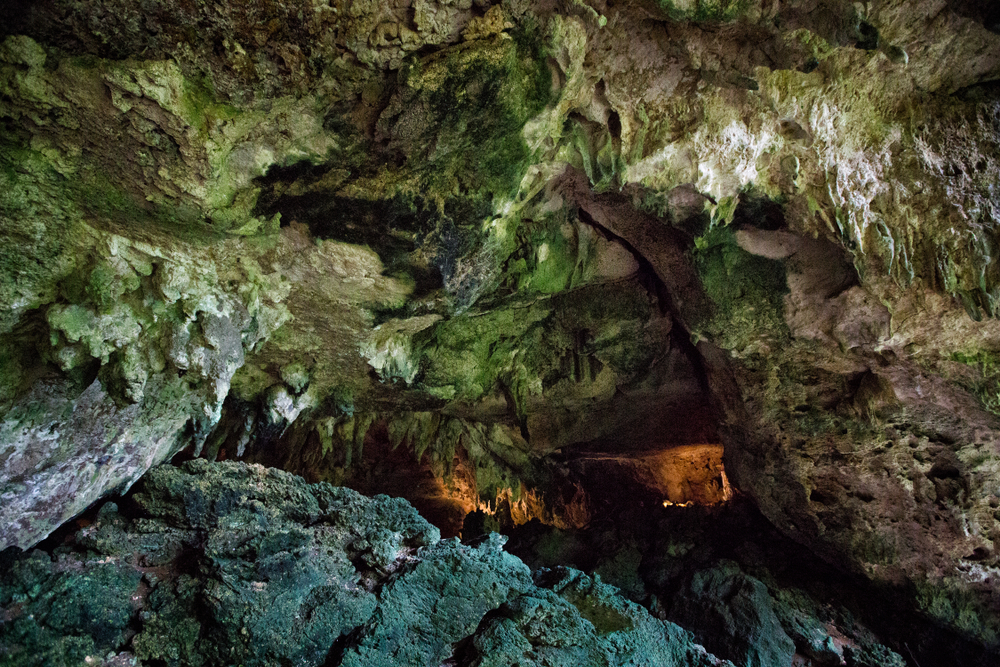
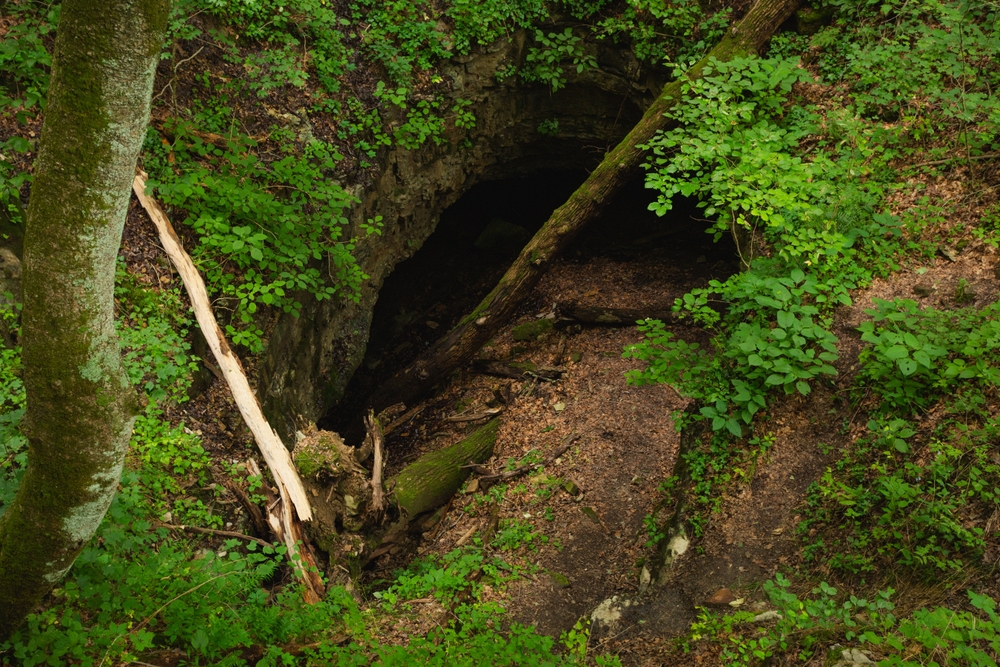
Deep inside Uganda’s Queen Elizabeth National Park lies a place that scientists are now openly warning people to avoid at all costs. Python Cave is not just another natural attraction. It is a known hotspot for one of the deadliest viruses on Earth, and despite repeated warnings, people continue to walk right up to it and even step inside. The concern is no longer hypothetical. Researchers are now documenting behavior that could realistically trigger a dangerous chain of events.
The Cave That Should Terrify Everyone
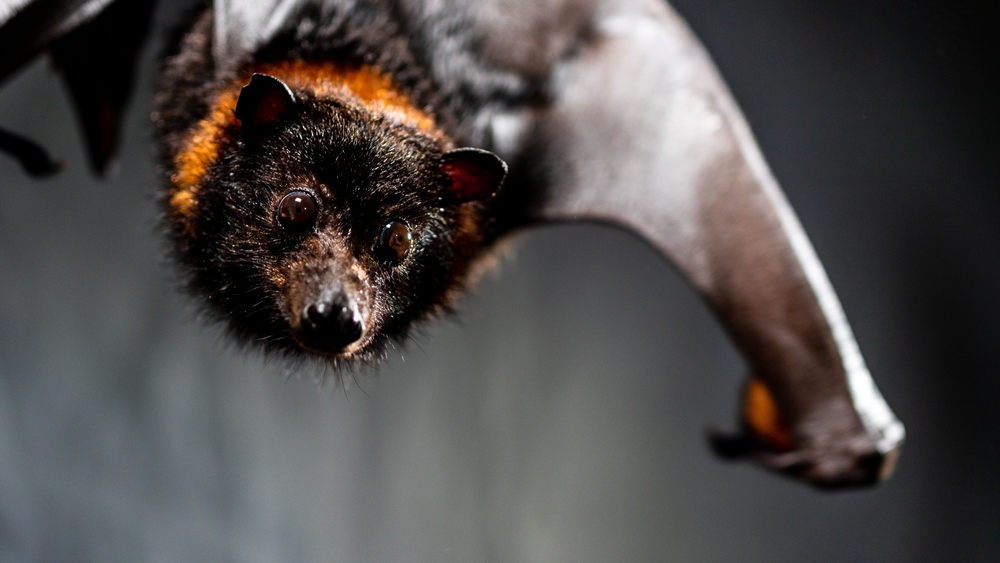
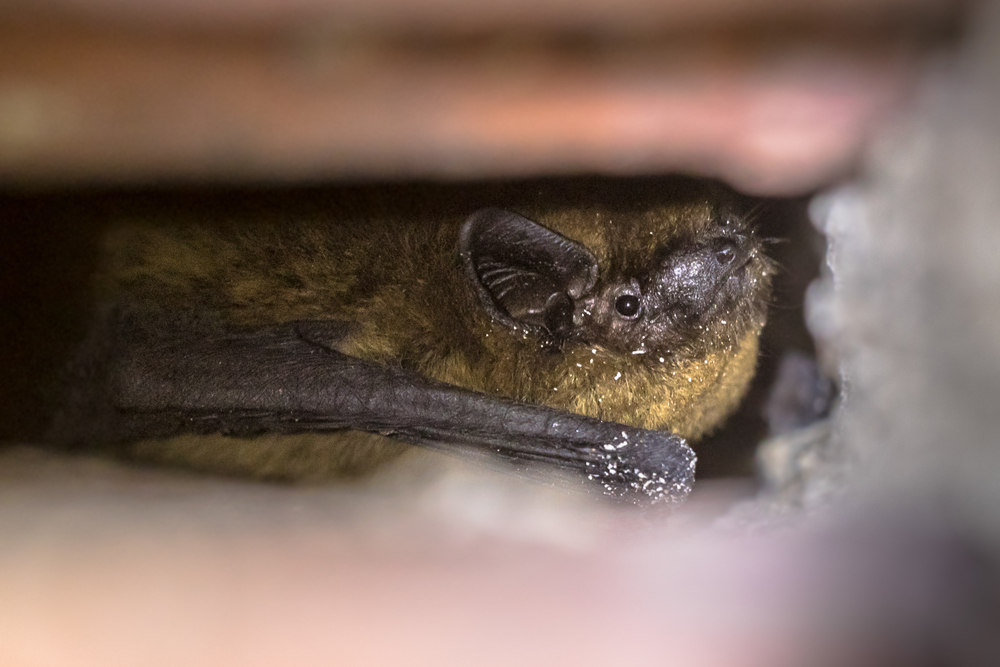
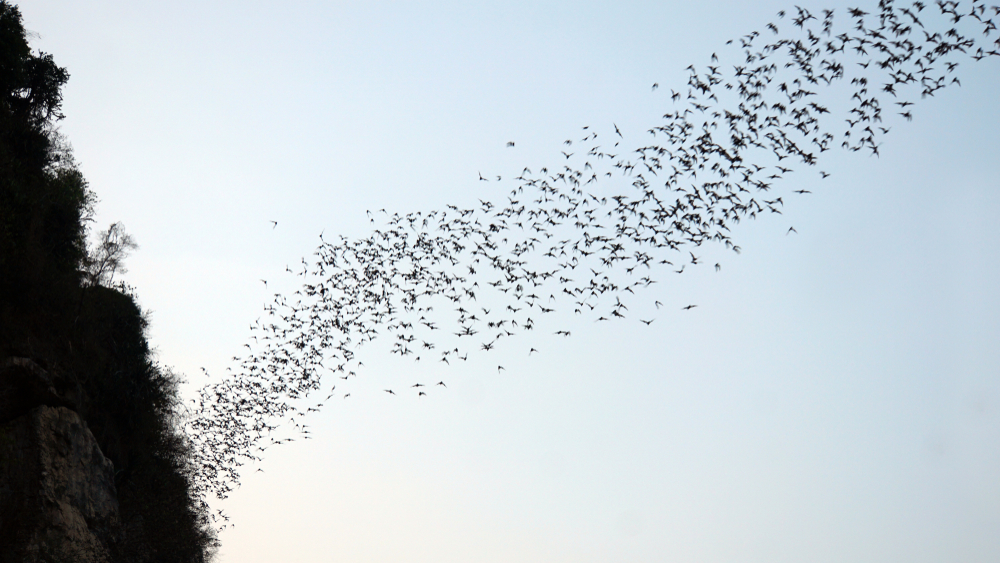
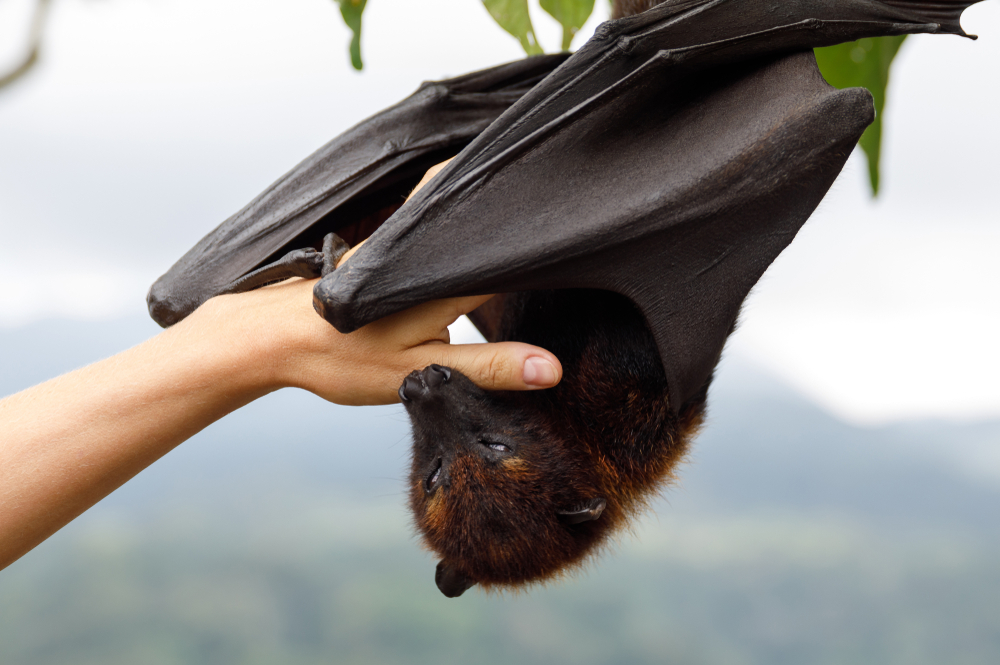
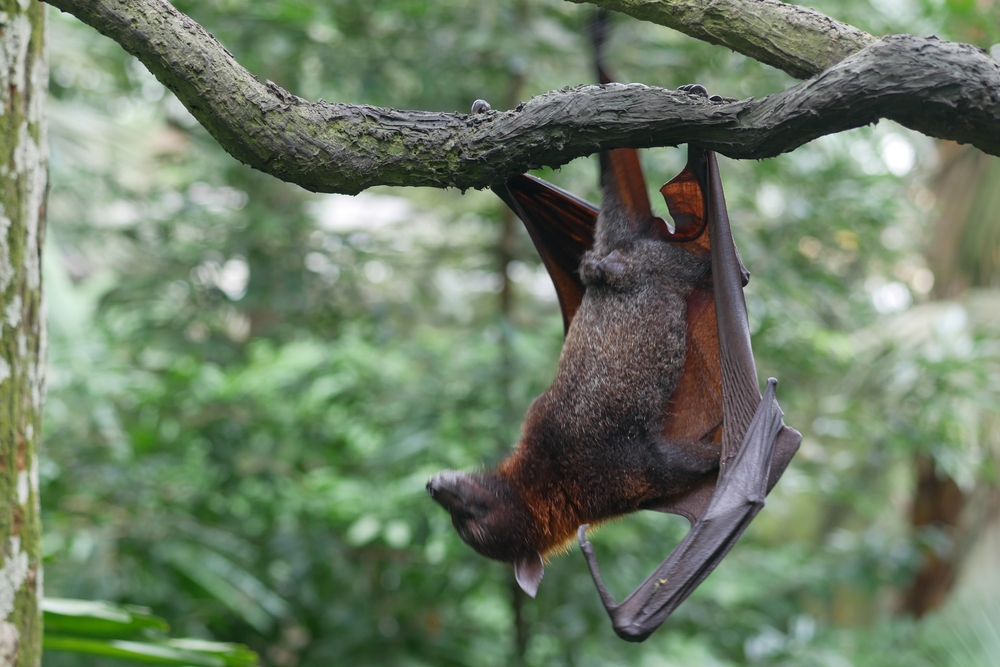
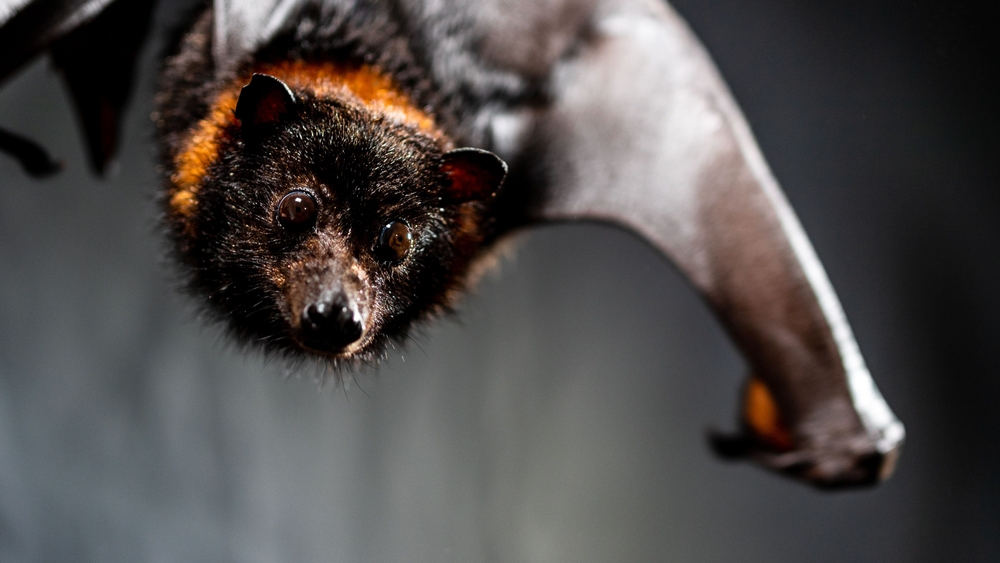
Python Cave may look like an ordinary geological formation, but what exists inside it is anything but ordinary. The cave is home to large colonies of Egyptian fruit bats, a species that naturally carries the Marburg virus. These bats do not show symptoms, which makes them even more dangerous because they quietly maintain and spread the virus without any visible warning signs.
Marburg is closely related to Ebola, and its impact on the human body is just as severe, if not worse in some outbreaks. According to global health authorities, the fatality rate can reach as high as 90 percent. There is currently no approved vaccine and no widely effective treatment, which means prevention is the only real defense.
Researchers studying the cave described it as a critical reservoir for the virus, emphasizing how dangerous close contact can be. The situation becomes even more alarming when humans enter that environment without protection, essentially placing themselves directly in the path of a lethal pathogen.

What the “Bleeding Eye” Virus Actually Does
The Marburg virus has earned a chilling nickname due to the way it affects the human body. Early symptoms can seem mild and misleading, often starting with fever, headaches, and muscle pain. This early stage can easily be mistaken for common illnesses, which allows the virus to progress unnoticed.
As the infection develops, the symptoms become much more severe. Patients can experience vomiting, diarrhea, and intense weakness. Eventually, the disease progresses into hemorrhagic stages, where bleeding can occur from multiple areas of the body including the eyes, nose, and mouth.
This is why it has been referred to as the “bleeding eye” virus. The progression is rapid and devastating, often leading to organ failure within days. Without effective treatment options, the outcome in severe cases is frequently fatal.
Scientists Set Up Cameras and Made a Disturbing Discovery
Researchers initially placed camera traps around Python Cave to study wildlife behavior, particularly how predators interact with bat populations. Over time, the cameras recorded more than 300 animal encounters across at least 14 species, including leopards, monkeys, birds, and reptiles.
These interactions alone were significant because they showed how the virus could potentially move between species. The study noted that predators entering the cave to feed on bats could act as intermediate hosts, creating additional pathways for transmission.
However, the most alarming discovery was not about animals at all. It was about people. The cameras revealed that humans were frequently approaching and entering the cave, often ignoring safety guidelines entirely.
Hundreds of People Ignoring Clear Warnings
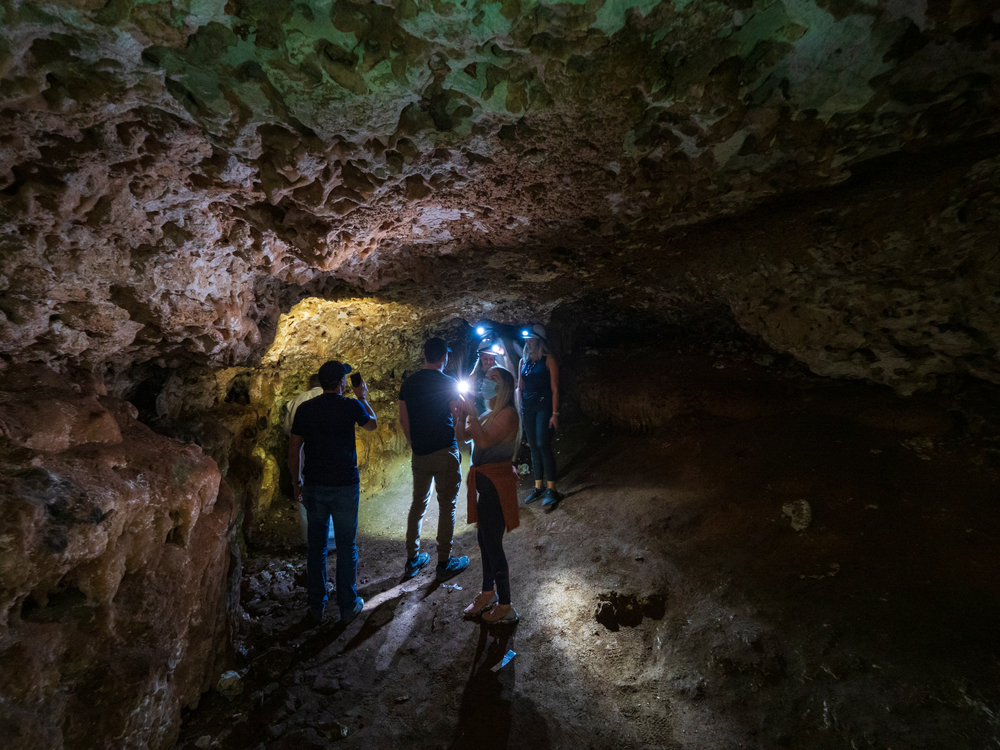
The research documented a total of 214 human encounters near the cave. This included tourists, students, trainees, and even researchers. Many of them came dangerously close to the cave entrance, and some went inside.
The study explicitly stated, “Camera traps recorded 214 individual humans (school groups, researchers, and tourists across 22 events).” It further noted that “Only one person wore a mask (a tourist) and many came within meters of the cave mouth — violating park rules and bypassing a designated observation platform located ∼30 meters from the cave.”
Another critical warning from the researchers was clear and direct: “This represents a significant opportunity for human exposure at this known Marburg-virus bat reservoir.” Despite this, the behavior continued, highlighting a troubling gap between awareness and action.
A Perfect Scenario for a Spillover Event
Scientists often describe outbreaks like this as spillover events, where a virus jumps from animals to humans. Python Cave presents nearly every condition required for such an event to occur.
The bats act as a constant source of the virus. Other animals interact with them, creating potential intermediate hosts. Then humans enter the same environment without protection, increasing the likelihood of exposure.
Study author Alexander Braczkowski explained the broader significance, stating that the research “could be critical in helping us understand how a virus might jump from one species — in this case Egyptian fruit bat — to an intermediate host like a blue monkey or leopard.” This chain does not have to stop there. Humans can become part of it.
Real Cases Show This Risk Is Not Theoretical
There have already been confirmed cases linked to visits to Python Cave. In 2008, a Dutch tourist died after contracting the virus following a visit. Another case involved a traveler from Colorado who became infected after exposure in the same location.
In that instance, the individual did not report direct contact with bats. Instead, they had touched surfaces contaminated with bat droppings and later touched their face. This highlights how easily transmission can occur, even without obvious interaction.
The absence of recent cases does not mean the danger has disappeared. It simply means the conditions for an outbreak have not yet aligned in a way that triggers a larger spread.
Why People Keep Taking The Risk
Despite clear warnings and documented cases, people continue to visit the cave. Part of the reason lies in how humans perceive risk. Visible dangers often trigger caution, but invisible threats like viruses are easier to dismiss.
Group behavior also plays a role. When people visit in groups such as school trips or guided tours, the perceived risk often decreases. Individuals may assume that if others are doing it, it must be safe.
There is also a lack of understanding about how severe Marburg actually is. Without widespread awareness, the cave may seem like just another stop on a travel itinerary rather than a high risk biological environment.
Scientists Are Calling For Immediate Action
Following their findings, researchers have urged authorities to implement stricter safety measures. They recommended “stricter regulation” to reduce the risk of exposure and prevent potential outbreaks.
Additional recommendations included mandates for protective gear, enforcing safe distances, and using trained local guides to monitor visitor behavior. These steps are designed to reduce unnecessary contact and improve awareness among visitors.
The researchers also emphasized the importance of education and surveillance, noting that early detection and prevention are critical in stopping a potential outbreak before it spreads.
A Larger Warning About Human Interaction With Nature
The situation at Python Cave reflects a broader issue in how humans interact with natural environments. As travel becomes more accessible, people are increasingly entering ecosystems that contain unfamiliar and potentially dangerous pathogens.
Many major diseases in recent history have originated from animal to human transmission. The conditions seen in this cave are not unique, but they are particularly concentrated and visible, making it a clear example of how these events can begin.
It serves as a reminder that human activity can unintentionally create pathways for viruses to spread, especially when caution is ignored.
Respect the Warning
Python Cave is not just a scientific concern. It is a real world warning about what can happen when known risks are overlooked. The fact that people continue to approach and enter the cave despite clear evidence of danger highlights a critical gap between knowledge and behavior.
Avoiding such risks does not require advanced technology or complex solutions. It simply requires people to respect boundaries and take warnings seriously. In this case, staying away from the cave could be the difference between preventing an outbreak and unknowingly starting one.
The situation remains under control for now, but it depends heavily on human choices. One careless moment in the wrong place could have consequences far beyond a single individual.
Sources:
- Braczkowski, A., et al. (2026). Human and wildlife interactions at a Marburg virus reservoir in Uganda’s Python Cave. Current Biology. https://www.cell.com/current-biology/fulltext/S0960-9822(26)00230-7
- World Health Organization: WHO. (2025, January 20). Marburg virus disease. https://www.who.int/news-room/fact-sheets/detail/marburg-virus-disease
- Centers for Disease Control and Prevention. (n.d.). Marburg virus disease. Retrieved April 27, 2026, from https://www.cdc.gov/vhf/marburg/index.html
bat cave virus, bleeding eye virus, dangerous travel locations, deadly virus warning, Ebola-like virus, Egyptian fruit bats, global health threat, human wildlife interaction, infectious diseases, Marburg virus, Pandemic Risk, public health alert, scientists warning, Uganda Python Cave, virus hotspot, virus outbreak risk, virus spillover, wildlife disease transmission, Zoonotic Diseases