
Your cart is currently empty!
Explorers Squeezed Through A Tiny Gap In A Mexican Cave And Found Something Hidden For 500 Years
Two explorers thought they had stumbled across a pile of rubbish deep inside a remote Mexican cave. But what initially looked like discarded trash turned out to be a collection of ancient artifacts that could reveal the secrets of a little-known civilization. The objects had been hidden underground for centuries, and their unusual arrangement has left archaeologists investigating whether the cave was once used for fertility rituals.
Contents
show
The discovery happened after speleologist Katiya Pavlova and local guide Adrián Beltrán Dimas squeezed through a flooded passage with barely six inches of breathing space. What they discovered beyond that terrifying section included shell bracelets, decorated objects and mysterious stone disks. Some of the artifacts even featured symbols associated with the planet Venus and an ancient creator god.
Explorers Risked A Tight Underwater Passage To Enter The Cave
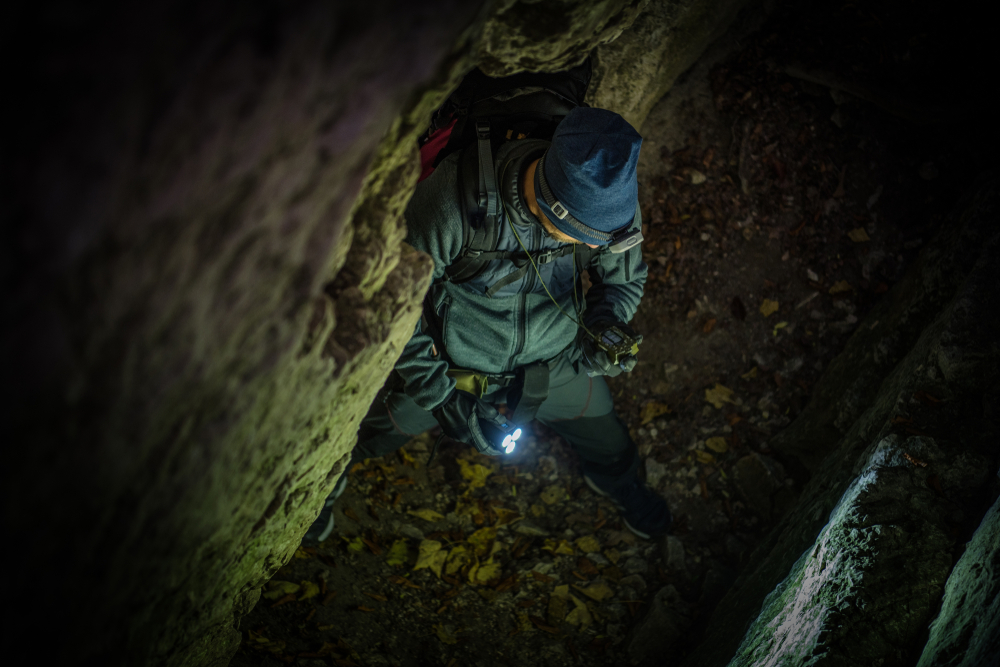
The discovery took place in September 2023, when Pavlova and Beltrán ventured into Tlayócoc cave in Mexico’s Guerrero state. Located approximately 7,800 feet (2,380 meters) above sea level, the cave is known locally as a source of water and bat guano. Its name translates to “Cave of Badgers” in the Indigenous Nahuatl language. Although the location was familiar to people in the surrounding region, its deeper passages appeared to have remained unexplored for centuries.
Approximately 500 feet (150 meters) into the cave, the explorers encountered a particularly challenging section. The ceiling dropped so low that they had to move through flooded water with only six inches (15 centimeters) separating the surface from the rock above. Passing through required careful movement and holding their breath. The narrow opening was intimidating, especially for Beltrán, who was reportedly frightened by the conditions.
Pavlova described the moment they realized the cave continued beyond the difficult passage. “I looked in, and it seemed like the cave continued. You had to hold your breath and dive a little to get through,” she said in a translated statement. She decided to enter first to demonstrate that the passage was manageable. “Adrián was scared, but the water was deep enough, and I went through first to show him it wasn’t that difficult,” she explained.
The explorers eventually made it through and continued examining their surroundings. Their expedition may have marked the first time anyone had entered the cave in approximately 500 years. They could hardly have expected that their difficult journey would lead to an archaeological discovery that offered clues about the religious practices of people who lived in the region centuries earlier.
What Looked Like Abandoned Rubbish Was Actually Ancient Treasure
While taking a break inside the cave, Pavlova and Beltrán noticed several objects that initially appeared to be modern rubbish. A closer inspection revealed that they were much older and potentially connected to ancient ceremonial practices. The pair discovered 14 artifacts in total, including several shell objects and stone pieces. Their unusual placement immediately raised questions about why someone had left them so deep inside the cave.
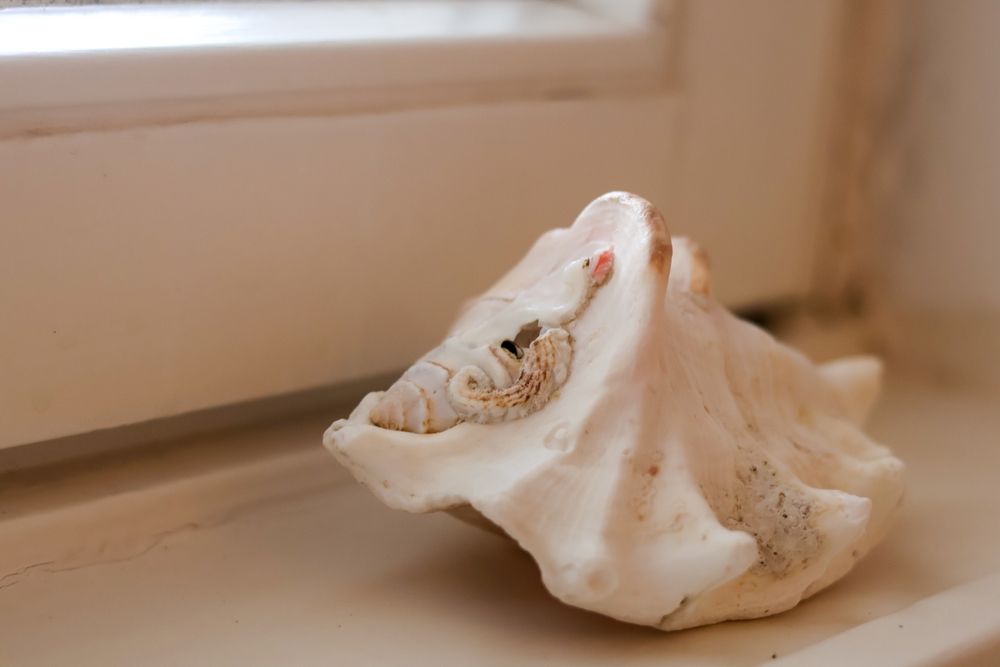
The collection contained four shell bracelets, a large decorated snail shell belonging to the genus Strombus, two complete stone disks, six fragments of additional disks and a piece of carbonized wood. Some of the bracelets featured carved decorations, suggesting that considerable attention had gone into their appearance. The objects were particularly interesting because they had survived in a location that had apparently remained undisturbed for generations.
Recognizing the possible historical significance of what they had found, the explorers contacted Mexico’s National Institute of Anthropology and History, known as INAH. The institution subsequently sent archaeologists to recover the artifacts in March. Their examination revealed another unusual detail: the bracelets had been looped over small, rounded stalagmites rather than simply scattered across the cave floor.
That arrangement became one of the most important clues behind the discovery. Archaeologists noted that the stalagmites had phallic connotations, raising the possibility that the bracelets were deliberately positioned as part of fertility-related ceremonies. The objects therefore offered more than a glimpse of ancient craftsmanship. Their placement could reveal something about the spiritual significance people once attached to the underground environment.
Archaeologists Believe The Cave May Have Hosted Fertility Rituals
The arrangement of the shell bracelets has led archaeologists to suggest that Tlayócoc may have been used for fertility rituals. The rounded stalagmites around which the objects were placed were described as having “phallic connotations.” This interpretation suggests that the cave could have served a ceremonial purpose connected to reproduction, fertility or creation. However, researchers have not established exactly what rituals took place or how the artifacts were used.
Miguel Pérez Negrete, an archaeologist involved in the investigation, explained that caves held particular significance for pre-Hispanic societies. “For pre-Hispanic cultures, caves were sacred places associated with the underworld and considered the womb of the Earth,” he said. This belief provides an important cultural context for understanding why people might have chosen a deep underground location for ceremonial activities.
The connection between caves and the Earth’s womb could help explain why a location like Tlayócoc held religious importance. Underground spaces were associated with the underworld and could also carry symbolic connections to fertility and creation. The bracelets’ unusual placement may have reflected those beliefs, although their exact meaning remains open to interpretation.
The possibility of fertility ceremonies makes the discovery particularly interesting because the objects were found together in a seemingly deliberate arrangement. Archaeologists now have physical evidence that could help them investigate how ancient inhabitants of the region expressed their religious beliefs. The cave may have been far more significant to its original visitors than its present-day use as a source of water and bat guano would suggest.
Mysterious Carvings Could Be Connected To Ancient Gods
Three of the shell bracelets contain incised decorations that could provide further clues about the people who created them. These markings include an S-shaped symbol known as “xonecuilli,” which is associated with the planet Venus and the measurement of time. Its appearance on one of the objects suggests that the bracelets may have carried symbolic meaning beyond their possible ceremonial function.
The connection with Venus adds another intriguing detail to the discovery. The symbol links the artifacts to a wider system of Mesoamerican beliefs involving celestial bodies and the measurement of time. Although researchers have not established precisely why the symbol was carved into the bracelet, its presence offers another avenue for understanding the culture responsible for the objects.
Another decoration features the profile of a human-like figure. Pérez suggested that it could represent Quetzalcoatl, a creator god associated with pre-Hispanic Mesoamerican traditions. The identification remains tentative, but it raises the possibility that the bracelets incorporated religious imagery. If the interpretation is correct, the objects could help researchers understand the relationship between ceremonial practices and the deities worshipped by people in the region.
Together, the carvings provide a fascinating glimpse into the symbolic world of the people who may have used the cave. The combination of celestial symbolism and a possible representation of a creator god makes the bracelets particularly valuable. Their decorations could help researchers investigate the beliefs and traditions associated with the mysterious objects.
Artifacts May Belong To A Little-Known Mesoamerican Culture
Pérez dated the artifacts to the Postclassic period of Mesoamerican history, which lasted from approximately A.D. 950 to 1521. This places the objects within a significant period of the region’s history, spanning centuries before the arrival of the Spanish. Their age also supports the possibility that the cave had been used for ceremonial activities long before the explorers entered it in 2023.
The archaeologist suggested that the artifacts may have been created by members of the Tlacotepehua culture, a little-known group that inhabited the region. This proposed connection is particularly interesting because the discovery could provide additional material for understanding a community that has received relatively little attention. The combination of shell ornaments, carved symbols and stone objects may help researchers investigate its cultural practices.
However, the identification remains a possibility rather than a confirmed fact. The artifacts have been dated to the Postclassic period, but establishing exactly who made them requires careful interpretation. Their decorations and arrangement may offer useful clues, although researchers must consider the available archaeological evidence before reaching firm conclusions.
The discovery gives archaeologists an opportunity to study objects that could be connected to the religious traditions of people who lived in Guerrero centuries ago. If the Tlacotepehua attribution is supported by further examination, the collection could become an important source of information about the group’s material culture and ceremonial practices.
Stable Cave Conditions May Explain How The Objects Survived
Ancient artifacts often deteriorate when exposed to changing environmental conditions. Yet the objects inside Tlayócoc appear to have survived for centuries despite being located in a flooded underground environment. Their preservation raises questions about what protected the materials and allowed them to remain intact for so long.
Pérez offered a possible explanation based on the cave’s relatively stable humidity. “It’s very likely that, because they were found in a close environment where humidity is fairly stable, the objects were able to survive for so many centuries,” he said. Conditions inside the cave may have helped protect the artifacts from environmental changes that could otherwise have damaged them.
Their isolated location may also explain why the collection remained hidden for so long. The explorers’ difficult journey through the narrow flooded passage demonstrated how challenging it was to reach the area. If the cave had remained largely undisturbed for approximately five centuries, the artifacts may have escaped the damage and displacement that can affect objects exposed to repeated human activity.
The recovery operation in March allowed archaeologists to remove the objects from the cave for examination. Their survival offers researchers an opportunity to study ancient decorations and materials that might otherwise have been lost. It also demonstrates how caves can preserve archaeological evidence in places that are difficult for modern explorers to access.
The Discovery Leaves Several Archaeological Mysteries Unanswered
Although the 14 artifacts have provided important clues, their discovery has also raised several questions. Archaeologists have suggested that fertility rituals may explain the bracelets’ arrangement, but the precise purpose of the objects remains uncertain. Researchers also have to investigate whether the proposed Tlacotepehua connection can be established through further examination.
Several details make the collection particularly interesting:
- The shell bracelets: Their placement around rounded stalagmites may indicate ceremonial use connected to fertility.
- The xonecuilli symbol: Its association with Venus and time could provide clues about the beliefs represented in the carvings.
- The possible Quetzalcoatl figure: The human-like profile may represent a creator god, although the identification remains tentative.
- The stone disks: Their original purpose is still unclear, leaving another part of the collection to investigate.
- The cave’s location: Its association with the underworld and the Earth’s womb could help explain its possible ceremonial importance.
The objects also raise questions about who brought them into the cave and why they were arranged in that particular location. Their connection to the Postclassic period provides a historical starting point, while the proposed Tlacotepehua attribution offers a possible cultural explanation. However, the available evidence does not establish the identity of every person involved or the precise ceremonies that may have taken place.
For now, Tlayócoc has provided archaeologists with an unusual collection of objects that could reveal more about ancient beliefs in the Mexican region of Guerrero. The bracelets and their mysterious decorations may hold answers about practices that disappeared centuries ago, while the cave itself offers a rare glimpse into a world hidden beneath the mountains.
What makes the discovery especially striking is that the artifacts were mistaken for rubbish before their historical significance became clear. A collection that could easily have been overlooked may now help researchers piece together the beliefs of a culture that left remarkably little behind.