
Your cart is currently empty!
Faint Knock From Inside Coffin Stops Cremation Seconds Before It Begins

Staff at a Buddhist temple outside Bangkok prepared for what seemed like a routine Sunday cremation service. A brother had arrived with his 65-year-old sister, her body resting in a white coffin in the back of a pickup truck after a 300-mile journey from northern Thailand. But as temple manager Pairat Soodthoop began explaining paperwork requirements, an unexpected sound stopped everyone cold.
Contents
show
Something was moving inside the coffin.
What happened next at Wat Rat Prakhong Tham would shock temple workers and medical professionals alike, raising questions about how someone could appear dead for days yet remain alive. Even more puzzling was the sequence of events that brought the woman to a crematorium rather than a hospital, and what her survival reveals about the fine line between life and death that even trained observers can mistake.
When Paperwork Saves Lives
Mongkol Sakulkoo made the grueling drive from Phitsanulok province to Bangkok with his sister Chonthirat in a coffin beside him. She had been bedridden for roughly two years, her health declining steadily. Two days before the journey, she became unresponsive and appeared to stop breathing. Without waiting for medical confirmation, her brother placed her in a coffin and began the journey south.
His destination was not a morgue or funeral home, but a Bangkok hospital where Chonthirat had previously expressed her wish to donate her organs. When he arrived with the coffin, hospital staff turned him away. Without an official death certificate, they could not accept the body or facilitate organ donation.
Facing this bureaucratic roadblock, Mongkol redirected to Wat Rat Prakhong Tham, which offers free cremation services to families in need. He arrived on Sunday, hoping to fulfill at least part of his sister’s final arrangements. Once again, the staff refused to proceed without proper documentation.
Pairat began walking Mongkol through the process of obtaining a death certificate when they heard it. A faint knock echoed from inside the coffin.
“I was a bit surprised, so I asked them to open the coffin, and everyone was startled,” Pairat told The Associated Press.
Movement That Defied Belief

When temple workers lifted the coffin lid, they found Chonthirat moving. Her arms shifted slowly. Her head turned. Her eyes opened partway, and she continued knocking against the side of the coffin wall. Temple staff stood frozen, trying to process what they were witnessing.
Pairat later observed that she “must have been knocking for quite some time.” How long had she been conscious inside that sealed box? How many miles of the 300-mile journey had she spent aware of her surroundings, trapped and unable to make herself heard over road noise?
Workers at Wat Rat Prakhong Tham recorded a video of the moment, posting it to the temple’s Facebook page. In the footage, Chonthirat lies in the white coffin, her movements weak but unmistakable. Staff quickly assessed her condition and called for transport to Bang Yai Hospital.
At the hospital, doctors made a diagnosis that explained her death-like state. Chonthirat was suffering from severe hypoglycemia, or critically low blood sugar. Medical staff confirmed she had not experienced cardiac failure. She had not experienced respiratory failure. Her body had simply shut down to dangerous levels, creating an appearance of death convincing enough to fool her own family.
Medical Mystery of the Living Dead
Hypoglycemia occurs when blood sugar drops below normal levels, typically below 70 milligrams per deciliter. In severe cases, blood sugar can plummet low enough to cause unconsciousness, seizures, and a state that mimics death. Breathing becomes so shallow that it appears absent. Pulse grows so faint it cannot be detected without proper equipment. Body temperature drops.
For someone already weakened by two years of being bedridden, the condition would have been even more dangerous and harder to distinguish from actual death. Without medical training or equipment, family members observing Chonthirat would have seen what appeared to be a body that had stopped functioning.
Yet the lack of any medical professional declaring her dead raises troubling questions. According to reports, local officials told Mongkol his sister had died. But who examined her? What assessment was performed? How did an apparent death determination happen without the official death certificate that later prevented both organ donation and immediate cremation?
Doctors treated Chonthirat at Bang Yai Hospital and stabilized her blood sugar levels. She was released back into her brother’s care. Pairat confirmed that the temple’s abbot agreed to cover all medical expenses related to her treatment, a gesture that seems particularly gracious given the circumstances.
Brother’s Response Stuns Observers

Perhaps the most unsettling detail emerged when reporters asked Mongkol how he felt learning his sister remained alive. According to the Thai newspaper Thairath, he expressed indifference to her survival.
His reaction raises uncomfortable questions about family dynamics, caregiver burden, and the decision to transport someone who appeared dead across 300 miles without seeking medical confirmation. Had two years of providing care for a bedridden sister exhausted his emotional reserves? Did financial pressures play a role in the rush to cremation? Or does his indifference hint at darker family tensions?
Mongkol’s choice to go directly to a hospital for organ donation rather than seeking emergency medical help or official death confirmation also seems unusual. Most families facing a sudden death call emergency services or bring the person to a hospital for pronouncement. Instead, he placed his sister in a coffin and drove for hours.
Whether his actions stemmed from a genuine belief that she had died, cultural practices around death in rural Thailand, or other motivations remains unclear. What is clear is that bureaucratic requirements for a death certificate, often seen as frustrating red tape, may have saved Chonthirat’s life twice that day.
Pattern of Premature Death Declarations
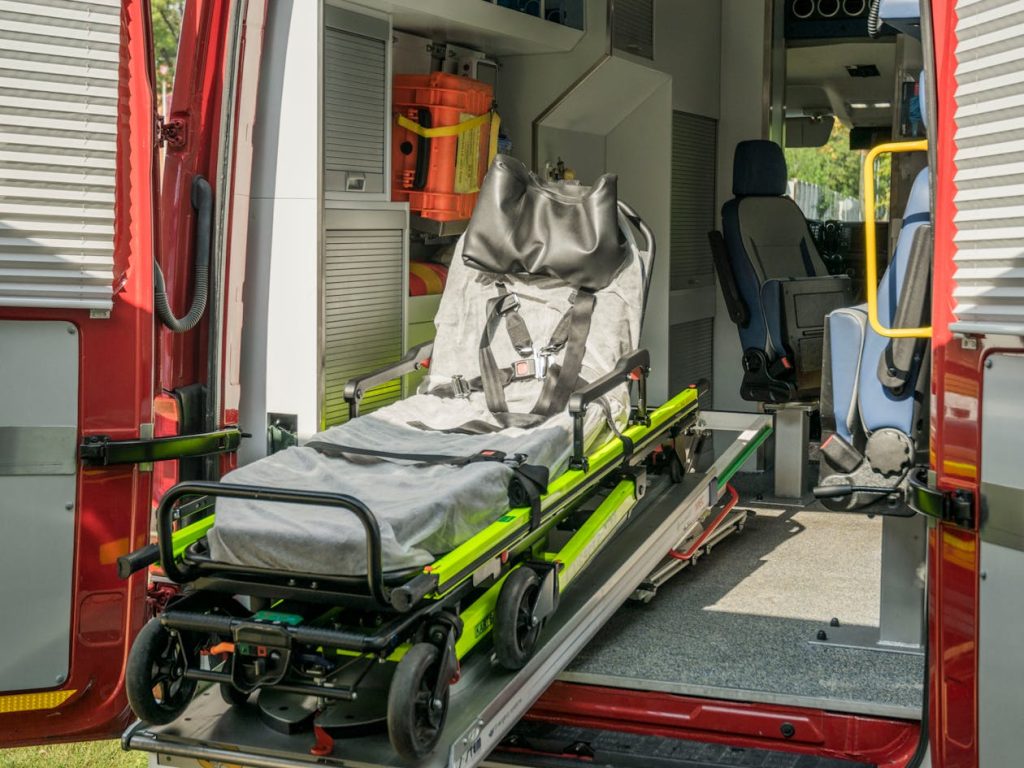
Chonthirat’s case joins a disturbing pattern of similar incidents in recent years. In June 2024, a 74-year-old Nebraska woman declared dead at a nursing home was discovered breathing at a funeral home two hours after the initial pronouncement. Workers preparing her body for services noticed respiration and immediately called emergency services.
In January 2023, an Iowa care facility pronounced a 66-year-old woman dead after an employee reported feeling no pulse and observing no breathing. After transport to a funeral home, the woman suddenly woke, gasping for air. That same year, a New York funeral home discovered an 82-year-old woman alive and breathing shortly after her death declaration at a nursing home.
Each incident points to failures in death determination protocols, particularly in nursing homes and care facilities where staff may lack proper training or equipment to confirm death. While doctors typically pronounce death in hospitals using specific criteria, including absence of heartbeat, breathing, brain activity, and reflexes, nursing home staff often make initial assessments that can be tragically wrong.
A 2002 incident in Shanghai, China, resulted in harsher consequences. After a video showed funeral parlor workers returning a body bag containing a living person to a retirement home, five officials faced punishment, and a doctor had their medical license revoked. Chinese authorities treated the incident as a serious professional failure requiring accountability.
Where Medicine Meets Mortality
Chonthirat’s survival highlights how difficult death determination can be without proper medical equipment and training. Conditions like severe hypoglycemia, hypothermia, drug overdoses, and certain neurological events can create states that closely mimic death. Breathing becomes imperceptible. Pulse drops to nearly undetectable levels. Body temperature falls. Reflexes disappear.
Medical protocols exist specifically to prevent premature death declarations. Doctors check for multiple signs, including pupil response, corneal reflex, gag reflex, and responsiveness to painful stimuli. They may use equipment to monitor for any cardiac activity or brain function. Even then, they typically observe for a period of time before making an official pronouncement.
Without these safeguards, mistakes happen. Families eager to fulfill final wishes or overwhelmed by grief may not think to seek professional confirmation. Care facilities operating with limited staff and resources may rely on undertrained workers to make critical assessments.
Her story spreads awareness about the need for professional death confirmation, proper training for care facility staff, and the importance of seemingly bureaucratic requirements that can save lives. Sometimes red tape exists for good reason. Sometimes paperwork matters more than anyone realizes. And sometimes a faint knock can mean everything.