
Your cart is currently empty!
FDA Approves New Pancreatic Cancer Drug After Trial Nearly Doubled Median Survival

A new treatment has been approved for one of the most difficult cancers to treat, and the clinical trial results behind the decision are already drawing major attention. The FDA has approved Rasonque, also known as daraxonrasib, for certain adults with advanced pancreatic cancer after a study found that patients taking the drug had a median overall survival of 13.2 months, compared with 6.7 months for those receiving standard chemotherapy.
Contents
show
The once-daily tablet gives eligible patients another treatment option in a disease that is often detected late and has historically offered limited choices once it spreads. The FDA approved the drug months ahead of its review deadline, describing the decision as part of an effort to move potentially meaningful treatments to patients faster.

FDA Approves Rasonque For Advanced Pancreatic Cancer
The U.S. Food and Drug Administration approved Rasonque for adults with metastatic pancreatic adenocarcinoma who have received at least one prior systemic therapy. The approval also covers certain patients who are not candidates for multiagent systemic therapy, giving doctors another option when previous treatments have failed or more intensive treatment approaches are unsuitable.
Rasonque is manufactured by Revolution Medicines and is taken as a tablet once each day. The drug targets multiple forms of a protein called RAS, which is a major driver of tumor growth in many patients with pancreatic adenocarcinoma. Researchers have spent years trying to develop treatments capable of targeting biological processes that help these aggressive tumors grow.
Acting FDA Commissioner Kyle Diamantas, J.D., described the approval as an important development for patients facing a cancer that has remained difficult to treat. “Today’s approval provides a critical new option for patients facing an extraordinarily difficult and historically hard-to-treat cancer,” Diamantas said in the FDA announcement.
He added that the agency has a responsibility to move effective treatments forward as quickly as possible. “It is our fundamental duty to deliver more cures and meaningful treatments to patients as quickly as possible,” Diamantas said, praising the FDA scientists involved in the review process.
The Clinical Trial Produced Striking Results
The approval was supported by a randomized, open-label, multicenter clinical trial involving 500 adults with previously treated metastatic pancreatic adenocarcinoma. The study compared outcomes for patients receiving Rasonque with those receiving standard chemotherapy, producing a substantial difference in the median overall survival figures reported by the FDA.
Patients treated with Rasonque had a median overall survival of 13.2 months, while patients receiving standard chemotherapy had a median overall survival of 6.7 months. The difference has attracted attention because pancreatic cancer remains one of the most aggressive and difficult cancers to treat, particularly after it has spread to other parts of the body.
The results do not mean that every patient will experience the same outcome. Clinical trial averages cannot predict exactly how an individual person will respond, and cancer treatment decisions depend on many factors. Still, the figures provided a strong basis for the FDA’s decision to approve the treatment for its specific patient population.
Dr. Angelo de Claro, director of the FDA’s Oncology Center of Excellence, described the results in strong terms. “This drug showed unprecedented results in an area of high unmet need,” de Claro said in the FDA press release.
FDA Finished Its Review Months Early
The speed of the approval has become another major part of the announcement. According to the FDA, the approval was granted 6.5 months before the user fee deadline, meaning the agency completed its review substantially earlier than the required timeline for its decision.
The drug received several designations intended to accelerate the development or review of treatments for serious conditions. These programs are designed to help the FDA focus resources on therapies that could address major unmet medical needs, particularly when patients have limited treatment options.
The regulatory pathways involved in the drug’s development and review included:
- Breakthrough Therapy designation: Intended to speed development and review for drugs treating serious conditions when early evidence suggests substantial improvement over available therapies.
- Orphan Drug designation: A designation that supports the development of treatments for certain rare diseases or conditions.
- Priority Review: A process designed to shorten the FDA’s review time for drugs that could provide significant advances in treatment.
- Commissioner’s National Priority Voucher review: A pilot program intended to accelerate the review of therapies addressing national public health priorities.
The FDA also issued a “safe to proceed” letter in May, allowing the sponsor to initiate an expanded access treatment protocol for Rasonque before the drug received formal approval. That allowed certain patient access to the investigational treatment under applicable FDA regulations while the agency’s review was still underway.

How The New Drug Targets Cancer Growth
Rasonque is a targeted therapy, meaning it is designed to interfere with specific biological mechanisms involved in cancer growth. The drug targets multiple forms of RAS, a protein that plays a key role in driving tumor growth in many cases of pancreatic adenocarcinoma.
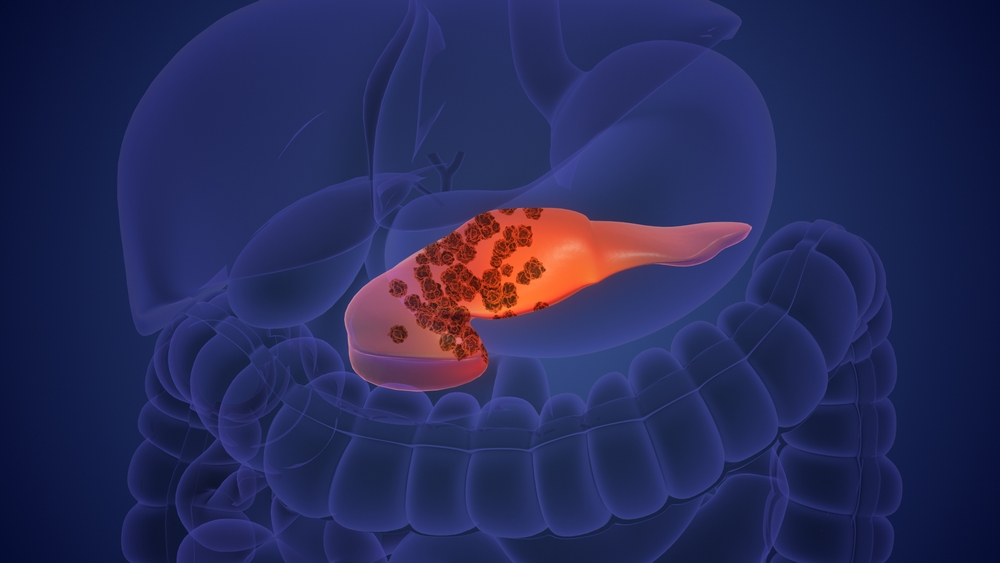
Pancreatic adenocarcinoma develops from cells lining the ducts of the pancreas. It is the most common form of pancreatic cancer, accounting for approximately 90% to 95% of the roughly 67,000 new pancreatic cancer cases diagnosed in the United States each year, according to the information provided by the FDA and cited cancer organizations.
Targeting RAS has been a major focus for cancer researchers because abnormalities involving this protein can help tumors grow and survive. Developing drugs capable of interfering with these pathways has presented major scientific challenges, particularly in pancreatic cancer, where treatment progress has often been slower than researchers and patients hoped.
Dr. Brian Wolpin, director of the Hale Family Center for Pancreatic Cancer Research at the Dana-Farber Cancer Institute, said the approval represented the culmination of years of work. “FDA approval of daraxonrasib is an exceptional moment for patients with pancreatic cancer and the culmination of many years of research to find a way to target KRAS,” he told ABC News.

Why Pancreatic Cancer Is So Difficult To Treat
Pancreatic adenocarcinoma represents only around 3.2% of all cancer diagnoses, according to the FDA, but it accounts for a disproportionately high share of cancer deaths. The disease has earned its reputation as one of the most difficult cancers to fight because several serious challenges can work against patients from the moment symptoms first appear.
One major problem is late detection. Pancreatic cancer can be difficult to identify during its earliest stages, and some patients are diagnosed only after the disease has already spread. Once the cancer becomes metastatic, surgery may no longer be an option for removing all of the disease, leaving patients dependent on systemic treatments.
The cancer can also progress aggressively, and historically available treatment options have been limited. Patients whose cancer continues growing after an earlier therapy may face increasingly difficult decisions, which is why the arrival of another approved treatment option has been closely watched by doctors and researchers.
Several factors have contributed to pancreatic cancer’s difficult reputation:
- Late diagnosis: The disease is often discovered after it has already advanced.
- Aggressive progression: Tumors can spread and become increasingly difficult to control.
- Limited treatment options: Patients with advanced disease have historically had fewer effective therapies available.
- Complex tumor biology: Pancreatic tumors can be difficult to target with treatments that work successfully in other cancers.
The approval of Rasonque does not change every challenge associated with pancreatic cancer. However, it adds another option for eligible patients and gives researchers additional information about how targeted therapies may work against a disease that has resisted many previous treatment approaches.

One Patient Reported A Major Tumor Reduction
Clinical trial statistics provide the broadest picture of how a treatment performed across hundreds of patients, but individual experiences can also illustrate why researchers and patients have followed daraxonrasib’s development so closely. ABC News reported that several participants discussed the experimental treatment with “Good Morning America” before the FDA approval.
One patient, identified as Jim, described what happened after he began taking the drug. He said a tumor in his liver, which had spread from his pancreatic cancer, shrank significantly during treatment.
“The tumor that I had in my liver, which had spread from the pancreas, got reduced by 50%, which was incredible news,” Jim told “GMA.” His experience represents one individual’s response and should not be treated as a prediction of what every patient taking the drug will experience.
The personal accounts also help explain why new treatments can carry such importance for people living with metastatic cancer. A new therapy can provide another option when previous treatments have stopped working, even though individual responses can vary widely between patients.
Researchers Hope This Opens More Doors
The immediate approval applies to a specific group of adults with metastatic pancreatic adenocarcinoma. However, the development of a therapy capable of targeting multiple forms of RAS has also raised questions about whether similar treatment approaches could eventually help patients with other difficult-to-treat cancers.
That possibility will depend on future research and clinical trials. The current FDA approval should not be interpreted as evidence that Rasonque has already been proven effective for other forms of cancer, but scientists will continue studying the biological pathways targeted by the drug and how those pathways operate in different diseases.
Wolpin told ABC News that the approval offers both a new treatment option and a foundation for future research. He said the development gives scientists another starting point as they search for additional advances against pancreatic cancer and potentially other cancers involving related biological pathways.
For patients, the immediate significance is more straightforward. Those who meet the FDA-approved criteria now have access to a treatment that was previously available only through clinical research or investigational access programs.
The Drug Can Cause Significant Side Effects
Like other cancer treatments, Rasonque can cause side effects, and the FDA included a list of the most common reactions associated with the drug. The potential benefits seen in clinical trials must be considered alongside these risks when doctors and patients discuss whether the treatment is appropriate.
The most common side effects listed by the FDA include rash, diarrhea, stomatitis, nausea, fatigue, vomiting, abdominal pain, edema, decreased appetite, and hemorrhage. Stomatitis refers to inflammation affecting the mucus membranes inside the mouth, which can cause discomfort and interfere with eating.
Cancer treatments can affect patients differently, and side effects may vary in severity. The FDA’s approval applies to the drug’s specific indication and does not mean it will be the right treatment for every person diagnosed with pancreatic cancer.
Patients considering any cancer treatment need individualized guidance from their medical team based on their diagnosis, previous treatments, overall health, and other factors. The arrival of a new drug expands the available choices, but it does not remove the difficult decisions that often come with treating advanced cancer.
A New Option For A Brutal Disease
For decades, pancreatic cancer has remained one of the most difficult diagnoses in oncology, particularly after the disease reaches an advanced stage. Rasonque is not a cure, and its approval does not mean every patient will experience the survival results seen across the clinical trial population.
Still, the figures behind the FDA decision are hard to ignore. A median overall survival of 13.2 months, compared with 6.7 months for standard chemotherapy in the trial, represents a major result in a disease where effective new options have been desperately needed.
The next chapter will be written through continued research and the experiences of eligible patients receiving the treatment. For now, the approval gives doctors one more tool against a cancer that has spent far too long staying ahead of medicine.