
Your cart is currently empty!
Federal Judge Permanently Blocks Trump’s Citizenship Proof Requirement for Voter Registration
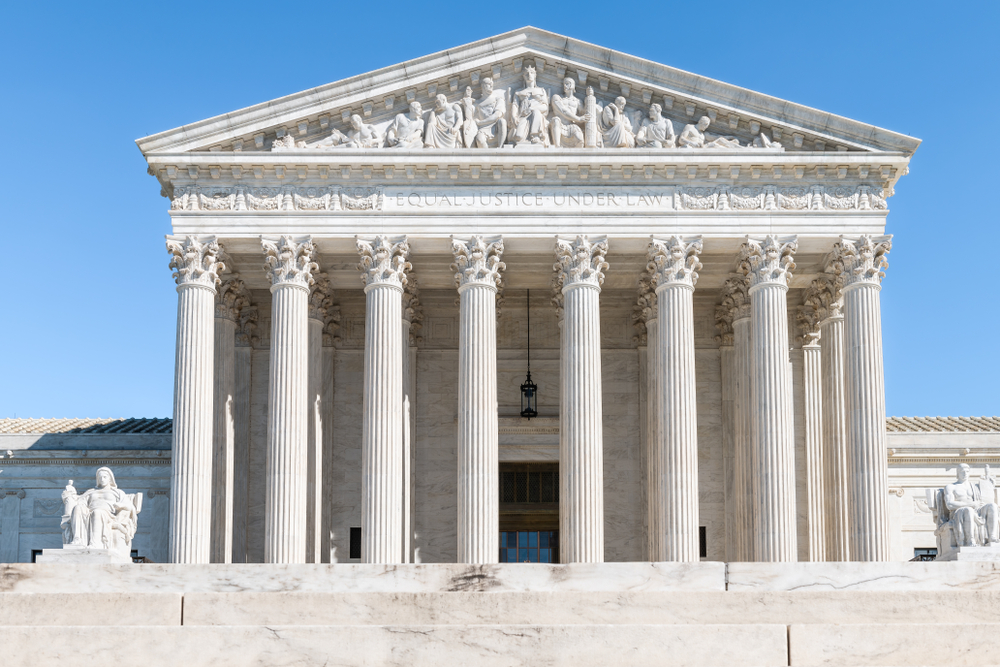
A federal judge has permanently blocked key portions of President Donald Trump’s executive order that sought to reshape how federal elections are administered, dealing another legal setback to one of the administration’s most closely watched voting initiatives. At the center of the dispute was a proposal requiring Americans to provide documentary proof of citizenship when registering to vote, along with other election-related changes that quickly drew lawsuits from a coalition of Democratic attorneys general.
Contents
show
The ruling, issued Wednesday by U.S. District Judge Denise Casper in Boston, transforms an earlier preliminary injunction into a permanent one after the court concluded that the executive order exceeded presidential authority. The decision also arrives as multiple legal battles over federal election rules continue across the country, while Congress and the U.S. Supreme Court are weighing separate questions that could significantly shape how future elections are conducted.
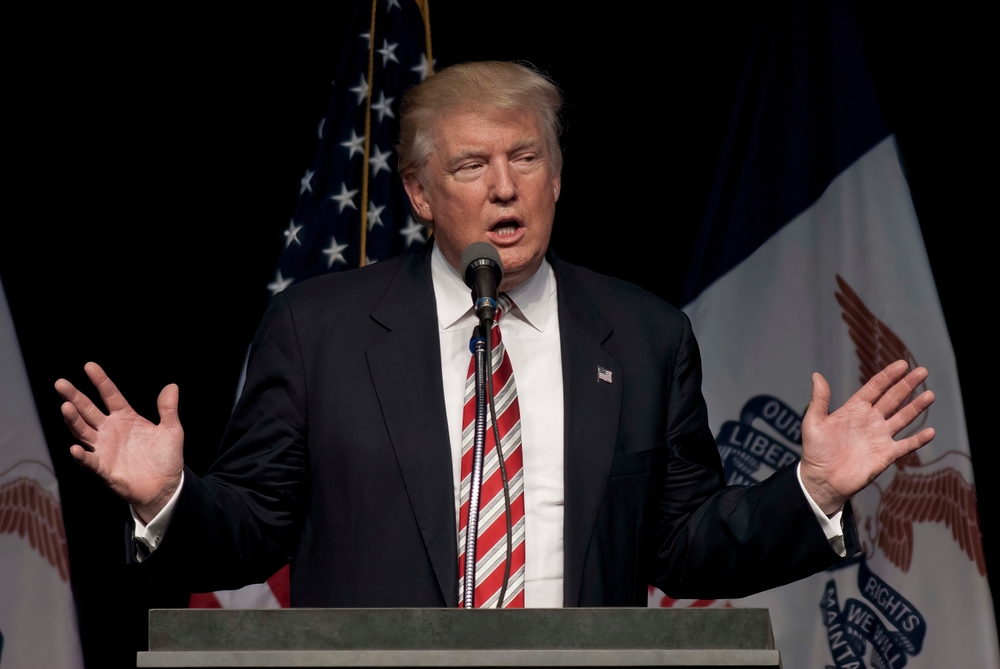
Judge Says The Constitution Gives Election Authority To States And Congress
Judge Denise Casper rejected the administration’s argument that the lawsuit had been filed too early because the executive order had not yet been fully implemented. Instead, she concluded that the states challenging the order had valid grounds to bring the case before the changes took effect.
In her ruling, Casper determined that the Constitution reserves authority over elections to the states and Congress rather than the presidency. She wrote, “The Constitution does not grant the President any specific powers over elections,” concluding that the executive order violated the constitutional separation of powers.
The ruling permanently blocks most of Trump’s first election executive order, replacing the temporary injunction Casper issued last year while the legal challenge moved through federal court. The decision prevents the administration from moving forward with several major provisions contained in the order unless a higher court overturns the ruling.
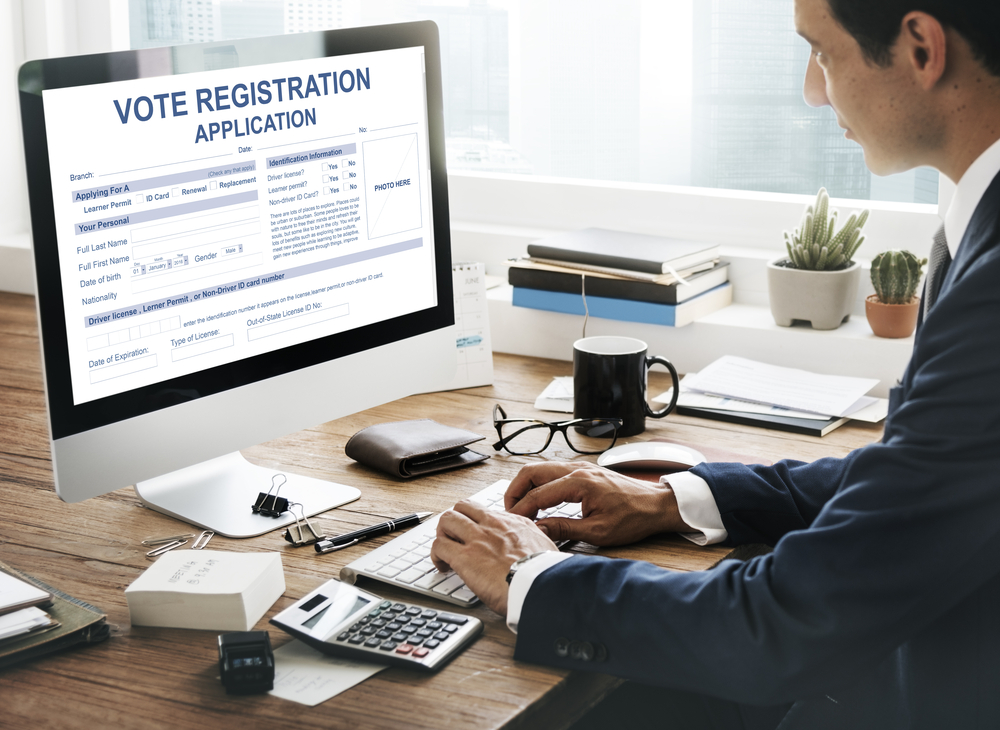
The Executive Order Proposed Several Major Election Changes
The proof of citizenship requirement became the most closely watched provision in the executive order because it would have required voters to submit documentary evidence of citizenship before registering to vote in federal elections.
The order also sought to prevent mail ballots from being counted if they arrived after Election Day, even when they had been postmarked on time. Another provision would have allowed the federal government to withhold certain funding from states that refused to comply with the administration’s election directives.
Supporters argued the proposals were intended to strengthen election integrity, while opponents maintained that election administration falls primarily under state and congressional authority. That constitutional question ultimately became the central issue before the court.
Democratic Attorneys General Welcomed The Decision
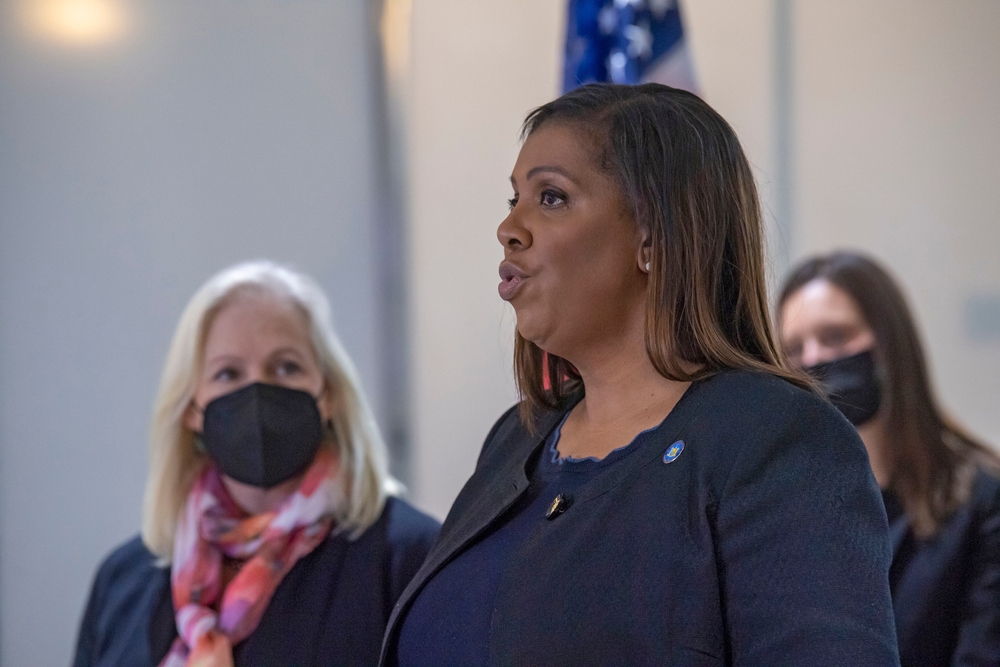
New York Attorney General Letitia James praised the ruling after the decision was announced, describing it as an important victory for voting rights.
James said, “Generations of Americans fought tirelessly for the right to vote, and we honor their legacy by protecting that right against anyone who tries to undermine it.”
California Attorney General Rob Bonta, whose office led the lawsuit, also welcomed the court’s decision. He said the ruling reaffirmed that election rules are established by the states and Congress rather than through presidential executive orders. Bonta added, “While we are proud of this result, we are clear-eyed that President Trump’s attacks on voting rights and our elections show no signs of slowing down. So let me be clear: we will keep fighting back every step of the way.”
Other Court Challenges Are Still Moving Forward
The Boston ruling is only one of several legal setbacks involving Trump’s election executive orders. A separate federal judge in Washington previously blocked efforts to add a documentary proof of citizenship requirement to the federal voter registration form.
That same court later prohibited the Secretary of Defense from requiring documentary proof of citizenship when military personnel register to vote or request absentee ballots. Those rulings remain separate from Judge Casper’s decision but involve many of the same constitutional questions.
Despite those court decisions, the administration has continued pursuing similar election policies through legislation. Trump has publicly supported the SAVE America Act, which would establish a nationwide proof of citizenship requirement for voter registration. The measure has passed the House of Representatives but has not advanced through the Senate.
Supreme Court Could Soon Decide Another Major Voting Issue
Another significant election case is now awaiting a decision from the U.S. Supreme Court. The justices are expected to rule on whether states may continue counting mailed ballots that arrive after Election Day if they were postmarked by the deadline.
The outcome could immediately affect election procedures in 14 states that currently allow ballots to be counted during post Election Day grace periods. A decision could change how those states administer future federal elections.
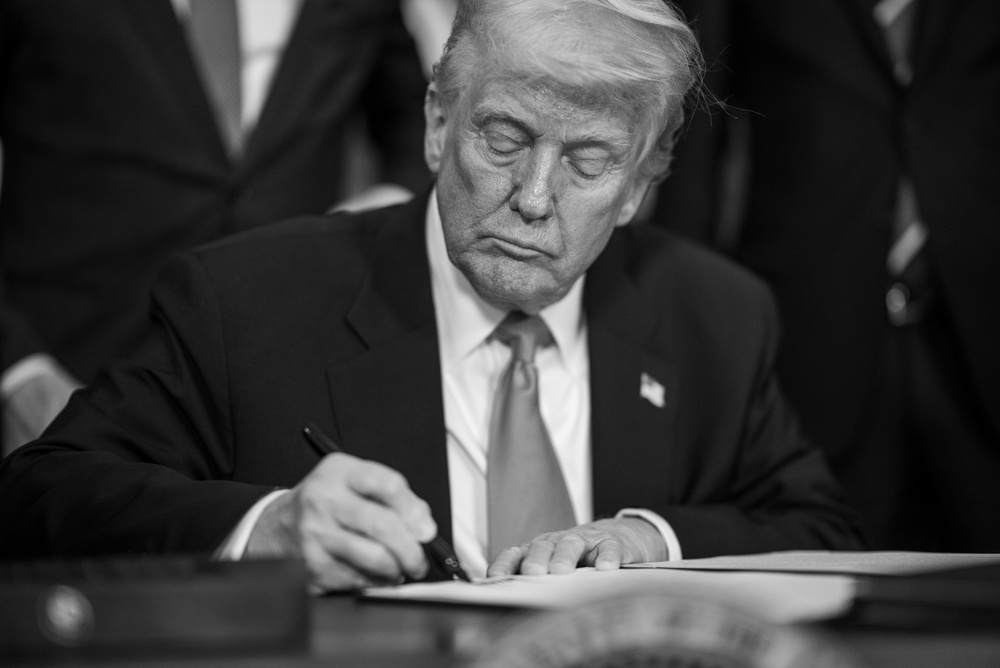
Trump has also continued pressing lawmakers to adopt proof of citizenship requirements through Congress. On Wednesday, he cancelled the expected signing of a bipartisan housing bill, saying he would not sign legislation until Congress passed his proof of citizenship requirement for voting. Meanwhile, requests for comment sent to the White House and the Department of Justice following Judge Casper’s ruling were not immediately returned.
absentee voting, congress, constitutional law, Denise Casper, Donald Trump, election executive order, election law, federal court, federal judge, Letitia James, mail ballots, Proof of Citizenship, Rob Bonta, SAVE America Act, Supreme Court, Trump, U.S. elections, Voter Registration, voting rights, White House