
Your cart is currently empty!
New Research Suggests Female Dogs Are Quick to Spot Human Incompetence
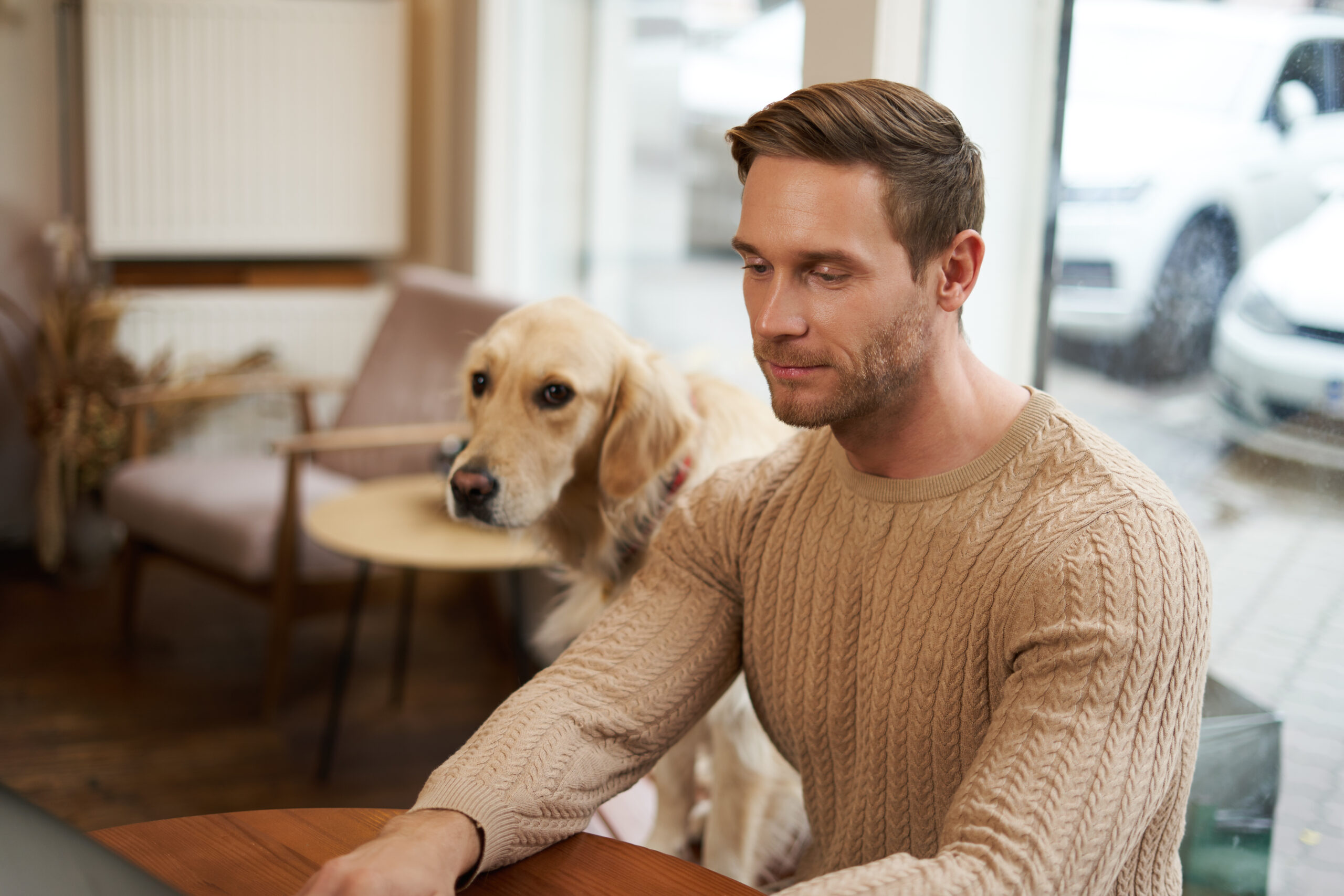
Have you ever felt the weight of a silent, furry judgment after fumbling with a jar of treats or missing a simple catch? It turns out those soulful eyes might be doing more than just begging; they are likely performing a comprehensive evaluation of your skills. While we often think of canine companions as sources of unconditional support, new research suggests that some of them, particularly the females, are keeping a much closer eye on human competence than anyone previously realized. This discovery shifts the understanding of the domestic bond, revealing that a dog’s respect might actually be something earned through a display of steady hands and reliable talent.
Contents
show
How Our Dogs Evaluate Us
That skeptical side-eye from a furry friend might actually be a performance review. Scientists at Kyoto University discovered that dogs are not just watching humans but are actively judging their skills. The study involved 74 pups and a simple test of competence.
The experiment featured two types of human actors. One group efficiently removed the lid from a transparent container, while the other group struggled with the task and eventually gave up. When treats entered the picture, the dogs had to choose who to approach. Most bypassed the fumblers and went straight to the capable humans who had previously shown they could get the job done.
Female dogs proved to be the toughest critics in the group. They watched the competent humans much more intensely and were significantly more likely to approach them than the male dogs were. Lead author Hitomi Chijiiwa explained that these findings show dogs can identify human competence and adjust their actions accordingly. It seems that for female dogs specifically, demonstrated skill is a major factor in who gets their attention.
It All Comes Down to Attention
The idea that a dog is grading human homework does not surprise the experts. Lynette A. Hart, a professor at the UC Davis School of Veterinary Medicine, noted that dogs are naturally highly attentive to humans. She welcomed the study as clear evidence of what many animal behaviorists suspected.
Individual personality and breed genetics likely play a huge role in this judgment game. The 74 participants ranged from puppies to seniors, covering a wide mix of breeds. Dr. Hart pointed out that working breeds often display heightened focus. Two young German Shepherds in the study performed exceptionally well, which aligns with their reputation for police and service work. Future research aims to narrow down how specific breeds compare in their ability to rate human clumsiness.
As for the gender divide, Dr. Hart found the superior performance of female dogs consistent with previous data. Her own research suggests that females are generally more attentive to their owners and easier to train. This heightened awareness allows them to adjust their behavior based on who they are interacting with, shifting from gentle to vigorous play depending on the person. It appears the ladies are simply paying closer attention to the details.
A Trait of the Socially Intelligent
This ability to judge others based on their actions is not unique to dogs. It is a sophisticated trait found in several species known for their complex social structures. Animals like dolphins, ravens, and chimpanzees also evaluate the behavior of those around them to navigate their environments more effectively. For social animals, knowing who is capable can be a survival advantage, helping them decide who to follow or who might be a reliable source of food.
By identifying human competence, dogs demonstrate a deep social link with people that goes beyond simple obedience. The research team at Kyoto University hopes these findings will shed more light on how dogs interact with one another and with the humans in their lives. This type of social eavesdropping suggests that dogs are constantly gathering data about our reliability.
Understanding that dogs are making these mental notes helps bridge the gap in our knowledge of their social intelligence. It confirms that the bond between species is built on a foundation of mutual observation and constant learning. When a dog chooses the more capable person to help with a snack, it is using the same type of social logic that has allowed highly intelligent animals to thrive in groups for millennia.
The Roots of Recognition: Nature and Nurture
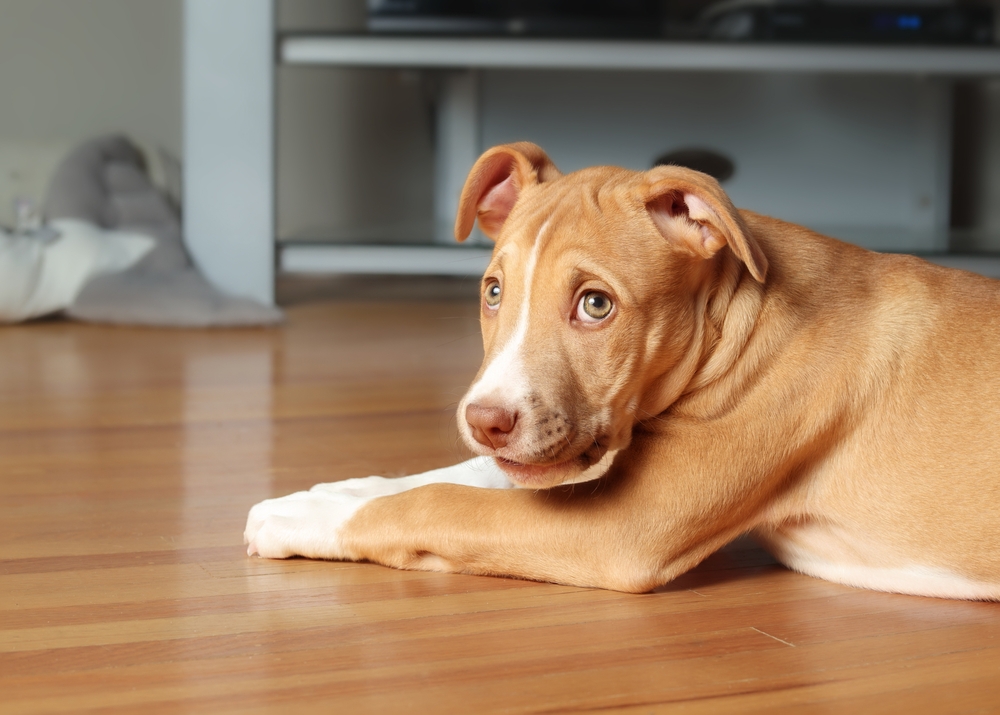
While the study highlights a clear preference for competence, researchers are curious about how this trait develops over a dog’s life. The participants in the Kyoto study spanned a wide age range, from five-month-old puppies to fourteen-year-old seniors. This suggests that the ability to read human cues might be an inherent part of their biology rather than just a learned behavior from years of living in a household.
Dr. Hart noted that future research should look closer at factors like neuter status and specific training backgrounds to see how they influence these social “reviews.” For example, a dog trained for high-stakes work might naturally place a higher premium on efficiency than a pampered lap dog.
By understanding these variables, we can better appreciate the cognitive complexity happening behind those puppy-dog eyes. It is a reminder that a dog’s world is shaped not just by the love they receive, but by their astute observations of how their humans navigate the world.
Meeting Your Dog’s Social Expectations
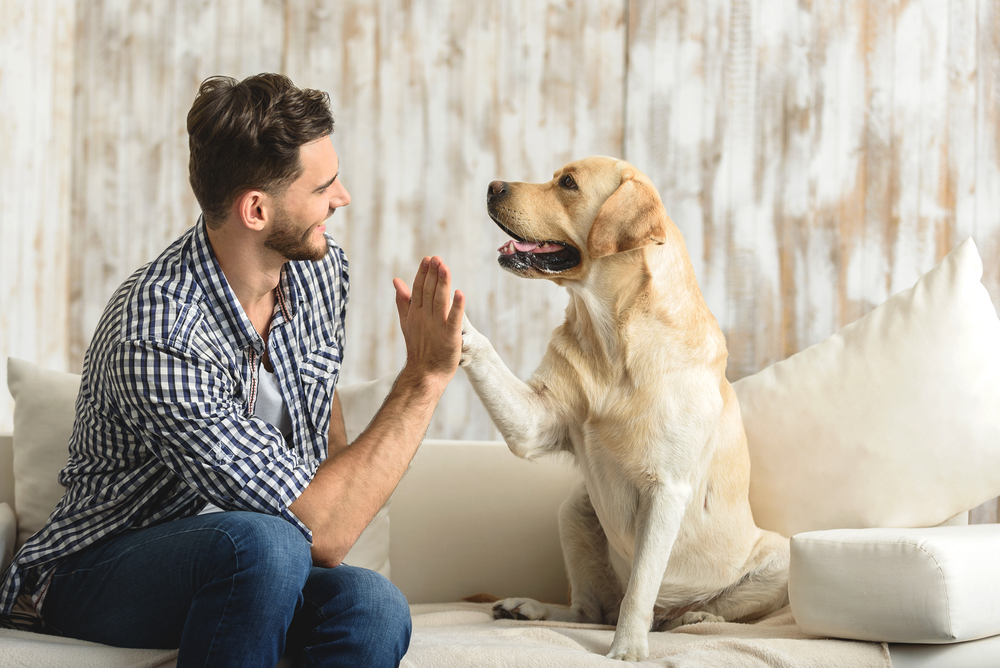
Recognizing that dogs are alert to human actions provides a fresh perspective on pet parenting. Because they are so attentive to how humans provide for them, it is essential to focus on being a reliable and engaging companion. This awareness means dogs are not just looking for affection; they are looking for a capable partner. Dr. Hart’s own Australian Shepherd, Minnie, provides a perfect example of this social flexibility. Minnie adjusts her energy levels based on her companion, playing gently with some while engaging in high-energy romps with others.
This shows that dogs are constantly reading the room and deciding how to interact based on a person’s perceived style and ability. Being a competent pet parent involves creating a supportive environment where a dog can exercise natural curiosity.
Offering a variety of enrichment activities, from puzzle toys to new walking routes, keeps their minds sharp and reinforces the idea that their human is a source of interesting opportunities.
Socialization should not stop at the front door. Providing a dog with a diverse circle of friends encourages them to use their social evaluation skills in different contexts. Dr. Hart emphasizes that dogs thrive when their lives are socially rich. By being intentional about providing these experiences, owners can ensure their pets feel secure and mentally stimulated. It is not just about meeting basic needs; it is about respecting the dog as an observant individual that values a capable and active partner in their daily adventures.
Happy Pups and Longer Lives
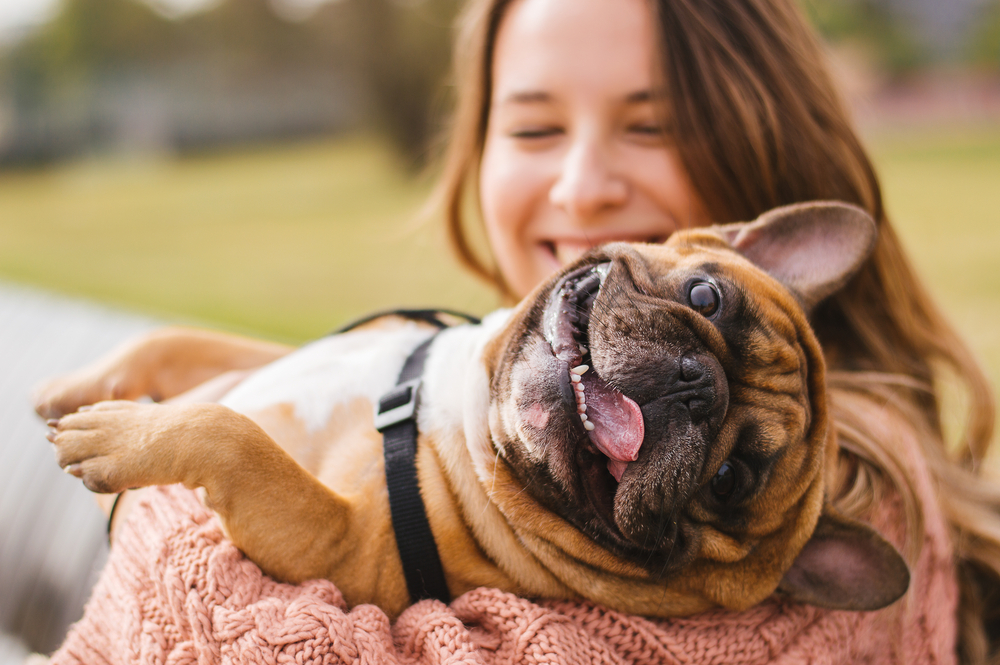
While it might be slightly bruising to the ego to realize a dog is essentially grading every treat toss, there is a heartwarming reason to step up the game. Evidence suggests that a dog’s social calendar has a direct impact on their physical health. Whether it is living with another pet or having a rotating cast of human visitors, constant social stimulation can actually contribute to a longer, happier life.
Becoming a more capable partner is not just about avoiding those judgmental looks from across the room; it is an investment in a pet’s future. Dr. Hart explains that dogs are at their best when their lives are supportive and full of variety. Providing a rich social life helps them thrive, keeping their minds sharp and their tails wagging for years to come.
The takeaway for any pet parent is simple: it is time to level up. If the Kyoto study proves anything, it is that dogs are always paying attention and hoping for the best. Being a reliable and engaging companion is a small price to pay for the loyalty of a friend who knows exactly how many tries it took to open that bag of kibble. By embracing new challenges and expanding their social horizons, anyone can become the capable partner a dog truly deserves.