
Your cart is currently empty!
Finland is Giving Away Free Trips to Teach People the Secret to Happiness
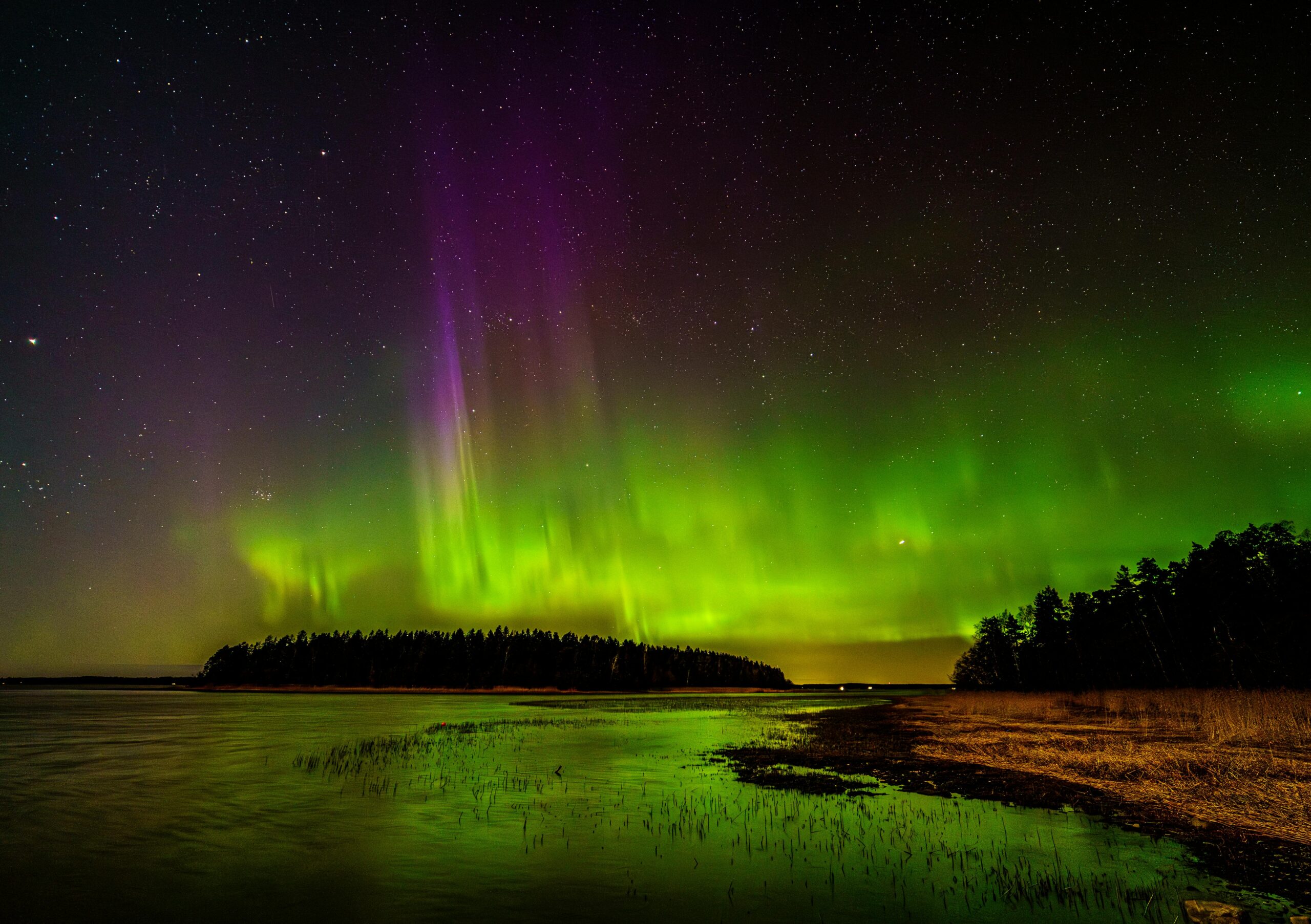
It sounds like one of those stories designed specifically to make the internet stop scrolling.
Contents
show
A country that has repeatedly been ranked the happiest in the world is now offering to fly people over, pay for their stay, and show them how to become happier. Not richer. Not more productive. Not more successful in the polished, social-media-friendly sense. Just happier.
And in a world where millions of people are burned out, overstimulated, sleep-deprived, and trying to squeeze peace out of increasingly chaotic lives, it is not hard to see why this story has taken off.
Finland is not just giving away a vacation. It is, in a way, marketing a completely different rhythm of life. One where nature is not an occasional escape but part of daily existence. One where rest is not laziness. One where silence is not awkward. One where happiness is not treated like a luxury reward for surviving modern life.
That is what makes this story more interesting than a simple travel giveaway.
Because once you get past the click-worthy headline, the real question becomes much bigger: if Finland keeps ranking as the happiest country on Earth, what exactly are they doing that the rest of the world is not?
Finland Has Been Ranked The Happiest Country For Nine Years Straight
According to the 2026 World Happiness Report, Finland has once again taken the top spot, making this the ninth consecutive year it has been named the happiest country in the world.
That kind of consistency matters.
This is not a fluke result or a one-off feel-good headline. It suggests that something deeper is happening in Finnish society, something stable enough to keep showing up year after year, even as the rest of the world grapples with political instability, economic pressure, digital overload, and worsening mental health trends.
The report is based on data from the Gallup World Poll, which surveys at least 1,000 people in each of 147 countries. Participants are asked to rate their lives on a scale from zero to ten, with zero representing the worst possible life and ten representing the best possible one.
Finland scored 7.76.
That placed it ahead of a list dominated by countries that many people already associate with strong quality of life, including Iceland, Denmark, Costa Rica, Sweden, Norway, the Netherlands, Israel, Luxembourg, and Switzerland.
The United States, by comparison, ranked 23rd with a score of 6.81.
That gap may not sound enormous on paper, but it reflects something meaningful about how people experience everyday life. The report is not measuring whether a country has pretty landscapes or good branding. It is measuring whether people actually feel satisfied with the lives they are living.
And Finland keeps coming out on top.
That alone is enough to spark curiosity. But the reasons behind it are what make the story genuinely fascinating.
Happiness Is Not Just A Mood. It Is Often Built Into The System
One of the most important things this story reveals is that happiness, at least on a national level, is not simply about having a positive attitude.
That might sound obvious, but it cuts against a huge amount of modern self-help culture, which often frames happiness as something people can achieve if they just optimize themselves hard enough.
The data coming out of Finland suggests something much less glamorous but far more useful.
People tend to feel happier when they live inside systems that make life feel safer, fairer, healthier, and less exhausting.
Researchers behind the World Happiness Report look at six major factors that help explain why some countries rank higher than others:
- GDP per capita
- Social support
- Healthy life expectancy
- Freedom to make life choices
- Generosity
- Perceptions of corruption
Finland performs strongly across all six.
That means people are not just doing well financially compared to much of the world. It also means they are more likely to feel supported, trust their institutions, have access to healthcare, and feel like their society is functioning in a way that does not constantly work against them.
This matters more than many people realize.
A lot of what drains happiness is not dramatic tragedy. It is chronic stress. It is uncertainty. It is the low-level anxiety of knowing that one medical issue, one job loss, one childcare emergency, or one bureaucratic nightmare could throw your entire life off course.
When a country reduces that kind of background instability, it creates more room for people to actually enjoy living.
That does not mean everyone in Finland is walking around in a permanent state of bliss. It means the structure of life itself is less punishing.
And that is a major distinction.
Finland’s Social Policies Quietly Remove A Lot Of Everyday Stress

One of the clearest explanations for Finland’s success is that many of the things people elsewhere are forced to fight for are simply built into daily life there.
The country offers universal healthcare, which immediately removes one of the biggest financial and emotional stressors faced by people in many parts of the world.
It also offers extensive family support. Parents are entitled to more than five months of paid parental leave, and the pregnant parent receives additional paid leave on top of that.
That is not just a nice benefit. It fundamentally changes how people experience some of the most vulnerable periods of their lives.
In many countries, becoming a parent can be financially destabilizing, physically exhausting, and emotionally isolating. In Finland, the system is designed to soften that blow rather than intensify it.
Housing support and broader social welfare systems also play a role.
These kinds of policies are not always described as happiness policies, but maybe they should be.
Because what they do, in practical terms, is reduce fear.
They reduce the feeling that life is one bad month away from collapse.
They allow people to plan further ahead.
They make it easier to raise children, recover from illness, and maintain some sense of personal dignity even during difficult periods.
That kind of security rarely goes viral online because it does not look flashy. But it may be one of the strongest foundations for long-term happiness that exists.
Trust Might Be One Of The Most Underrated Ingredients Of A Good Life
There is another factor that repeatedly comes up when experts talk about Finland: trust.
And trust is one of those things that people often do not notice until it is missing.
In Finland, people tend to trust each other at relatively high levels. They also tend to trust institutions.
That means daily life comes with less suspicion, less emotional friction, and less mental exhaustion.
You do not have to constantly wonder whether someone is trying to take advantage of you. You do not have to assume every system is broken or corrupt. You do not have to move through the world in a permanent defensive mindset.
That changes the texture of life in ways that are difficult to quantify but impossible to ignore.
Trust affects everything from public transport and healthcare to education, politics, and neighborhood life. It shapes how safe people feel. It shapes how willing they are to ask for help. It shapes whether society feels like something they belong to or something they are battling against.
When trust is high, people generally experience less social fatigue.
That may not sound dramatic, but in a time when many people feel emotionally worn down by constant conflict, polarization, and cynicism, it is incredibly significant.
Nature In Finland Is Not A Luxury. It Is A Way Of Life

There is also a softer, less statistical side to Finland’s happiness story, and it may be one of the most relatable.
Finns have a deep, everyday connection to nature.
This is not the kind of relationship where people occasionally book an expensive retreat to reconnect once or twice a year. In Finland, nature is woven into normal life.
Forests, lakes, walking trails, open space, and seasonal living are all part of the cultural rhythm. Being outdoors is not treated as a productivity hack or a wellness trend. It is simply a normal, valued part of being alive.
That matters because a growing body of research suggests that time in nature is strongly associated with lower stress, better mood, improved sleep, and stronger overall well-being.
And Finland has built a lifestyle around exactly those conditions.
Then there is the sauna culture, which might sound like a charming travel cliché until you realize how central it is.
In Finland, saunas are not rare luxury add-ons. They are everywhere. They are places of decompression, ritual, and reset.
They encourage stillness.
They create social space without pressure.
They offer a physical and mental slowdown that many people elsewhere only experience on holiday.
This may seem almost too simple to matter, but perhaps that is the point.
Some of the things that make life feel better are not complicated. They are just increasingly absent from modern routines.
Age May Be Playing A Bigger Role Than Most People Realize

Another intriguing part of the happiness conversation is age.
Researchers have noted that Finland, like several other Nordic countries, has an older population than countries such as the United States.
The median age in Finland is nearly 43, compared with around 38.4 in the US.
That may sound like a demographic detail, but it could have meaningful implications for how national happiness is measured.
Tara Thiagarajan, founder and chief scientist at Sapien Labs, has pointed to an interesting pattern: older people often report higher levels of well-being.
Why?
Because many of them tend to have:
- Closer family relationships
- More stable social connections
- Less dependence on digital validation
- Healthier eating habits
- Stronger reflective frameworks
In other words, some of the very things that have eroded in younger generations may actually support long-term life satisfaction.
This does not mean youth is a disadvantage or that aging automatically makes people happier. But it does suggest that happiness may be linked to habits, relationships, and forms of mental stability that take time to build and are increasingly disrupted by modern life.
That makes Finland’s story even more revealing.
Because perhaps what people are really drawn to is not just the country itself, but the possibility of a slower, more grounded version of adulthood that feels increasingly difficult to access elsewhere.
And Now Finland Is Offering People The Chance To Experience It Firsthand

This is where the story moves from interesting to widely shared.
Rather than simply enjoying its global reputation as the happiest country in the world, Finland has decided to invite outsiders in and let them experience a piece of that lifestyle for themselves.
Through Visit Finland, the country’s official tourism body, a campaign called Chill Like a Finn is offering six duos the chance to win a fully paid, week-long trip to Finnish Lakeland.
Flights, accommodation, and activities are included.
And unlike many travel competitions that are mostly about luxury or status, this one is being positioned as something more meaningful. The whole premise is that winners will spend a week learning the art of happiness the Finnish way.
That phrase works because it taps into something people genuinely want.
Not just escape.
Relief.
Permission.
Breathing room.
The campaign leans into the idea that happiness in Finland is not about doing more. It is about slowing down enough to notice what actually makes life feel good.
What The Trip Actually Looks Like
The experience is centered in Finland’s Lakeland region, which many Finns consider one of the most restorative places in the country.
The area is filled with quiet lakes, forested landscapes, wooden cabins, fresh air, and long summer days. It is often described as a place Finns themselves return to when they want to properly switch off.
This is not a polished tourist trap built for influencers.
It is meant to represent a more authentic rhythm of Finnish summer life.
According to the campaign details, winners will be encouraged to fully embrace the local pace.
That includes:
- Hiking through national parks
- Swimming in calm lakes
- Spending time in traditional saunas
- Reading, resting, or relaxing in hammocks
- Sharing simple meals and evenings by the fire
- Enjoying silence without needing constant stimulation
There is something quietly powerful about how ordinary that sounds.
No maximize your itinerary pressure.
No endless list of must-see attractions.
Just a week built around being present.
And that might be exactly why people are so drawn to this story.
You Only Need One Thing To Apply, And That Is Part Of Why People Love It
One of the reasons this story has spread so quickly is because the application process feels simple and accessible.
You do not need to be wealthy. You do not need to be an influencer. You do not need an impressive background.
What you need is a partner to apply with and the willingness to participate.
To enter, applicants must:
- Create a short video as a duo
- Answer what they imagine a Finnish summer looks like
- Post it on social media
- Submit the official application form
Applicants must be at least 18 years old, apply in pairs, and be comfortable being filmed.
For a fully funded international trip, that is a surprisingly low barrier.
And that accessibility is what makes the idea feel real rather than distant.

The Bigger Question Is Whether Happiness Has Become Too Complicated
One of the most striking things about Finland’s reputation is how simple the core ideas seem.
There is no complex formula.
Instead, the same themes keep appearing:
- Stability
- Trust
- Nature
- Rest
- Community
- Balance
And maybe that simplicity is exactly why the story feels so powerful.
Because many people have been taught that happiness requires constant improvement, constant growth, and constant effort.
Finland suggests something different.
That happiness might come from removing friction rather than adding more to your life.
Finland’s Giveaway Is Really About Something Bigger
On the surface, this is a story about a free trip.
Underneath, it is about something deeper.
It reflects a growing awareness that many people are not lacking ambition or opportunity.
They are lacking balance.
Finland has become a symbol of a life that feels calmer, steadier, and more sustainable.
And whether or not that image is perfect, it clearly resonates.