
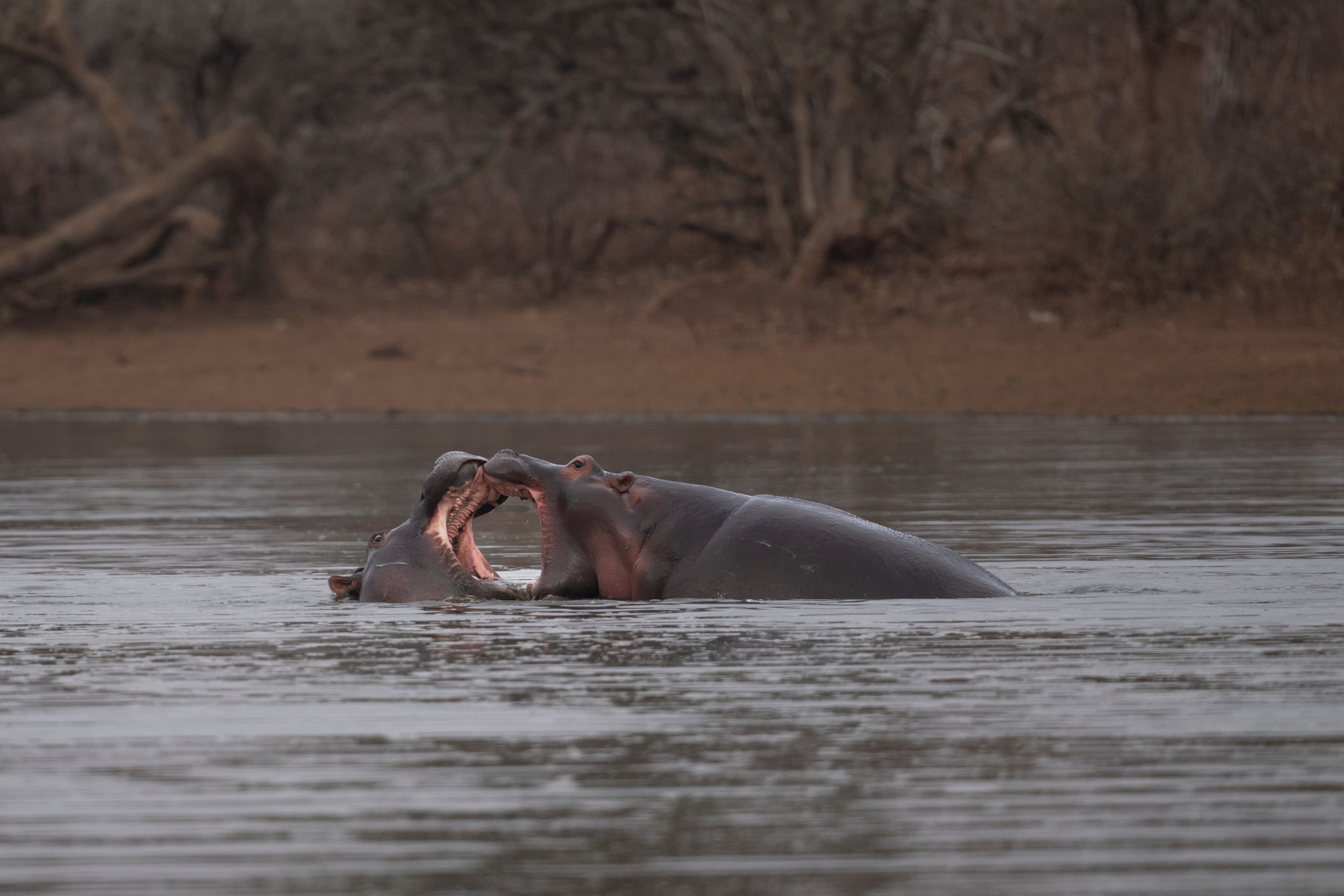
A hippo who once defied extraordinary odds to survive her first weeks of life has died following a bizarre accident at the Cincinnati Zoo. Fiona, whose premature birth turned her into an international sensation, spent her final days receiving intensive veterinary care after swallowing a knitted hat that accidentally entered her enclosure.
The nine-year-old animal’s death has devastated the people who cared for her and the millions who followed her journey from a fragile newborn into a 2,000-pound adult. Despite multiple medical procedures and round-the-clock attention, veterinarians eventually discovered that the hat had travelled too far into her digestive system to be removed.
How A Visitor’s Hat Ended Up Inside Fiona’s Enclosure
The unusual incident began when a visitor’s knitted hat accidentally entered Fiona’s habitat at the Cincinnati Zoo. According to zoo spokesperson Michelle Curley, the object was tossed into the air before a ceiling fan caught it and sent it through a small opening into the enclosure. The sequence of events was so unusual that Curley told US media, “We probably couldn’t make [it] happen again if we tried.”
Unfortunately, the hat landed where Fiona could reach it, and she swallowed the object. Zoo staff initially believed she would be able to pass it through her digestive system because of her enormous size. The veterinary team explained that Fiona had shown no immediate symptoms, giving them reason to remain cautiously optimistic during the first days after the incident.
In a video update, a member of the veterinary team explained the initial assessment, saying, “So most of you probably know that about nine days ago Fiona ingested a hat that was tossed into her habitat. And at that point she was asymptomatic and she’s large enough that a small, smallish hat should be passing through.”
However, the situation began changing several days later when keepers noticed that Fiona’s appetite was decreasing. The change raised concerns because eating was important to helping move the object through her digestive system. What initially appeared to be an incident that might resolve naturally was becoming a serious medical challenge for the zoo’s veterinary team.
Veterinarians Launched A Series Of Medical Procedures
Once Fiona’s appetite began declining, the Cincinnati Zoo’s animal care team moved quickly to investigate her condition. Although her initial blood work appeared normal, veterinarians decided to sedate her and conduct additional examinations. They wanted to understand where the hat might be and whether it was causing complications inside her digestive system.
During the first procedure, the team performed an ultrasound and administered rectal fluids. Fiona also received supportive medications intended to ease nausea, encourage her to eat and help the suspected obstruction move through her digestive tract. Her care team continued monitoring her hydration and behaviour while offering foods she particularly enjoyed.
The situation became more complicated when veterinarians began considering whether surgery could provide another option. The zoo consulted veterinary specialists, human medical professionals and other experts to explore possible ways of retrieving the hat. However, those consultations revealed that surgery was not a viable option for a fully grown hippo.
One member of Fiona’s veterinary team explained the difficulty, saying, “We know from consulting with specialists, both veterinary and human specialists, and some of our colleagues and other experts, that surgery isn’t an option for full-grown hippos and that our best chance for success with Fiona would be if she can pass this on her own.”
That left the veterinary team relying primarily on supportive treatment while hoping Fiona’s digestive system could move the object naturally. The approach required careful monitoring because her appetite was already declining and her condition could change quickly.
A Nine-Foot Medical Scope Could Not Reach The Obstruction
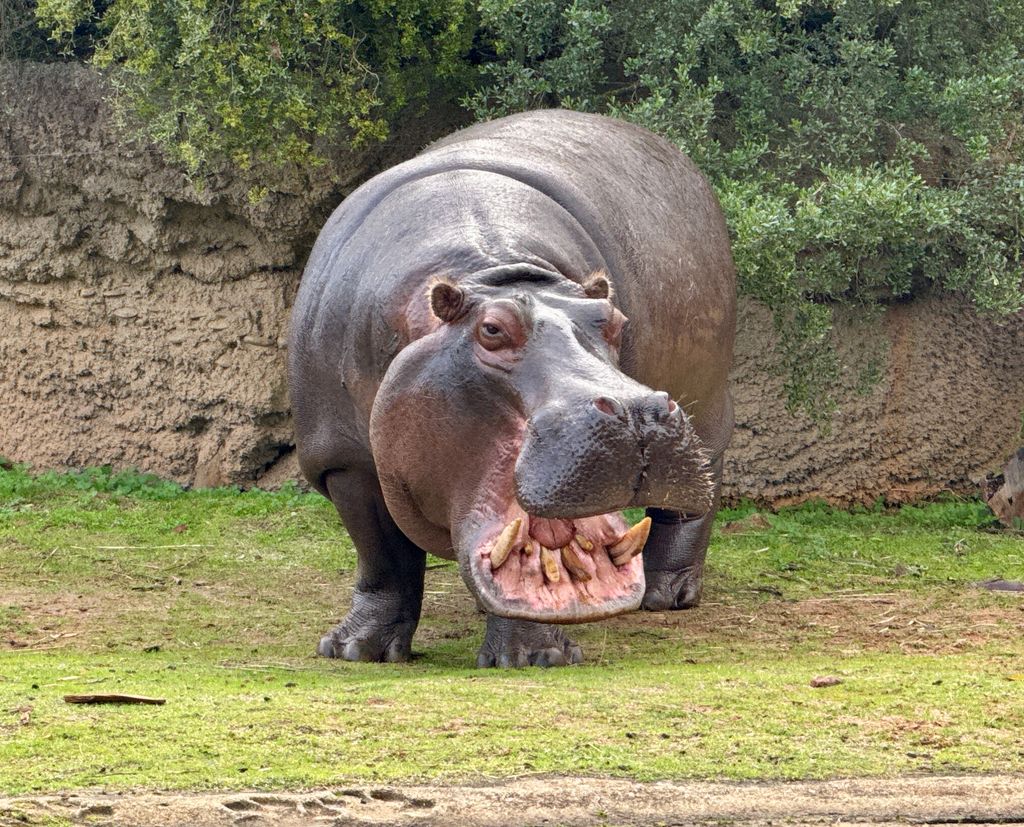
On November 17, Fiona underwent another round of examinations under sedation as veterinarians checked her hydration and digestive health. The team discovered that she was slightly dehydrated, prompting them to administer additional fluids and enemas. They also continued using medication to manage her discomfort and encourage normal digestive movement.
The veterinary team then attempted a colonoscopy using a nine-foot scope borrowed from the Columbus Zoo. A technician travelled to Cincinnati to help with the procedure, giving Fiona’s caregivers another opportunity to locate or retrieve the swallowed object. However, the equipment could not reach far enough into her digestive tract to find the suspected obstruction.
An ultrasound conducted during the examination showed some bunching in Fiona’s intestines. Veterinarians believed this could indicate that something was moving through her small intestine, although they still could not directly locate the hat. The finding offered a possible explanation for what was happening inside her body, but it did not provide a way to remove the object.
The zoo’s veterinary team continued providing supportive care while preparing to reassess her condition. Fiona received pain medication and anti-nausea treatments, while her keepers continued offering favourite foods in the hope that she would start eating more regularly.
A veterinarian described the difficult situation in the zoo’s update, explaining, “At this point, what we can do is supportive care and hope to help support her through passing it.” The team also provided round-the-clock attention, knowing that another procedure might become necessary if her condition failed to improve.
Zoo Tried An Unusual Approach Using A Vibration Plate
As the medical team searched for ways to help Fiona, it also explored an unusual method intended to encourage movement through her digestive system. The Cincinnati Zoo borrowed a vibration plate from a local horse farm and encouraged the hippo to stand on the platform throughout the day.
The idea was to stimulate movement through her digestive tract and help the swallowed object pass naturally. It represented another attempt to support Fiona without resorting to surgery, which specialists had already ruled out as an option for a fully grown hippo.
The veterinary team continued combining this approach with fluids, medication and close observation. Keepers also remained focused on encouraging her to eat because her declining appetite had become one of the most concerning changes following the incident.
Despite these efforts, Fiona’s condition continued to deteriorate. Her blood work showed that her health was failing on November 19, prompting the animal care team to attempt another procedure to locate the obstruction. Tragically, Fiona died during recovery from that procedure.
The zoo later confirmed that the multiple attempts to help her pass the hat had been unsuccessful. For the people who had spent years caring for Fiona, the outcome came after days of intensive work and increasingly difficult decisions.
Examination Revealed The Hat Was Trapped Deep Inside Her Intestine
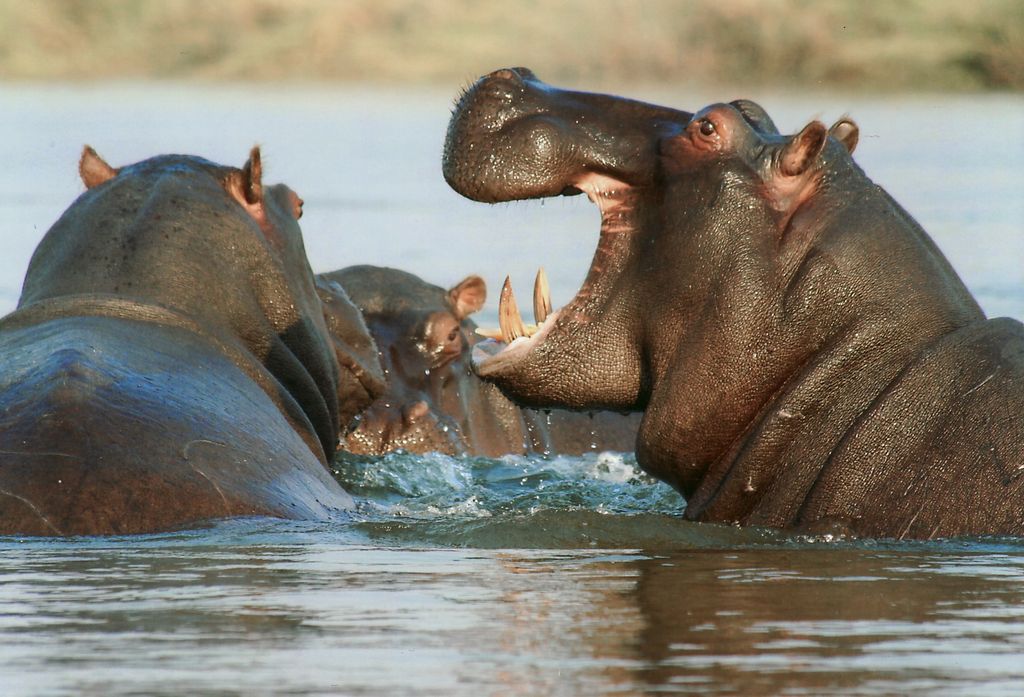
The postmortem examination provided a clearer explanation of why Fiona’s veterinary team had struggled to save her. According to the Cincinnati Zoo, the knitted hat had become lodged in the middle of her small intestine, far beyond the area that available medical equipment could reach.
The examination found that the object was approximately 25 feet beyond her final stomach compartment and around 50 feet from the end of her intestines. Its position meant that veterinarians had no practical way to retrieve it through the procedures they had attempted.
The discovery also confirmed the seriousness of the obstruction. Although Fiona had initially appeared healthy after swallowing the hat, the object had continued travelling through her digestive system until it became trapped in a location where treatment options were extremely limited.
Mike Wenninger, the zoo’s director of animal health, explained the findings, saying, “No treatment aside from supportive care had any chance for success, and the necropsy confirmed that no amount of supportive care would have worked.”
Hippos have a specialised digestive system adapted to processing plant material. Their large gastrointestinal tract allows swallowed material to travel through an extensive digestive system, but synthetic objects can create dangerous complications. Unlike the watermelons and pumpkins Fiona regularly enjoyed, knitted synthetic fibres were never meant to be processed by her body.
The location of the hat also made the situation particularly difficult because the veterinary team could not reach it using the available equipment. By the time the obstruction was identified after her death, the examination confirmed that the outcome could not have been changed through additional supportive care.
Fiona Had Once Survived A Premature Birth Against The Odds
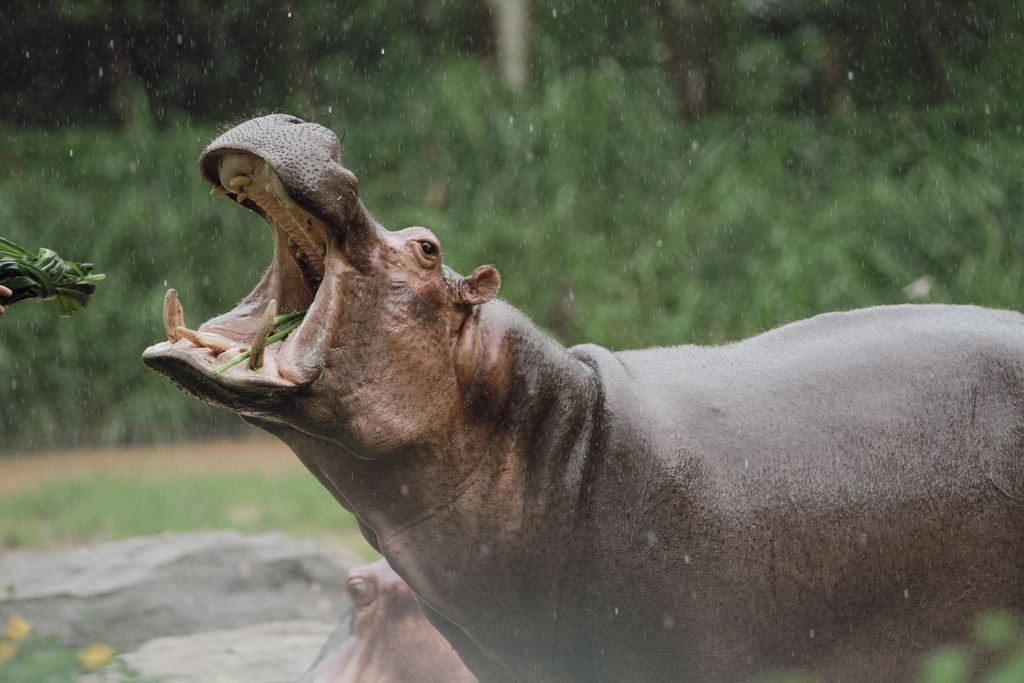
Fiona’s death is particularly heartbreaking because her life began with another extraordinary medical struggle. She was born at the Cincinnati Zoo on January 24, 2017, approximately six weeks before her expected arrival. Her mother, Bibi, was 17 years old at the time, and Fiona weighed just 29 pounds.
That was around half the previously recorded lowest birth weight for her species, leaving the newborn hippo facing serious challenges from the beginning. She initially struggled to stand and could not nurse independently, meaning zoo staff had to provide intensive care to keep her alive.
Her caregivers worked around the clock to support her development. Because Fiona could not nurse, a zoo staff member hand-milked Bibi so the newborn could receive the nourishment she needed. Her progress became a closely followed story as the zoo shared updates about her condition and development.
People from different parts of the world began following Fiona’s recovery. Her early struggles made every improvement significant, and her eventual survival became a source of happiness for families who had watched her grow.
Against the odds, Fiona developed into a healthy adult hippo weighing around 2,000 pounds. Her popularity continued throughout her life, making her one of the Cincinnati Zoo’s most recognisable residents.
She also became part of the city’s wider cultural identity, inspiring an ice cream flavour and appearing as a character in Cincinnati’s ballet. Her story reached people who might never have considered themselves particularly interested in hippos, largely because they had watched her fight for survival from the very beginning.
Fiona celebrated her ninth birthday earlier in 2026 with a special watermelon treat from her keepers. For the people who had cared for her since birth, those years represented a remarkable journey that had taken her from an extremely vulnerable newborn to a beloved adult animal.
Visitors Left Flowers And Messages To Remember Fiona
Following confirmation of Fiona’s death, tributes began appearing at the Cincinnati Zoo. Visitors gathered around a hippo statue and left flowers, handwritten notes, watermelons and pumpkins, including some of the treats she had enjoyed during her life.
One visitor’s note captured the affection people felt for the animal, reading, “She brought so much love in her lifetime.” Other messages reflected the personal connection many families had developed after following Fiona’s story for nearly a decade.
Jessica Grieshop, who regularly brought her daughters to see Fiona, visited the zoo after hearing the news. She described the hippo as an inspiration for “anyone that was going through hard times.” Her words reflected how Fiona’s early survival story had become meaningful to people facing difficulties in their own lives.
Cincinnati Zoo director Dave Jenike also spoke about the response from people around the world. He compared the support following Fiona’s death with the enormous public interest that surrounded her premature birth.
“The support that we’re feeling from all over the world reminds me of the time when everyone pulled together to root for her to survive,” Jenike said. “She did, and she gave us almost a decade of smiles.”
One of Fiona’s keepers, Jenna Wingate, shared an especially emotional farewell on Instagram. She described the experience as similar to losing a family member and reflected on how closely her own life had become connected with Fiona’s.
“It has always felt like we grew up together, and I often used to smile thinking about growing old with her and her still being around when I retire,” Wingate wrote. She also described the circumstances of Fiona’s death as horrific and tragic.
Wingate ended her message with the words, “She was our family. I love you Fiona and I am so sorry.” Her tribute offered a glimpse into the personal loss experienced by the people who had spent years looking after the hippo.
Fiona’s Mother And Younger Brother Remain At Cincinnati Zoo
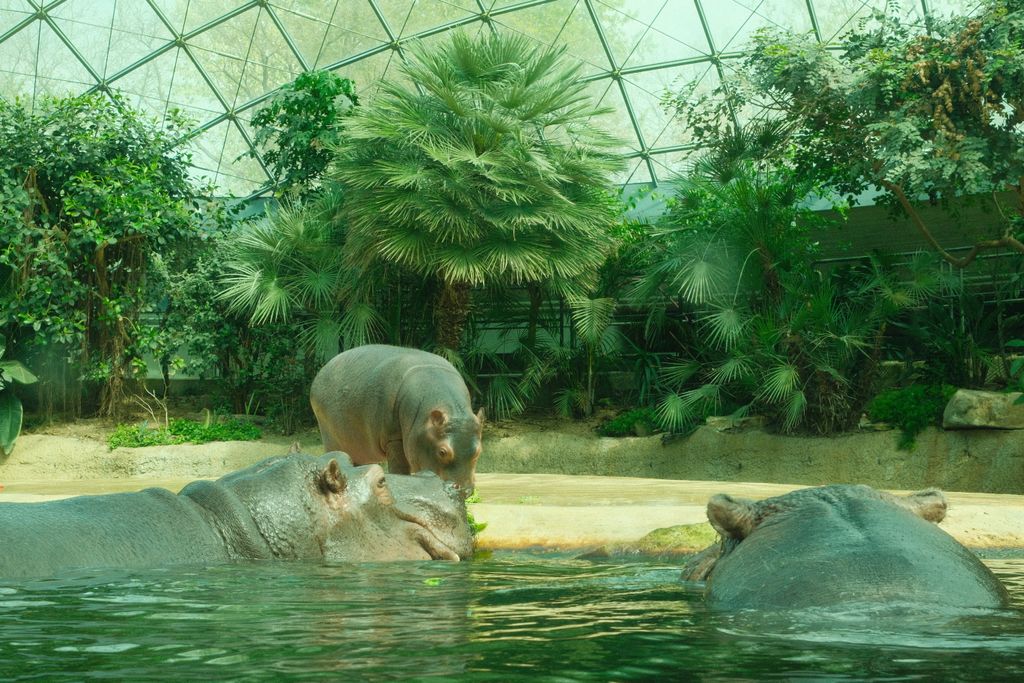
Although Fiona’s death has left a significant absence at the Cincinnati Zoo, her mother and younger brother continue living there alongside Tucker. The zoo provided an update about the remaining hippos one day after confirming Fiona’s death, explaining that they were eating and behaving normally.
Christina Gorsuch, the zoo’s curator of mammals, acknowledged that understanding how the animals were responding to the loss was difficult. She explained that the remaining hippos appeared to be following their usual routines despite the devastating news for their human caregivers.
“It’s difficult to know how they’re feeling, but they appear to be their normal selves,” Gorsuch said.
Fiona’s family history also includes the loss of her father, Henry, who died in 2017 after struggling with an ongoing illness. He had been brought to Cincinnati from Dickerson Park Zoo in Springfield, Missouri, to mate with Bibi. He eventually met Fiona several months after her birth, in July 2017.
Henry’s health deteriorated over time, and his care team worked to keep him comfortable using antibiotics, favourite foods and additional attention. His death was another difficult moment for the zoo’s mammal care team.
Bibi was later introduced to Tucker, who arrived at Cincinnati Zoo in September 2021 as a potential mate. Their calf, Fritz, was born in August 2022 at a healthy weight and without the complications that had marked Fiona’s arrival.
The family members continue to receive care from the zoo’s staff, who have also asked visitors to take greater care around animal habitats.
Fiona’s death has left behind a painful example of how a seemingly accidental interaction between a visitor and an animal can have devastating consequences. A knitted hat that entered an enclosure through an unusual chain of events eventually became an obstruction that even an experienced veterinary team could not remove.
For the people who watched Fiona grow from a 29-pound premature newborn into one of Cincinnati’s most recognisable animals, her life will always be remembered for the odds she overcame. Her final days were marked by a tragedy that her caregivers worked desperately to prevent, while her nine years brought joy to millions who followed her story.