
Your cart is currently empty!
Fitness Coach Posts the Cellulite Photo She Almost Deleted, and Her Message Is Striking a Nerve
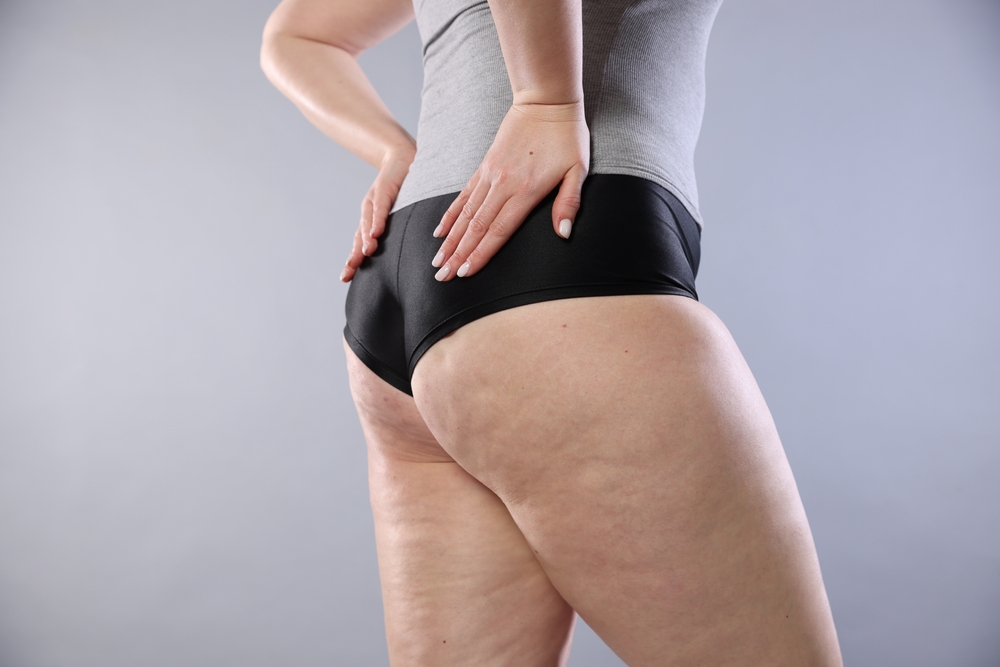
Riva Siggins had two photos from the same race. One showed the version of her legs she felt comfortable posting. The other showed cellulite across the backs of her thighs, captured from an angle most people would probably delete without thinking twice. Siggins nearly did exactly that, until she decided the second photograph was the one people actually needed to see.
Contents
show
The UK fitness coach, head coach at Revive Fitness and an Ironman trainee, eventually posted both images side by side. Her point was simple but difficult to ignore: the body in the supposedly flattering photograph and the body in the unflattering one belonged to the exact same woman, on the exact same day, during the same race. The difference was the camera angle, the lighting and the moment. Her fitness level had not changed.
The Photo She Almost Deleted
Siggins has built her fitness presence around sharing what she describes as an “unfiltered fitness journey.” That made the second photograph particularly revealing because it showed something many people have been taught to associate with a lack of fitness: cellulite. Instead of quietly removing it, she placed it beside the photograph she had originally chosen and made the contrast impossible to miss.
Across the first image, Siggins wrote “the picture I posted…” On the second, she added “the one I went to delete…” The photographs showed the same legs at the same event, but they created two completely different impressions. One looked polished and conventionally flattering; the other exposed the texture that can appear when skin, fat and connective tissue are photographed from a different angle.
Siggins explained why she decided to leave the second image up. She said she was “exposing myself in the hope it helps at least one of you be kinder to yourself and celebrate what your body can do more.” She also pointed out how easy it is to share only photographs in which you believe you look your best, before making the central point: how a body looks in a particular photograph “has absolutely nothing to do with how strong or capable you are.”
She Was Training for an Ironman
The photograph becomes harder to dismiss when you consider whose legs are actually in it. Siggins is not someone who stumbled across exercise yesterday and decided to post a motivational message. She works as a fitness coach, has a competitive swimming background and was training for an Ironman when she shared the images.
That matters because cellulite is often treated online as evidence that someone needs to lose weight, train harder or somehow become “fitter.” Siggins’ own example makes that assumption difficult to defend. Her body was performing at an extremely demanding level while still showing the same feature that appears on millions of other women’s bodies.
There is also something revealing about the two photographs appearing together. If the images had been posted separately, most viewers would probably assume they represented different stages or different physical conditions. Instead, they expose how dramatically lighting, posture and perspective can change the way the same body appears within seconds.
Cellulite Is Extremely Common
Cellulite can look like a fitness problem when it appears in carefully curated social media feeds, but medically it is considered a cosmetic condition rather than an illness. Cleveland Clinic estimates that between 80% and 90% of women who have gone through puberty have cellulite, making it one of the most common features found on adult women’s bodies.
That figure puts Siggins’ photograph in a very different context. The dimpling visible on her thighs is not some rare sign that something has gone wrong. It is an extremely common feature that can remain visible even in women who exercise regularly and have strong, highly trained bodies.
Cellulite itself does not generally cause pain or damage a person’s overall physical health. Its appearance can vary considerably from person to person, however, which helps explain why two people with similar fitness levels can look completely different in photographs.
Why Strong Bodies Can Still Have Cellulite
The reason comes down to what is happening underneath the skin. Cellulite develops when fibrous connective bands beneath the skin pull downward while the normal layer of fat pushes upward, creating the familiar dimpling effect.
Several factors can influence how visible it becomes. Genetics, age, sex, skin thickness and the amount and distribution of body fat can all play a role, which means there is no simple equation connecting cellulite with effort in the gym.
That distinction is easy to lose on social media, where bodies are frequently photographed under controlled lighting and carefully selected angles. A person can have impressive endurance, substantial muscle strength and years of training behind them, yet still photograph with cellulite clearly visible. The camera does not measure fitness.
An Olympian Made the Same Point
Siggins’ post follows a pattern that has appeared repeatedly among female athletes who have decided to show what highly trained bodies can actually look like. In January 2024, US rugby player Ilona Maher shared footage showing her own thighs and addressed the assumption that cellulite somehow conflicts with athleticism.
“I’m a literal Olympian. I’m a professional athlete. I run all day long. I lift weights all day long, constantly. And that is what my legs look like,” Maher said. She then described having cellulite across her legs as “completely normal, completely natural.”
The response to Maher’s post showed why these images can hit so hard. One woman said she wished she had seen the video when she was younger because a coach had once told her that her thighs took away from her skills. That comment points to a bigger problem with judging athletic bodies by appearance: the judgment can become part of the training environment itself.
Another Runner Exposed the Race Photo Trick
Distance runner Dorothy Beal made a similar point years earlier after noticing how differently her body could appear in photographs taken during races. In 2017, she shared two images from the same race to challenge the idea that a single unflattering frame could tell anyone what a runner’s body was capable of.
“Yes I have cellulite and I’m not a featherweight, but my body and these legs have carried me through 32 marathons and over 100 races,” Beal wrote. Her words put the focus back where it belonged: on what her body could actually do.
Beal also used the hashtag #irunthisbody to challenge narrow ideas about what a runner is supposed to look like. Her message was that runners can be thin, thick, short, tall or anything else while still belonging in the same community. A race does not have a body-type requirement.
Exercise Can Change Appearance, But Not Erase Cellulite
There is a temptation to turn every conversation about cellulite into a before-and-after story. Exercise and changes in body composition can make cellulite less noticeable for some people, and Cleveland Clinic notes that physical activity can improve its appearance. That does not mean exercise can guarantee completely smooth skin.
Treatments marketed specifically for cellulite also come with varying results. Some cosmetic procedures may reduce its appearance, but outcomes differ, and photographs used to sell treatments can be influenced heavily by lighting, posing and image selection.
That is why Siggins’ post lands differently from a typical fitness transformation. She was not promising a routine that would make cellulite disappear. She was showing what her legs looked like while she was already training at an elite level of personal commitment, making it much harder to argue that visible cellulite represents a failure to work hard enough.
The Fitness Industry Has a Camera Problem
Fitness culture has spent years teaching people to evaluate bodies through photographs. A particular pose can make muscles look larger, a shadow can make skin appear smoother and a change in posture can completely alter the shape of someone’s legs. None of those things changes what the body can lift, run, swim or endure.
Social media makes the effect even stronger because people rarely see the discarded photographs. They see the chosen image, the best lighting and the angle that made the subject feel most confident. Then they compare that carefully selected frame with their own body in ordinary lighting, from ordinary angles, while standing in front of a bathroom mirror.
Siggins effectively put the discarded photograph back into the feed. That small decision challenged the illusion created by thousands of carefully selected fitness pictures. Her legs did not suddenly become less capable because a camera caught them differently.
The Photo She Nearly Deleted Says More
The flattering image would have been easy to scroll past. It showed exactly what social media audiences have been trained to expect from a fitness coach: a strong-looking body presented at its best.
The second photograph did something more useful. It showed that the same body could look completely different without its strength changing by even a fraction. Siggins could finish a race, train for an Ironman and coach other women while still having cellulite on her thighs.
For anyone who has ever deleted a photograph because one part of their body looked “wrong,” that distinction is worth keeping. A bad angle can change a photograph in seconds. It cannot rewrite what your body is capable of doing.