
Your cart is currently empty!
Flock Safety’s New AI Could Track Drivers By How They Move
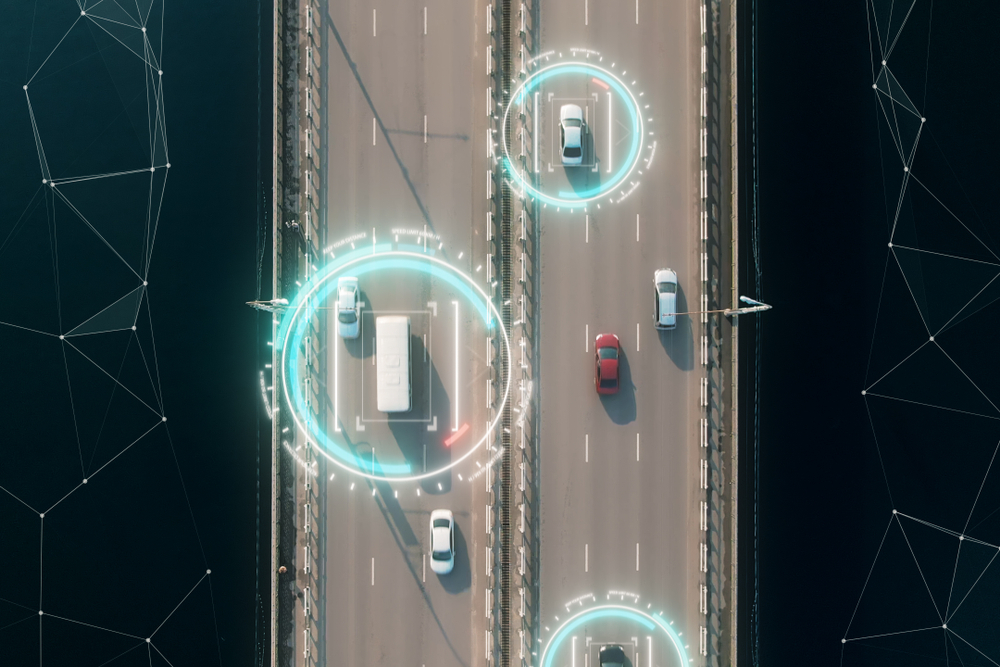
A surveillance company that spent years insisting its technology could not identify or track people is now testing an AI system that appears capable of doing exactly that.
Contents
show
Flock Safety has built a tool for police that can identify drivers and track vehicles based on patterns of movement. The system can reportedly search for vehicles based on where they travel, when they appear and which other vehicles repeatedly move alongside them.
Flock Safety Is Testing A New Kind Of Police Search
Flock Safety has become one of the biggest names in automated vehicle surveillance, with its cameras collecting information about cars as they move through communities. The company has long presented that technology as focused on vehicles rather than the people inside them.
That distinction is now being tested by a new artificial intelligence system called OS Investigate. According to WIRED, the system was previously known as Nightshift and is being tested with a small number of law enforcement partners.
The technology can reportedly identify drivers and trace vehicles by studying patterns of movement. That means investigators may be able to begin with behavior rather than a known person, vehicle or license plate.
Flock has previously told the public that its technology “cannot recognize, identify, or track individuals.” The new system raises obvious questions about how that statement applies when AI can connect vehicle movements to people and other databases.
The AI Can Search For Patterns Instead Of Plates
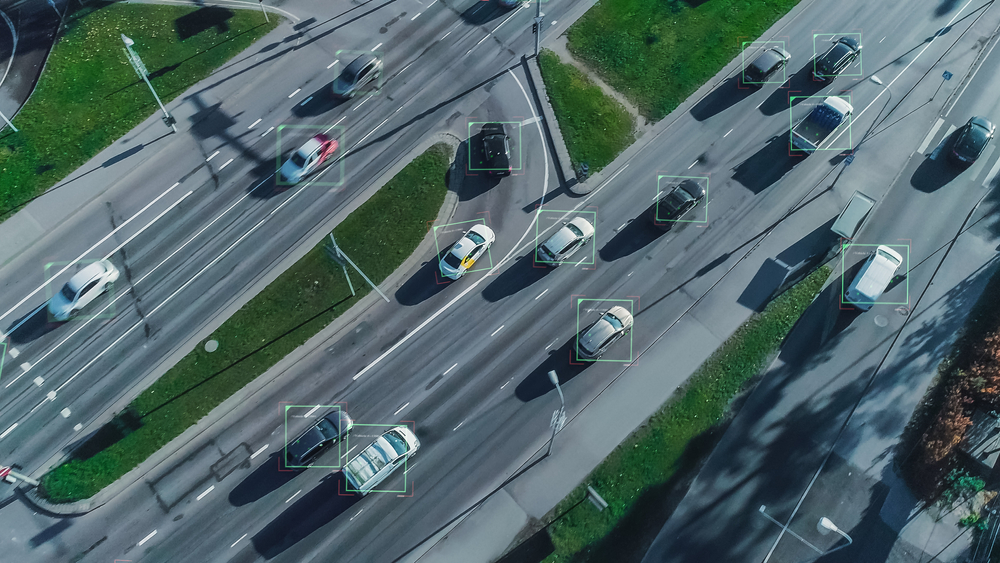
Traditional license plate reader systems generally start with a vehicle. An officer has a plate number or description and searches records to find out where that vehicle appeared. OS Investigate appears designed to turn that process around.
WIRED found 69 prewritten prompts inside the system. Fourteen reportedly require no license plate, name or physical description to begin a search. Instead, the system can look for vehicles displaying particular patterns of movement.
Some searches reportedly focus on vehicles that repeatedly visit certain locations or travel between cities. Others can look for vehicles visiting several retail stores, banks or gas stations within specified periods.
That creates a different kind of investigative tool. Police could potentially search a huge collection of driving records for unusual behavior and then work backward toward the person connected to those movements.

The System Can Find Vehicles That Move Together
Another feature described by WIRED involves finding vehicles that repeatedly appear near one another. The system can reportedly examine whether two vehicles show up at the same cameras within a short period and use those encounters to identify possible associates.
The default settings reportedly look for vehicles appearing together within a two-minute window. If the same vehicles repeatedly appear near each other, the system can rank one as an associate of another.
That information can then be used to expand an investigation. Instead of following one vehicle through a camera network, investigators could potentially build a wider picture involving several vehicles connected through repeated movements.
The system therefore changes the usefulness of surveillance records. A camera recording a car is one piece of information. An AI system connecting thousands of those records can turn individual sightings into a much broader map of movement.

Ordinary Driving Habits Could Become Investigative Clues
The most striking feature may be the ability to search for behavior that does not initially appear suspicious. WIRED reported that some prompts can look for vehicles visiting multiple locations or making repeated trips during particular periods.
A vehicle that repeatedly travels between two cities could therefore become relevant to a search without investigators initially knowing who owns it. The same principle could apply to repeated visits to businesses or other locations.
That raises an uncomfortable possibility for ordinary drivers. Daily routines create patterns, even when people are doing nothing unusual. A regular commute, repeated shopping trip or predictable route can become searchable data when enough cameras record it.
The system also reportedly allows certain commercial vehicles to be filtered out. That means the AI can distinguish between categories of vehicles while searching for patterns, adding another layer to the information being analyzed.
Vehicle Records Can Lead To Personal Information
The surveillance system becomes more consequential when vehicle data is connected with other information. WIRED found references to police case files, arrest records, 911 dispatch information, ballistics records and commercial databases containing personal details.
Those commercial databases can reportedly include information such as dates of birth, phone numbers, email addresses, relatives and associates. A vehicle record can therefore become an entry point into a much larger collection of personal information.
That connection is important because the original camera footage may contain little more than a vehicle passing through an intersection. When combined with other databases, the same record can potentially help investigators identify the person associated with that vehicle.
The technology also reportedly allows searches for people using physical descriptions within geographic areas. That pushes the system further away from simply reading license plates and toward searching for individuals across connected datasets.
Privacy Experts Are Raising Serious Questions
The expansion of these capabilities has already drawn concern from privacy advocates. Jay Stanley, a senior policy analyst with the ACLU’s Speech, Privacy, and Technology Project, told WIRED that the public may have assumed license plate readers were primarily used to check whether particular vehicles were wanted.
The use of AI changes that equation because investigators can potentially ask broader questions across huge amounts of stored information. Instead of looking for one known vehicle, an officer could search for patterns and allow the system to generate potential leads.
Former Pawtucket, Rhode Island, police officer Noel Pichardo, who had previously raised concerns about Flock, told WIRED, “I don’t know how anyone can argue against the idea that Flock literally tracks people.”
Concerns about misuse also have precedent. WIRED reported that a Washington Post analysis identified 50 officers who had been charged with or accused of misusing license plate systems, including cases involving attempts to track romantic partners, former partners or women they wanted to meet.
Flock Says The System Is Still Being Developed
Flock has emphasized that OS Investigate remains under development. The company has also pointed to safeguards intended to control how law enforcement users access its technology and how searches are monitored.
According to the information reported by WIRED, planned safeguards include monitoring for abnormal searches, automatically locking flagged users and requiring officers to attach case codes to searches by the end of 2026.
Flock also says law enforcement access is restricted to authorized users and that searches are logged. Those controls are designed to create an audit trail when officers use the system.
The challenge is that surveillance capabilities can expand quickly when AI is placed on top of an existing network. A system built to store vehicle sightings can become something much more powerful once software can interpret patterns and search across databases automatically.
The Real Change Is How Police Can Ask Questions
The biggest shift may not be the cameras themselves. It is the kind of question an investigator can ask once AI is allowed to examine the information they collect.
A conventional search might begin with a license plate and ask where that vehicle went. A pattern-based AI system can begin with a behavior and ask which vehicles fit it, then search for connections and personal information.
That could make investigations faster, but it also creates a system capable of turning ordinary movement into searchable evidence. The more cameras collect, the more detailed those patterns can become.
Flock’s technology is still being tested, and the final capabilities of OS Investigate could change. But the direction is already clear: surveillance is moving from recording where vehicles appear toward using AI to infer who people may be and how they move through the world.
For drivers, the unsettling part is simple. A camera may only capture a car passing by, but an AI system can potentially turn thousands of those moments into a profile.