
Your cart is currently empty!
Florida Moves To Block Welfare Spending On Tattoos, Tanning, Tobacco And More
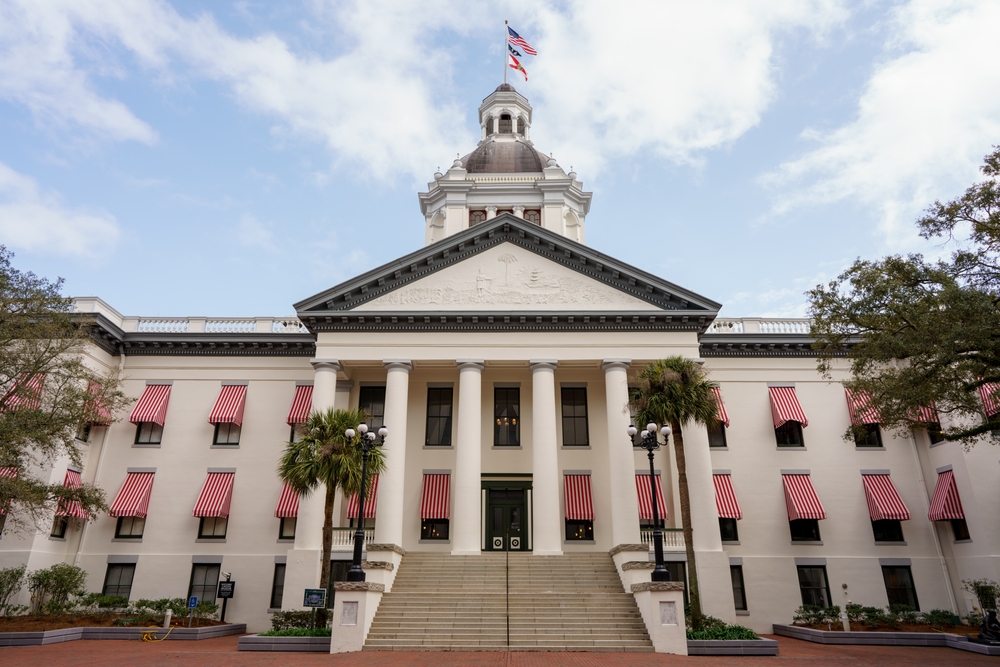
Florida is taking a tougher approach to how recipients of one of its cash assistance programs can spend their benefits, with Gov. Ron DeSantis backing restrictions that would block purchases ranging from tobacco and tattoos to tanning services, theme park tickets, and video games. The proposed changes would affect the state’s Temporary Cash Assistance program, which provides monthly financial help to low-income families with children. State officials say the goal is to ensure taxpayer-funded benefits are used for necessities rather than goods and services they consider nonessential.
Contents
show
The announcement has drawn attention because Florida is attempting to go further than many existing EBT restrictions. Rather than focusing mainly on the types of businesses where benefit cards can be used, the state wants to target individual products and services. If the plan receives federal approval, it could make Florida a major test case for how closely states can control spending within a federal cash welfare program.
DeSantis Pushes For New Welfare Restrictions
DeSantis announced that Florida is amending its Temporary Assistance for Needy Families State Plan, which governs the state’s cash welfare program. The governor described the proposed changes as new guardrails designed to direct taxpayer-funded assistance toward basic household needs. “Florida is now the first in the nation to set guardrails” on its TANF plan, DeSantis said, presenting the proposal as a measure aimed at preventing benefits from being spent on purchases the administration considers inappropriate.
The proposed policy would not reduce the amount of money eligible families receive each month. Instead, it would place new restrictions on what the funds can be used to purchase. That distinction is central to the administration’s argument, as Florida is not proposing to shrink benefit levels but to exercise greater control over where the money goes once recipients receive it.

Tattoos, Tobacco And Tanning Are On The List
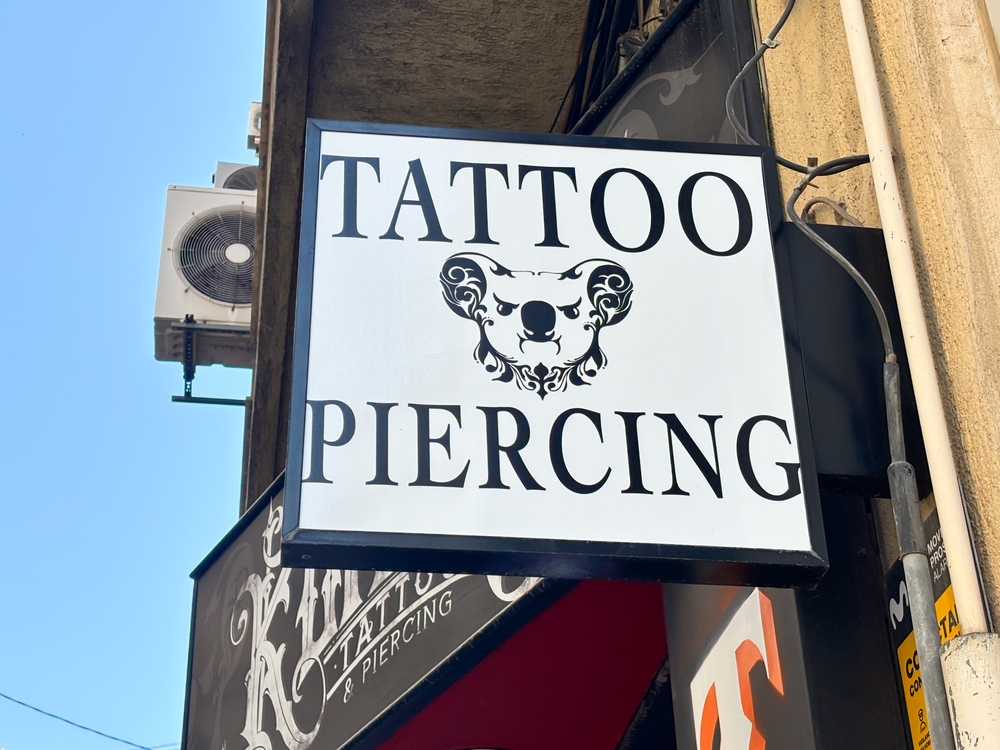
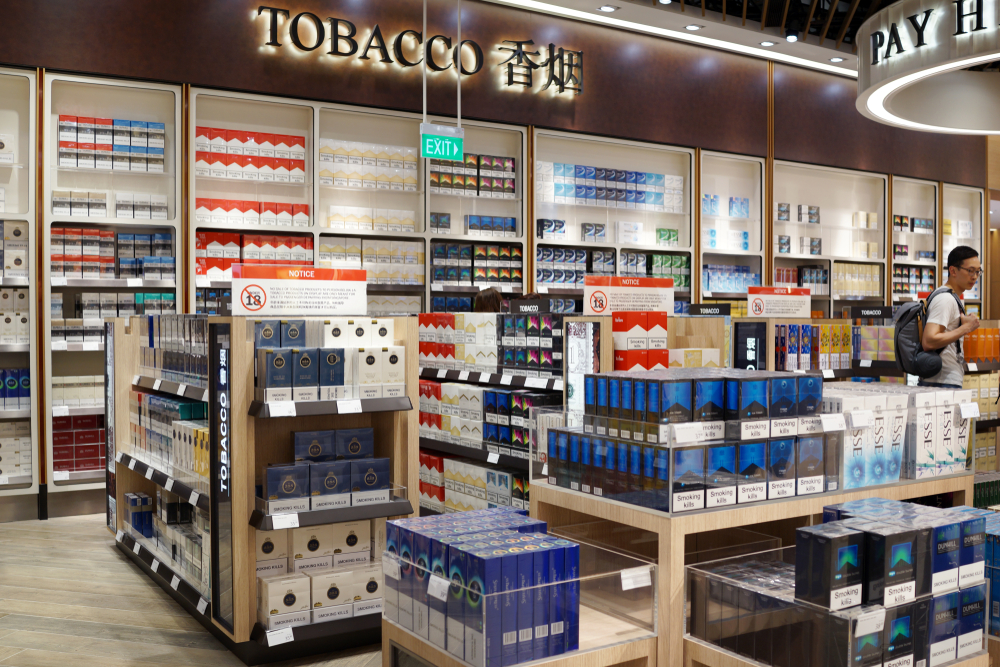
The proposed list of prohibited purchases covers a broad range of products and services. Tobacco and nicotine products would be blocked, including vaping products, while drugs and other intoxicants would also be prohibited. Florida also wants to prevent recipients from spending the cash assistance funds on tattoos, tanning services, spas, pornography, theme parks, entertainment tickets, subscriptions, video games, and psychic or fortune-telling services.
The wide range of items has made the proposal particularly attention-grabbing. Some of the restrictions involve products that are already controversial when purchased with public assistance, while others target entertainment and personal services that are not traditionally associated with existing EBT rules. Florida’s approach would give the state a much more detailed role in determining which purchases qualify as appropriate uses of cash welfare benefits.
Purchases Targeted Under The Proposal
The proposed restrictions include:
- Tobacco and nicotine products: Including cigarettes and vaping products.
- Tattoos and tanning services: Along with spa and similar personal services.
- Theme parks and entertainment: Including entertainment tickets and subscriptions.
- Video games and pornography: Both would be classified as prohibited purchases.
- Drugs and intoxicants: These products would also be restricted.
- Psychic and fortune-telling services: Benefits could not be used to pay for these services.
The final rules will depend on the details approved by federal officials and the system Florida develops to enforce them. The state still needs to establish how retailers and payment processors will identify restricted purchases, particularly in stores that sell both permitted and prohibited products.
How Much Assistance Families Receive
According to the Florida Department of Children and Families, households participating in the Temporary Cash Assistance program receive about $250 per month on average. The program provides financial assistance to low-income families with children and is separate from SNAP, the federal nutrition assistance program that is generally associated with food purchases. Adults are limited to 48 months of cash assistance over their lifetimes under the program’s existing rules.
The proposed spending restrictions would not change those benefit levels. Families who remain eligible for the program would continue receiving assistance under the current structure, but the range of transactions permitted with those funds could become narrower. Florida officials are presenting that approach as a way to maintain support for families while preventing money from being used on goods and services outside what the state considers essential needs.
Existing Rules Already Restrict Some Transactions
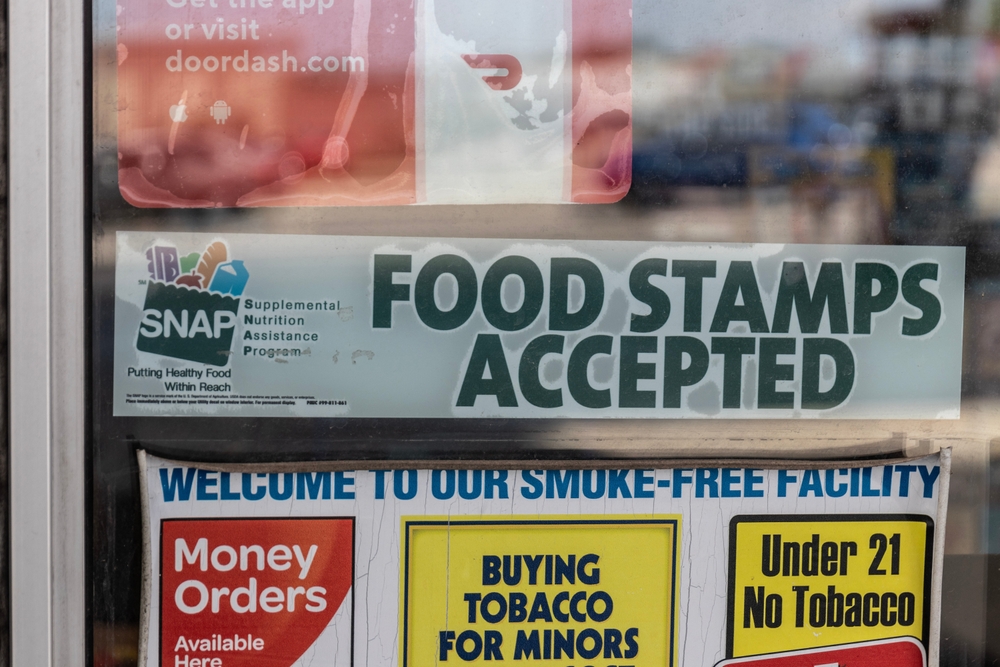
Federal law already requires states to block EBT transactions at liquor stores, casinos, and certain adult-entertainment establishments. Those restrictions primarily focus on preventing benefit cards from being used at particular locations rather than examining every individual item purchased during a transaction. Florida also has state-level restrictions involving alcohol and several gambling-related facilities.
The state’s EBT vendor already blocks transactions at prohibited locations, including certain pari-mutuel facilities, slot-machine venues, and qualifying bingo establishments. The new proposal would move beyond that location-based model by attempting to restrict specific products and services. That change could significantly expand the technical systems needed to monitor how cash assistance benefits are spent.
The New Plan Goes Beyond Store Bans
Florida’s proposed policy is different from many existing restrictions because it focuses on individual transactions. A recipient could enter a store that sells groceries, household supplies, tobacco products, and video games, creating a situation where some purchases may be permitted while others are blocked. That means retailers and payment systems could need new methods to distinguish between eligible and prohibited items.
The state plans to introduce the restrictions gradually rather than attempting to apply every new rule immediately. Implementation would begin with retailers authorized under SNAP before expanding toward broader transaction-level restrictions. Florida officials have not yet provided a complete public timeline for when every proposed restriction would take effect, and that schedule will depend partly on discussions with federal officials.
Federal Approval Still Stands In The Way
DeSantis said Florida is working with the Trump administration on the proposed changes and expects to submit a formal request for federal approval. Speaking in Tampa, he said the state had coordinated closely with federal officials during the process and expressed confidence that the administration would be receptive to the plan. However, the proposal still requires approval before Florida can fully implement the new restrictions.
Interim Department of Children and Families Secretary Kate Williams said the department is actively working on the amendment. “We’re working on amending the state plan right now,” Williams said, according to the reference material. The department will work with federal officials to establish timelines before providing detailed instructions to retailers and recipients, meaning the practical rollout remains dependent on decisions that have yet to be finalized.
Florida Has Already Tightened SNAP Rules
The proposal comes after Florida introduced other restrictions involving public-assistance benefits. The state’s Healthy SNAP initiative took effect on April 20 under a two-year federal demonstration project. That program prevents SNAP benefits from being used to purchase soda, energy drinks, candy, and ultra-processed shelf-stable prepared desserts, reflecting a separate effort to influence the types of products purchased through government assistance.
The Healthy SNAP initiative applies to food assistance, while the latest proposal targets the Temporary Cash Assistance program. Although the programs operate differently, both policies reflect Florida’s growing interest in placing more specific limits on benefit spending. The state is increasingly moving away from a system that simply provides assistance and toward one that places greater restrictions on the categories of purchases recipients can make.
The Debate Is Now About Who Controls Spending
Supporters of the proposed restrictions are likely to argue that taxpayer-funded benefits should be reserved for household necessities and that the government has a responsibility to prevent money from being used on entertainment, nicotine, or other nonessential purchases. DeSantis has framed the plan around that argument, describing the restrictions as a way to ensure public assistance remains focused on its intended purpose.
Critics may question how broadly the government should define an essential purchase and how much control states should exercise over the financial choices of people receiving assistance. Those questions could become even more significant if Florida successfully implements transaction-level restrictions that other states later consider adopting. For now, Florida’s proposal has placed the spotlight on a simple but politically charged issue: not how much welfare recipients receive, but who gets to decide exactly what they are allowed to buy with it.