
Your cart is currently empty!
Hundreds of Teachers Stepped Up When Cancer Left Their Colleague With No Sick Leave
There are moments when a community quietly proves that kindness is more than a comforting idea. For one Florida history teacher facing the hardest battle of his life, that moment arrived after he admitted he could not do it alone.
Contents
show
Robert Goodman had spent decades encouraging students through difficult chapters in history. Then life handed him a crisis that no lesson plan could prepare him for. As cancer treatments drained his strength and his paid leave disappeared, he faced an impossible choice between protecting his health and keeping a paycheck. What followed showed just how far people will go when someone who has spent years giving to others suddenly needs help.
A Diagnosis That Changed Everything
For more than two decades, Robert Goodman taught history at Palm Beach Gardens Community High School in Florida. Known by students as a dedicated educator and by friends as a songwriter, teaching had become much more than a profession. It was where he believed he could make a lasting difference in people’s lives.
That routine came to an abrupt halt in April 2018 when doctors diagnosed the 56-year-old with stage III colon cancer. The news was devastating.
“It was terrifying,” Goodman later told CNN as he reflected on the moment he learned about his illness.
The diagnosis meant surgery followed by months of aggressive chemotherapy. Goodman underwent surgery on May 4 before beginning treatments that left him physically exhausted. Each chemotherapy session took a significant toll, making even ordinary daily tasks difficult.
Speaking with ABC News, Goodman explained how the treatments affected him.
“Each chemo treatment takes at least a week for me to feel just 70 percent,” he said. “I have never had the energy for a full day.”
While he focused on fighting cancer, another problem slowly emerged.
His paid sick leave was disappearing.
Running Out of Time and Options

Like many teachers across America, Goodman had accumulated a limited number of sick days through years of service. They were enough to cover surgery and part of his recovery, but not nearly enough for months of chemotherapy.
By midsummer, he had already used 38 sick days. Doctors expected he would need at least another 20 days to finish treatment safely. Without additional leave, he would have to return to work while still enduring chemotherapy or take unpaid leave and risk serious financial hardship.
Neither option felt possible.
His treatments often left him fatigued for days. Even getting out of bed required tremendous effort.
“It truly frightened me,” Goodman told the BBC. “Chemo really messes with you. I was wondering how I could handle getting up at 5am every day.”
The worries stretched far beyond exhaustion.
Teaching meant spending every day around hundreds of students, especially during cold and flu season. With chemotherapy weakening his immune system, even common illnesses could become dangerous.
“How could I handle all the different side-effects around the kids? How could I handle kids bringing the flu and colds to school?” he said.
Financially, the situation looked equally bleak.
Without enough paid leave, Goodman faced weeks or even months without income while continuing to pay medical bills. Although he would retain health insurance, unpaid leave could leave him struggling to cover everyday expenses.
Like many people confronted with overwhelming circumstances, he hesitated before asking others for help.
Eventually, he decided he had little choice.
One Facebook Post Changed Everything
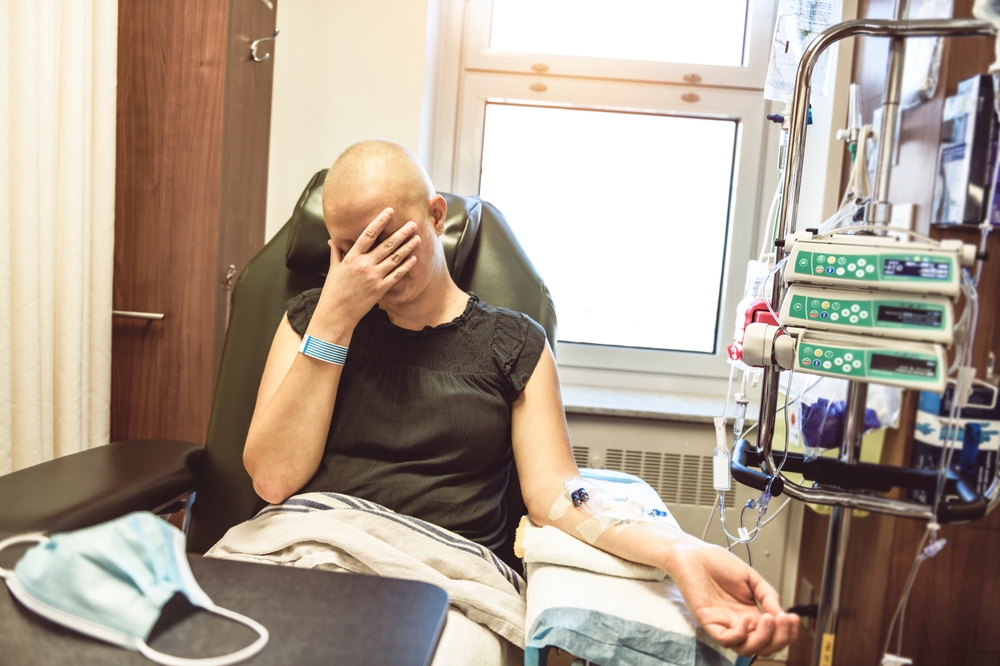
On July 23, while sitting at Tomsich Health and Medical Center in Palm Beach County receiving chemotherapy, Goodman opened Facebook and shared an honest message with friends, coworkers, and fellow educators.
He explained his situation without exaggeration.
“If I can get 20 more sick days from any teacher or district employee volunteers that would allow me to take more time to recover in battle through chemo for 12 weeks which should be enough time for me to complete at least the treatment so if any of my teacher friends are out there spread the word for me I would appreciate it thank you so much,” he wrote.
He hoped enough people might each contribute a single day.
That was all he needed.
The request spread quickly across Facebook as fellow teachers shared his post with colleagues, friends, and school employees throughout Florida.
Goodman expected it might take weeks before enough people responded.
Instead, everything happened in just four days.
Teachers Across Florida Stepped Forward

The response stunned Goodman.
Teachers, principals, cafeteria workers, administrators, and school staff members who participated in the Florida Retirement System began donating their unused sick leave to him. Under district rules, employees could transfer sick leave credits to another qualifying worker facing a serious medical situation.
The donations poured in far faster than anyone expected.
Within four days, Goodman had received enough donated leave to remain away from work for an entire semester while finishing chemotherapy. Initial reports counted about 75 donated sick days, while later totals approached 100 days as additional paperwork was completed.
“I asked for help. I just didn’t expect to get the help in four days,” Goodman told the BBC.
The speed surprised him.
The generosity itself did not.
“It surprised me how fast it happened,” he said. “But it didn’t surprise me that teachers gave.”
His explanation reflected the culture he had experienced throughout his career.
“Teachers always give. It’s a profession of giving.”
Many donors had never worked directly with Goodman.
Some had never even met him.
Yet they willingly gave away paid leave they could have saved for themselves or eventually converted into retirement benefits.
“They could have cashed those days in when they retired if they didn’t use them,” Goodman explained. “They were in a sense giving me their retirement money to help me heal.”
For Goodman, that realization made the gesture even more meaningful.
More Than Sick Days

As news of Goodman’s story spread beyond Palm Beach County, support arrived from well outside his own school district.
“Educators all over the country were reaching out to me to donate their sick days, even professors over at Florida Atlantic University,” he told CNN.
Many people also offered financial assistance.
Goodman politely declined.
The donated sick leave accomplished something money alone could not. It allowed him to recover without sacrificing the income his family depended on.
“They donated sick days of theirs, which is going to help me and allow me not to go bankrupt, and allow me to heal in peace,” he told ABC News. “This would give me an opportunity to also have my mind be clear from the chemo. It takes a long time.”
The emotional impact proved just as powerful as the practical one.
Receiving support from hundreds of coworkers reminded him that he was surrounded by people who genuinely cared about his wellbeing.
“When hundreds of people shower you with their love it’s a life-changing experience,” Goodman told the BBC.
The kindness came at a time when fear and uncertainty could easily have taken over.
Instead, every donated sick day became another reminder that compassion often appears when people need it most.
How Florida’s Sick Leave System Made the Donations Possible
The extraordinary response Goodman received was made possible because of a policy many people outside Florida have never heard of.
Unlike many private employers, school districts operating under the Florida Retirement System allow eligible employees to transfer accumulated sick leave to coworkers under certain circumstances. The program exists to help workers facing serious medical conditions who have exhausted their own leave but still need time away from work.
In Palm Beach County, full-time teachers begin each school year with four sick days and earn one additional day for every month they work. Employees also have the option of joining a district sick leave bank by contributing one of their own days. If they later experience a serious illness and meet the medical requirements, they may receive additional paid leave through that program.
Goodman found himself in a difficult position because he had not yet reached the point where he qualified for his district’s catastrophic sick leave policy. He needed about 20 more days before becoming eligible, leaving him caught between exhausting his own leave and receiving additional assistance.
The donations from fellow school employees closed that gap.
Instead of worrying about how he would support himself while completing chemotherapy, Goodman could concentrate on recovering. The donated leave ensured he continued receiving his salary while taking the time his doctors believed he needed.
The arrangement also reflected something deeper than administrative policy. It depended entirely on the willingness of coworkers to give up days they had personally earned.

A Community That Refused to Let Him Fight Alone
Although headlines focused on the donated sick days, Goodman often spoke just as passionately about the emotional support he received.
Messages arrived from former students, fellow educators, cancer survivors, and complete strangers who had read about his situation online. Many shared stories of their own illnesses or offered words of encouragement as he continued treatment.
Students also reminded him why he had chosen teaching in the first place.
“Students sharing stories of how I’ve positively influenced them was a good reminder of why I chose to teach and why I can’t wait to get back,” Goodman told CNN.
Those memories became a source of motivation during months when cancer treatment often left him physically drained.
His Facebook page, originally created to keep friends updated on his health, gradually became a place where others facing cancer found encouragement.
“It was the easiest way to let people know how I was feeling and at the same time inspire people who were going through something similar,” Goodman explained.
The conversations expanded far beyond his own diagnosis.
People who had survived cancer reached out to share their experiences. Others whose loved ones were undergoing treatment thanked him for openly documenting the realities of chemotherapy.
The response convinced Goodman that vulnerability often gives others permission to share their own struggles.
The Experience Reinforced His Faith in Teaching

Long before cancer entered his life, Goodman understood that teaching demanded patience, generosity, and resilience.
Watching hundreds of educators donate their own earned leave only strengthened that belief.
“I wasn’t surprised that teachers were giving. Teachers are always giving all the time,” he said. “When one of their own needs help they’ll always step up.”
He repeated that sentiment in several interviews, describing education as a profession built on service.
The donations represented far more than a collection of sick days.
Teachers, cafeteria workers, administrators, office staff, and principals all participated. Some knew Goodman personally. Others simply recognized someone in their school community needed help.
“It’s not just teachers who donated,” Goodman told the BBC. “Staff members, principals, cafeteria workers. I don’t know half these people, but we know each other because we’re in schools.”
“We have each other’s backs. We’re a family.”
That sense of belonging became one of the most meaningful parts of the experience.
Cancer can leave patients feeling isolated as treatments interrupt work, family routines, and daily life. Goodman found himself surrounded by reminders that he had not been forgotten.
Turning One Personal Battle Into a Message for Others

As chemotherapy continued, Goodman began channeling many of his emotions into songwriting.
Describing himself as a “teacher by day, singer-songwriter by life,” he hoped his experience would encourage others to show compassion whenever they had the opportunity.
He also wanted people to pay closer attention to their own health.
Colon cancer remains one of the most common cancers in the United States, and doctors continue to stress the importance of regular screenings because early detection significantly improves treatment outcomes.
Goodman used interviews about the donated sick days to encourage others not to postpone medical checkups.
His diagnosis had arrived unexpectedly, and he understood how quickly life could change.
He also believed people often underestimate how much small acts of generosity can affect someone facing a serious illness.
“Anybody can get cancer, but not everyone is willing to help,” he told CNN. “We all have it in us, but it’s good to get back in touch with our compassion.”
In another interview, he described what it felt like to receive support from so many people at once.
“In four days, to basically have an entire community throw their love at you, it’s extremely overwhelming,” he told ABC News.
The donations may have been measured in sick days, but to Goodman they represented something much harder to quantify.
They gave him peace of mind during one of the most frightening periods of his life.
A Story That Continues to Resonate
Years have passed since Robert Goodman’s Facebook post spread across the internet, yet the story continues to resonate because it captures something people rarely see in the headlines.
Acts of generosity often happen quietly. They rarely become national news unless someone happens to notice.
In Goodman’s case, hundreds of school employees chose to give away something valuable that could never be replaced. Their donated leave represented future vacation, financial security, or retirement benefits. They surrendered those days because they believed a coworker needed them more.
The story also shines a light on the reality many workers face while battling serious illnesses. Even with health insurance and steady employment, recovering from cancer can create financial pressure that forces impossible decisions. Paid medical leave can become just as essential as treatment itself.
Goodman’s experience demonstrated what becomes possible when workplace policies are matched by genuine compassion.
His coworkers could have simply wished him well.
Instead, they found a practical way to remove one of his greatest worries.
When he eventually returned to the classroom, he did so knowing that hundreds of people had helped make that return possible.
For students studying history, the lessons inside Goodman’s classroom were always important. His own experience outside those classroom walls became a lesson that many people will remember just as clearly. Sometimes the strongest communities are revealed when ordinary people decide that no one should have to carry life’s hardest burdens alone.