
Your cart is currently empty!
How a Minor Scratch Led to a “Flesh-Eating” Bacteria Infection for a Florida Teen
A quick dip in the ocean has been the ultimate summer escape. But as coastal waters warm and environments shift, public health officials are tracking a quiet, aggressive change beneath the surface. Vibrio vulnificus—a fast-acting coastal bacterium—is spreading rapidly, turning previously safe recreational waters into areas of hidden risk. Scientists are urging the public to rethink basic water safety as this growing trend emerges. For one Florida family, this microscopic threat recently turned a normal afternoon into a sudden, severe medical emergency.
Contents
show
A Harmless Swim Turned Medical Crisis

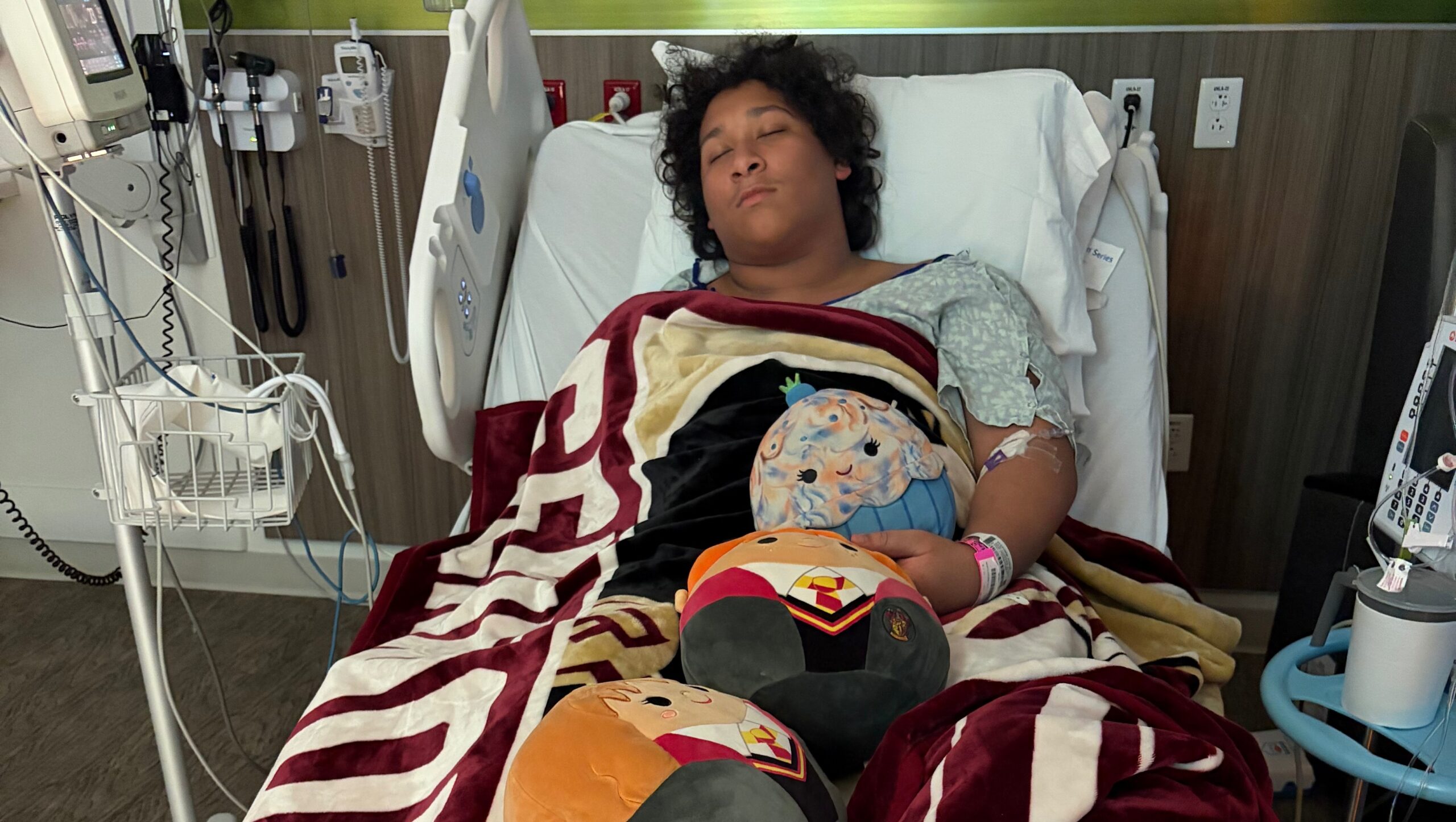
For seventeen-year-old Joziah Thompson, a routine summer outing quickly escalated into a fight for his life. While swimming with his siblings at Lions Park in Niceville, Florida, the teenager sustained what appeared to be a minor scratch on his leg. In the moment, the small abrasion raised no alarms, and the family returned home entirely unaware of the invisible threat lurking in the park’s coastal waters.
The initial lack of symptoms offered a false sense of security. According to his mother, Tirzah Thompson, the day after the swim proceeded normally. However, by the second day, the situation deteriorated with terrifying speed. Joziah, who is autistic, was suddenly incapacitated by severe body aches, alternating between chills and feverish heat. His leg—the site of the seemingly benign scratch—became intensely inflamed, red, and excruciating to the touch.
The rapid transition from a healthy teenager to someone in critical condition highlights the stealthy and aggressive nature of waterborne pathogens. Recognizing the immediate danger, his family rushed him to the emergency room, marking the beginning of a harrowing medical journey. The incident underscores a stark reality: seemingly safe recreational waters can harbor microscopic dangers that turn a minor break in the skin into a catastrophic emergency.
A Grim Diagnosis
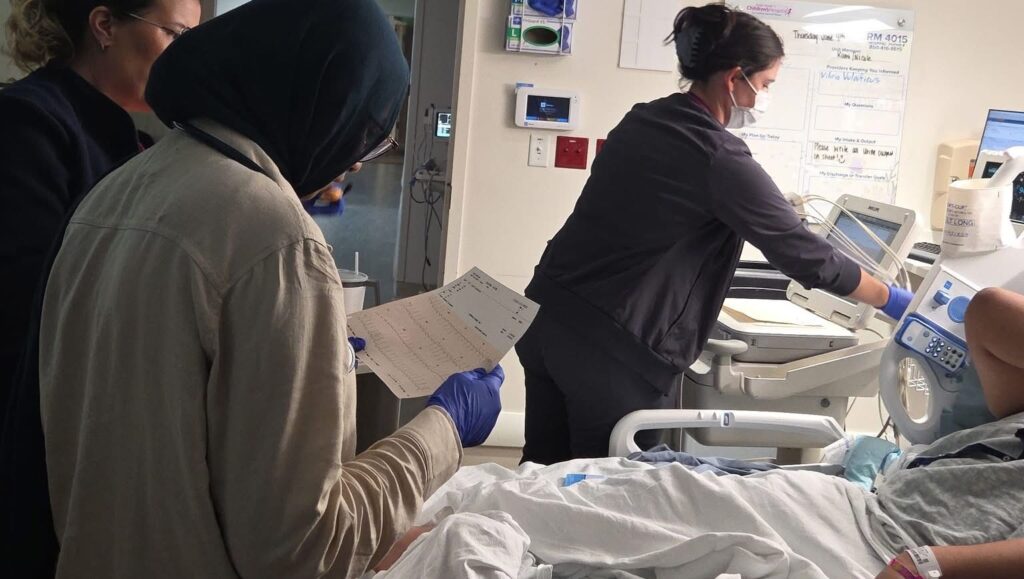
The emergency room visit revealed a nightmare scenario. Joziah was initially taken to Twin Cities Hospital before being rushed to the Studer Family Children’s Hospital in Pensacola, Florida, where medical professionals identified the culprit: Vibrio vulnificus. This naturally occurring bacterium thrives in warm, mildly salty coastal environments—often referred to as brackish water—like the estuary where Joziah had been swimming.
While often sensationalized in headlines as a “flesh-eating bacteria,” Vibrio vulnificus does not actually consume tissue. Instead, when the bacteria enters the body through an open wound, it can trigger necrotizing fasciitis, a severe and rapidly spreading infection that destroys the skin, muscle, and underlying fascia. According to the Cleveland Clinic, severe Vibrio vulnificus infections carry a mortality rate of up to 50 percent, particularly if the bacteria invade the bloodstream and cause sepsis.
For Joziah, the medical battle was immediate and aggressive. Doctors performed multiple surgeries to remove the dead and infected tissue from his leg—a necessary, urgent procedure to halt the bacteria’s spread and prevent amputation. The 17-year-old was not just fighting to save his leg; he also battled a rapid heart rate and dangerous blood pressure fluctuations as his immune system mounted a systemic response to the invasive pathogen.
Tirzah Thompson, who paused her small business to remain by her son’s side, described the agonizing reality of the hospital ward. “As parents, watching your child suffer is heartbreaking,” she shared during a public update. “Sitting beside his hospital bed, listening to monitors, watching him endure pain, surgeries, and fear, is something no mother is ever prepared for.”
Warming Waters and the Rise of Vibrio vulnificus
To understand how a teenager could contract such a severe infection during a routine park visit, it is essential to look at the changing environment of our coastal waters. Vibrio vulnificus naturally thrives in warm, brackish water—areas where salty ocean water mixes with fresh water from rivers and streams. Historically, infections in the United States were relatively rare and predominantly confined to the warmer waters of the Gulf Coast. However, as global temperatures rise and sea surface temperatures increase, the bacteria’s geographic footprint is rapidly expanding.
Scientists and public health officials are sounding the alarm because the pathogen is moving into new territories at an unprecedented pace. According to data from the Centers for Disease Control and Prevention (CDC), Vibrio vulnificus infections in the Eastern United States increased eightfold between 1988 and 2018. Researchers track the pathogen’s range shifting steadily northward at an estimated rate of 30 miles (48 kilometers) per year, reaching coastal waters that were previously too cold to sustain the bacteria.
This migration is a direct consequence of climate change. A comprehensive study published in the journal Scientific Reports highlighted this correlation, concluding: “Our projections indicate that climate change will have a major effect on V. vulnificus infection distribution and number in Eastern USA, likely due to warming coastal waters favoring presence of bacteria.” Recent years have underscored this projection, with health departments as far north as New York and Connecticut reporting fatal cases of the infection following periods of record-breaking heatwaves.
Who Is Most Vulnerable and How to Stay Safe

While Joziah’s story is harrowing, public health experts emphasize that severe Vibrio vulnificus infections are still relatively rare, and healthy individuals generally recover without life-threatening complications. However, understanding who is most vulnerable and how the bacteria operates is crucial for coastal safety.
According to the Centers for Disease Control and Prevention (CDC), the bacteria typically enters the body through two primary routes: the consumption of raw or undercooked seafood—particularly oysters—and through open wounds exposed to brackish or salt water. For waterborne infections, the entry point does not need to be a major injury. As seen in Joziah’s case, even minor abrasions, fresh tattoos, recent piercings, or small scrapes sustained while wading can provide a sufficient pathway for the pathogen.
Certain underlying medical conditions drastically increase the risk of an infection escalating into a severe medical crisis. The CDC notes that individuals with compromised immune systems, diabetes, and specifically chronic liver disease (including cirrhosis and hepatitis) are at the highest risk for developing sepsis and necrotizing fasciitis. For these high-risk groups, the bacteria can bypass the body’s natural defenses with lethal efficiency, making preventative measures a matter of life and death.
To mitigate these risks without abandoning the beach, health officials recommend several straightforward precautions:
- Avoid exposure with open wounds: If you have a recent cut, scrape, or surgical site, stay out of salt water and brackish water entirely until the skin has healed.
- Use waterproof protection: If contact with coastal water cannot be avoided, cover any wounds tightly with a waterproof bandage.
- Clean thoroughly and immediately: If an open wound is exposed to ocean water or raw seafood juices, leave the water and immediately wash the area aggressively with soap and clean, running water.
- Wear protective gear: Individuals fishing, wading, or handling raw seafood should wear water shoes and gloves to prevent accidental cuts from shells, rocks, or fishing equipment.
By treating every small cut with caution and understanding personal health risks, beachgoers can safely navigate the changing realities of coastal recreation. The goal of these guidelines is not to discourage time spent in nature, but to ensure that a simple day at the water does not result in an emergency room visit.
Awareness, Not Fear
Joziah Thompson survived his infection and kept his leg, but his recovery will take time, extensive physical therapy, and ongoing medical care. His family’s experience shows how quickly a normal summer day can turn into a medical emergency. Sharing his story isn’t meant to scare people away from the beach; it is simply meant to show what is actually at stake when we ignore minor cuts.
Because warmer waters are allowing bacteria like Vibrio vulnificus to spread to new areas, beachgoers need to change how they handle water safety. A fresh piercing, a scraped knee, or a cut from a shell needs serious attention before getting into salt or brackish water. If symptoms like sudden redness, severe pain, or a fever start after swimming, it is critical to go straight to the emergency room instead of waiting to see if it gets better.
People do not need to avoid the coast, but they do need to understand the water they are swimming in. Checking local water advisories and keeping open wounds clean and covered can prevent a life-threatening infection. The ocean is still a place to relax and enjoy, but staying safe now means recognizing that the environment—down to the microscopic level—is changing.
Featured Image Source: Tirzah Fletcher’s gofundme