
Your cart is currently empty!
Four Students Had an Unusual Idea To Make Drinks Safer. Then Their Invention Took Off
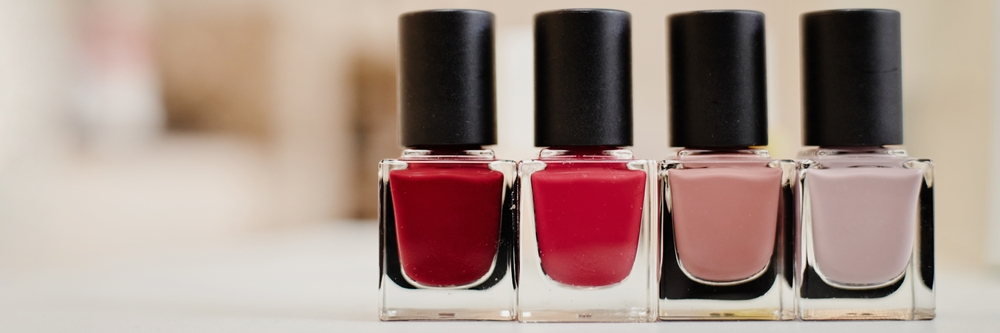
Four engineering students were determined to find a way to help prevent sexual assault after seeing how deeply the crime had affected people close to them. Their solution was unlike anything they had worked on before: a clear fingernail polish designed to change color when it comes into contact with certain drugs that can be slipped into drinks.
Contents
show
What began as a senior design project at North Carolina State University quickly grew into something much bigger. The students spent countless nights developing the idea, entered a startup competition, attracted investors and eventually built a company around the technology. Their goal was straightforward: give people another discreet way to check a drink before taking that first sip.
Four college students came up with an idea aimed at giving women another layer of protection when going out: nail polish that could help detect certain substances in a drink. The concept was simple. https://t.co/mAEzSW9ejz
— Dr Christabel Akinola (@Drbelswellness) October 2, 2026
Four Students Started With A Serious Problem
The students behind the idea were Tyler Confrey-Maloney, Stephen Gray, Tasso Von Windheim and Ankesh Madan, all connected to NC State’s Department of Materials Science and Engineering. Their project began with a question that had nothing to do with building a business. They wanted to know whether technology could help prevent sexual assault involving drugs placed into someone’s drink.
The group had seen the effects of sexual assault among people close to them, which made the problem personal. Rather than concentrating only on what happens after an assault, they started thinking about whether someone could be given a simple way to identify a potentially dangerous drink before consuming it. That led to the concept of a clear nail polish that could react to the presence of certain drugs.
The proposed method was deliberately simple. Someone at a bar, party or college gathering could use a fingernail coated with the polish to stir their drink and watch for a change in color. If the polish reacted, the person would have an indication that the drink might have been altered and could choose not to consume it.
The students understood that a product like this could never eliminate sexual assault on its own. Their aim was to create another layer of protection while contributing to a much broader effort involving prevention, education, survivor support and cultural change.
The Idea Became A 40-Hour-A-Week Project
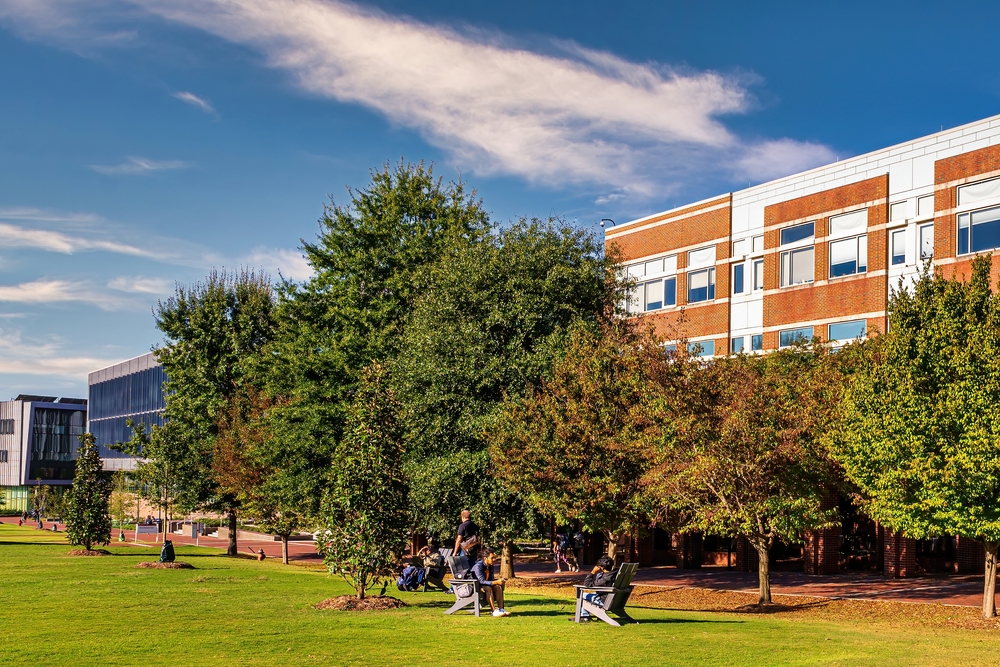
Turning the concept into something that could potentially work required an enormous amount of effort. The four students pushed to complete their senior design project through NC State’s Engineering Entrepreneurs Program, an initiative created to give engineering students practical experience with entrepreneurship and the process of turning technical ideas into businesses.
Once they settled on the concept, the students reportedly spent around 40 hours each week working in the library, often during the middle of the night. They were doing that while also managing the demanding schedule that came with their final year of engineering studies.
Their work eventually brought them to the 2014 LuLu eGames, an annual startup competition connected to the university’s entrepreneurship programs. Undercover Colors won the competition and received $13,000 to put toward developing the product.
The victory also introduced the students to their first investor, an NC State alumnus and entrepreneur who had been among the competition’s judges. That relationship eventually connected the team with a wider community of investors associated with the university and gave the young company a chance to keep developing after the competition ended.
Graduation Could Have Ended The Experiment
The students soon faced a decision that could have changed everything. After graduating, all four had job offers or opportunities to continue their education through graduate school. Pursuing a startup with an unproven product meant giving up a much more predictable path.
Instead, they decided to continue working on Undercover Colors. NC State professor Tom Miller helped create a bridge program that provided the young company with a small stipend while the founders searched for additional funding. Miller jokingly referred to the support as “rent and Raman noodles” money.
The students had already learned how to develop a business plan and pitch their ideas through NC State’s entrepreneurship programs. They also received assistance learning about patent law and securing exclusive rights connected to the product.
Miller believed the team had the qualities needed to give the idea a real chance. “It was clear that they had the smarts to do this, that they had the motivation and drive to do it, that they had enough of the basic science figured out to have a plausible chance of getting there,” Miller said.
The Startup Suddenly Attracted Worldwide Attention
The company was still in its early stages when interest in the idea began spreading rapidly. People were fascinated by the concept of a beauty product that could potentially help someone identify a drugged drink without drawing attention to what they were doing.
For the four founders, the sudden attention was both exciting and intimidating. Confrey-Maloney described the experience as “exciting as it was frightening.” He explained that the team had gone from being students with an idea and promising research to suddenly having people around the world paying attention to their work.
The attention also brought messages from people who had experienced sexual assault and wanted the students to know how meaningful the idea was to them. Those responses gave the founders a different perspective on what they were building. This was no longer simply an engineering project or a potential business.
One survivor told the team, “I know it won’t make my daughter invincible to the risk of sexual assault, but it will at least provide a little peace of mind to every woman in the entire world.” That message captured both the potential value and the limitations of what the students were trying to create.

Scientists Were Still Working On The Technology
Undercover Colors continued developing color-changing compounds that could potentially detect drugs. The company was testing those compounds first in a tube and then on a nail surface, working toward a version that could eventually be incorporated into an everyday cosmetic product.
The idea depended on making the technology practical. A product intended for use at a party or bar would need to be discreet, easy to use and capable of producing a clear reaction. The founders were therefore working through the technical challenges involved in moving from an experimental compound to something that could eventually be manufactured for consumers.
Confrey-Maloney said the company would likely partner with an established cosmetics manufacturer to help get the product into people’s hands. Several major cosmetics companies had already approached Undercover Colors and expressed interest in manufacturing and selling the product.
The company was also receiving financial backing from individual angel investors rather than venture capital firms. According to the source, most of those investors were NC State alumni or had another connection to the university, giving the startup a support network that extended beyond simply providing money.

The Founders Refused To Treat It As A Standalone Solution
As Undercover Colors developed, its founders continued emphasizing that technology was only one piece of the response to sexual violence. Confrey-Maloney described the company as “one small part of a larger effort to combat sexual violence,” alongside prevention, outreach, survivor services and broader efforts to change attitudes surrounding sexual assault.
That belief was reflected in how the founders spent their own time. Confrey-Maloney volunteered with InterAct of Wake County, a Raleigh nonprofit that provides services to survivors of domestic violence and sexual assault. He trained as a sexual assault emergency responder and assisted survivors as they spoke with police and received medical treatment.
Gray also volunteered with InterAct, working on the organization’s 24-hour telephone crisis line. Their involvement meant the founders were not simply approaching sexual violence as an abstract problem that could be solved inside a laboratory.
Confrey-Maloney hoped their technology could eventually help shift some of the fear surrounding drug-facilitated assault. He also stressed that communities needed to confront the larger problem directly. “As a community, we need to come together and put an end to this epidemic,” he said. “That change has to start by talking about the issue and providing survivors with the services they need to heal.”
One Founder Saw Entrepreneurship Differently
For Tasso Von Windheim, the project also changed what entrepreneurship meant to him. He grew up with an entrepreneur for a father, but it was only as he got older that he began to understand that starting a company could be about much more than making money.
The opportunity to work on something connected to preventing serious harm gave him a reason to keep pursuing the project even when other career options were available. “You can make money a thousand different ways,” Von Windheim said. “But, having the opportunity to make such a huge difference in people’s lives, to prevent such extreme pain, that’s a rare opportunity. It’s something I’m very proud to be a part of.”
The founders also became involved with other student entrepreneurs at NC State. Confrey-Maloney mentored students who were working through business plans and seeking investment, while spending time with a group of young entrepreneurs developing projects of their own.
Their projects included efforts to help smokers quit, technology using infrared light to detect food pathogens and plans to bring beehives into urban areas. For the founders, those ideas represented the kind of problem-solving culture they wanted to be part of.
“Entrepreneurs with bright ideas and the ability to execute can have a tremendous impact on the future of society,” Confrey-Maloney said. “NC State’s really at the forefront of developing and supporting these kinds of people.”
A Nail Polish Idea Became A Larger Mission
Undercover Colors began with four students asking whether engineering could help address a problem that had already caused immense harm to people around them. Their answer led to a highly unusual concept, a clear nail polish designed to change color when exposed to certain drugs.
The company then became a test of whether those students could take an idea from a university project and keep developing it after graduation. They had to find funding, work through patents, develop the chemistry and deal with attention that arrived much faster than they expected.
The founders also made clear that no product can place responsibility for preventing sexual assault on potential victims. Their own work with survivors and prevention organizations reflected a broader view: technology can provide another tool, but lasting change requires communities to address the people and circumstances that enable sexual violence.
The students started by trying to make one drink easier to check. What they built was a company centered on the much bigger goal of giving people another option in a situation where having one could matter.