
Your cart is currently empty!
From Prophecy to Preparedness: Ghana’s Ark Builder and the Questions Behind Apocalyptic Claims
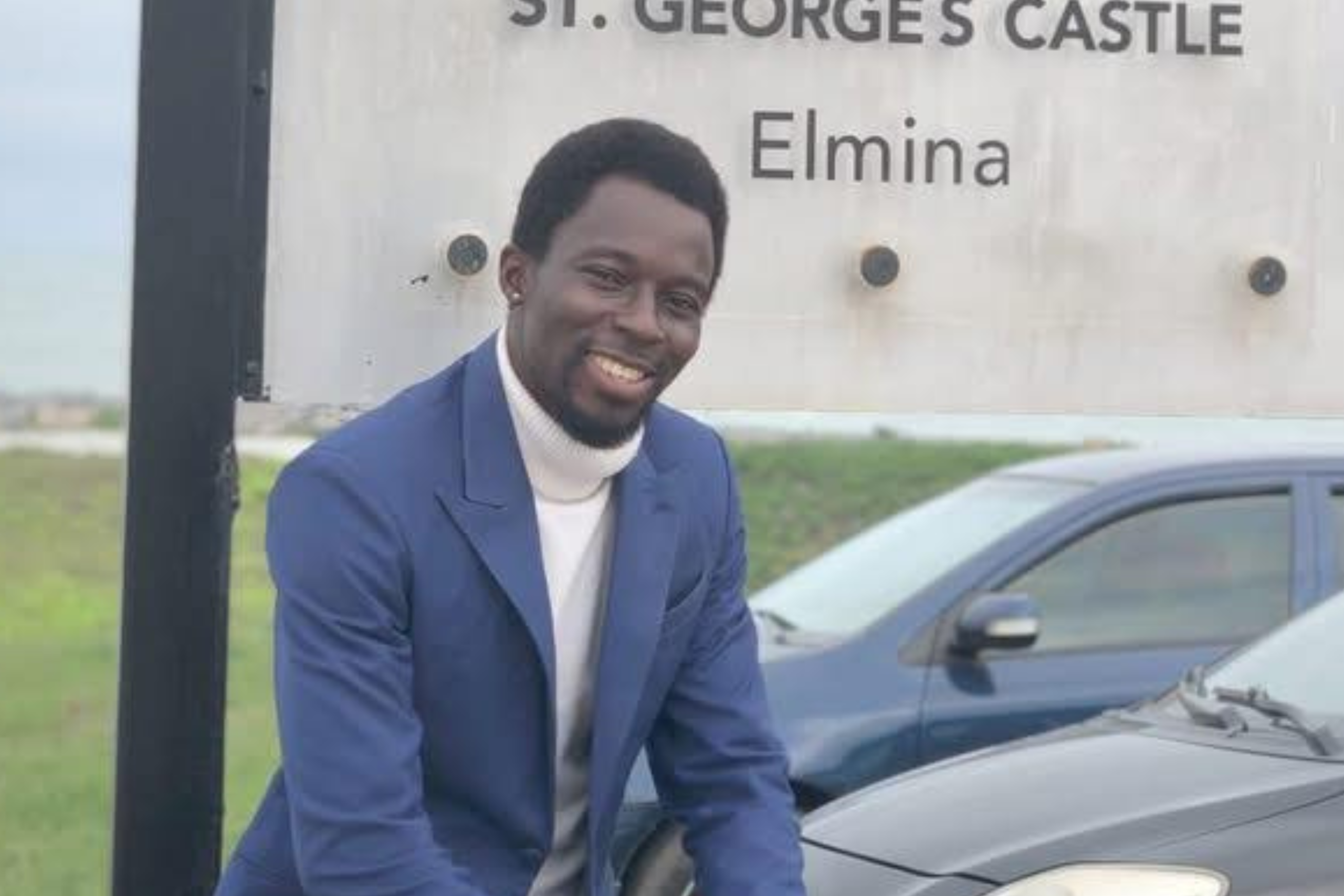
Throughout history, predictions of the world’s end have surfaced with uncanny regularity. From Y2K’s fears of technological collapse to the Mayan calendar countdown in 2012, such warnings rise and fade, often remembered more for the panic they inspire than the reality that follows. The latest chapter in this long pattern comes from Ghana, where a digital creator known as Ebo Jesus, or locally Ebo Noah, has gained attention for his bold claim that a devastating flood will begin on December 25, 2025. Unlike most who make such predictions, he has taken action by building what he calls his own version of Noah’s Ark.
Contents
show

Clips of his project have circulated widely on TikTok, inviting both skepticism and humor. Some followers engage with curiosity, while others respond in jest with comments like, “Please don’t allow bed bugs inside ohhh” or “Make sure there is AC.”
Beneath the viral entertainment lies a larger cultural question. Why do stories of impending disaster continue to captivate audiences across generations? What do these narratives reveal about our anxieties, our imagination, and our ongoing struggle to reconcile belief with evidence? This is not only the story of one man constructing a vessel against an unseen storm. It is a window into the broader human habit of bracing for the unimaginable, and how societies interpret those who claim to see it coming.
@ebojesus1 EBO NOAH ARK REVELATION #fypシ゚ #fyp @pressurekingba2 @⭐️Nanasei-ShugaBoy⭐️🥺🎭🎖💯 ♬ original sound – Gidcoff
Inside the Prophecy
Ebo Jesus has centered his warnings on a single date, December 25, 2025, claiming that a flood will begin and continue for three years. In one of his videos, he pleaded, “Please I beg, don’t let this pass,” urging viewers to recognize the urgency of his message. According to him, the ark he is building is not symbolic but essential for survival.
His framing borrows heavily from biblical language. At one point, he explained that people “will stay in the boat for three years until the dove comes and tells us we have reached the promised land.” The parallels to the story of Genesis are deliberate and are meant to position his project as divinely inspired rather than a social experiment or online stunt.

Clips across his accounts show a wooden structure he has described as nearly finished. In one post, he wrote, “Are you ready for December 25. The ark is 80% done and some animals are coming.” For his followers, such updates serve as proof that the preparations are not hypothetical.
Local outlets that have covered his content highlight how often he returns to the same claims. “Please, I am on my knees, don’t let this pass you, I said on the 25th of December, it’s going to rain heavily and we are going to stay in this…” a regional report quoted him as saying. The repetition reinforces that the date and the idea of a prolonged flood are not passing remarks but the core of his prophecy.
What Science and History Tell Us About Floods
When extraordinary claims of a years-long global flood surface, the most useful response is to step back and compare them with what we know from history and science.
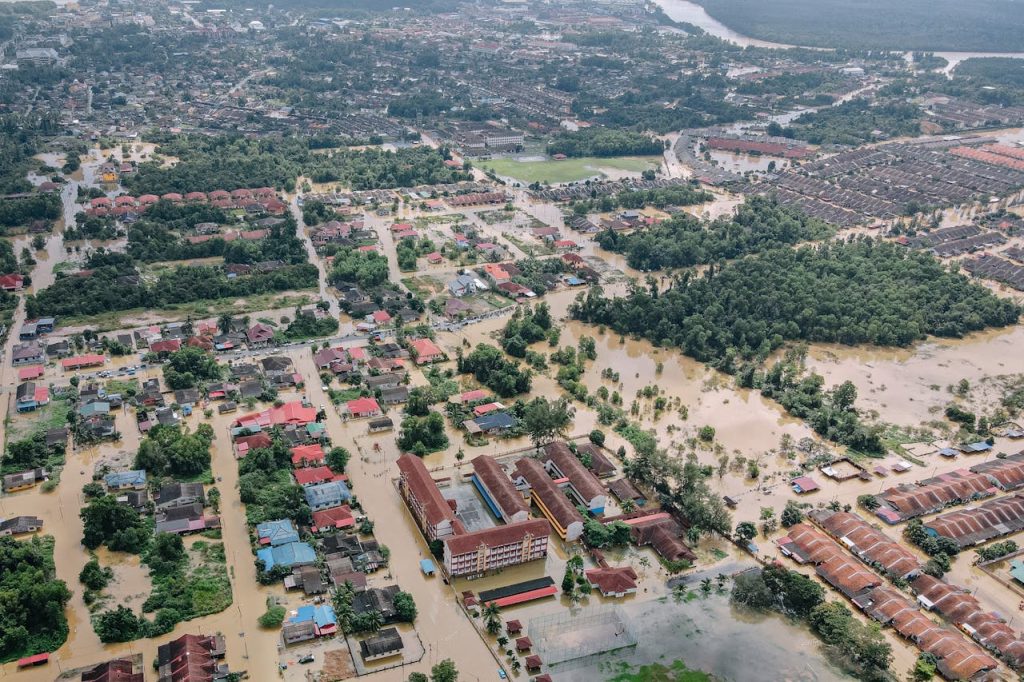
Flood stories have deep roots in human culture. For example, some Aboriginal Australian oral traditions describe land that once extended far into the sea before being swallowed by rising waters at the end of the last Ice Age. Research shows these accounts align with geological evidence of ancient coastlines shifting as glaciers melted and sea levels rose.
Geology also reveals that catastrophic floods have occurred, but always within specific regions rather than across the entire globe. Roughly 15,000 years ago, repeated breaches of ice dams at glacial Lake Missoula sent torrents of water across what is now Washington State. These massive events carved the dramatic formations of the Channeled Scablands, leaving behind a striking record of localized megafloods.

Modern climate science adds another perspective. According to the Intergovernmental Panel on Climate Change, a warmer atmosphere holds more moisture, and precipitation intensity increases by about 2 to 3 percent for every one degree Celsius of warming. This translates into more frequent extreme rainfall events in many regions, but it does not point to continuous, uninterrupted downpours across the planet.
The physics of the atmosphere also imposes clear boundaries. Water vapor typically cycles out of the atmosphere within eight to eleven days, which rules out the possibility of rain that never ceases. Global monitoring systems such as NOAA’s Global Precipitation Climatology Project track rainfall patterns month by month and confirm that precipitation follows measurable and predictable limits.
How People Make Sense of Apocalyptic Predictions
When dramatic warnings about the end of the world circulate, the reactions they spark reveal as much about society as they do about the individuals making the claims. Different communities rely on distinct tools to interpret these predictions, from scripture and history to psychology and public opinion surveys.
Some Christians look to the covenant described after the biblical flood as a boundary for interpretation. The text reads, “Never again will all life be destroyed by the waters of a flood; never again will there be a flood to destroy the earth.” Others highlight passages that caution against setting dates for ultimate events. One verse often cited says, “But about that day or hour no one knows, not even the angels in heaven, nor the Son, but only the Father.” Together, these texts are frequently invoked to question the legitimacy of specific end-time timelines.

Modern history offers its own cautionary examples. Broadcaster Harold Camping became widely known in 2011 after predicting that the world would end on a particular date. When his forecast did not come to pass, he later conceded error. Time magazine reported that he urged people to be careful “not to dictate to God what God should do.” His reversal is often cited as a reminder of the accountability that follows failed prophecies.
Psychologists add another dimension by examining why beliefs sometimes persist even after predictions collapse. The concept of cognitive dissonance describes the discomfort people feel when evidence clashes with prior commitments. Research published by the American Psychological Association notes that this tension can lead some individuals to reinforce their original belief rather than abandon it, especially when they are deeply invested.
Public opinion data illustrates why such claims continue to attract attention. A 2022 Pew Research Center survey found that 39 percent of adults in the United States believe humanity is living in the end times, even as a majority disagreed. That mix of belief and doubt helps explain why apocalyptic predictions can find an audience, despite skepticism from many others.
Practical Steps for Everyday Preparedness
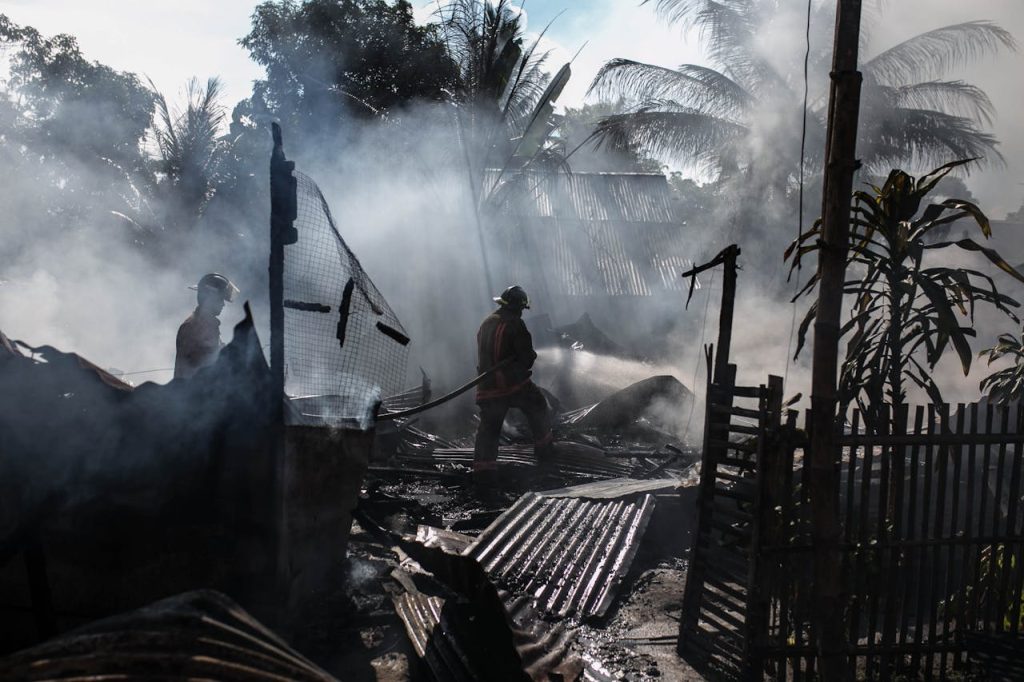
When dramatic predictions make headlines, the most constructive response is to focus on calm, everyday readiness. Preparation is not about panic but about building habits that keep you and your family steady in the face of any emergency.
- Check your information sources. Before believing or sharing alarming claims, look for confirmation in at least two independent places. A reputable news outlet and your national weather or disaster agency make a reliable pair.
- Pause before reacting. If a post unsettles you, give yourself sixty seconds to breathe slowly and ask three questions: Who is saying this, where did the information come from, and what do official channels report.
- Stay connected to alerts. Enable emergency notifications on your phone, follow your local weather service online, and keep your city disaster office page bookmarked. In the Philippines this means paying attention to PAGASA and updates from your local government unit.
- Prepare a small emergency kit. A basic go bag should include water, ready to eat food, a flashlight, a power bank, first aid supplies, a list of medications, and photocopies of important IDs in a waterproof pouch. Three to four liters of water per person per day for at least three days is the standard recommendation.
- Know your surroundings. Ask neighbors where water usually collects, check your barangay or city flood maps, and keep valuables above that level before a storm.
- Agree on a family plan. Select a relative or friend outside your immediate area as a contact person. Decide on a simple message to use during emergencies, such as “I am safe, I am at this location, I will meet you here if we are separated.”
- Practice water safety. Do not drive through flooded roads. Just 15 centimeters of moving water can knock you over and 30 centimeters can move a small car. If you can do so safely, turn off electricity at the main breaker before water rises.
- Keep your phone functional. Charge fully before a storm, carry a power bank, download offline maps, and store emergency numbers under Favorites for quick access.
- Build calm into your routine. Small daily practices support your ability to stay composed. Even five minutes of quiet breathing with both feet on the floor and an exhale longer than the inhale can steady the nervous system.
- Share responsibly. If you post updates, include source links and make clear what is verified and what is uncertain. Avoid spreading unconfirmed details.
- Look out for others. Check on older relatives, people with disabilities, and pet owners. Offering a ride, lending a power bank, or sharing extra water can make a difference.
- Clean up safely. After floods, wear gloves and boots, avoid direct contact with standing water, document any damage for insurance, and disinfect surfaces that touched floodwater.
The Larger Question
Ebo Jesus and his ark may capture attention for their spectacle, but the story ultimately highlights something more enduring. Predictions of catastrophe come and go, while the reality of preparing for real-world risks remains constant. Whether through science, history, or practical readiness, the most important response is not fear but clarity. How societies choose to engage with bold claims says less about the future of the planet and more about our ability to separate signal from noise.
Featured Image from Ebo Jesus on Facebook