
Your cart is currently empty!
From River to Rescue: The Otter Assisting in a Florida Missing Person Case
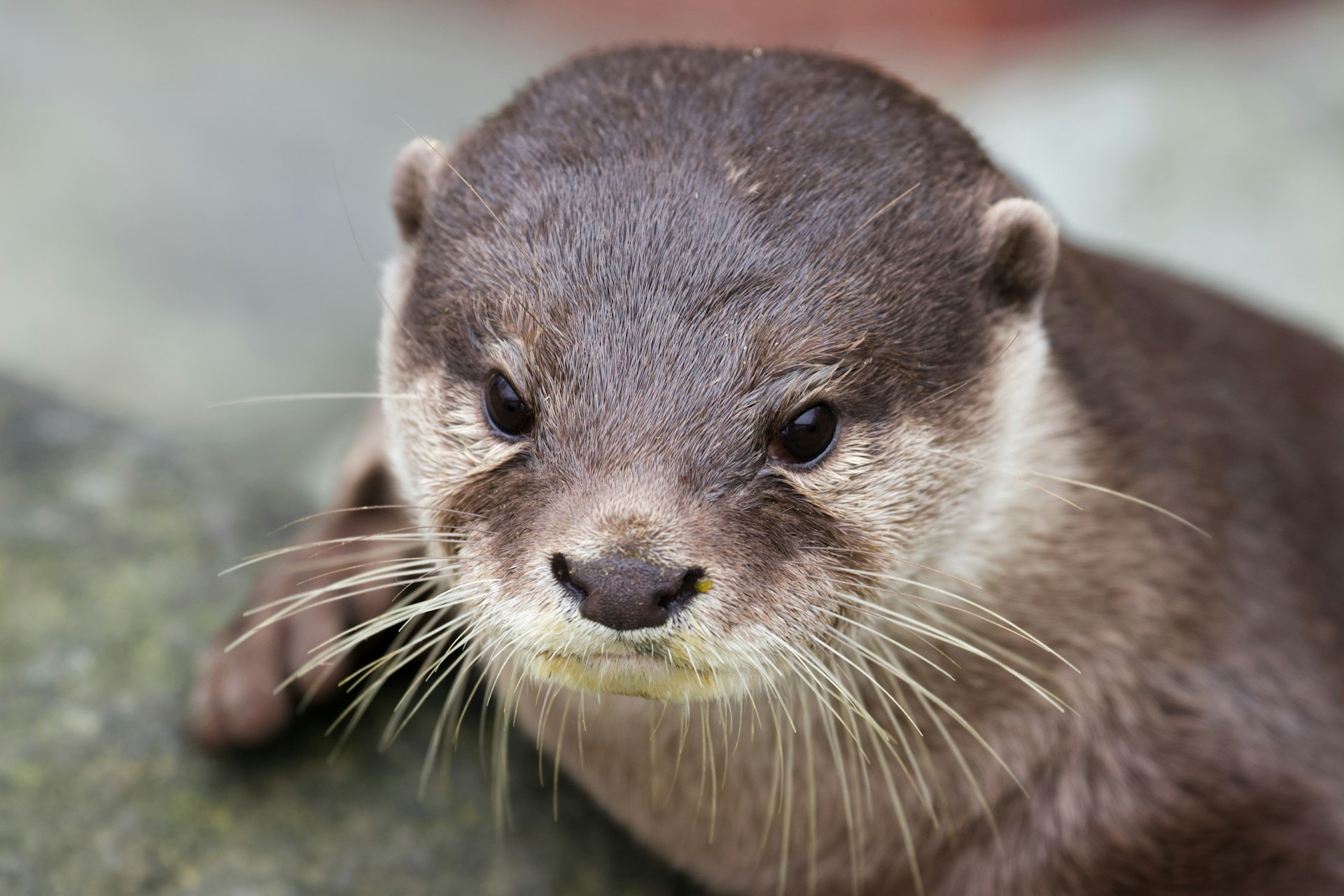
When most people picture a police search and recovery team, they imagine patrol boats cutting through murky water, divers suiting up in heavy gear, or drones scanning from above. Few would expect the newest member of a Florida department’s response unit to have whiskers, webbed feet, and an undeniable love for fish. The mental image alone feels almost cinematic, blending the seriousness of law enforcement with the charm of the natural world in a way that seems too unusual to be real.
Contents
show
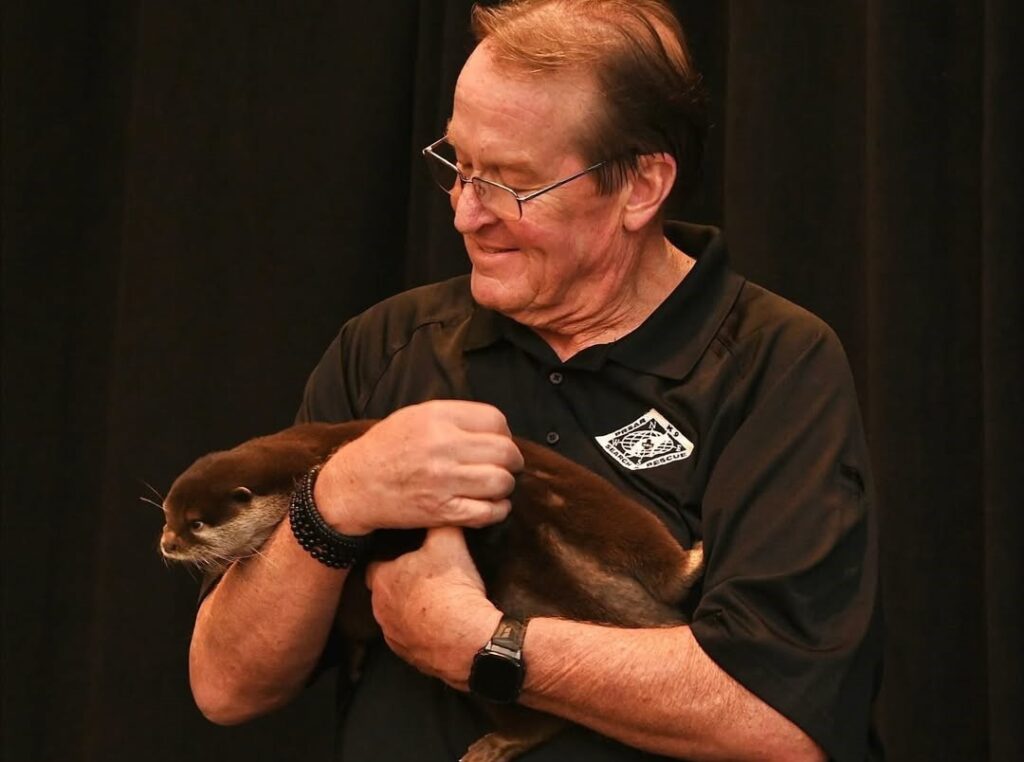
Yet that is exactly what has captured national attention. A specially trained otter named Splash has officially joined a Florida search effort, marking what authorities say is the first time a law enforcement agency has deployed a trained otter for search and recovery assistance. What began as a localized effort tied to a missing person investigation quickly evolved into a story that spread across the country, prompting curiosity, admiration, and heartfelt reactions.
The story has quickly gone viral, not simply because it is unusual, but because it blends innovation, hope, and a surprising partnership between humans and wildlife. Behind the adorable headlines is a serious mission centered on helping families find answers during some of their most painful moments. In that way, Splash’s involvement represents more than novelty. It reflects a determined effort to leave no stone unturned when time and uncertainty weigh heavily on a community.
How Splash the Otter Became Part of a Police Search Effort
Splash was not plucked from the wild for a publicity stunt. According to reporting from regional outlets covering the case, the otter has been undergoing specialized training for water based detection and retrieval work. The preparation has been deliberate and methodical, focusing on scent recognition, object targeting, and responding to handler cues in challenging aquatic environments where visibility is often limited.
The deployment came during the ongoing search for a missing woman in Pensacola. As traditional methods continued, officials brought in Splash to assist in scanning waterways where visibility was poor and underwater debris made conditions especially difficult for divers. Local coverage explained that trained animals can sometimes detect what human teams might miss, particularly in complex natural settings shaped by tides, currents, and thick vegetation.
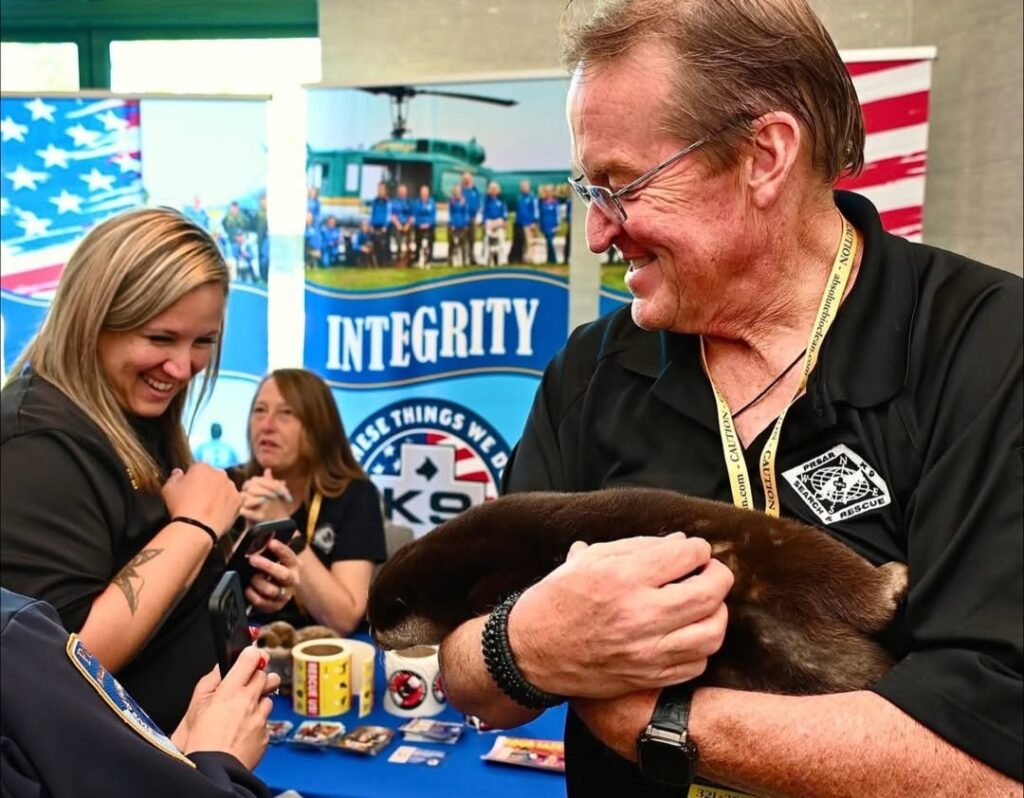
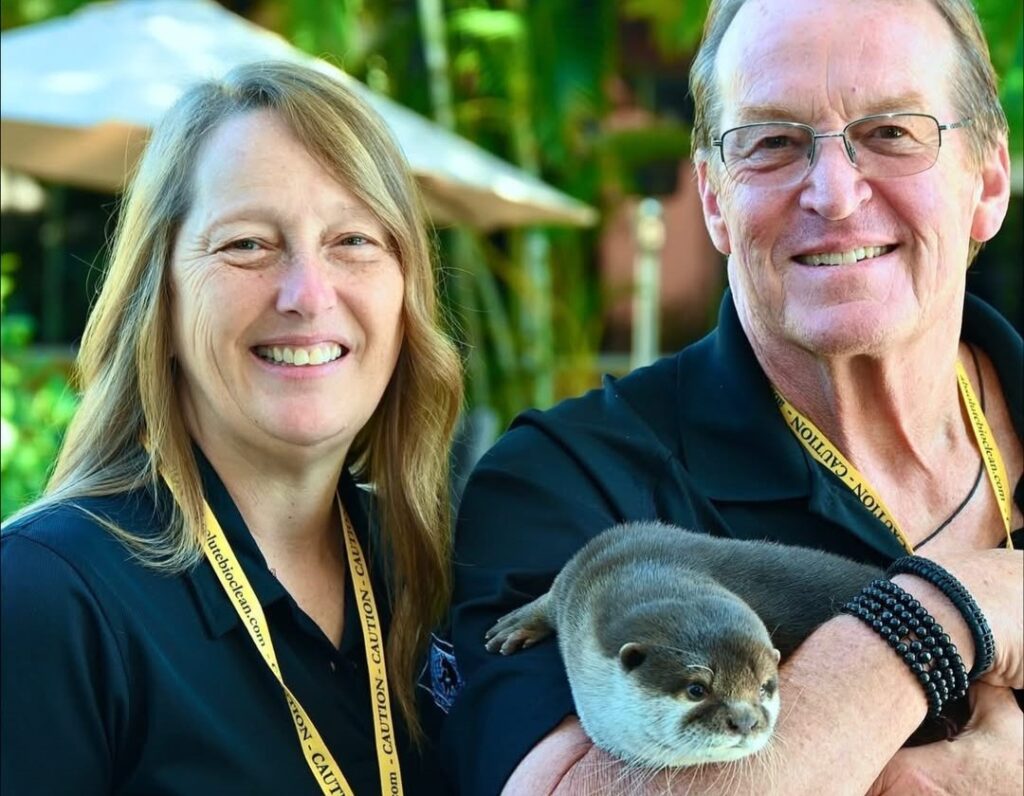
Splash works alongside experienced handlers who have spent months building trust and communication with the animal. The otter is conditioned to respond to specific signals and is rewarded for identifying target scents or objects, reinforcing accuracy and consistency. This reinforcement based training mirrors principles used with search dogs, though it is carefully adapted to suit an aquatic mammal’s instincts, movement patterns, and comfort in the water.
Law enforcement officials emphasized that Splash is an addition to the team rather than a replacement for standard procedures. Divers, sonar equipment, and boats remain central to the operation, forming the backbone of the coordinated search. The otter’s role is to provide an extra layer of detection capability, particularly in shallow or debris filled waters where maneuverability and natural swimming agility can offer a unique advantage.
Why an Otter Makes Sense in Water Based Searches
At first glance, the idea of a search and recovery otter may sound like something from a children’s book or animated film. However, marine animal specialists note that otters possess natural traits that make them well suited to certain aquatic tasks when properly trained. What seems whimsical on the surface is grounded in biology and behavioral science.
Otters are agile swimmers with strong lungs and the ability to navigate tight underwater spaces with impressive speed and precision. Their whiskers are highly sensitive and can detect subtle changes in water movement, functioning almost like finely tuned sensors. This heightened sensory awareness allows them to perceive objects or disturbances that might go unnoticed by human searchers relying solely on sight or mechanical tools.
In addition, otters are intelligent and highly trainable animals capable of forming strong bonds with human caretakers. Animal behavior experts have long documented their problem solving skills and capacity to learn complex tasks through positive reinforcement techniques. With consistent training and repetition, they can be conditioned to associate specific scents or materials with rewards, creating reliable behavioral patterns over time.
There are also practical advantages tied to their size and flexibility. Unlike large marine mammals, otters are relatively small and can move through shallow marshes, narrow canals, and brush lined shorelines without disturbing the environment excessively. In areas like parts of Florida where waterways can be cluttered with vegetation and shifting sediment, that mobility becomes a significant operational asset.
The Technology and Teamwork Behind the Headlines
While Splash has become the face of the operation, the search effort itself is a coordinated and multifaceted mission involving numerous professionals. Authorities continue to use sonar technology, aerial support, mapping tools, and dive teams to methodically cover designated search zones. The introduction of an animal partner reflects an effort to expand every available resource rather than rely on a single approach.
According to coverage from Fox 10 and WLOS, officials were careful to explain that the otter’s deployment followed consultation with trainers and animal welfare professionals. These discussions ensured that Splash’s participation would align with established safety and ethical standards. Clear operational guidelines were developed so that the animal would only be placed in environments consistent with his training.
Handlers closely monitor the otter’s stress levels, behavior, and fatigue during each session. Work periods are structured and followed by rest, play, and positive reinforcement to maintain both physical health and emotional well being. The welfare of the animal remains a priority, particularly given the emotional weight and unpredictability that can accompany an active search mission.
The collaboration highlights a broader trend in emergency response where agencies are increasingly open to unconventional methods when traditional strategies stall. Across the country, departments have explored robotics, thermal imaging, advanced data modeling, and specialized canine units. Splash’s presence fits into this evolving landscape of innovation driven by urgency and a desire to serve families more effectively.
What This Means for the Future of Search and Recovery
Splash’s deployment may mark the beginning of broader experimentation in aquatic animal training for specialized missions. If successful and responsibly managed, agencies could explore structured programs for water based detection animals in environments where traditional methods face repeated limitations. However, experts caution that such initiatives require rigorous oversight and long term planning.
Training a marine mammal for search work involves significant time, funding, veterinary care, and ethical consideration. Programs must prioritize animal welfare, enrichment, and proper living conditions while avoiding exploitative or purely performative uses. Any expansion would likely involve partnerships with accredited trainers, wildlife specialists, and veterinary professionals experienced in aquatic species.
There is also the question of scalability and regional suitability. Not every region has waterways suited to otter deployment, and not every case would benefit from such an approach depending on terrain and environmental variables. Splash’s role appears to be highly situational, tailored to Florida’s unique geography, climate, and the specifics of the search area in question.
Still, the story invites reflection on how humans collaborate with the natural world in responsible and thoughtful ways. From rescue dogs to therapy animals, partnerships across species have repeatedly demonstrated their value in times of need. Splash’s work suggests that even in the most unexpected forms, cooperation between humans and animals can open new possibilities worth exploring carefully.
Hope in Unexpected Places
The image of a search and recovery otter working alongside police divers is one that few will forget anytime soon. It challenges assumptions about what emergency response looks like and who can meaningfully contribute to it. In doing so, it expands the boundaries of what communities consider possible.
As the Pensacola search continues, the focus remains firmly on the missing woman and her loved ones who await answers. Splash’s involvement is a testament to determination and the refusal to leave any possibility unexplored, no matter how unconventional it may seem at first glance.
In a world often overwhelmed by grim headlines and rapid news cycles, this story offers a different kind of viral moment. It is one rooted in empathy, innovation, and collaboration rather than controversy. That distinction may explain why it resonated so widely and so quickly.
Whether or not search and recovery otters become more common in the future, Splash has already made history through his participation. More importantly, he has reminded countless people that help can come from the most unexpected places when humans are willing to think creatively and act compassionately.