
Your cart is currently empty!
Gen Z Has Renamed the Millennial Karen and Social Media Is Reacting Fast

For years, the name Karen has carried a very specific cultural meaning. It stopped being just a name and became shorthand for a certain kind of public behavior that many people instantly recognize. From viral videos filmed in grocery stores to neighborhood disputes caught on smartphones, the Karen stereotype has been everywhere. It has lived across social media platforms, meme pages, and comment sections, often sparking heated debates about entitlement, gender, and generational blame.
Contents
show
But language never stays still. As Gen Z continues to shape online culture, they have begun to push back against labels that feel outdated or misdirected. What started as a joke has now turned into a broader conversation about how generations name and shame behavior online. According to recent viral discussions, Gen Z has chosen a new name to describe what they see as the millennial equivalent of a Karen.
The surprising part is not just the name itself, but what it reveals about generational tension, internet humor, and how stereotypes evolve. This shift is not simply about replacing one meme with another. It reflects how Gen Z sees millennials, how millennials see themselves, and how online culture continues to recycle and reinvent social labels.

The Rise of the Karen Stereotype
The Karen stereotype did not appear overnight. It slowly developed through years of viral moments, often involving middle aged white women confronting service workers, calling authorities over minor inconveniences, or demanding special treatment. These incidents spread rapidly online because they tapped into shared frustrations about entitlement and power dynamics in everyday life.
The Karen label became a cultural shortcut. Instead of describing an entire scenario, people could simply say Karen and others would immediately understand the behavior being referenced. This made the term incredibly powerful but also controversial, as many argued it unfairly targeted women and ignored deeper systemic issues.
Over time, the stereotype expanded beyond its original meaning. Karen was no longer just about extreme behavior. It began to describe anyone perceived as overly demanding, out of touch, or resistant to social change. This broadening of meaning made the label more visible but also less precise, setting the stage for backlash and reinterpretation.
Eventually, younger generations began questioning whether Karen still captured the behaviors they were seeing online. For Gen Z, who grew up immersed in meme culture and rapid trend cycles, the label started to feel overused. That dissatisfaction opened the door for something new.
How Gen Z Humor Reshapes Online Labels
Gen Z humor is often self aware, ironic, and deeply rooted in social media platforms like TikTok and Twitter. Unlike previous generations, Gen Z tends to mock not only authority figures but also themselves and older generations in equal measure. This style of humor thrives on exaggeration and rapid remixing of ideas.
According to LADbible, the new name gaining traction is seen as a playful jab rather than a serious insult. It reflects how Gen Z often uses humor to comment on cultural behavior without fully committing to moral outrage. The goal is not always to cancel or condemn, but to poke fun and spark conversation.
What makes this different from the Karen phenomenon is intention. While Karen often carried a tone of anger or exposure, the new label feels more like commentary on lifestyle choices and online habits. It is less about public confrontations and more about social attitudes that Gen Z associates with millennials.
This shift shows how humor evolves alongside platforms. Short form videos and memes reward relatability over confrontation. As a result, labels become less about calling someone out and more about creating shared jokes that people can recognize themselves in.

The Surprising New Name and What It Represents
The name that Gen Z has reportedly chosen has surprised many because it lacks the immediate harshness people expect. Instead of sounding aggressive or authoritarian, it feels casual and almost affectionate. That softness is part of what makes it effective as a generational critique.
The name is used to describe millennials who are seen as overly earnest, obsessed with wellness trends, or deeply attached to certain social media aesthetics. It targets behaviors like excessive posting about self care routines, branding personal struggles, or turning every hobby into side hustle content.
Rather than pointing at moments of public conflict, this label focuses on online identity. It reflects Gen Z observations about how millennials curate their lives on social media, often blending activism, therapy language, and lifestyle branding into one digital persona.
Importantly, the name is not universally agreed upon. Some embrace it as funny and accurate, while others see it as dismissive. That tension is part of why the label has gone viral. It invites debate rather than shutting it down.
Why Millennials Are Reacting So Strongly
For many millennials, the new label hits close to home. Unlike Karen, which often targeted an older demographic, this name directly addresses behaviors millennials recognize in themselves and their peers. That familiarity can make the joke feel uncomfortable.
The Sun notes that reactions have ranged from laughter to defensiveness. Some millennials acknowledge that the stereotype captures a real trend in how their generation approaches work, wellness, and online self expression. Others argue it oversimplifies a generation shaped by economic instability and rapid technological change.
This reaction highlights a broader issue with generational labels. While they can be funny and relatable, they also risk flattening complex experiences into one dimensional jokes. Millennials, who came of age during financial crises and the rise of social media, often feel misunderstood by both older and younger generations.
At the same time, some millennials have leaned into the label, reclaiming it with humor. This mirrors how Karen was sometimes embraced ironically, showing that stereotypes can be defused through self awareness.

What This Trend Says About Generational Divides
The emergence of a new label is not just about humor. It reflects deeper generational divides in values, communication styles, and expectations. Gen Z grew up in a world where social media was already established, while millennials witnessed its rise and adapted along the way.
These differences shape how each generation presents themselves online. Millennials often use social media as a space for storytelling and self improvement, while Gen Z favors spontaneity and authenticity. The new label highlights this contrast in a way that feels playful but pointed.
According to cultural commentators quoted across multiple outlets, these generational jokes serve as a release valve. They allow people to critique social norms without engaging in direct confrontation. Humor becomes a safer way to express frustration or disagreement.
However, the risk is that these jokes harden into assumptions. When labels are repeated often enough, they can start to feel like truths rather than exaggerations. That is where reflection becomes important.
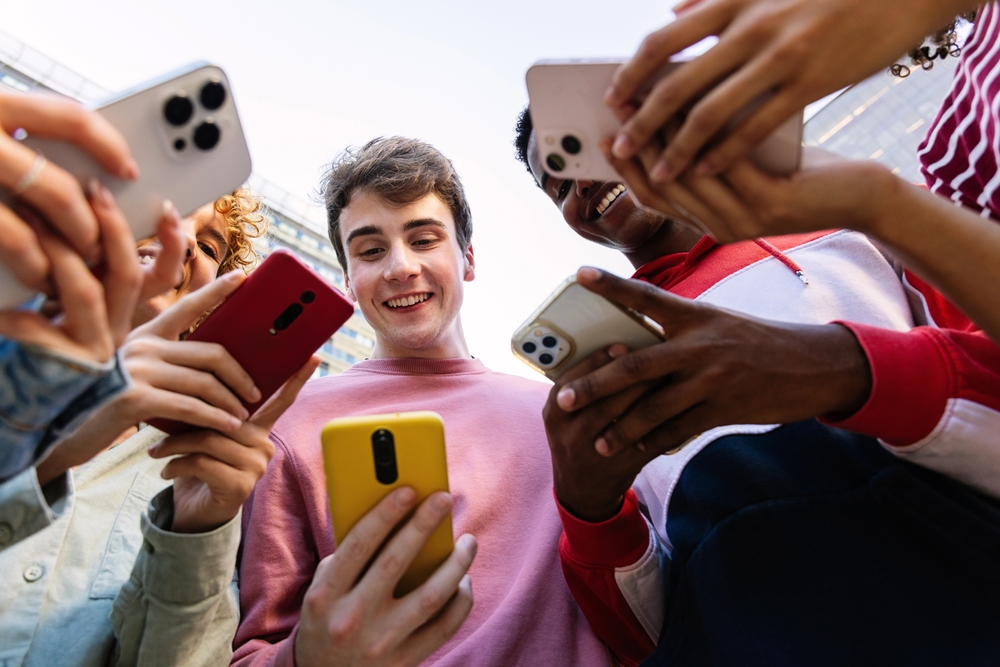
The Role of Social Media in Amplifying Stereotypes
Social media platforms play a major role in how labels spread and stick. Algorithms reward content that sparks engagement, and generational humor does exactly that. People share, comment, and tag friends, pushing the trend further into public consciousness.
TikTok in particular has become a breeding ground for this kind of commentary. Short videos allow creators to act out stereotypes in exaggerated ways, making them instantly recognizable. These performances often blur the line between critique and caricature.
As LADbible points out, once a term gains traction on one platform, it quickly migrates to others. Screenshots move from TikTok to Twitter, then to Instagram and Facebook. Each platform adds its own layer of interpretation.
This rapid spread means labels can take on lives of their own. What starts as a joke among a small group can become a widespread stereotype almost overnight.
What Readers Can Take Away
At its core, this trend is a reminder that language reflects power and perspective. Each generation uses humor to make sense of the world it inherits. Labels like Karen or its millennial counterpart reveal as much about the people using them as those being described.
Rather than reacting defensively, there is value in asking why these jokes resonate. What behaviors are being highlighted, and what insecurities might they touch on. Self reflection can turn a stereotype into an opportunity for growth.
For Gen Z, the trend shows their ability to critique culture creatively. For millennials, it offers a chance to laugh at themselves while also challenging oversimplified narratives. Mutual understanding begins when humor opens doors instead of closing them.
As internet culture continues to evolve, new labels will inevitably emerge. The challenge is deciding whether they divide us further or help us see ourselves more clearly.