
Your cart is currently empty!
Gianni Infantino’s FIFA Presidency Suddenly Looks in Serious Trouble After UEFA Revolt
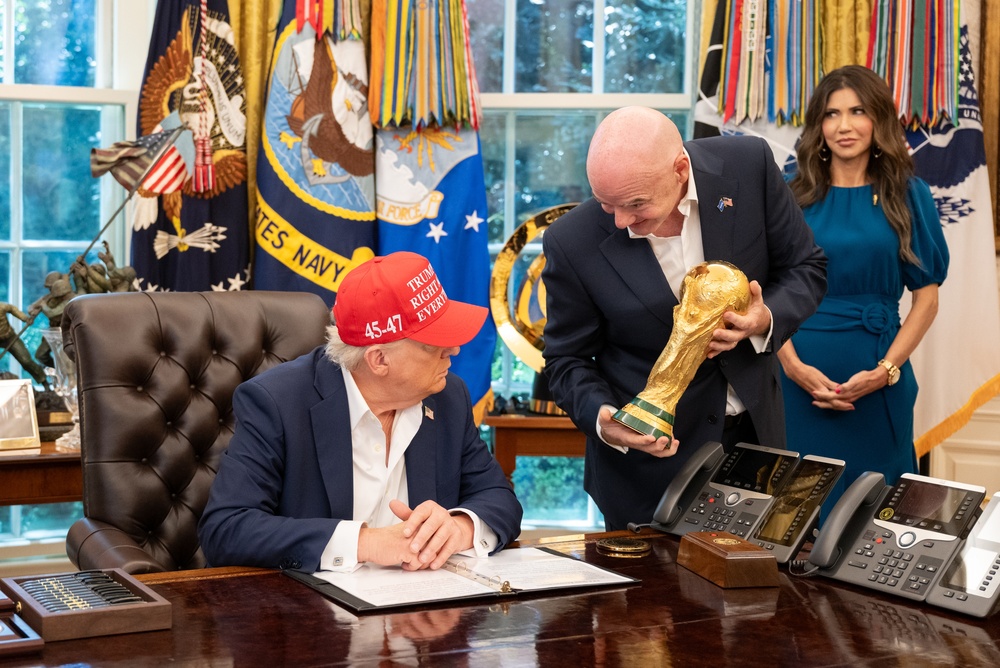
For years, Gianni Infantino has stood at the center of world football, expanding tournaments, increasing FIFA’s commercial reach, and presenting himself as the architect of the sport’s future. But one of the biggest crises of his presidency has now erupted, leaving his leadership under unprecedented scrutiny. A controversial proposal to hand part of FIFA’s commercial empire to private investors has sparked outrage across football’s governing bodies, forcing an embarrassing retreat and prompting some of the strongest criticism Infantino has faced since taking office.
Contents
show
The fallout extends far beyond a failed business proposal. UEFA has publicly declared that it no longer has confidence in FIFA’s leadership, Concacaf has demanded accountability, and senior figures inside FIFA itself have turned against the president. With presidential elections scheduled for next March, questions that once seemed unthinkable are suddenly being asked across football: could Gianni Infantino actually lose his grip on the FIFA presidency?
FIFA’s $20 Billion Proposal Collapsed Within Days
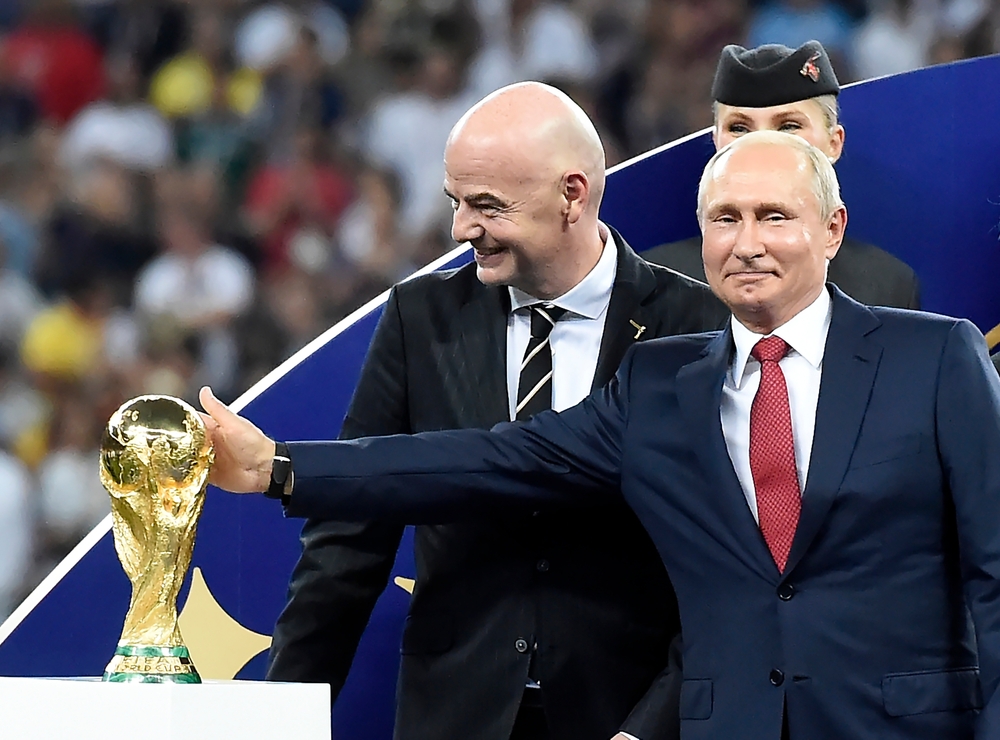
The controversy centered on Infantino’s ambitious proposal to create a new commercial company, known as FIFA Forward Enterprise (FFE), that would manage FIFA’s biggest assets, including the men’s and women’s World Cups as well as the Club World Cup. Under the proposal, the new company would be valued at around $20 billion, with approximately 20% owned by private investors.
Infantino argued that bringing outside investment into FIFA’s commercial operations would dramatically increase football development funding around the world. He promised member associations that approving the project could unlock as much as an additional $20 million in funding while generating significantly greater revenues across future World Cup cycles.
However, what was intended as one of the most significant commercial moves in FIFA’s history quickly turned into a political disaster. Instead of receiving broad support, the proposal triggered immediate concerns from football’s continental governing bodies, many of which argued that such a transformative decision had been developed without meaningful consultation.
As opposition rapidly spread across Europe, Asia, and North America, Infantino found himself increasingly isolated. Within days, the mounting resistance became impossible to ignore, forcing FIFA to announce late Friday that the proposal would be withdrawn before any formal vote could move forward.
UEFA Launches a Scathing Attack on FIFA Leadership
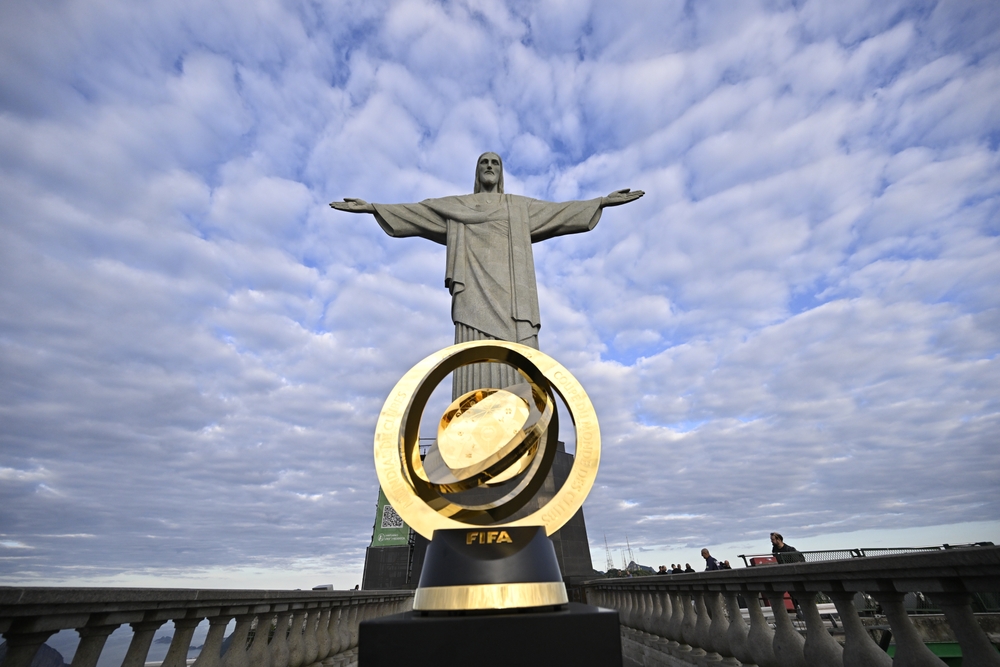
While UEFA welcomed FIFA’s decision to abandon the proposal, Europe’s governing body made it clear that simply withdrawing the plan would not repair the damage that had already been done. In one of its strongest statements against FIFA in recent years, UEFA accused the organization’s leadership of fundamentally betraying the trust of the football community.
“The current FIFA leadership has not only lost UEFA’s confidence but also that of many other members of the football family,” UEFA said in a strongly worded statement released shortly after FIFA confirmed the proposal had been scrapped.
The organization also criticized the way the entire project had been developed behind closed doors, arguing that football could not continue operating through secretive decision-making. UEFA stated: “We cannot keep going on like this with secret schemes on fast-track timescales, cooked up by faceless individuals and of dubious benefit to the game.”
UEFA added that identifying those responsible would now become a priority. The organization said it would work alongside its member associations and other football confederations in the coming weeks to understand how the proposal reached such an advanced stage and ensure similar governance failures could not happen again.
Football’s Biggest Confederations Unite Against Infantino
UEFA was not alone in its criticism. Concacaf, which oversees football across North America, Central America, and the Caribbean, also issued an unusually direct statement questioning FIFA’s leadership and calling for accountability at the highest level.
According to Concacaf, a proposal of such enormous significance could not simply appear without broader institutional failures. The confederation described the episode as “a symptom of leadership that has stopped putting football first,” arguing that the controversy reflected a wider pattern of poor governance rather than a single isolated mistake.
The Asian Football Confederation also rejected the proposal after concerns over consultation and governance. AFC president Sheikh Salman bin Ibrahim Al Khalifa stressed that decisions affecting world football must always emerge through collective discussion and respect for established governance structures rather than unilateral action.
Together, the opposition from UEFA, Concacaf, and the AFC represented an extraordinary coalition against FIFA’s leadership. With three major confederations rejecting the proposal, Infantino had little choice but to abandon one of the largest commercial projects of his presidency.

Internal Revolt Deepens FIFA’s Leadership Crisis
The backlash did not stop with FIFA’s member associations. The controversy soon spread inside the organization’s own headquarters, where several senior officials publicly questioned how the proposal had been handled. What had begun as external criticism quickly evolved into an internal leadership crisis that exposed growing divisions within FIFA itself.
One of the biggest blows came when Gianni Infantino’s senior adviser, Carlos Cordeiro, resigned from his position. Cordeiro, a former Goldman Sachs banker who represented FIFA on the White House Task Force for the World Cup, stepped down on Friday and urged other senior officials to speak out over the proposal.
Shortly afterward, FIFA chief operating officer Kevin Lamour issued a remarkable statement to The Associated Press, claiming many FIFA employees had been kept in the dark about the plans. According to Lamour, the project reflected the ambitions of a single individual rather than a collective decision made through proper governance.
“It is the project of one person,” Lamour wrote. “Not only must this project not go ahead … but the time has now come for football political leaders to ask themselves the right questions and make the right decisions.” His comments added further pressure on Infantino as criticism continued to mount from both inside and outside FIFA.
Why the Proposal Became So Controversial
At the center of the controversy was FIFA’s plan to separate its commercial operations into a new company called FIFA Forward Enterprise. The business would have controlled some of football’s most valuable assets, including the FIFA World Cup, the Women’s World Cup, and the Club World Cup, while private investors would purchase a minority stake.
According to FIFA, the proposal was designed to generate significantly more money for football development programs around the world. Infantino argued the new structure would “turbocharge” investment into the global game and provide member associations with additional financial support over the coming years.
Critics, however, questioned both the process and the potential long-term consequences. Among the biggest concerns raised were:
- A lack of consultation with FIFA’s member associations before unveiling the proposal.
- The possibility that private investors could gain influence over football’s biggest competitions.
- Concerns that major governance decisions were being made without sufficient transparency.
- Fears that commercial priorities were beginning to outweigh the interests of the sport itself.
Reports also revealed that the proposed “anchor investor” was a New York investment firm founded by Joshua Kushner, the younger brother of Jared Kushner. While FIFA insisted the proposal would benefit football globally, many governing bodies believed the risks had not been properly examined before such a major announcement.
Could Gianni Infantino Lose the FIFA Presidency?
Although Infantino remains FIFA president, the failed proposal has created the biggest political challenge of his tenure. The FIFA presidential election is scheduled for March next year, and attention has already shifted toward whether potential challengers could emerge following this week’s events.
Paris Saint-Germain president Nasser Al Khelaifi has reportedly received support from some figures within UEFA as a possible candidate. However, sources close to the Qatari executive have indicated he has no interest in entering the race, given his numerous existing leadership roles across football and broadcasting.
Concacaf president Victor Montagliani has also been mentioned in reports as another possible contender. As a FIFA vice-president with significant experience in international football administration, he could become a leading figure should momentum build for a leadership change before the election.
For now, Infantino has shown no intention of stepping aside. After withdrawing the proposal, he acknowledged that it had “created divisions” but insisted his focus would be on rebuilding relationships across football’s governing bodies. “My intent is to bring all interested parties back together in the coming days and weeks in the spirit of shared interest in our game,” he said.
What Happens Next Could Shape FIFA’s Future
Even after the proposal’s withdrawal, the controversy is unlikely to disappear anytime soon. UEFA has already called for those responsible to be identified and held accountable, while Concacaf has demanded a full review of FIFA’s leadership and governance. The episode has also reignited wider debate about transparency, consultation, and who should control football’s richest competitions.
Support for Infantino has not disappeared entirely. The Qatar Football Association publicly backed his decision to abandon the proposal, praising him for choosing unity over division and reaffirming its support for his broader vision of growing the global game. That backing suggests the football world remains divided over both the proposal and the president himself.
The coming months are now likely to become one of the most politically significant periods in FIFA’s recent history. Whether this controversy proves to be a temporary setback or the beginning of a serious leadership challenge will depend on how member associations respond before next year’s presidential election. One thing is already clear: after this extraordinary week, Gianni Infantino’s position appears far less secure than it did just days ago.
Aleksander Čeferin, Asian Football Confederation, Carlos Cordeiro, CONCACAF, FIFA, FIFA Controversy, FIFA Governance, FIFA Leadership, FIFA President, FIFA World Cup, football news, Football Politics, Global Football, ianni Infantino, Kevin Lamour, Nasser Al Khelaifi, soccer news, sports news, trending news, UEFA, Victor Montagliani, World Cup, World Cup Investment