
Your cart is currently empty!
Researchers Sound Alarm Over “Catastrophic” Gray Whale Deaths
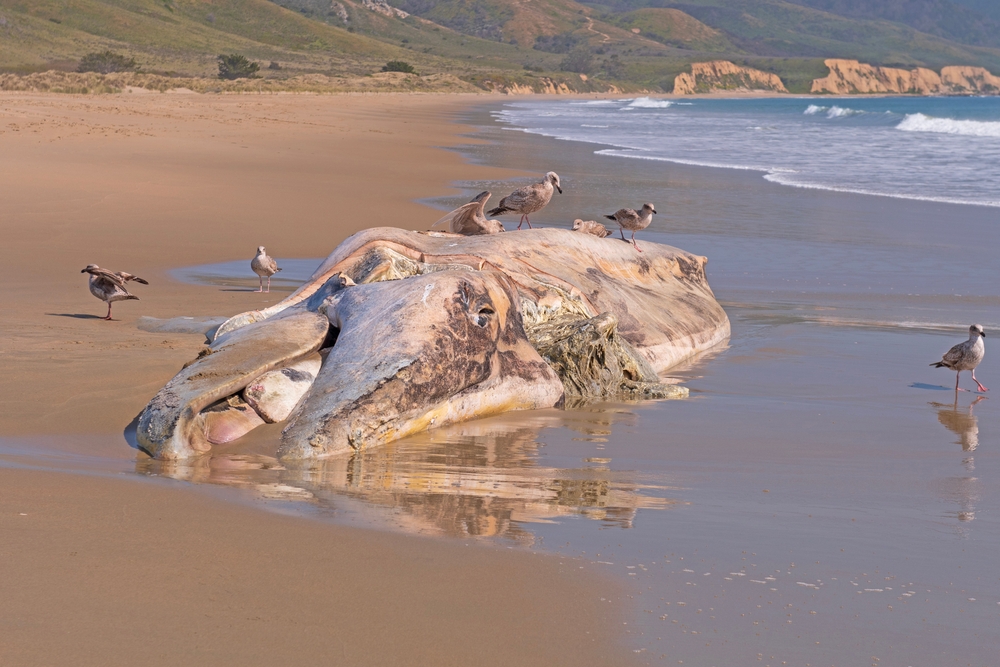
A dead gray whale on a beach is a visible tragedy, but the far greater loss may be happening unseen beneath the Pacific. As carcasses appear at alarming rates from Mexico to Alaska, researchers estimate that thousands more whales may have died offshore in just two years. Many are starving, calves are becoming increasingly scarce, and a species once celebrated as a conservation success is again in serious trouble. Scientists now warn that this “catastrophic mortality event” may be exposing how quickly a changing ocean can undo decades of recovery.
Contents
show
A Death Toll Far Beyond What Washes Ashore
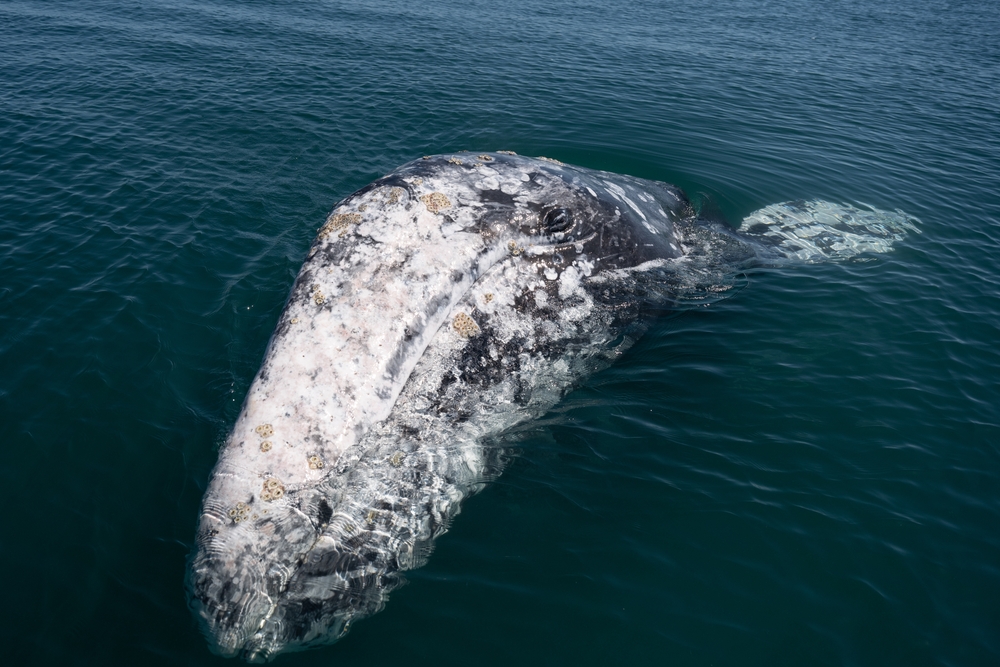
Gray whale carcasses are appearing along North America’s Pacific coast at a deeply concerning rate. The average number of documented strandings between 2006 and 2023 was 43 per year. That figure rose to 179 in 2025, while another 146 carcasses were counted during the first half of 2026, according to data cited by marine conservation advocates.
Those visible deaths represent only part of the loss. Most whales that die at sea sink, drift offshore or decompose without ever being recorded. Scientific estimates suggest that for every gray whale found on land, several more may remain undetected. Based on observed strandings and established detection estimates, researchers believe roughly 2,500 to 8,000 gray whales may have died during 2025 and 2026. Scientists cited by Public Employees for Environmental Responsibility say the scale meets the threshold for a “catastrophic mortality event.”
The losses are especially serious because the eastern North Pacific population has already fallen sharply. Estimated at about 20,000 whales in 2019, it now stands at fewer than 13,000. Each stranded animal is therefore not an isolated tragedy, but visible evidence of a population struggling to survive a much broader ecological crisis.
A Warming Arctic Is Weakening Their Food Supply
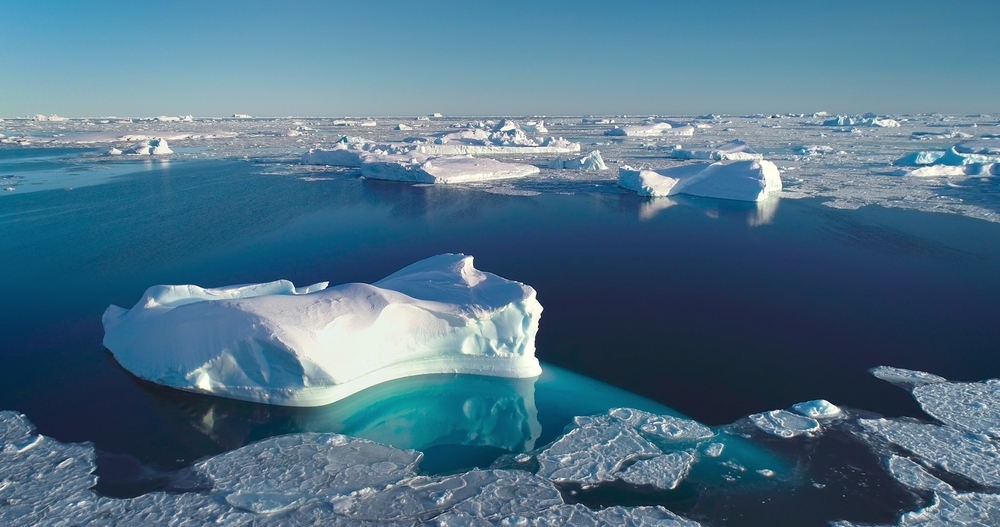
For most eastern North Pacific gray whales, survival depends on a brief but crucial feeding season in the Arctic. Each year, they complete a roughly 10,000-mile round-trip migration between breeding lagoons in Mexico and feeding grounds in the Bering and Chukchi seas. There, they consume calorie-rich amphipods and other small animals living in seafloor sediments, building the energy reserves needed for migration, reproduction and nursing.
Climate change is disrupting that food system. Algae growing beneath Arctic sea ice eventually sink and nourish the seafloor communities gray whales rely on. As the ice retreats and ocean conditions shift, less algae reaches the bottom. Warmer water and stronger currents can also favor smaller, less nutritious prey while degrading habitat for the larger amphipods the whales prefer.
Reduced sea ice can temporarily give whales more time to reach feeding areas, but the long-term effect appears less favorable. Researchers have linked changing Arctic prey conditions to malnutrition, lower birth rates and increased mortality. Examinations of whales stranded in Washington during 2026 found malnutrition to be the most common finding, although not every carcass was emaciated and some showed injuries consistent with vessel collisions.
“The environment may now be changing at a pace or in ways that is testing” the population’s ability to rebound, NOAA marine biologist David Weller warned. The concern is not simply that whales are finding less food in one bad season, but that their most important feeding grounds may be undergoing a lasting ecological shift.
Starvation Is Not the Only Threat
Malnutrition may be the clearest pattern among many stranded gray whales, but it does not explain every death. These animals migrate through some of North America’s busiest coastal waters, exposing them to ship traffic, fishing gear, pollution and industrial noise at a time when many are already physically weakened.
Vessel collisions are among the most immediate dangers. Some carcasses examined in 2026 showed internal injuries consistent with blunt-force trauma, while others carried wounds associated with propellers. Food-stressed whales may face greater danger because they sometimes enter bays and other heavily trafficked areas while searching for alternative prey. Their coastal migration route also places them near commercial shipping lanes for thousands of miles.
California has introduced voluntary vessel-speed reduction zones in areas where whales are frequently present. According to marine ecologist Rick Steiner, participating ships have helped reduce fatal strikes in those waters by about 50 percent. Comparable programs have not been widely adopted in Oregon, Washington and Alaska, partly because of opposition from the shipping industry.
Other pressures are more difficult to measure but can still weaken the population. Gray whales may become entangled in fishing gear, ingest microplastics or encounter harmful algal blooms and oil pollution. Underwater noise from vessels and energy development can also interfere with behavior and communication. A limited gray whale harvest continues in Russia as well.
These threats do not affect every animal equally, and scientists often cannot determine a definitive cause of death because many carcasses are badly decomposed. Taken together, however, they reduce the whales’ chances of surviving an already demanding migration and make recovery from widespread food shortages considerably harder.
Fewer Calves Make Recovery Much Harder
Gray whales were once considered one of marine conservation’s greatest successes. Commercial whaling pushed the eastern North Pacific population close to extinction, but legal protections allowed it to recover. The population had improved enough for the United States to remove it from the Endangered Species Act list in 1994, and its numbers later approached an estimated 27,000.
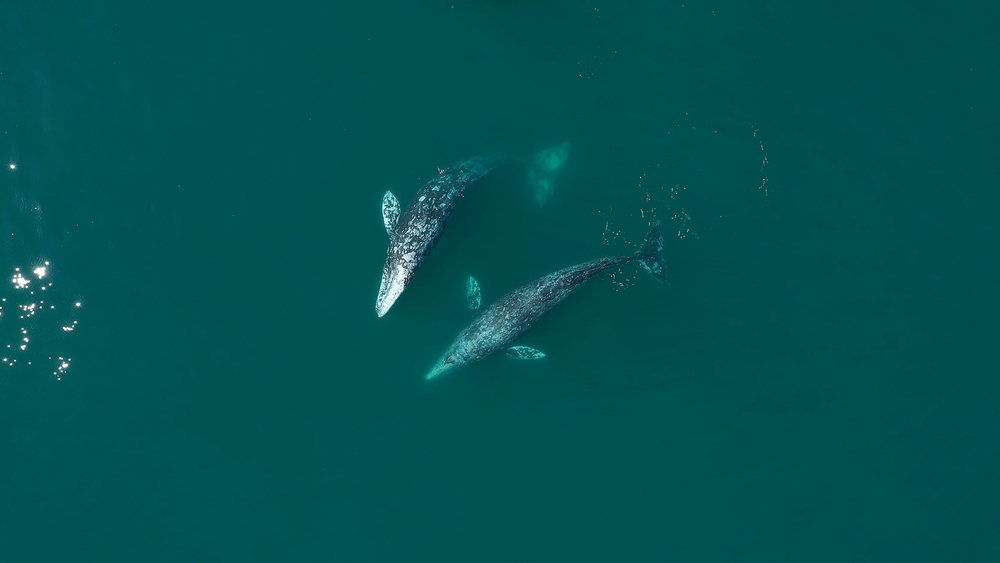
That history shows the species can recover, but the current decline carries a troubling difference: too few calves are surviving to replenish the population. NOAA researchers counted approximately 85 calves migrating past central California in 2025, the lowest number recorded since annual monitoring began in 1994. Calf production has remained depressed since 2019.
Reproduction requires enormous energy. Female gray whales must build sufficient fat reserves in Arctic feeding grounds before migrating south, giving birth and nursing while eating little or nothing. When food is scarce, females may delay pregnancy, fail to carry calves successfully or struggle to produce enough milk. Researchers in Mexico have reported both numerous adult deaths near breeding lagoons and unusually few calves beginning the northward migration.
Gray whales have survived previous population crashes, including a major die-off around 1999 and 2000. Those losses were followed by relatively rapid recovery. The mortality event that began in 2019 lasted longer, however, and the continued scarcity of calves suggests the population has not regained its earlier resilience.
Protecting Whales While There Is Still Time
No single policy can quickly restore the Arctic food web on which gray whales depend. Climate change is a long-term threat requiring sustained reductions in greenhouse gas emissions. But governments can immediately reduce dangers that humans control, including vessel strikes, fishing-gear entanglement, oil pollution and disruptive ocean noise. Mandatory speed limits in high-risk migration areas, improved whale-tracking systems and faster responses to stranded animals could give weakened whales a better chance of completing their journey.
Conservation groups have petitioned NOAA to return the eastern North Pacific gray whale to the Endangered Species Act list. Relisting would not solve every problem, but it could strengthen habitat protections and require a coordinated recovery plan. The whales recovered once because people acted after commercial hunting nearly erased them. Their latest decline is a reminder that conservation victories are not permanent. Protecting gray whales now means addressing the changing climate while removing every avoidable threat along their migration route.