
Your cart is currently empty!
Hundreds Of Teens Turn Down College To Build Nuclear Submarines For The US Navy
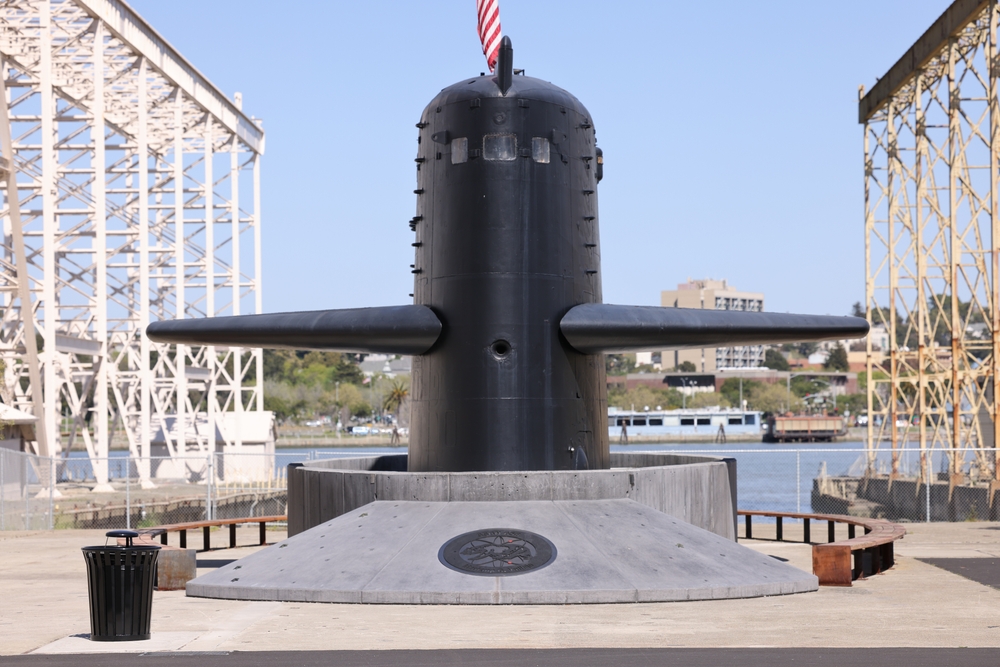
For generations, the transition from high school to adulthood followed a familiar script. Students graduated, enrolled in college, spent four years earning a degree, and only then began building their careers. That pathway became so deeply ingrained in American culture that alternatives were often treated as backup plans rather than first choices. Yet a growing number of young people are questioning whether that route makes sense for their goals, finances, and future opportunities.
Contents
show
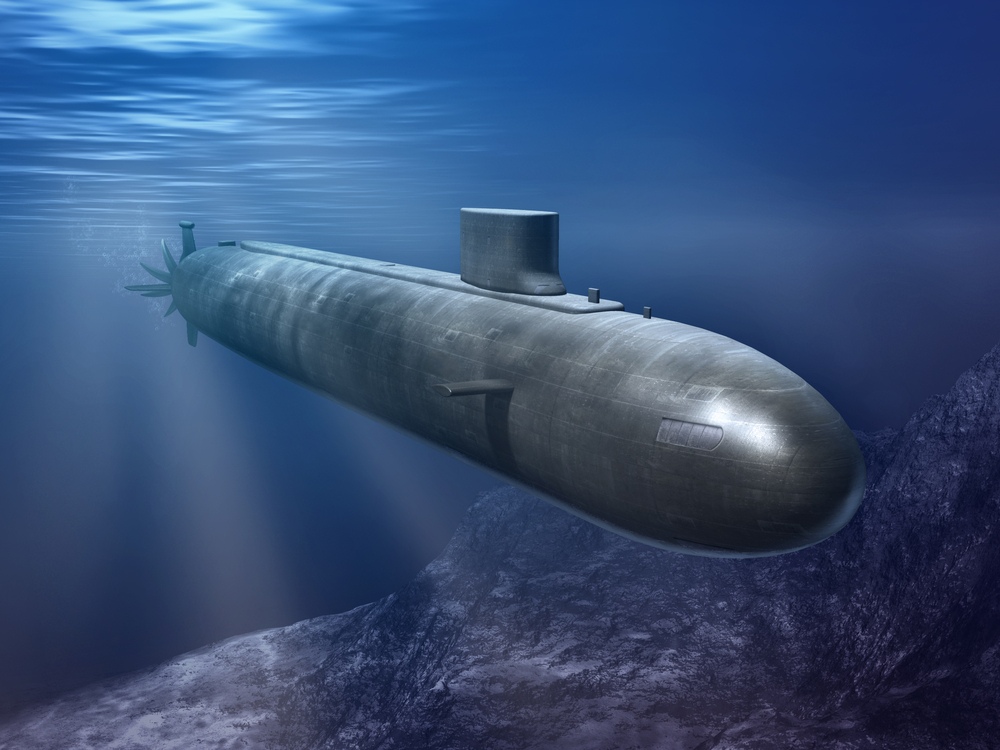
That shift was on full display this year as around 700 graduating seniors from Connecticut and Rhode Island accepted job offers with General Dynamics Electric Boat, the company responsible for building nuclear submarines for the U.S. Navy. Instead of preparing for dorm rooms and student loans, these teenagers are preparing to enter one of America’s most important manufacturing industries. Their decision highlights a broader trend that is changing how many families think about education, work, and long-term success.
Hundreds Of Graduates Are Choosing A Different Path
Electric Boat has spent years expanding its workforce as demand grows for new submarine construction projects. The company builds some of the Navy’s most advanced vessels and has been hiring aggressively to support major defense programs that are expected to continue for years.
This recruiting effort has increasingly focused on high school students. Rather than waiting for applicants to complete college degrees, the company has worked directly with schools and technical education programs to identify graduates interested in entering skilled trades immediately after graduation.
The result has been a remarkable response. Roughly 700 seniors recently accepted positions before receiving their diplomas, creating one of the largest groups of high school recruits the company has brought on at one time.
For many students, the opportunity offered something increasingly difficult to find in today’s economy: a direct route into stable employment with clear opportunities for growth.

The Jobs Offer More Than A Paycheck
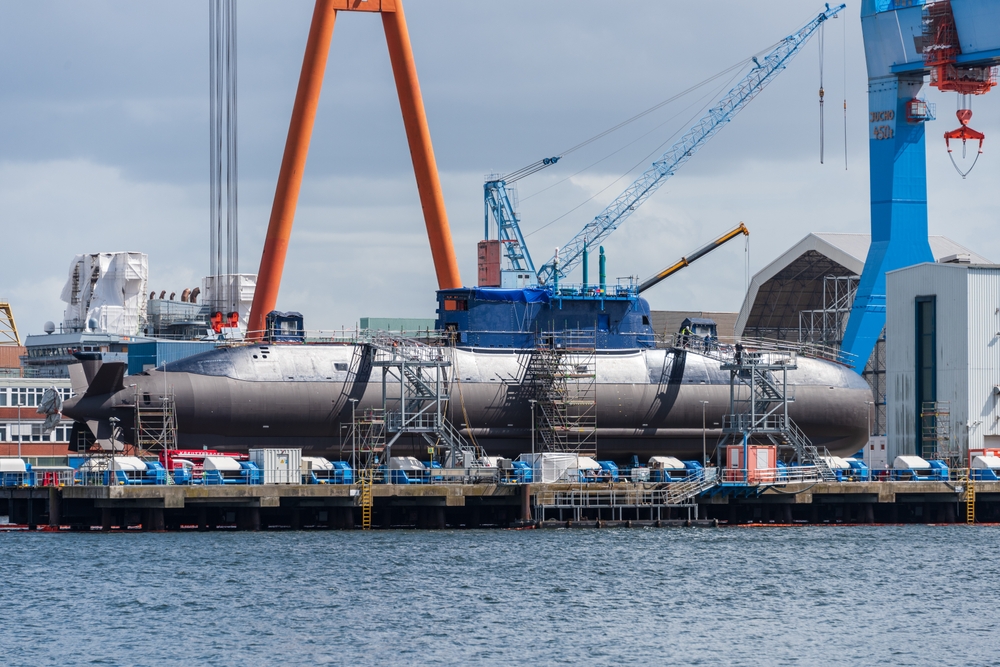
Many of the graduates will begin their careers in skilled manufacturing roles that require technical training and hands-on expertise. These jobs play a critical role in the construction of submarines that can take years to complete.
New employees are expected to work in areas such as:
- Welding
- Machining
- Metal fitting
- Carpentry
- Painting
- Manufacturing support operations
These positions demand precision and attention to detail. A submarine contains thousands of individual components, and every stage of construction must meet strict standards.
The work may not attract the same attention as careers in technology or finance, but it offers something many young workers value: the chance to develop practical skills while contributing to projects that have a visible and lasting impact.
Why Skilled Trades Are Attracting More Young People
The growing interest in trade careers is happening at a time when many students are taking a closer look at the financial realities of higher education. Tuition costs have risen dramatically over the past several decades, leaving many graduates with significant debt before they earn their first professional paycheck.
Trade careers present a different equation. Workers can begin earning income immediately while gaining experience and specialized training on the job. Rather than spending years outside the workforce, they begin building professional experience from the start.
That does not mean college has lost its value. Many professions still require degrees, certifications, and advanced education. However, stories like this illustrate that higher education is no longer viewed as the only respectable route to a successful career.
Students today have access to more information than previous generations. They can compare earning potential, job demand, training requirements, and long-term opportunities before making major decisions about their future.
America’s Manufacturing Workforce Faces A Major Challenge
Behind Electric Boat’s hiring push is a larger issue affecting industries across the country. Manufacturers are struggling to replace experienced workers who are reaching retirement age.
For years, employers warned about a growing skills gap. Many younger workers pursued careers outside manufacturing, leaving companies with fewer qualified candidates for highly specialized positions.
That challenge is especially significant in industries that require technical expertise. Shipbuilding, aerospace manufacturing, energy production, and advanced construction all depend on skilled workers who often spend years mastering their craft.
Companies are now investing heavily in workforce development programs, partnerships with schools, apprenticeships, and vocational education initiatives. Their goal is simple: ensure the next generation is prepared to fill critical positions.
The recruitment of hundreds of graduating seniors demonstrates how seriously employers are taking that mission.

Building Some Of The Most Complex Machines In The World
Submarines rank among the most sophisticated engineering projects undertaken anywhere on the planet. Their construction involves thousands of workers performing specialized tasks that must fit together with extraordinary accuracy.
From welding steel sections to installing mechanical systems, every stage of the process requires coordination between multiple trades and disciplines. Even a small mistake can create costly delays.
For young employees entering the industry, this environment offers a unique learning experience. They are exposed to advanced manufacturing techniques and complex production systems that few people encounter early in their careers.
Many workers who enter skilled trades discover opportunities extending far beyond their first position. Experience gained in manufacturing can open doors to supervisory roles, technical specialties, training positions, and management careers.
The knowledge acquired during those early years often becomes the foundation for decades of professional growth.

A Shift In How Success Is Defined
The story of these 700 graduates resonates because it challenges assumptions that have shaped career discussions for decades. Success has often been measured by college acceptance letters, university rankings, and academic credentials.
Increasingly, however, many young adults are evaluating success through a different lens. They are asking practical questions about financial stability, career satisfaction, job security, and long-term opportunities.
For some, the answer remains a traditional four-year degree.
For others, it involves apprenticeships, technical training, or direct entry into the workforce.
The choice made by hundreds of Connecticut and Rhode Island seniors reflects that changing mindset. They looked at the opportunities available to them and selected a path that aligned with their goals.
As industries across America continue searching for skilled workers, their decision may become far less unusual than it once seemed.
The next generation of submarines will eventually travel oceans around the world. Long before that happens, the young people helping build them will be shaping a different story, one that suggests the road to a successful future no longer follows a single direction.