
Your cart is currently empty!
ICE Plans $20 Million Purchase Of Gloves That Can Deliver Electric Shocks

Immigration and Customs Enforcement could soon give some of its officers a new weapon that can deliver an electric shock directly through their hands. The agency is planning to spend up to $20 million on a device called the Generated Low Output Voltage Emitter, or GLOVE, as federal immigration enforcement faces growing scrutiny over the use of force during arrests and operations.
Contents
show
Unlike a conventional Taser, the device is worn as a glove and activated with a button. It can deliver up to 380 volts and as many as 30 electrical pulses per second when it makes contact with exposed skin. The proposal has already drawn criticism from civil rights groups, which argue that giving immigration officers another way to inflict pain could raise serious concerns about force and accountability.
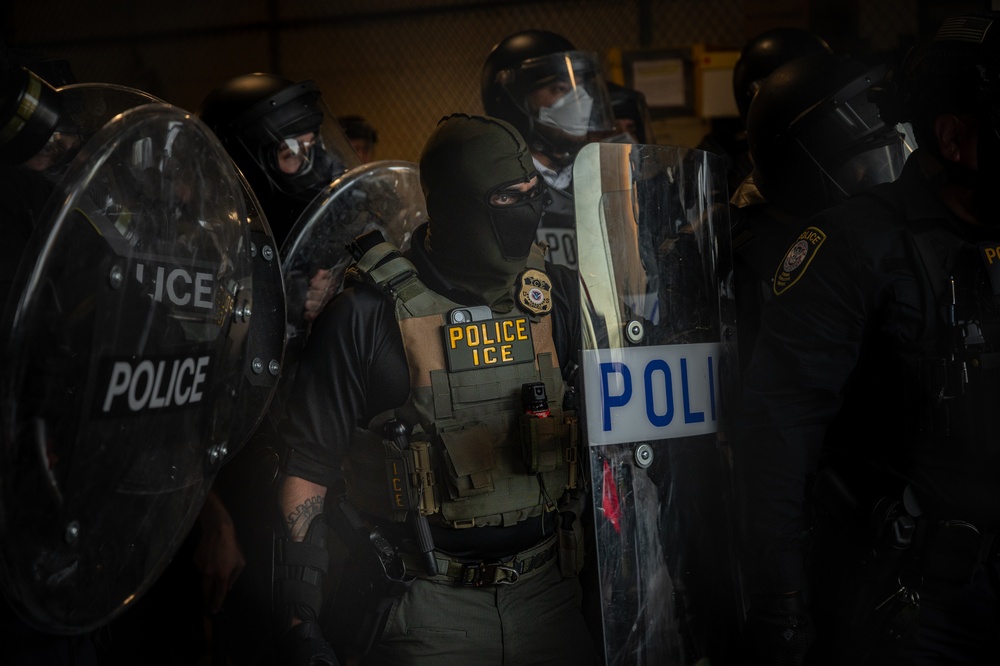
ICE Is Preparing To Buy A Very Different Kind Of Weapon
The Department of Homeland Security outlined the proposed purchase in a note published Monday. According to the document, the gloves would be made available to officers and agents working in two major parts of ICE: Homeland Security Investigations and Enforcement and Removal Operations.
HSI investigates transnational criminal organizations, while ERO is responsible for arresting, detaining and deporting people who violate US immigration laws. The planned purchase would therefore put the devices into the hands of officers carrying out a wide range of federal enforcement duties.
DHS said ICE is continually assessing what officers need while working in the field. In a statement to the BBC, the department said, “ICE is constantly assessing the needs of our officers in the field to ensure they have the tools and equipment necessary to safely arrest and remove criminal illegal aliens from our country.”
The proposed deal could be worth as much as $20 million, making it potentially the largest purchase of GLOVE devices from manufacturer Compliant Technologies to date. DHS said a no-bid purchase contract could be published as early as Friday.
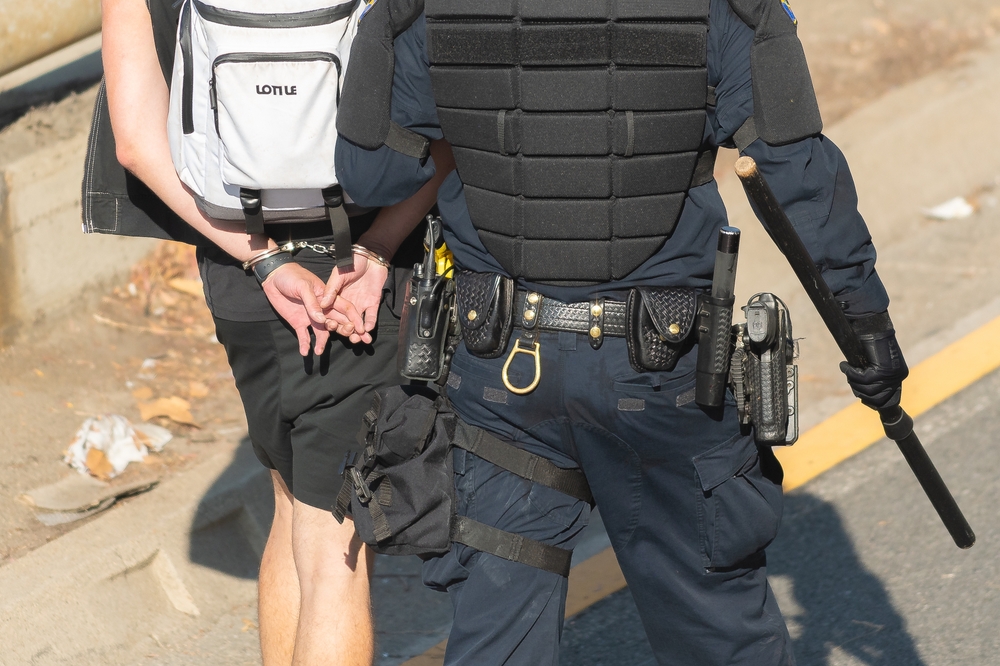
The Gloves Can Deliver Up To 380 Volts
The headline figure attached to the device is 380 volts. For comparison, a standard US household power outlet supplies 120 volts, meaning the maximum voltage advertised for the GLOVE is more than three times that level.
The device is activated by pressing a button built into the glove. Its electrical system can deliver up to 30 pulses every second, while an internal microprocessor records activation of the shock function.
Compliant Technologies says the gloves do not cause injury and are already being used by multiple law enforcement agencies. The company did not comment on the planned ICE purchase when contacted by the BBC.
The technology is designed around close physical contact. The electrical shock can only be delivered when the glove touches exposed skin, meaning an officer could make contact with a person’s clothing without activating the shock before moving toward an exposed area if resistance begins.
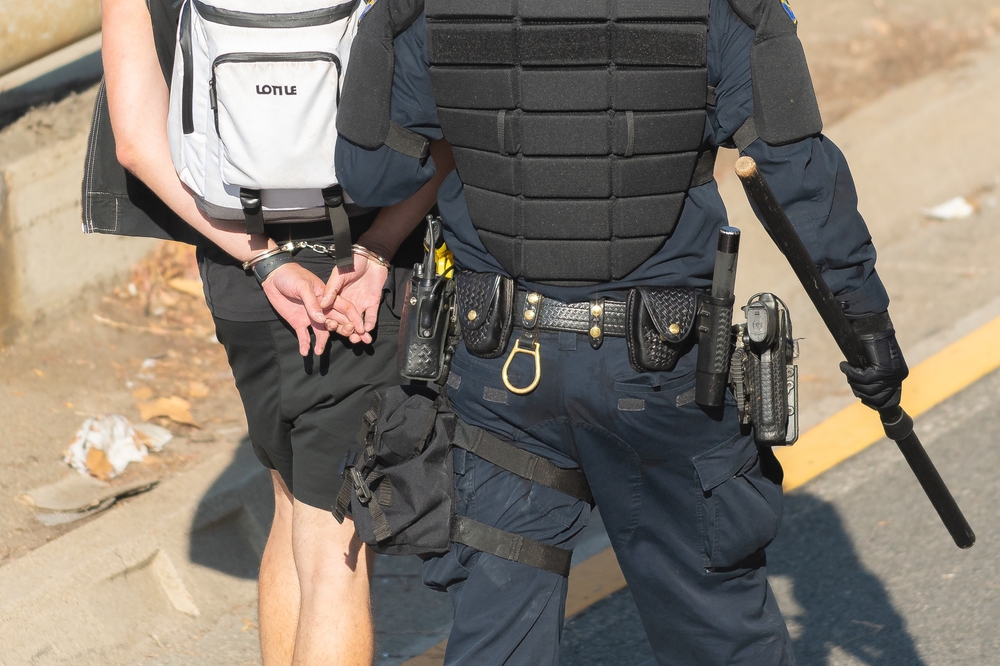
How The GLOVE Works During A Confrontation
The device’s intended use is different from the way most people picture an electrical weapon. There are no wires stretching across a room and no probes that have to be fired toward a person.
Instead, the officer wearing the glove is already within arm’s reach of the individual. The shock function can then be activated by pressing the button when the glove reaches exposed skin.
According to Lt Butch Gallion, an administrator at Hawkins County jail in Tennessee, the gloves can sometimes produce compliance simply because people know what the activation light means. “When you push the button to turn them on there’s a light that displays. The inmates understand that light, and often just seeing the light brings compliance,” Gallion said.
That makes the device both a physical force option and a potential threat of force. Gallion said officers may decide whether to activate the gloves depending on how a person behaves during an encounter.
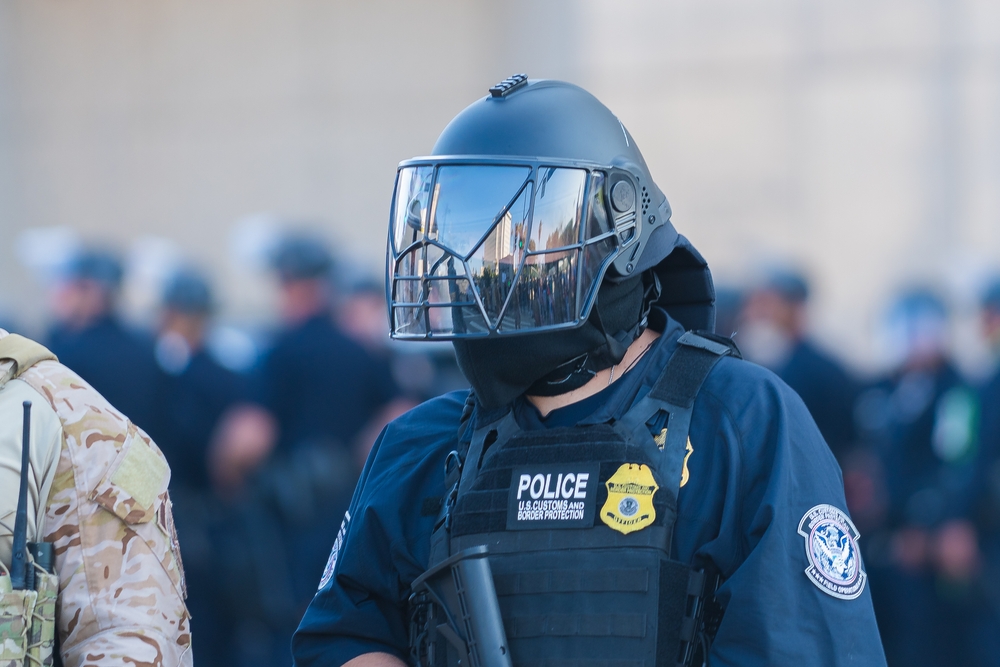
A Taser And The GLOVE Work In Very Different Ways
The proposed ICE equipment is being compared with Tasers, but the two devices operate in fundamentally different ways.
A Taser fires barbs that penetrate the skin and can deliver an electrical shock of up to 50,000 volts. Its purpose is to interfere with the central nervous system, allowing an officer to incapacitate someone from a distance.
The GLOVE operates at a much lower voltage and relies on direct contact. Rather than firing anything at a person, the officer must physically touch exposed skin with the device for the electrical function to work.
That difference could make the gloves particularly suited to situations where officers are already physically restraining someone. Gallion described the device as a way of creating what he called “pain deterrence” to encourage compliance.
The Device Comes With Restrictions On Who Should Be Shocked
The manufacturer’s own user manual also sets out situations where the gloves should not be used. The guidance recommends avoiding use on several vulnerable groups and calls for an additional officer to be present during deployment.
The manual specifically recommends avoiding use on:
- Elderly people: The manufacturer advises against using the device on elderly individuals.
- Small children: Young children are also included among those the manual says should not be subjected to the shocks.
- Pregnant women: The guidance recommends avoiding use on pregnant women.
- People with severe disabilities: The manual also advises against using the device on people described as “severely handicapped.”
The instructions call for another officer to be present to restrain the person while the gloves are being used. That recommendation reflects the close-contact nature of the device and the circumstances in which its manufacturer expects it to be deployed.
For ICE, the question will be how those restrictions and other rules governing use of force would apply during immigration arrests. The supplied DHS material does not specify how frequently agents would use the gloves or exactly what situations would justify activating them.
Civil Rights Groups Are Already Sounding The Alarm
The proposed purchase comes at a difficult moment for ICE. Federal immigration agents have faced criticism over enforcement tactics, including several fatal shootings that have occurred during immigration operations.
The ACLU has argued that the planned acquisition must be viewed alongside those recent controversies. Jenn Rolnick Borchetta, the organization’s deputy director on policing, accused ICE of using force too readily and warned that another tool capable of causing pain could create additional risks.
“ICE spent the last year showing this country that they are willing to disregard the law and are too quick to use force, with devastating and at times fatal consequences for citizens and noncitizens alike,” Borchetta said.
Her concern goes beyond the electrical shock itself. Because the device is worn on an officer’s hand, she argued that its use could be difficult for people nearby to notice during a chaotic arrest.
“Now they [ICE] might be equipped with a device that allows them to deliver an electric shock with their hands by pushing a small button, in a move that might be imperceptible to those watching,” Borchetta said.
She added, “Giving immigration agents a concealed means of delivering terrible pain is a recipe for more harm to the public and less accountability.”
Part 2 will continue with the recent fatal enforcement incidents, ICE’s deportation targets, the accountability questions surrounding the gloves, and what the proposed $20 million purchase could mean for federal immigration operations.
ICE Is Already Facing Scrutiny Over Fatal Encounters
The debate over the gloves is unfolding while ICE is under pressure over the way immigration enforcement operations are being conducted. The reference material points to recent fatalities involving federal immigration agents, adding another layer of concern to a proposed purchase centered on physical force.
One of the incidents involved Lorenzo Salgado Araujo, a Mexican national who was fatally shot during an enforcement operation in Texas. Another involved Johan Sebastián Durán Guerrero, a Colombian national who was killed during an immigration enforcement operation in Maine.
Those incidents have intensified attention on the actions of federal immigration agents. The proposed acquisition of an electrical shock device therefore arrives at a time when questions about the use of force are already surrounding the agency.
The gloves do not prove that officers will use excessive force, and the planned purchase does not establish how individual agents would deploy them. The concern raised by civil rights advocates is about what another force option could mean when placed into the hands of officers already operating in highly contentious enforcement environments.

Trump’s Deportation Push Adds More Pressure To ICE
ICE is also facing pressure to deliver on President Donald Trump’s deportation agenda. According to the supplied reference, that agenda includes a daily target for arrests, putting additional focus on the number and pace of immigration enforcement actions.
That environment matters because officers may encounter people in very different circumstances during arrests. Some operations involve investigations into criminal organizations, while others involve immigration enforcement and the detention of people accused of violating immigration laws.
The GLOVE is being proposed for both Homeland Security Investigations and Enforcement and Removal Operations. That means the planned purchase would cover officers working across different areas of federal immigration enforcement.
The reference material does not say that the arrest targets are directly connected to the decision to purchase the gloves. It does, however, place the proposed equipment purchase within a broader period of intensified immigration enforcement.

The Gloves Could Be Hard To Notice During An Arrest
One of the most unusual aspects of the GLOVE is that the device is built directly into something an officer is already wearing. There is no separate weapon that needs to be drawn before an officer can make physical contact with a detainee.
That feature is central to the criticism from the ACLU. Borchetta argued that an officer could potentially activate the device during a close encounter without people nearby immediately realizing what had happened.
The reference material describes the gloves as being activated with a small button. The device also has a light that indicates when the shock function has been turned on, according to Gallion’s account of using the technology in a Tennessee jail.
There is also a built-in record of activation. The glove’s microprocessor keeps track of when the device is triggered, which could provide investigators with information after an incident. But that record would not by itself explain why an officer activated the device or what happened immediately beforehand.
Physical Contact Is Required
The GLOVE cannot deliver its electrical shock from a distance. It requires contact with exposed skin, which means the officer must already be close enough to touch the person.
That makes the technology particularly different from a Taser. An officer using a Taser can create distance between themselves and a suspect, while the GLOVE is designed around physical proximity.
Gallion explained that an officer could initially touch clothing before moving toward exposed skin if the person became combative. He said the wrist or elbow could be targeted when skin becomes exposed.
The manufacturer also recommends that another officer be present to restrain the person during use. That recommendation suggests that the device is intended for encounters where officers are already physically engaged with the person being detained.
The Proposed Purchase Is Raising Accountability Questions
The controversy is not simply about how much electricity the gloves can deliver. It is also about how a device that can be activated with a button would be monitored during federal enforcement operations.
The built-in microprocessor provides one potential source of evidence because it records activation. That could become relevant if an incident involving the gloves is later investigated.
At the same time, an activation record would only establish that the device was used. It would not automatically establish whether the use was justified, whether other options were available, or what happened during the encounter.
Those questions are particularly significant for immigration enforcement because arrests can take place in homes, workplaces, vehicles and public areas. The circumstances can change quickly, especially when a person resists an officer.
The ACLU’s criticism focuses on precisely that concern. Borchetta argued that giving agents a concealed way to inflict pain could make it harder for members of the public to see or understand the force being used during an arrest.
A Device Already Used By Some Agencies Could Soon Have A Much Bigger Profile
Compliant Technologies says some law enforcement agencies already use the GLOVE. The planned ICE acquisition could nevertheless give the technology a far larger profile because of the size of the proposed purchase and the controversy surrounding the agency.
A deal worth up to $20 million would represent a substantial expansion of the technology’s presence within federal immigration enforcement. The DHS note indicates that both HSI and ERO officers and agents could receive the equipment.
The manufacturer has presented the gloves as a tool intended to encourage compliance without causing injury. Gallion’s description also suggests that the threat of activation can sometimes be enough to gain compliance without delivering a shock.
Critics see the situation differently. For them, the central issue is whether immigration officers should have another tool capable of inflicting pain during arrests at a time when the agency is already facing scrutiny over force.
The Next Step Could Put The Gloves Into Federal Hands
The proposed purchase has not yet established that every ICE officer will receive a GLOVE or that the devices will become routine equipment. The immediate question is whether the planned federal contract will move forward.
DHS said a no-bid purchase contract could be published as early as Friday. If the deal proceeds, details of the acquisition could provide a clearer picture of how many devices ICE intends to buy and how the agency plans to use them.
For now, the technology sits at the intersection of two sharply different arguments. DHS says officers need appropriate equipment to safely carry out arrests and removals. Civil rights advocates fear another force option could create more opportunities for painful encounters with people being detained.
The gloves themselves are small enough to disappear into an officer’s normal equipment. That may be what makes the proposed purchase so contentious.
If ICE moves forward with the $20 million acquisition, the debate will no longer be about whether federal immigration officers could have electric-shock gloves. It will become a question of when they can use them, how that use is recorded, and what safeguards are in place when an officer’s hand can become a source of electrical force.