
Your cart is currently empty!
The Immortal Jellyfish Has A Secret That Could Change Ageing Research
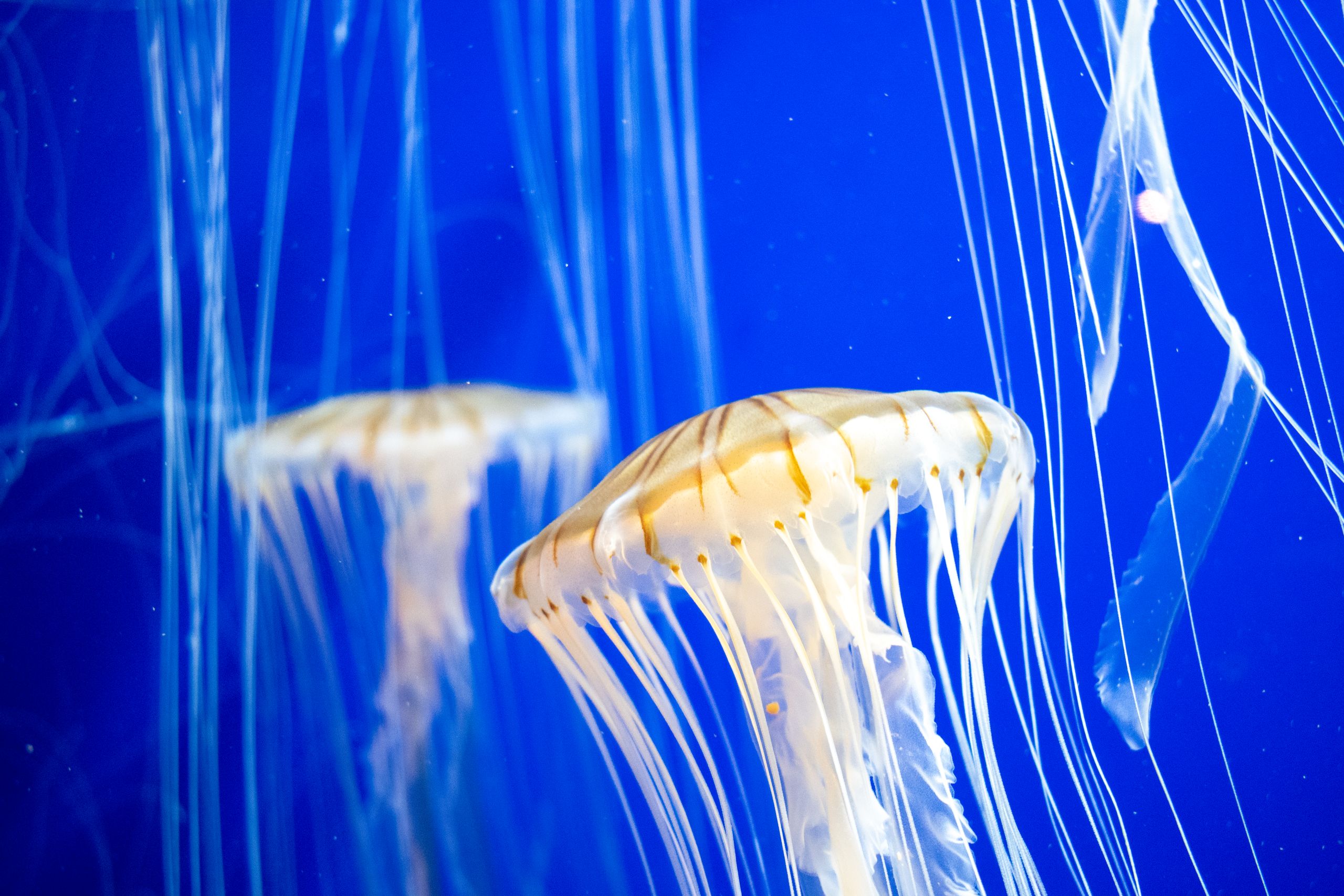
A tiny creature drifting through the world’s oceans has developed a survival ability that scientists are still struggling to understand. When faced with certain threats, it can reverse its biological development and return to a younger stage of life, potentially repeating the process again and again.
Contents
show
Known as the immortal jellyfish, Turritopsis dohrnii has become a major subject of scientific interest. Researchers are now investigating its unusual genetic abilities in the hope that understanding them could eventually help humans fight age-related diseases.
The Jellyfish That Can Turn Back Its Biological Clock
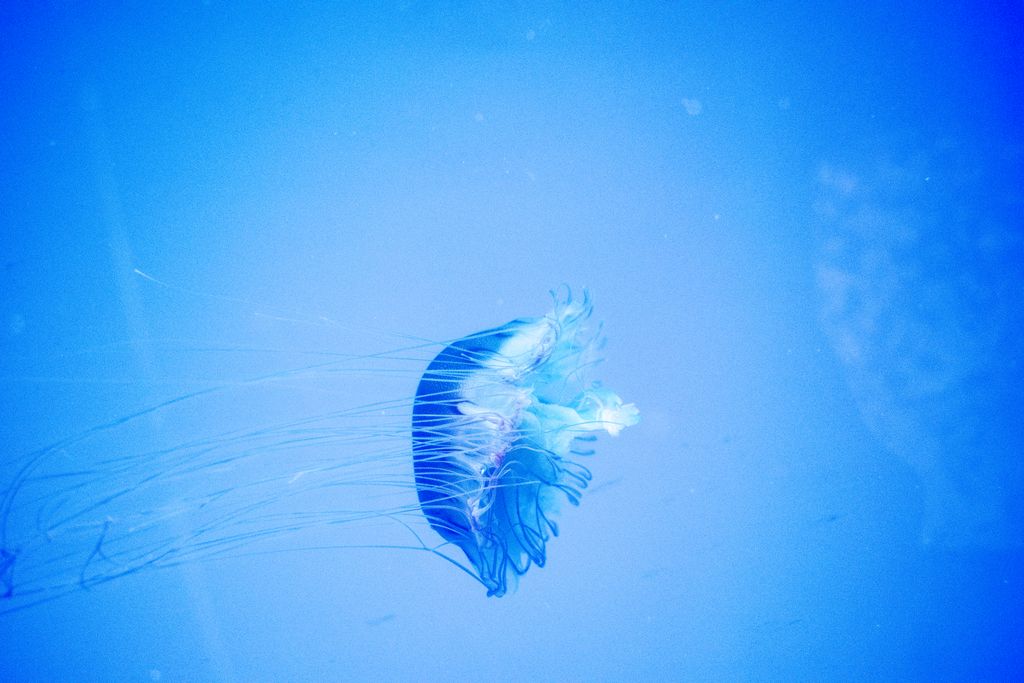
The immortal jellyfish is a small, translucent marine animal that looks relatively unremarkable when compared with other ocean creatures. However, its ability to reverse its own development has made it one of the most fascinating organisms studied by scientists investigating ageing.
Most animals follow a relatively predictable biological process. They develop from young organisms into adults, reproduce and eventually die as their bodies deteriorate with age. The immortal jellyfish has a remarkable ability that allows it to interrupt this process under certain stressful conditions.
When threatened by environmental changes, starvation or physical stress, an adult jellyfish can transform into a ball-like mass of cells. Its familiar umbrella-shaped body and trailing tentacles disappear as the animal begins reverting to an earlier stage of development.
Within one to three days, a structure called a polyp can develop from this cellular mass. Polyps represent an earlier stage in the jellyfish’s life cycle, eventually producing colonies that can generate new adult jellyfish.
Marine biologist Maria Miglietta of Texas A&M University at Galveston has studied these unusual creatures and their regenerative abilities. She described the extraordinary reproductive potential of the species, saying, “From one jellyfish that doesn’t die, then you get this colony that can form hundreds more.”
The newly produced jellyfish can potentially undergo the same rejuvenation process when conditions become difficult. This gives the species an unusual biological advantage that has earned it the nickname immortal jellyfish.
Scientists First Discovered Its Secret After An Unexpected Accident
The discovery of the immortal jellyfish’s unusual ability reportedly happened because an Italian scientist forgot to feed some specimens over a weekend. When he returned to the laboratory in 1992, he expected to find the tiny animals dead after being left without food.
Instead, he discovered something that would eventually change how researchers studied the species. The jellyfish had apparently reverted to an earlier developmental stage, with new polyps appearing inside their container.
Miglietta recalled the unexpected discovery, explaining that the scientist “instead he found new polyps in the container”. The observation attracted the attention of Italian biologist Stefano Piraino, who began investigating how the animals could reverse their development.
His research helped scientists understand that the process involved something unusual happening inside the jellyfish’s cells. Rather than simply repairing damaged body parts, the animal appeared capable of changing the biological identity of certain mature cells.
The Cellular Process Behind The Transformation
The process is known as transdifferentiation, which describes how one specialised cell type can change into another. During the jellyfish’s rejuvenation, certain mature cells return to a less specialised state before developing into the cells required to form a polyp.
This is particularly interesting because most specialised animal cells maintain their established functions throughout life. A muscle cell generally remains a muscle cell, while nerve cells perform their own specialised roles.
The immortal jellyfish appears capable of reversing some of these cellular decisions. Scientists are investigating how its genetic instructions coordinate the process without preventing the animal from developing functioning tissues again.
Understanding this mechanism could provide important clues about cellular regeneration. Researchers are especially interested in whether similar biological pathways could eventually be used to repair damaged human tissues.
Genetic Research Is Revealing Clues About Its Extraordinary Survival
Scientists have increasingly turned their attention towards the jellyfish’s DNA to understand what makes its rejuvenation possible. One particularly important investigation involved researchers from the University of Oviedo in Spain, who successfully mapped the genome of Turritopsis dohrnii.
The team compared its genetic information with that of a closely related species that does not have the same known ability to rejuvenate after sexual reproduction. Their findings were published in the scientific journal Proceedings of the National Academy of Sciences in 2022.
The comparison revealed several differences involving genes associated with DNA repair, cellular maintenance and the preservation of genetic material. Researchers found that the immortal jellyfish possessed variations that could help it maintain and replicate its DNA more effectively.
Another important discovery involved telomeres, which are protective structures located at the ends of chromosomes. These structures help prevent genetic material from deteriorating during repeated cell division.
Why Telomeres Are Important For Ageing

In humans, telomeres generally become shorter as cells divide. Their gradual shortening is associated with cellular ageing and can eventually affect a cell’s ability to continue dividing.
The immortal jellyfish appears to have genetic advantages involving the maintenance of these protective structures. Researchers believe this could be one component of its unusual ability to rejuvenate.
However, scientists have not identified a single gene responsible for immortality. The available findings suggest that several biological mechanisms work together to support the transformation.
Molecular biologist Jan Karlseder, director of the Glenn Center for Biology of Aging Research at the Salk Institute, explained that the process involves multiple pathways. “The most interesting thing is that it’s not a single molecular pathway,” he said.
Karlseder added that extending an organism’s healthy lifespan would require understanding how different biological processes interact. This could prove important when researchers begin investigating whether similar mechanisms have any relevance to human health.
Could The Immortal Jellyfish Eventually Help Humans Live Longer?
The possibility of applying the jellyfish’s biological abilities to human medicine is attracting considerable scientific interest. Researchers are particularly interested in whether its cellular rejuvenation mechanisms could eventually help repair damaged tissues and address certain diseases associated with ageing.
The goal is not to make elderly people physically transform into babies or reverse the development of their entire bodies. Scientists are investigating whether individual cells and tissues could potentially be encouraged to regain some of their regenerative abilities.
Michael Koldobskiy, a pediatric oncologist and physician-scientist at Johns Hopkins, has discussed the potential implications of this research for regenerative biology. He believes understanding organisms with unusual survival mechanisms could eventually help researchers investigate new medical approaches.
He explained the potential direction of the research, saying, “We’re not going to shrink down to an embryo again and restart,” before adding that rejuvenation at the organ and tissue level could be a possibility.
Several areas of medicine could eventually benefit from a better understanding of cellular regeneration.
- Stroke recovery: Researchers hope improved regenerative techniques could eventually help repair damaged tissue following strokes.
- Heart damage: Understanding cellular repair mechanisms could provide clues for addressing tissue damage caused by heart attacks.
- Age-related vision loss: Studying how cells maintain themselves could help scientists investigate degenerative conditions affecting eyesight.
- Alzheimer’s disease: Researchers are interested in whether cellular maintenance pathways could offer insights into neurodegenerative conditions.
- Wound healing: Better knowledge of cellular rejuvenation could eventually contribute to treatments that help damaged tissues recover.
These possibilities remain research goals rather than established medical treatments. Scientists still need to understand how the jellyfish controls its cellular transformation before determining whether any comparable process could work safely in humans.
Why Scientists Cannot Simply Copy The Jellyfish’s Immortality
Despite its extraordinary reputation, the immortal jellyfish is not invincible. Its ability to reverse its biological development protects it from certain environmental stresses, but it cannot escape every threat in the ocean.
The animal can still be eaten by predators, including sea snails, crustaceans and sea worms. Changes in food availability can also threaten its survival, while algae can smother colonies and prevent them from developing normally.
Marine biologist Monty Graham, director of the Florida Institute of Oceanography, explained the dangers facing these animals. “The fate of everything in the ocean generally is to be eaten at some point,” he said.
Its ability to rejuvenate also appears to have limitations that scientists do not fully understand. Some specimens studied in laboratories seem incapable of completing the transformation, while researchers cannot rule out the possibility that repeated rejuvenation eventually has a natural limit.
Biological Immortality Does Not Mean Eternal Life
The distinction between biological immortality and actually living forever is important. The jellyfish may be able to avoid death caused by certain ageing processes, but that does not make it immune to disease, predators or environmental destruction.
Scientists also face difficulties maintaining the species in laboratory conditions for extended periods. This makes it challenging to determine exactly how many times an individual animal can repeat its rejuvenation cycle.
The research therefore remains open to important questions. Scientists have yet to establish whether there is a maximum number of rejuvenation cycles or whether some specimens can continue indefinitely under suitable conditions.
Even the animal that earned a reputation for defeating ageing remains vulnerable to the natural world around it.
Scientists Are Still Trying To Recreate Its Rejuvenation Process
Understanding how the immortal jellyfish works is only the first part of the challenge. Researchers must also determine whether they can reproduce similar cellular changes in controlled laboratory environments.
Scientists have already discovered ways of inducing rejuvenation-like processes in some mammalian cells. However, successfully applying these techniques to human tissues has proven difficult.
One major obstacle involves controlling cellular development. Human cells perform highly specialised functions, and changing their biological identity could create serious problems if the process is not carefully regulated.
Researchers therefore need to understand how the jellyfish coordinates its genetic activity during rejuvenation. Its ability to reverse development while eventually producing functional new organisms could reveal useful information about controlling cellular regeneration.
Maria Miglietta has been comparing the genes activated during different stages of the jellyfish’s life cycle. Her research has identified increased activity in certain genes associated with DNA repair and telomere maintenance.
Some preliminary findings have also revealed overlap between genes activated during jellyfish rejuvenation and genes associated with longevity in humans. This has encouraged further investigation into potentially shared biological pathways.
However, similarities between genes do not prove that humans can reproduce the jellyfish’s abilities. Much more research will be required before scientists can establish whether these discoveries have practical medical applications.
The Discovery Could Change How Scientists Understand Ageing
For centuries, ageing has been treated as an unavoidable feature of animal life. Although scientists have discovered ways to extend lifespan and improve health, reversing the biological deterioration associated with ageing remains an enormous challenge.
The immortal jellyfish offers a fascinating example of how evolution can produce unusual survival strategies. Its ability to return to an earlier developmental stage suggests that some biological processes associated with ageing and cellular identity may be more flexible than researchers once assumed.
Maria Pascual-Torner of Spain’s Institute of Marine Sciences, who worked on the 2022 genome study, has also highlighted the unusual nature of the species. She explained that its ability to rejuvenate does not protect it from every danger, describing it as an extremely vulnerable organism.
This creates an interesting contrast. The jellyfish possesses one of the most unusual regenerative abilities known to science, yet its survival still depends on environmental conditions and its place in the ocean’s food chain.
Researchers are now collaborating across different scientific fields to understand the genetic and molecular mechanisms behind its transformation. Their work could eventually contribute to a better understanding of how cells repair themselves and why some biological systems deteriorate with age.
A Tiny Ocean Creature Could Hold Important Clues About Human Ageing
The immortal jellyfish has already challenged assumptions about what an animal’s life cycle can look like. Its ability to reverse development has given scientists an opportunity to investigate biological processes that remain difficult to reproduce in humans.
Researchers are still years away from knowing whether its genetic secrets could lead to treatments for age-related diseases. There is no evidence that humans will ever achieve the same form of biological immortality.
For now, the most important discovery may be that nature has developed cellular survival mechanisms that scientists are only beginning to understand. And the creature offering those clues is small enough to disappear almost unnoticed in the vastness of the ocean.