
Your cart is currently empty!
Jeff Bezos Sparks Backlash After Claiming Taxing Billionaires Won’t Help Working Americans
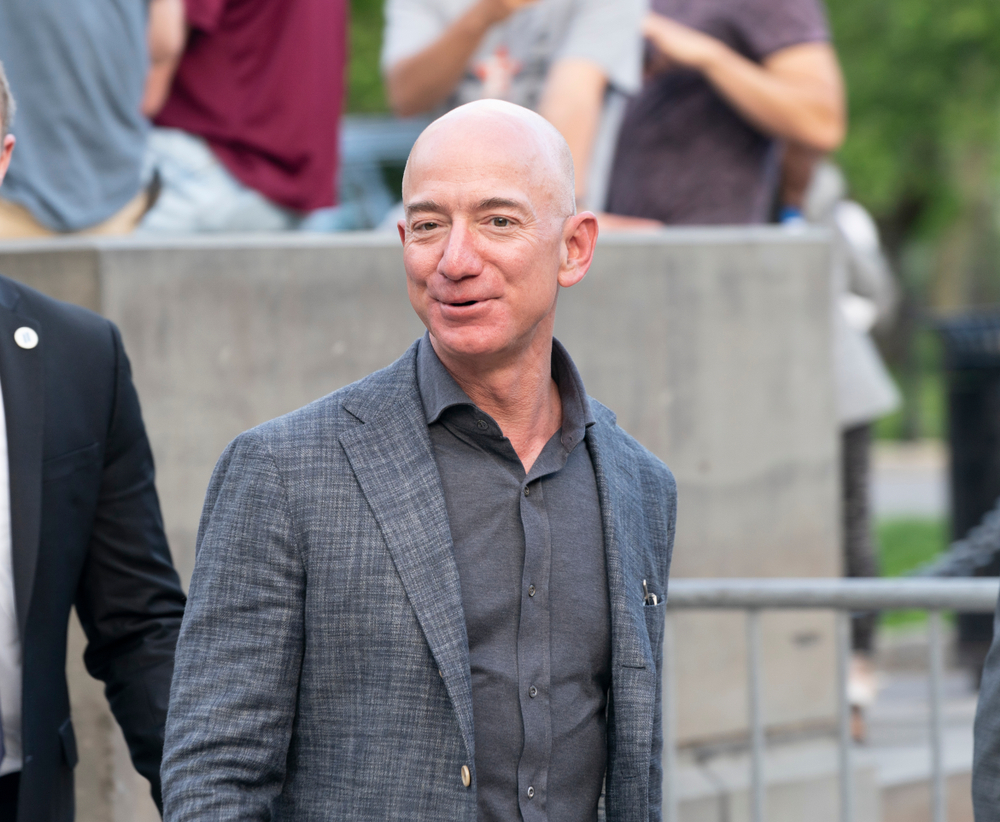
Jeff Bezos has stepped directly into one of the biggest political arguments in America, and his comments are already sparking backlash. The Amazon founder’s remarks have reignited a long-running debate about wealth inequality, taxation, and the role billionaires play in society. As one of the richest people in the world, Bezos’ opinions naturally attract attention from both supporters and critics.
Contents
show
The billionaire argued that even dramatically increasing taxes on billionaires would do little to improve the lives of ordinary Americans. His comments came at a time when many politicians are advocating for higher taxes on the ultra-wealthy as a way to fund public programs and reduce economic disparities. The statement quickly became a trending topic across news outlets and social media platforms.
Many Americans remain divided on the issue. Some believe billionaires should contribute significantly more to government revenues, while others agree with Bezos that taxation alone cannot solve deeper economic challenges. The discussion reflects broader concerns about inflation, housing affordability, healthcare costs, and wage growth.
As reactions continue to pour in, Bezos’ comments have become part of a larger national conversation about how best to address economic inequality. The debate highlights the growing tension between calls for wealth redistribution and arguments focused on government efficiency and structural reform.
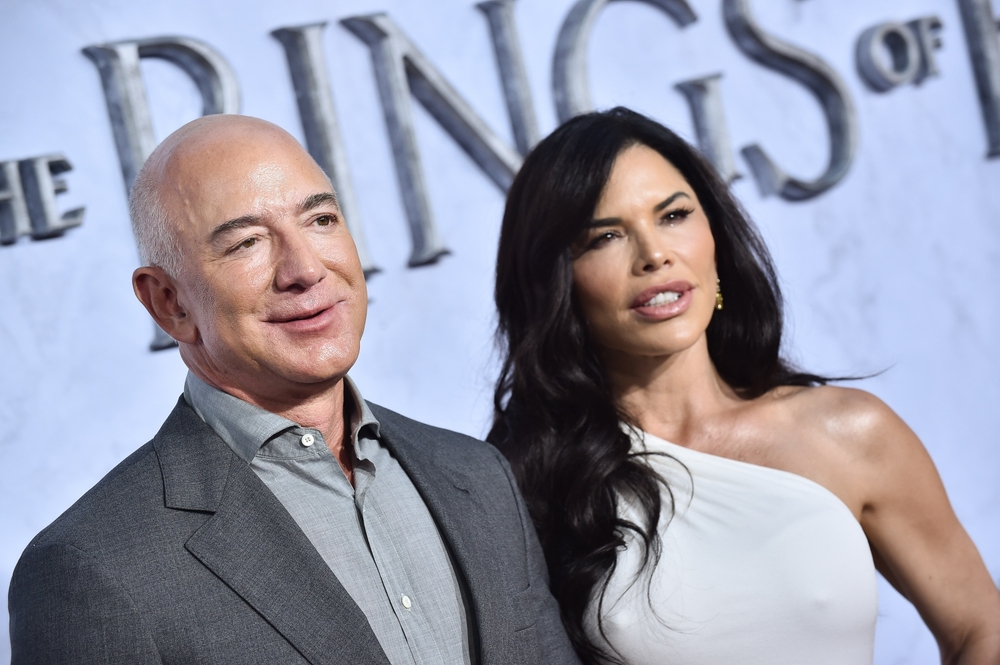
Bezos Says Politicians Are Using Billionaires As Villains
Speaking during a CNBC interview, Bezos criticized what he described as a long-running political strategy of blaming wealthy individuals for deeper economic problems. He suggested that politicians often use billionaires as convenient targets because doing so resonates with voters frustrated by economic hardships. According to Bezos, this approach oversimplifies complex issues.
The billionaire argued that politicians frequently focus public anger on high-profile figures instead of addressing structural challenges affecting working families. He maintained that simply collecting more money from wealthy Americans does not automatically lead to better schools, stronger healthcare systems, or improved living standards for average citizens.
“You could double the taxes I pay, and it’s not going to help that teacher in Queens,” Bezos said during the interview. The statement quickly spread online and became one of the most discussed quotes from the conversation. Supporters viewed it as a realistic assessment, while critics saw it as dismissive of wealth inequality concerns.
His comments arrived amid increasing pressure from progressive lawmakers who support higher taxes on billionaires and wealthy property owners. Several cities and states have explored wealth tax proposals in recent years, arguing that additional revenue could help fund public services and reduce economic disparities.
The Debate Was Triggered By A Viral Tax-The-Rich Campaign
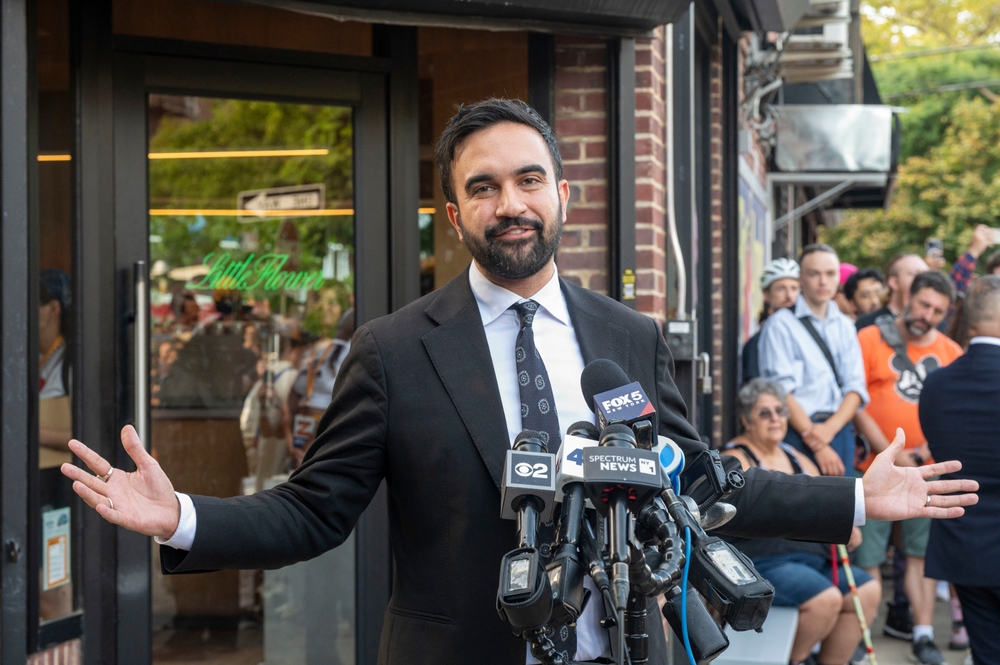
A major factor behind the controversy involves New York City Mayor Zohran Mamdani and his campaign targeting luxury property ownership. The campaign gained widespread attention after a social media video highlighted expensive residences owned by some of the world’s wealthiest individuals. The message resonated with voters concerned about housing affordability.
Mamdani promoted a proposed “pied-à-terre” tax aimed at wealthy individuals who own luxury properties in New York but do not live there full time. The video showcased several high-end Manhattan buildings and argued that affluent property owners should contribute more to the city’s finances.
One of the featured properties belonged to hedge fund billionaire Ken Griffin, whose record-setting $238 million penthouse purchase has frequently been cited in discussions about wealth concentration. The property became a symbol for critics who argue that extreme wealth exists alongside growing economic hardship.
After Bezos’ comments gained national attention, Mamdani responded publicly and challenged the billionaire’s position. He suggested that many working-class residents would strongly disagree with the idea that taxing billionaires would have little impact on their lives. The exchange quickly transformed a policy debate into a highly public political confrontation.
Why Bezos Thinks Higher Taxes Miss The Real Problem
Bezos acknowledged that economic inequality is a genuine issue facing the United States. However, he argued that current discussions often focus on symptoms rather than underlying causes. In his view, simply increasing taxes on wealthy individuals does not address the structural factors contributing to financial struggles.
According to the Amazon founder, America is experiencing what he described as “a tale of two economies.” While some individuals and businesses continue to thrive, many households face rising costs related to housing, healthcare, education, and everyday necessities. These challenges have intensified concerns about economic mobility.
Bezos argued that government spending efficiency deserves greater attention than tax increases. He suggested that policymakers frequently promise solutions through higher taxation without clearly explaining how additional revenue would be used or measured for effectiveness. According to his perspective, accountability matters as much as funding.
He also claimed that the United States already operates one of the world’s most progressive tax systems. Bezos believes policymakers should spend more time evaluating government performance and less time focusing on wealthy individuals as political targets. Critics, however, argue that billionaire fortunes have expanded far faster than worker incomes over recent decades.
Bezos Made A Surprising Proposal For Lower-Income Workers
While much of the attention focused on Bezos defending billionaires, another part of his interview generated significant interest. The billionaire proposed eliminating federal income taxes for the bottom half of American income earners. He argued that such a move could provide immediate financial relief to millions of households.
According to Bezos, lower-income workers contribute a relatively small share of total federal income tax revenue. Because of this, he believes removing their tax burden could help struggling families without dramatically affecting government finances. The proposal surprised observers who expected the discussion to remain focused on billionaire taxation.
Bezos used examples involving teachers and nurses to explain his position. He questioned why workers earning modest salaries should lose portions of their income to taxes when many already face rising living expenses. His comments reflected concerns about affordability challenges affecting middle and lower-income households.
Figures discussed during the interview suggested that the bottom half of income earners contribute roughly 3 percent of total federal income tax revenue. Bezos argued that eliminating those taxes could allow workers to keep more of their earnings and improve financial stability without requiring major changes to government budgets.
Key Points Bezos Raised During The Interview
Jeff Bezos argued that many lower-income Americans are already facing significant financial pressure. He believes these workers should be allowed to keep more of what they earn rather than taking on additional financial burdens. According to Bezos, easing this pressure could help improve economic stability for many families.
He also questioned the effectiveness of dramatically increasing taxes on billionaires. Bezos suggested that higher taxes on the wealthy alone would not automatically lead to better public services or solve major economic problems. In his view, the issue is more complex than simply collecting more revenue.
Another point he emphasized was the importance of government efficiency. Bezos argued that policymakers should pay closer attention to how public funds are spent. He believes that improving spending practices and reducing inefficiencies could have a greater impact than focusing solely on raising taxes.
At the same time, Bezos acknowledged that income inequality remains a real concern. While he opposes targeting specific individuals through wealth taxes, he agrees that economic disparities need to be addressed. He supports broader structural reforms that could create long-term improvements across the economy.
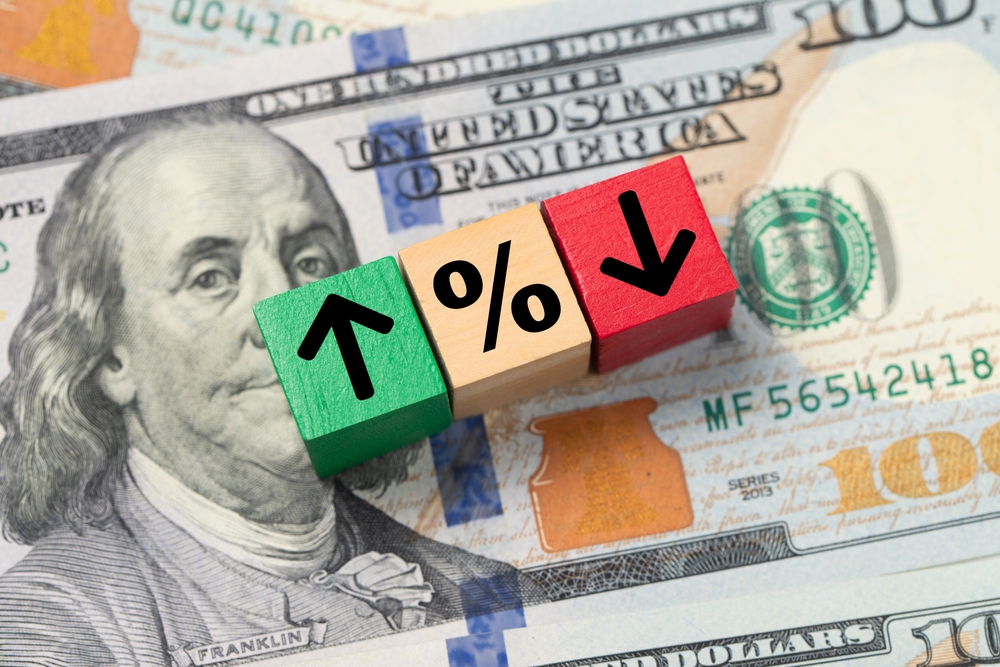
Supporters Of Wealth Taxes Often Point To Three Arguments
Rising Wealth Concentration
Advocates argue that billionaire wealth has expanded much faster than average wages over recent decades. They believe this trend contributes to widening economic inequality and limits opportunities for many Americans. Wealth taxes are often presented as one way to address this imbalance.
Funding Public Services
Supporters maintain that additional tax revenue could strengthen schools, transportation systems, healthcare programs, and affordable housing initiatives. They argue that these investments would benefit communities and improve quality of life for millions of people across the country.
Reducing Economic Gaps
Many advocates view taxation as a tool for narrowing wealth disparities and promoting greater economic mobility. They believe targeted tax reforms could help create a more balanced economy while ensuring that the wealthiest individuals contribute a larger share toward public needs.
Those arguments continue to influence progressive lawmakers who support tax reforms aimed at the richest Americans. As wealth inequality remains a major political issue, proposals targeting billionaire fortunes are likely to remain part of national policy discussions.
The Tax Debate Shows No Signs Of Slowing Down
The exchange between Bezos and Mamdani reflects a much larger national argument that extends far beyond any single billionaire or politician. Questions about taxation, wealth distribution, and government spending continue to shape political discussions across the United States. These issues remain deeply connected to everyday concerns.
Housing affordability, healthcare access, education funding, and economic mobility are all influenced by decisions about taxation and public spending. Because these topics affect millions of Americans, proposals involving taxes often generate strong reactions from voters, policymakers, and advocacy groups.
For some observers, Bezos’ comments reinforced concerns that wealthy elites may be disconnected from the financial realities facing ordinary families. Others viewed his criticism of government spending as a valid point, arguing that efficiency and accountability should be priorities regardless of tax policy.
One thing remains clear: the debate over billionaire taxation is unlikely to disappear anytime soon. As election campaigns, budget negotiations, and discussions about economic inequality continue, figures like Bezos will remain central to a conversation that has become one of the defining political issues of modern America.