
Your cart is currently empty!
Jimmy Kimmel Fires Back at Trump in Fiery Return That Reignites Free Speech Debate
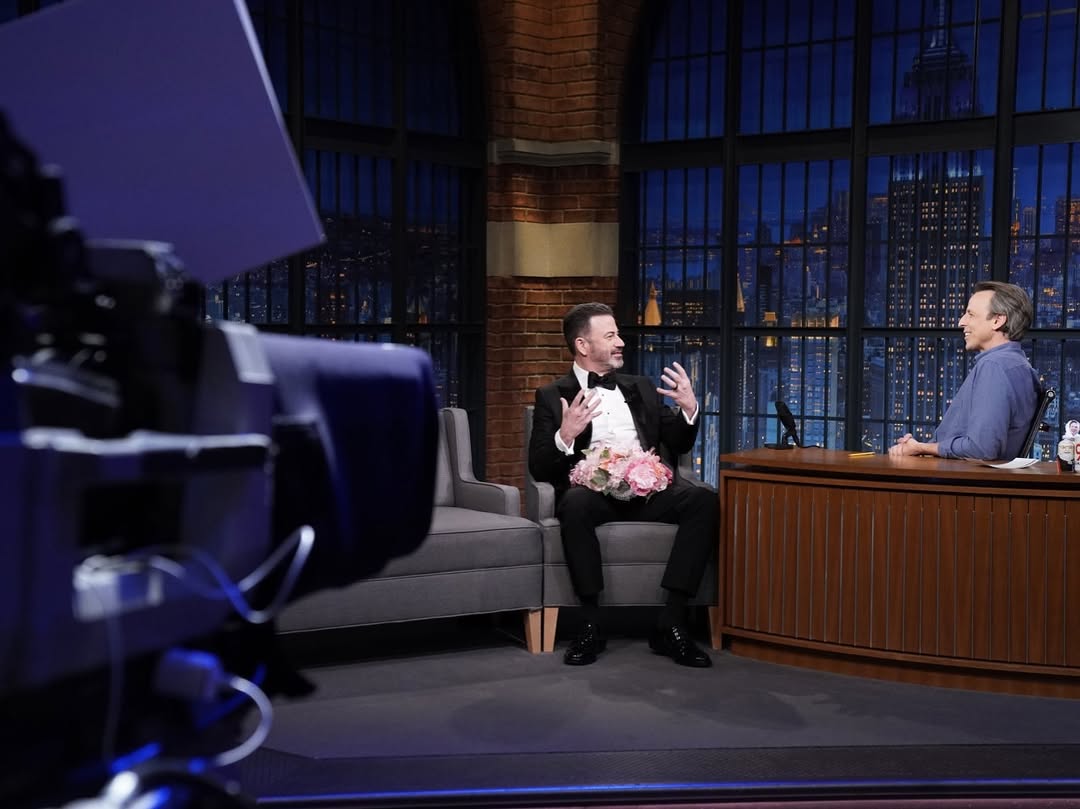
Jimmy Kimmel’s return to late-night television after his suspension wasn’t quiet or cautious; it was sharp, satirical, and aimed squarely at Donald Trump. What unfolded wasn’t just another celebrity-versus-politician spat, but a larger debate about free speech, accountability, and the power of comedy in American politics.
Contents
show
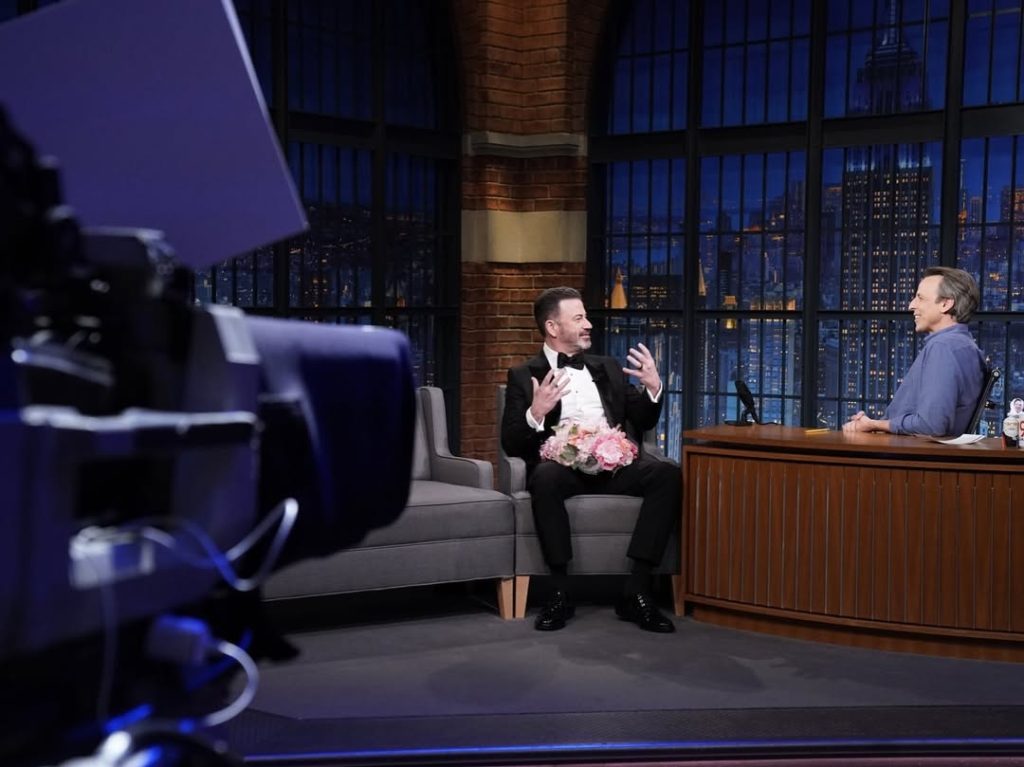
Kimmel’s monologue was both fiery and heartfelt, mixing biting humor with emotional reflection. Trump, meanwhile, wasted no time firing back on Truth Social. Their clash illustrates the deep cultural divide over who gets to speak, what counts as going too far, and how leaders respond to criticism.
Kimmel’s Suspension and What Sparked It
Kimmel’s temporary removal stemmed from an episode that blended politics, satire, and tragedy in a way that divided audiences. In his commentary on the assassination of conservative activist Charlie Kirk, he juxtaposed news clips of Donald Trump avoiding direct remarks on the killing and pivoting instead to talk about renovations. What might have been just another late-night bit took on sharper stakes because it touched on violence, grief, and political loyalty. The following day, ABC announced the show would be “pre-empted indefinitely,” creating uncertainty about whether the move was disciplinary, strategic scheduling, or a cautious pause amid controversy.
.jpg)
The suspension highlighted how vulnerable late-night programs are to both public pressure and corporate caution. Unlike scripted dramas, talk shows are written daily, thrive on topical humor, and carry the risk of backlash when satire intersects with sensitive events. The ambiguity of ABC’s language added to speculation: some interpreted it as a quiet cancellation, others saw it as a way of avoiding further headlines while the storm passed. Beyond the optics, the halt disrupted the work of an entire production staff, fueling arguments about whether accountability was being applied to Kimmel or whether free expression was being chilled because of political sensitivities.

This episode also reflected the larger tension between network priorities and cultural debates. For some viewers, the suspension was a necessary pause to acknowledge the seriousness of Kirk’s death; for others, it signaled that networks may be too quick to silence provocative voices when those voices target powerful figures. That brief but intense break in programming set the stage for Kimmel’s highly anticipated return on September 23.
Kimmel’s Monologue: Political Shots at Trump
Kimmel’s return monologue went beyond surface-level mockery and took aim at what he described as a president misusing his office. He joked at Trump’s expense: “You almost have to feel sorry for him, he tried his best to cancel me and instead he forced millions of people to watch the show.”
But behind the humor was a pointed critique. Kimmel argued that Trump was not just a thin-skinned leader, but one who actively encouraged job losses to settle personal grievances: “The president of the United States made it very clear he wants to see me and the hundreds of people who work here fired from our jobs. Our leader celebrates Americans losing their livelihoods because he can’t take a joke.”
To strengthen his argument, he situated himself within a tradition of comedians who had long defended satire as a democratic safeguard. Invoking the names of performers who faced censorship, he warned: “One thing I did learn from Lenny Bruce and George Carlin and Howard Stern, is that a government threat to silence a comedian the president doesn’t like is anti-American.”
This section of his monologue was less about individual grievances and more about principle: whether a president should use political influence to pressure networks or celebrate when workers are threatened. By connecting his situation to a lineage of performers who fought for artistic freedom, Kimmel framed the episode as a test of how much space dissenting voices have when they target the nation’s most powerful figure.
The Emotional Turn: Kimmel on Kirk’s Tragedy
Kimmel pivoted from satire to a measured, personal appeal aimed at viewers who felt he had been cavalier about Charlie Kirk’s killing. Fighting emotion, he stressed intent and empathy, saying: “I want to make something clear because it is important to me as a human and that is that it was never my intention to make light of a murder of a young man.” He reminded audiences that he had publicly expressed sympathy at the time: “I don’t think there is anything funny about it, I posted a message on Instagram on the day he was killed sending love to his family and asking for compassion and I meant it and I still do.”
What struck him most was the example set by Kirk’s widow. “Erika Kirk forgave the man who shot her husband. That is an example we should follow,” he said, holding back tears. He then closed with a plea for grace over outrage: “It touched me deeply. And if there’s anything we should take from this tragedy to carry forward, I hope it can be that, not this.”
The arc of this passage centered on intention, accountability, and the boundary between satire and mourning. Kimmel’s words made clear that beyond his role as a comedian, he wanted to emphasize compassion as the appropriate takeaway.
Trump Fires Back on Truth Social
Trump quickly responded on Truth Social, making clear that Kimmel’s suspension and return had caught his attention. He attacked both the host and ABC itself, writing: “I can’t believe ABC Fake News gave Jimmy Kimmel his job back. The White House was told by ABC that his Show was cancelled! Something happened between then and now because his audience is GONE, and his ‘talent’ was never there.” The remark cast doubt on ABC’s decision-making and painted Kimmel as an irrelevant figure, a strategy Trump often employs to diminish critics.

He went further by framing the situation as a potential financial opportunity: “I think we’re going to test ABC out on this. Let’s see how we do. Last time I went after them, they gave me $16 Million Dollars. This one sounds even more lucrative.” This reference alluded to the settlement from his previous defamation lawsuit against the network, using it as proof that confrontation with media outlets could be both politically advantageous and personally profitable.
These comments fit into a broader pattern of Trump’s rhetoric, where criticism from entertainers is recast as evidence of bias and fuel for his long-running feud with mainstream media. By suggesting legal action and mocking network executives, Trump turned Kimmel’s return into another chapter in his ongoing battle to discredit cultural institutions that provide platforms for dissenting voices.
The Bigger Picture: Free Speech, Comedy, and Power
The clash between Kimmel and Trump illustrates how entertainment and politics overlap in ways that test the boundaries of expression. Comedians have historically served as unofficial critics of government, using satire to question authority and highlight hypocrisy. Figures like Lenny Bruce and George Carlin famously challenged obscenity laws and cultural taboos, while later hosts such as Jon Stewart and Stephen Colbert embedded sharp political critique into mainstream television. Kimmel, by positioning his dispute with Trump within this tradition, underscored that late-night comedy can serve as a barometer of democratic health.
What makes this case distinctive is that the criticism is aimed directly at a sitting president who actively responds, not just by dismissing jokes but by celebrating a network suspension and hinting at legal or financial retaliation. That dynamic moves beyond humor into questions of power: whether elected leaders should use their platforms to pressure or undermine cultural figures, and how corporations navigate the fallout when comedy provokes political backlash. The situation highlights an enduring dilemma: how to uphold the principle of free speech while acknowledging the influence and consequences that come when political leaders engage directly with entertainers in public disputes.
Lessons in Satire and Compassion
Kimmel’s return demonstrated two sides of comedy: sharp satire as a tool to challenge power, and genuine emotion in the face of human loss. Trump’s retaliation underscored his ongoing war with the media and entertainment figures who lampoon him.

For audiences, this moment serves as a reminder that late-night TV is more than entertainment, it’s part of the national conversation. And while jokes may sting, Kimmel’s reflection on forgiveness offers a counterpoint: compassion can cut deeper than satire.
In a divided America, perhaps Erika Kirk’s act of forgiveness offers the clearest message. Words carry weight, but empathy may be the most powerful response of all.
Featured Image from @jimmykimmel on Instagram