
Your cart is currently empty!
Kansas Abruptly Invalidates 1,700 Transgender Driver’s Licenses With No Grace Period

For most people, a driver’s license is a basic necessity for daily life, required to legally drive, apply for a job, or secure housing. Yet, for hundreds of transgender residents in Kansas, this essential piece of identification was suddenly invalidated overnight.
Contents
show
A sweeping new law has explicitly revoked active driver’s licenses and birth certificates, plunging residents into unexpected administrative chaos. While other states have debated future identification rules, this unprecedented action raises urgent questions about personal safety, equal protection, and the true human cost of legislative mandates.
The Overnight Cancellation and Its Immediate Impact

A new law in Kansas just canceled the driver’s licenses and birth certificates of transgender residents who had previously updated their gender markers. The change happened overnight. State agencies mailed letters telling people their identification was “invalid immediately” and directing them to surrender their current cards to get a replacement that matches the sex assigned to them at birth.
Because lawmakers did not include a grace period in the legislation, affected residents were given no time to prepare. This created an instant crisis. To legally drive to work, go to the grocery store, or even visit the licensing office to get a replacement, people need a valid ID. Now, driving without one carries the risk of legal penalties, and residents are also required to pay the standard fees for their new, mandated licenses.
State officials estimate the measure impacts roughly 1,700 driver’s license holders and could affect more than 1,800 people who have updated their birth certificates. While states like Florida, Indiana, Tennessee, and Texas have passed rules blocking people from changing their gender markers in the future, the action in Kansas goes a step further. It is the first state to explicitly take back active, previously approved licenses without warning.
Safety Concerns and the Reality of Mismatched IDs

For many individuals, a driver’s license is more than just permission to operate a vehicle. It is a necessary tool for applying to jobs, securing housing, and navigating traffic stops. When a person’s identification does not match their physical appearance, routine interactions can quickly become unsafe.
Matthew Neumann, a transgender man living in central Kansas, now faces this exact problem. With a bald head and a long beard, presenting an ID that marks him as female will forcibly out him to strangers. As Neumann explained, “That safety has been stripped because we have more of a target on our back, and people are feeling that.”
The mismatch between a person’s lived reality and their government documents creates significant vulnerabilities. Harper Seldin, an attorney with the American Civil Liberties Union, noted that this discrepancy puts people in danger of discrimination or violence whenever they interact with law enforcement or apply for public benefits.
The emotional toll is also heavy. Anthony Alvarez, a university student who transitioned years ago, shared that this sudden change forces people to relive the fear they experienced when they first came out. Residents who spent years building comfortable, authentic lives are abruptly thrust back into a state of anxiety, with some even considering moving to states that will legally recognize their identities.
The Legal Fight for Identity

The sudden implementation of the law sparked immediate legal action. Two transgender residents, with the support of the American Civil Liberties Union, filed a lawsuit in state court seeking an injunction to stop the enforcement of the measure. The plaintiffs argue that the abrupt policy change violates their constitutional rights to due process and personal autonomy.
A core argument in the lawsuit focuses on equal protection. The plaintiffs point out that other drivers in Kansas are allowed to choose how they present themselves on their licenses, such as updating their names, noting a disability, or displaying their veteran status. Harper Seldin, representing the plaintiffs, stated that the law is “a cruel and craven threat to public safety all in the name of fostering fear, division and paranoia.”
Supporters of the legislation present a different view, framing the issue around administrative accuracy and emergency response. State Representative Susan Humphries, who sponsored the bill, argued during debates that the policy is necessary for government record keeping and is fundamentally about truth. Similarly, Representative Bob Lewis highlighted concerns for first responders. “It’s very important that they know the person’s biological sex, and if the person can’t speak to them, they have to rely on the driver’s license,” Lewis noted.
However, medical professionals have weighed in on the other side of this debate. The American Medical Association officially supports allowing individuals to reflect their gender identity on their driver’s licenses, suggesting that forcing a biological sex marker is not medically necessary for emergency care. As the courts evaluate the lawsuit, these competing views on safety, identity, and government records remain at the center of the conflict.
Beyond IDs: Bathroom Regulations and the National Political Climate
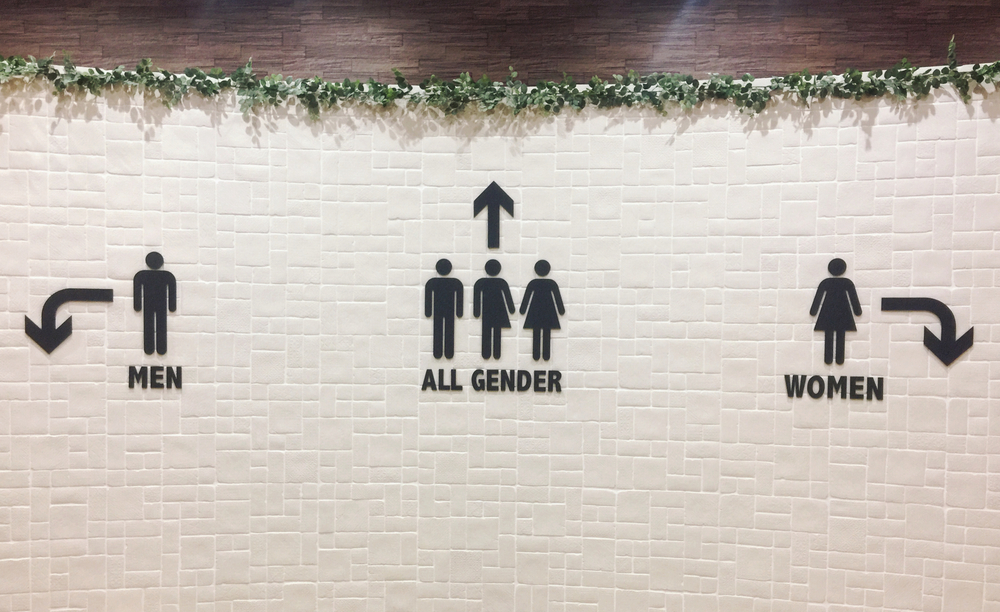
Beyond identification documents, the Kansas legislation introduces strict regulations concerning public facilities. The law mandates that transgender individuals use bathrooms and locker rooms in government-owned or leased buildings that correspond with the sex they were assigned at birth. In a highly restrictive provision, it also empowers private citizens to file lawsuits and seek financial damages from transgender people who use a restroom that aligns with their gender identity. Advocates warn that this specific clause opens the door to increased harassment in everyday situations.
This state-level action is part of a growing national trend. Across the United States, transgender people are facing a rising number of legal restrictions. Donald Trump has frequently highlighted these issues, previously issuing executive directives aimed at recognizing only two sexes and excluding transgender athletes from female sports.
The push for these restrictions carries significant political weight. Some Republican strategists have utilized topics like restroom access and transgender participation in sports to motivate their voter base, framing Democrats as being disconnected from mainstream concerns. Conversely, Democratic leaders accuse their political opponents of weaponizing these highly personal matters to distract the public from other pressing legislative issues.
As the debate continues, the outcome of the Kansas law and similar measures across the country will likely set lasting precedents for how gender identity is legally recognized and regulated in public life.
Identity in Question, Community in Action

Right now, transgender Kansans are facing a chaotic and uncertain reality. With their IDs suddenly canceled, many are forced to make tough choices. Some people hurried to get new licenses to avoid risking a traffic ticket or worse. Others are holding off, waiting to see if the state will actually force them to hand over the ID that matches who they are.
Behind the political debates and court filings, real lives are being turned upside down. Updating a driver’s license or birth certificate often brings a sense of safety and relief after years of struggle. Taking that recognition away overnight pushes people back into a place of fear and vulnerability.
Local communities are not leaving their neighbors to figure this out alone. Mutual aid groups across the state are stepping in to help. They are assisting people with the unexpected costs of new licenses and offering support to those trying to understand the new bathroom rules.
The situation in Kansas shows what happens when laws change without warning. The impact goes straight to the core of daily life, affecting how people get to work, feel safe in public, and simply exist in their hometowns. As these debates continue nationwide, looking at the actual people affected is crucial. True understanding requires seeing the human side of the law and prioritizing the safety of every resident.