
Your cart is currently empty!
Kentucky Family Rejects $26 Million to Save Their 200-Year-Old Farm
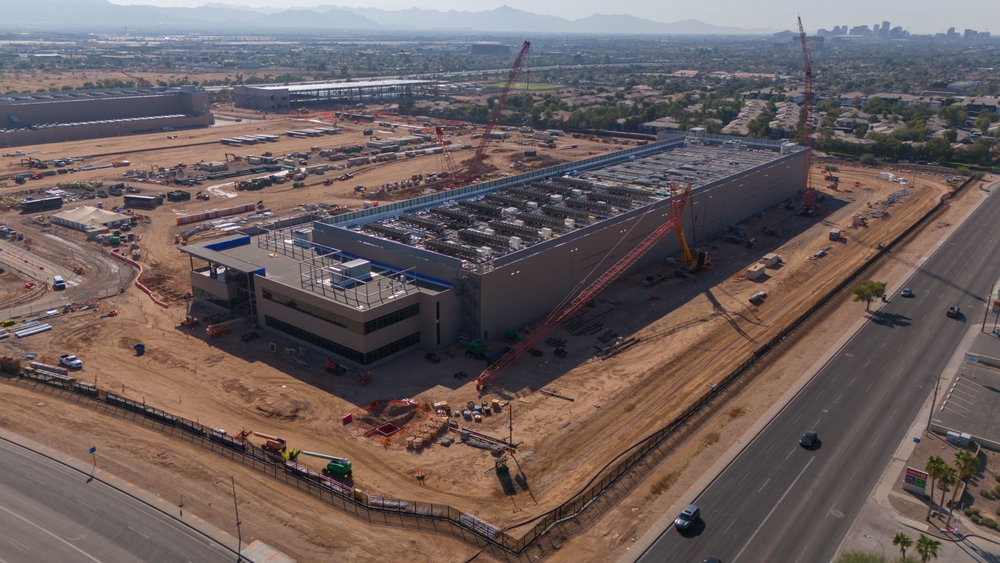
For most people, a $26 million offer would be impossible to ignore. It is the kind of life-changing payday that could erase financial worries overnight and completely transform the future of an entire family. But for one mother and daughter in rural Kentucky, the decision wasn’t about money. Instead, it became a choice between accepting a fortune or protecting a piece of land that has been part of their family’s story for more than two centuries. Their refusal has since captured national attention and sparked a growing conversation about the price of progress in America’s countryside.
Contents
show
As technology companies race to build massive data centers to power artificial intelligence and cloud computing, farmland across the United States has become some of the most valuable real estate on the market. Developers are paying staggering sums to secure thousands of acres, promising jobs and economic growth in return. Yet not everyone is convinced those promises outweigh the cost. For Ida Huddleston and her daughter, Delsia Bare, the proposed project represents far more than another commercial development. It threatens a place filled with generations of memories, family history, and traditions they believe cannot be replaced, no matter how many millions are offered.
A Fortune on the Table, But Never the Right Choice
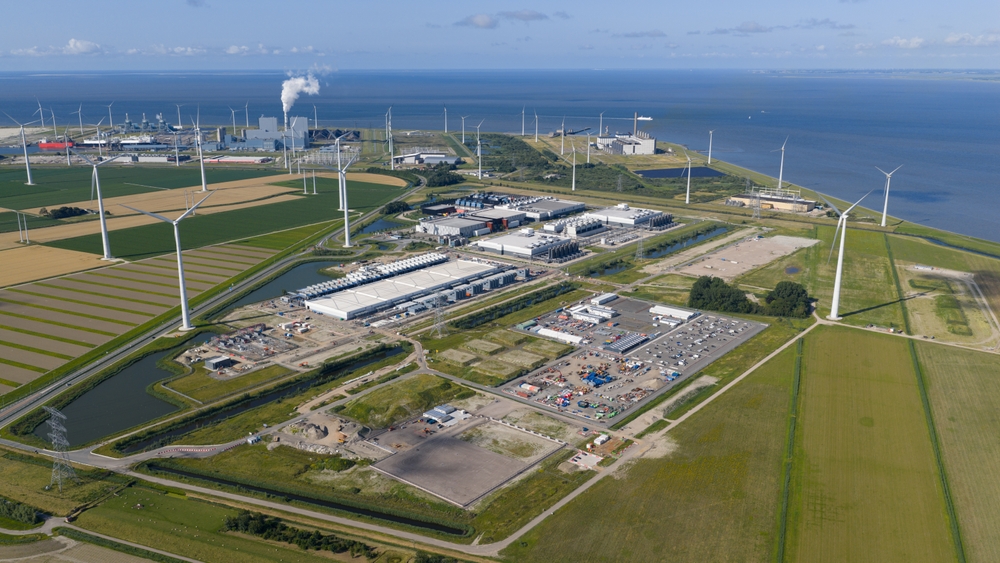
When developers approached the family with offers totaling more than $26 million, the figures sounded almost unbelievable. Ida Huddleston was offered approximately $4.26 million for her 71-acre property, while her daughter Delsia Bare received an offer worth more than $22 million for her 463-acre farm. Together, their land would become part of a proposed 2,000-acre data center planned for Mason County, Kentucky, a project expected to reshape the quiet farming community.
For many landowners, accepting such an offer would seem like the obvious decision. The proposed price was many times higher than the area’s typical farmland value, with developers paying tens of thousands of dollars per acre in a region where farmland had previously sold for only a fraction of that amount. Neighbors were suddenly talking about offers they had never imagined possible, and word quickly spread throughout the county that major investors were quietly buying up land.
Bare admits the enormous numbers initially caught everyone by surprise, but she says money was never the deciding factor. Rather than seeing the offer as a dream opportunity, she immediately thought about everything her family would lose by leaving the property behind. “The more money you have, the more problems you have,” Bare said. “It never went through my mind that this was a Cinderella story. I never wanted to leave my land.”
Her mother felt exactly the same way. Huddleston has repeatedly rejected the offers and says no amount of money could convince her to leave the place where she built her entire life. To her, the farm represents decades of hard work, sacrifice, and family memories that simply cannot be replaced with a larger bank account.
More Than Land. It’s Two Centuries of Family History
Long before the multimillion-dollar offers arrived, the property had already become part of the Huddleston family’s identity. The land has remained in the family since before the Civil War, passing through generations that chose to farm it instead of selling it. Every new generation added another chapter to its history, creating a connection that stretches back more than 200 years.
Ida Huddleston’s own journey on the farm began when she was still a teenager. She moved onto the property as a newlywed before turning 17, alongside her husband, William Robert “Bill” Huddleston, who was only 18 at the time. Like many young farming couples, they started with very little, working long days to build both their home and their future. Instead of cashing in whenever land values increased, they slowly expanded the farm over the decades, purchasing additional acreage whenever they had the opportunity.
That commitment shaped the childhood of their daughter, Delsia Bare. She remembers growing up surrounded by open fields, riding horses across the property, helping with farm work, and spending every season outdoors. Unlike many children who dream of leaving rural communities behind, Bare always imagined remaining on the same land where her parents had built their lives. It became more than an address. It became the place where every major family milestone unfolded.
Some of those memories are deeply personal. Bare’s late husband, who passed away in 2013, is buried in a historic cemetery located behind the family home. The burial ground itself dates back centuries and remains another reminder that the property carries far more emotional value than financial value. Every field, fence line, and hillside tells part of the family’s story, making the idea of walking away feel impossible regardless of the price being offered.
As AI Data Centers buy up beautiful family farms across America, one family refuses to sell out. Good for them.
— Karen Mosteller (@karen_mosteller) July 12, 2026
Thanks be to God. Land is finite. Once it’s gone, it’s gone.
People Magazine
July 20, 2026 pic.twitter.com/Z1vow6VLGi
A Promise Made Before It Was Needed
Before Bill Huddleston passed away, he wanted to make sure the family’s legacy would continue long after he was gone. Rather than allowing uncertainty over the future of the farm, he arranged for the property to be divided among Ida, Delsia, and their son Bob, ensuring each would have a stake in protecting the land.
That decision reflected the philosophy that had guided the family for generations. While neighboring farms occasionally changed hands, the Huddlestons rarely considered selling. Instead, they believed each generation had a responsibility to preserve what earlier generations had worked so hard to build. The farm was never viewed simply as property or an investment. It represented the family’s past and the foundation of its future.
Bob Huddleston, who also lives on the property, shares his mother and sister’s determination to keep the land in the family. Although he has largely stayed out of the media spotlight, he also opposes the proposed sale and supports the family’s decision to resist mounting pressure from developers.
Huddleston says leaving has never been an option in her mind. Sitting inside the log home she and her husband built more than 60 years ago, she explained why she intends to stay where she is. “Money couldn’t move what all I’ve got put in place here, so I just might as well stay and fight it out right where I’m at.” Those words have become the heart of a story that continues to resonate with people far beyond rural Kentucky.
As AI Data Centers buy up beautiful family farms across America, one family refuses to sell out. Good for them.
— Karen Mosteller (@karen_mosteller) July 12, 2026
Thanks be to God. Land is finite. Once it’s gone, it’s gone.
People Magazine
July 20, 2026 pic.twitter.com/Z1vow6VLGi
The Mystery Company Behind the Billion-Dollar Project
One of the biggest concerns for the Huddleston family has nothing to do with the money itself. Instead, it is the lack of information surrounding the company that wants to purchase the land. While local officials have confirmed that the developer represents a Fortune 100 company, its identity has not yet been made public. For residents whose homes and livelihoods could be permanently affected, that uncertainty has only added to their concerns.
Bare says the secrecy surrounding the proposal made her question the entire process from the beginning. She believes homeowners deserve to know exactly who is planning to build such a massive facility before making one of the biggest decisions of their lives. Without that information, she says it becomes almost impossible for families to understand what the future of their community could look like.
“When they will not reveal who they are that’s a major player in what you’re going to do with the rest of your life if you are stuck here or even if you are leaving here,” Bare said.
According to local officials, the proposed development has already cleared several planning stages. The Mason County Planning Commission approved rezoning requests and a development plan with conditions, meaning the proposal now moves to the Mason County Fiscal Court for final consideration. Officials have also stated that the company behind the project will only be identified after the approval process is complete, leaving many residents waiting for answers.

Supporters Believe the Project Could Transform the Region
Not everyone opposes the proposed development. Local economic leaders argue that the massive investment could bring opportunities that Mason County has rarely seen. As technology companies continue expanding artificial intelligence and cloud computing services, demand for large-scale data centers has exploded across the country, creating fierce competition for suitable land.
The Maysville-Mason County Industrial Development Authority believes the project could become one of the area’s largest employers. Officials estimate the development could generate around 400 permanent jobs while creating more than 1,500 construction jobs during the building phase. Supporters also point to increased tax revenue, infrastructure improvements, and the possibility of attracting additional businesses to the region.
For some neighboring landowners, those potential benefits were enough to accept generous offers from developers. Reports indicate that several nearby farms have already been sold as part of the proposed 2,000-acre project, allowing developers to assemble much of the land they need.
Even so, the Huddleston family remains unconvinced. Bare questions whether the projected employment figures will actually materialize once construction is complete. “My guess is you won’t have over 50 and they won’t even be here at this building when it’s said and done,” she said. From her perspective, replacing productive farmland with industrial facilities simply does not provide enough long-term value for local residents.
Why Data Centers Are Fueling Battles Across Rural America
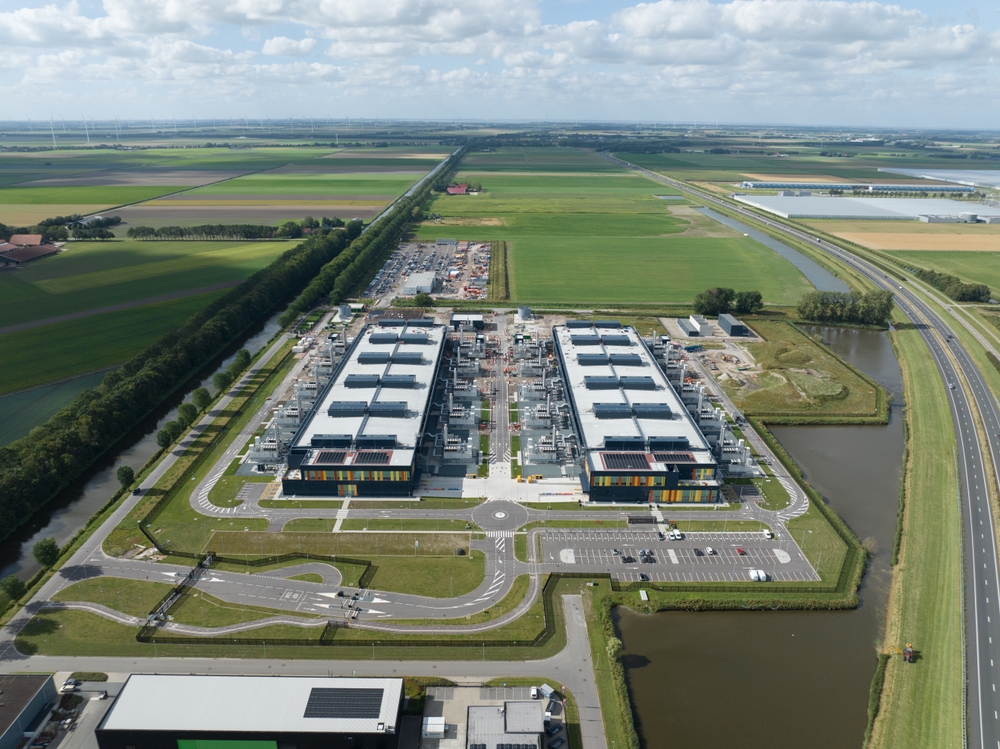
The dispute unfolding in Kentucky reflects a much larger trend taking place across the United States. As artificial intelligence becomes increasingly integrated into everyday life, companies are racing to build new data centers capable of handling enormous amounts of digital information. Those facilities require vast amounts of land, reliable electricity, high-speed internet connections, and access to cooling systems, making rural communities especially attractive.
Critics argue that these developments can permanently change agricultural areas that have remained largely untouched for generations. Environmental groups have also raised concerns about the enormous energy demands of modern data centers, many of which consume electricity comparable to small cities. Water usage has become another issue, with some facilities requiring millions of gallons each year to keep servers cool.
Opponents also question whether the long-term economic benefits match the promises made during negotiations. While construction projects often employ hundreds of workers, completed facilities generally require far fewer permanent employees than manufacturing plants or distribution centers of similar size. That has led some residents to wonder whether sacrificing valuable farmland is worth the trade-off.
For the Huddleston family, the debate extends beyond economics or technology. Ida Huddleston believes productive farmland will always remain more valuable than another industrial complex. “You can’t get food out of a data center, and everything coming out of the data center is going to be poison and destructive,” she said.
The Offers Changed an Entire Community
Bare recalls that the first signs of something unusual appeared when neighbors began talking about offers that seemed far too good to be true. Farmland that had typically sold for around $4,600 per acre was suddenly attracting bids many times higher than market value. At first, many local residents struggled to believe the stories.
“We were sitting here minding our own business whenever a neighbor come in carrying on about over the top bids for farms when the land’s been selling for about $4,600 an acre,” Bare said. “It sounded like a scam.”
As more offers arrived, it became clear that developers were assembling land for a project unlike anything the area had experienced before. Some families accepted the opportunity to cash out, while others hesitated, uncertain about what such a dramatic transformation would mean for the future of the county.
The Huddlestons chose a different path. Signs opposing the proposed data center now surround portions of their property, reflecting both their own determination and the concerns shared by other residents who believe the region’s agricultural heritage deserves protection.
A Stand That Goes Beyond One Family
The debate surrounding the Kentucky farm has resonated with people across the country because it reflects a question many rural communities may soon face. As demand for artificial intelligence infrastructure continues growing, more farmland is likely to become valuable to developers looking for space to build the next generation of data centers.
For some families, accepting a multimillion-dollar offer may provide opportunities they never imagined possible. For others, the emotional value of land passed down through generations outweighs any financial reward. There is no universal answer, but the Huddlestons have made their position unmistakably clear.
At 82 years old, Ida Huddleston says she has no intention of changing her mind. “I said I don’t want your money, I don’t need your money, but I do feel sorry for everybody around us,” she said. As local officials continue weighing the future of the project, one thing appears certain. For this Kentucky family, some things simply cannot be bought, regardless of how many zeros appear on the check.
$26 million offer, 200-year-old farm, AI data centers, Birds Advice, data center, Delsia Bare, family farm, family legacy, farming news, farmland preservation, Fortune 100 company, Ida Huddleston, Kentucky farm, Kentucky news, land dispute, Mason County, property rights, rural America, trending story, viral news