
Your cart is currently empty!
King Charles Stuns Congress With Carefully Worded Warning During Historic Speech
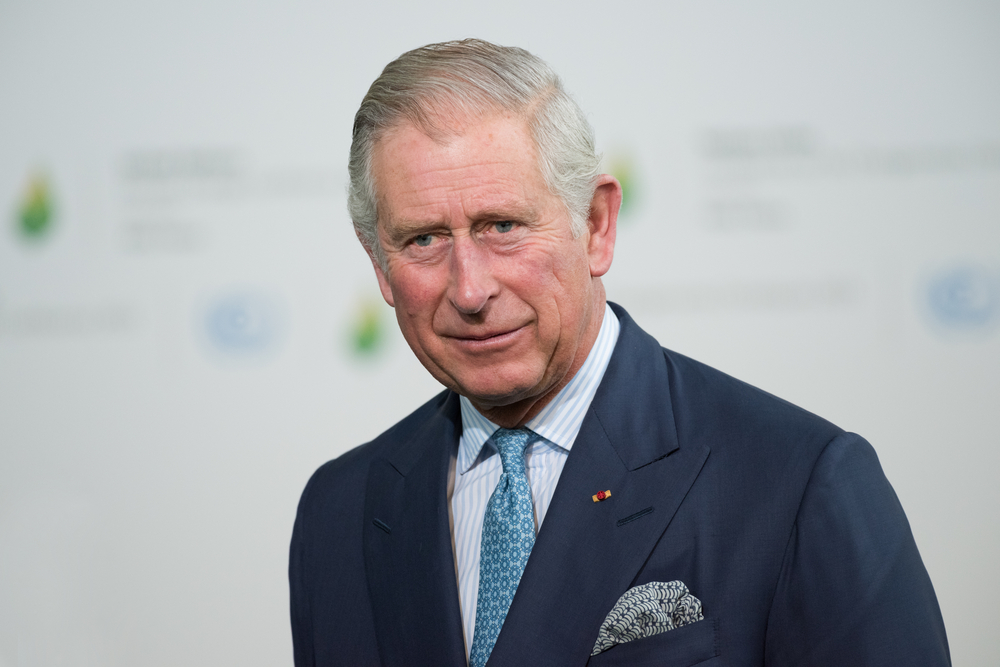
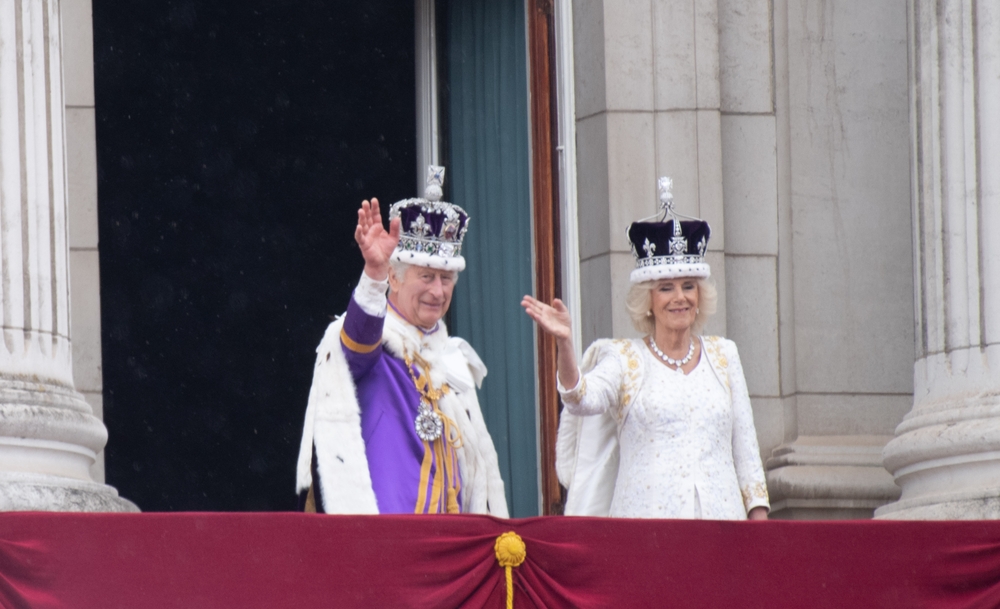
King Charles III arrived in Washington for what was officially framed as a celebration, marking America’s 250th anniversary and the long-standing bond between two of the world’s most influential nations. But the mood surrounding his visit carried a different kind of weight. Behind the ceremonial welcome and historic setting, tensions between the United States and the United Kingdom had been building, driven in part by disagreements over global conflicts and shifting political priorities.
Contents
show
His address to Congress reflected that reality from the very first moments. Rather than lean entirely into celebration, the King used the opportunity to speak directly about instability, strained alliances, and the responsibilities that come with global power. The speech balanced diplomacy with carefully chosen lines that hinted at deeper concerns, leaving some lawmakers applauding while others appeared to read between the lines.
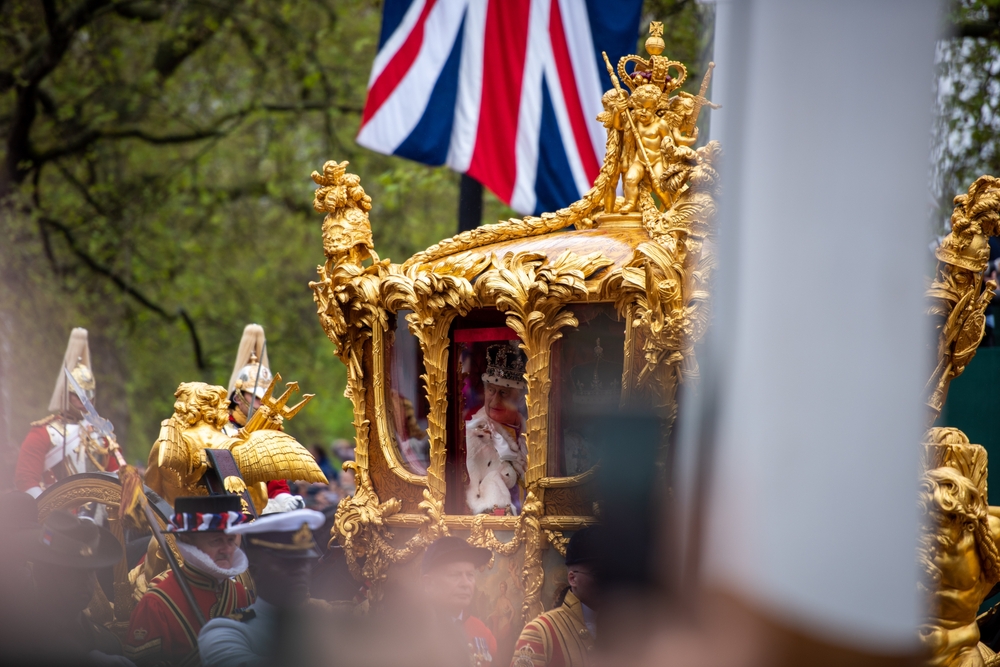
A Visit Framed As More Than Celebration
The visit was positioned as a milestone event, reinforcing what has long been described as the “special relationship” between the UK and the US. The King emphasized shared history and mutual values, pointing to centuries of cooperation that have shaped both nations.
At the same time, the context surrounding the visit added urgency. Disagreements over international conflicts, particularly in the Middle East, have created visible friction between the two governments in recent months.
King Charles acknowledged that tension without directly confronting it. “With the spirit of 1776 in our minds,” he said, “we can perhaps agree that we do not always agree”.
That line set the tone for what followed, framing disagreement as part of a broader partnership rather than a threat to it.
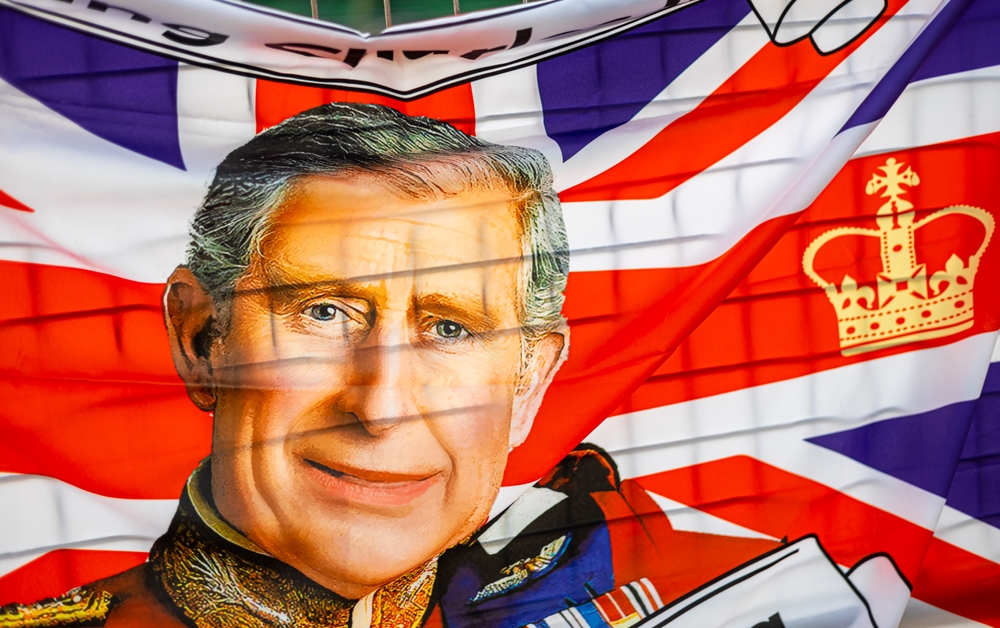
He Opened With A Stark Reality Check
The King began his speech by addressing what he described as “times of great uncertainty,” immediately grounding the moment in present-day challenges rather than historical celebration. He referenced ongoing conflicts in Europe and the Middle East, highlighting the scale of instability facing both nations.
He also pointed to political violence, noting how such events threaten democratic systems. The message was clear that the challenges ahead are not limited to foreign policy but extend into domestic stability as well.
Despite outlining these concerns, he pivoted toward unity. He stressed that cooperation between the United States and the United Kingdom has repeatedly delivered results beyond their own borders.
His framing suggested that shared action, even after disagreement, remains one of the alliance’s defining strengths.

A Line About Power That Got People Talking
One of the most closely watched moments came when the King spoke about executive authority and its limits. He referenced the principle that power must be constrained by law, tracing it back to the Magna Carta and its influence on the US Constitution.
The response inside the chamber was immediate, with applause building quickly across different sections. Observers noted that the reaction appeared to carry political undertones, given ongoing debates around presidential authority.
He reinforced that idea later with a pointed remark. “America’s words carry weight and meaning, as they have since independence,” he said. “The actions of this great nation matter even more.”
The line prompted mixed reactions, with some lawmakers nodding in agreement while others appeared more cautious.
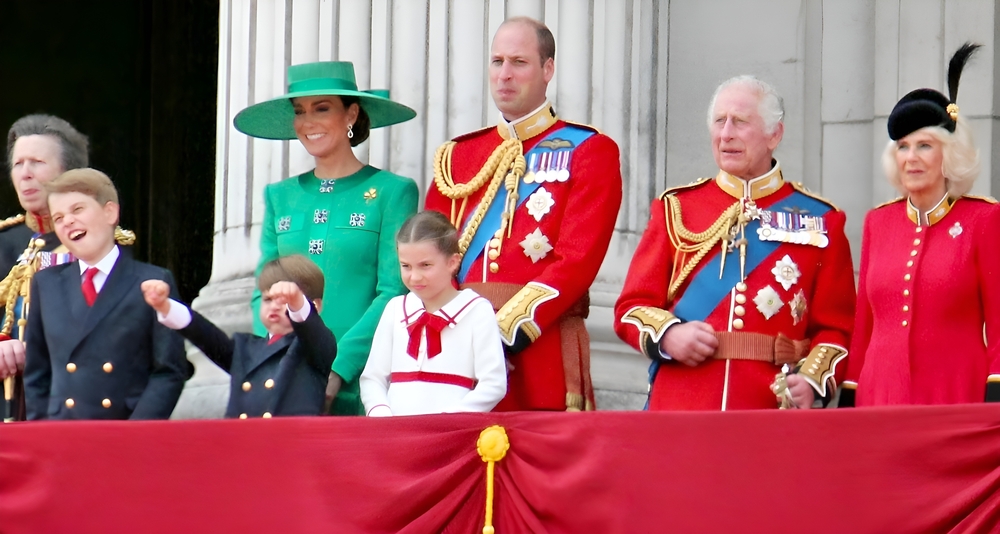
A Strong Defence Of NATO And Military Alliances
Security cooperation featured heavily throughout the speech. The King spoke about the importance of NATO, describing it as central to protecting both North America and Europe from shared threats.
He reminded Congress that the alliance’s collective defence clause was invoked after the 9/11 attacks, presenting it as a defining moment of unity.
Drawing on his own military background, he connected those alliances to practical outcomes such as intelligence sharing and coordinated defence efforts.
“From the depths of the Atlantic to the disastrously melting ice-caps of the Arctic, the commitment and expertise of the United States Armed Forces and its allies lie at the heart of Nato, pledged to each other’s defence, protecting our citizens and interests, keeping North Americans and Europeans safe from our common adversaries,” he said.
The Silence Around Epstein Didn’t Go Unnoticed
Ahead of the visit, there had been growing calls for the King to acknowledge the victims of Jeffrey Epstein. The issue has remained in the public eye due to ongoing investigations and the release of related documents.
During the speech, he did not directly address the subject. Instead, he made a broader reference to supporting victims of societal harms.
“In both of our countries, it is the very fact of our vibrant, diverse and free societies that gives us our collective strength, including to support victims of some of the ills that, so tragically, exist in both our societies today,” he said.
For some observers, the lack of a direct mention stood out, especially given the level of attention the issue has received.
He Used Humor To Break The Tension
Despite the seriousness of the speech, the King introduced moments of humor that helped shift the tone inside the chamber. These lighter moments appeared carefully placed to balance the heavier themes.
He opened with a well-known Oscar Wilde line about the United States and Britain sharing many similarities apart from language, drawing laughter from the audience.
He also joked about a long-standing parliamentary tradition. “As you may know, when I address my own parliament at Westminster, we still follow an age-old tradition and take a member of parliament ‘hostage’, holding him or her at Buckingham Palace until I am safely returned,” he said.
“I don’t know, Mr Speaker, if there were any volunteers for that role here today?”
The exchange provided a brief pause from the more serious messaging and helped maintain a sense of connection with the audience.
A Speech That Landed On Multiple Levels
The address was met with repeated standing ovations, reflecting a broadly positive reception from lawmakers. At the same time, several of the King’s remarks carried layered meaning that extended beyond ceremonial diplomacy.
His references to uncertainty, power, and shared responsibility suggested a broader message aimed at both governments and their future decisions.
Without direct confrontation, the speech managed to highlight areas of tension while still emphasizing cooperation.
The result was a carefully balanced moment that combined tradition, diplomacy, and subtle political signaling.