
Your cart is currently empty!
Korean Scientists Create ‘Invisible Solar Panels’ That Allow Windows to Generate Electricity

A breakthrough innovation from Korean scientists is transforming how we harness solar energy in urban environments. Transparent solar panels, developed by a team of researchers, have the potential to convert windows into power-generating surfaces without compromising their transparency. This groundbreaking technology addresses the spatial limitations that have long hindered the widespread adoption of traditional solar panels in densely populated cities.
Contents
show
The development of transparent solar panels marks a significant step forward in the quest for sustainable urban living. It combines cutting-edge materials science with innovative design to create a technology harmonizing with modern architecture. With the potential to transform any glass surface into a power generator, these panels can revolutionize how we approach energy generation in the built environment.
As cities continue to grow and the demand for clean energy increases, transparent solar panels offer a compelling solution. They have the potential to turn skyscrapers into vertical power plants, harnessing the vast expanses of glass that adorn their facades. By integrating solar energy generation into the very fabric of our buildings, we can reduce our reliance on fossil fuels and move towards a more sustainable future.
The Science Behind Transparent Solar Panels
Transparent solar technology has undergone a remarkable evolution since its inception. In 2014, researchers at Michigan State University made a significant breakthrough by developing the first fully transparent solar concentrator, also known as a transparent luminescent solar concentrator. This innovative technology utilizes specially developed organic molecules to absorb non-visible light wavelengths, such as ultraviolet and infrared light, while allowing visible light to pass through. When these molecules absorb the nonvisible light, they “glow” by re-emitting it at a different infrared wavelength. The re-emitted light is then directed towards the edges of the panel, where thin strips of photovoltaic cells convert the concentrated infrared energy into electricity. This ingenious design enables the generation of clean energy without compromising the aesthetics or functionality of the window.
According to Richard Lunt: “We can tune these materials to pick up just the ultraviolet and the near infrared wavelengths that then ‘glow’ at another wavelength in the infrared,”
This approach differs significantly from previous attempts, which used colored materials that blocked visible light, making them impractical for real-world applications. The true transparency of these new panels ensures they can be seamlessly integrated into windows, mobile devices, and other glass surfaces. Since the initial development, researchers have significantly improved the technology’s efficiency. Energy conversion efficiency, which measures the percentage of absorbed light converted into electricity, has increased from the initial 1% to nearly 10%. This tenfold increase in efficiency has made transparent solar panels a viable option for practical applications, bringing them closer to commercial viability and opening up new avenues for sustainable energy production in urban environments.
Diverse Applications Across Industries
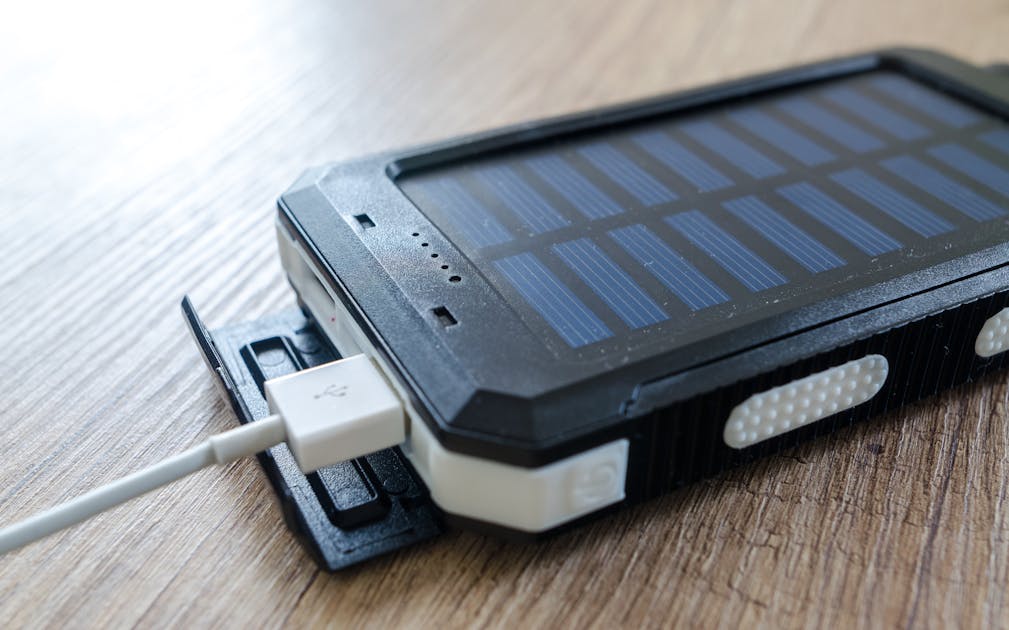
Transparent solar panels have various applications across various industries, showcasing their versatility and potential for widespread adoption.
Architecture
In architecture, transparent solar panels can seamlessly integrate into building elements such as windows, facades, and skylights. By replacing traditional glass with these energy-generating panels, buildings can become self-sustaining power sources. Skyscrapers, which often have vast expanses of glass surfaces, can significantly reduce their reliance on grid electricity by harnessing solar energy through their windows. Architects can incorporate transparent solar panels into their designs without compromising aesthetics or functionality, creating visually appealing and energy-efficient buildings.
Urban Infrastructure
Transparent solar panels can also be used in urban infrastructure. Bus stops, train stations, and public spaces can incorporate these panels to generate electricity on-site. By integrating transparent solar panels into the roofs or walls of these structures, cities can power lighting, digital displays, and other electrical systems without drawing from the primary grid. This decentralized approach to energy generation reduces the strain on central power plants and contributes to a more sustainable urban environment. Additionally, transparent solar panels can be used in street lighting, traffic signals, and other public infrastructure, making cities more self-sufficient in energy production.
Consumer Electronics
The consumer electronics industry is another sector where transparent solar panels can significantly impact the industry. Smartphones, wearables, and portable devices can benefit from integrating transparent solar panels into their screens or surfaces. These devices can continuously charge their batteries by harnessing ambient light, reducing the need for frequent plug-in charging. This feature can significantly enhance the convenience and usability of consumer electronics, especially for users who are constantly on the move. Moreover, transparent solar panels can be incorporated into laptop screens, tablets, and e-readers, enabling these devices to be used for extended periods without external power.
Transportation Sector
Transparent solar panels hold promising applications in the transportation sector as well. Vehicles like cars and buses can incorporate these panels into their windows, sunroofs, or body panels. By generating electricity while in motion or parked under the sun, vehicles can reduce their reliance on fossil fuels and contribute to a cleaner transportation system. Similarly, the aviation industry can explore the use of transparent solar panels in airplane windows, harnessing solar energy during flights to power onboard systems. As the transportation sector moves towards electrification, transparent solar panels can play a vital role in providing a sustainable and renewable energy source for vehicles.
Challenges and Advancements
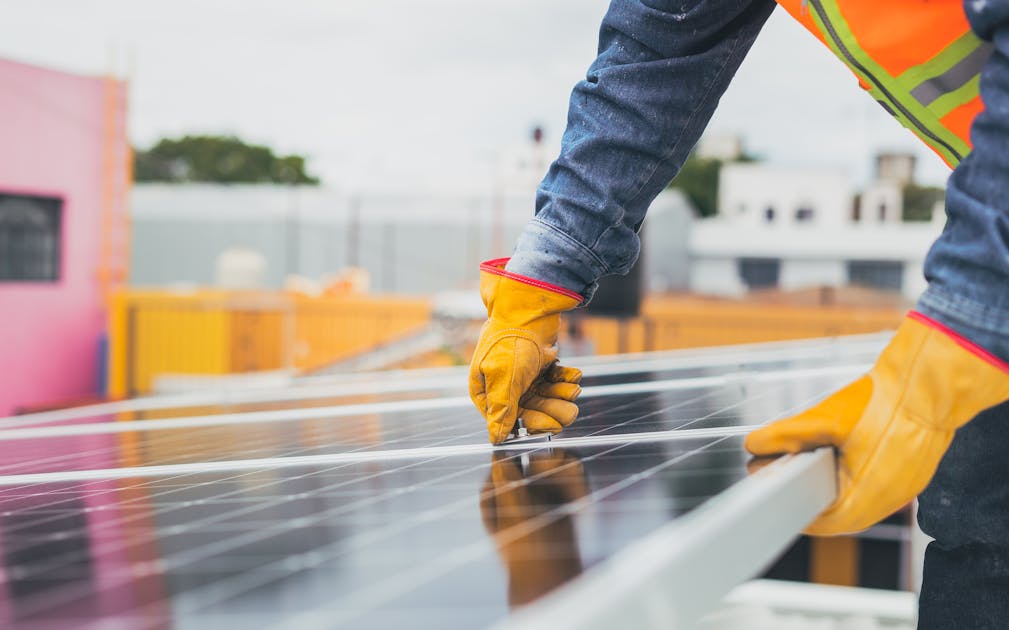
While transparent solar panels have shown immense potential, they have faced challenges in efficiency compared to traditional opaque solar panels. Initially, they had a lower energy conversion efficiency, which limited their practical applications. However, ongoing research and advancements in materials science have significantly narrowed this efficiency gap, making transparent solar panels increasingly competitive.
One of the key drivers of this progress is the development of advanced materials like perovskite and quantum dots. These materials have remarkable properties that enhance light absorption and energy conversion rates. Perovskite, a crystalline material, has efficiently converted sunlight into electricity, even in low-light conditions. Quantum dots, tiny semiconductor particles, can be tuned to absorb specific wavelengths of light, allowing for more efficient solar energy capture. By incorporating these materials into transparent solar panels, researchers have boosted their performance and brought them closer to the efficiency levels of traditional solar cells.
Moreover, using advanced materials has also contributed to reducing the production costs of transparent solar panels. Perovskite and quantum dots can be synthesized using solution-based methods, which are more cost-effective compared to the manufacturing processes of conventional silicon-based solar cells. As a result, the cost of producing transparent solar panels has decreased, making them more economically viable for widespread adoption.
The Future of Transparent Solar Panels
- Urban Sustainability: Densely populated cities face significant challenges in generating energy. Space is limited, and traditional solar panels often require large rooftops or dedicated ground space, which can be unavailable or impractical. Transparent solar panels address this by utilizing existing urban infrastructure. We can integrate them into building facades, bus shelters, and other structures. This allows cities to harness solar power without sacrificing valuable space.
- Global Impact: Transparent solar panels support international efforts to reduce carbon emissions and promote renewable energy. They can decarbonize various sectors, from residential buildings to large-scale infrastructure projects. By integrating solar technology into existing structures, we minimize disruption and maximize the use of urban landscapes.
- Vision for the Future: Imagine a world where everyday surfaces generate clean energy. Skyscraper windows, smartphone screens, and car windshields can all integrate solar technology. Buildings can become self-sufficient, reducing reliance on the grid. Transparent solar panels can power remote communities and off-grid applications. This technology can seamlessly integrate sustainability into our lives.
A Clear Path Forward
As advancements in materials science and manufacturing processes continue, transparent solar panels are poised to become more accessible and affordable in the coming years. Ongoing research focuses on further improving energy conversion efficiency and developing scalable production methods. These efforts will accelerate the adoption of transparent solar panels across residential, commercial, and industrial sectors, making them a mainstream solution for sustainable energy generation.
Transparent solar panels offer a compelling answer to the challenges of energy generation in densely populated urban areas. By seamlessly integrating into existing infrastructure, such as windows and facades, they eliminate the need for additional land or dedicated solar farms. This makes them particularly attractive for cities where space is at a premium, and the demand for clean energy is high. Adopting transparent solar panels aligns with global efforts to reduce carbon footprints and promote renewable energy solutions, contributing to the fight against climate change.
Transparent solar panels represent a clear path to transition towards a sustainable and renewable energy future. Their ability to generate clean electricity while seamlessly integrating into the built environment makes them a game-changing solution. As research and development continue to push the boundaries of efficiency and affordability, the era of transparent solar panels is set to transform our cities, our devices, and our relationship with energy. By embracing this innovative technology, we can harness the power of the sun in ways that were once unimaginable, paving the way for a brighter and cleaner tomorrow.