
Your cart is currently empty!
Kuwaiti Civilians Thank Downed US Pilot After Three F-15s Fall in Friendly Fire Incident
Amid missile fire, burning aircraft, and a region bracing for more strikes, one moment cut through the noise. A female US Air Force pilot stood on Kuwaiti soil, smiling.
Contents
show
She had just ejected from her F-15 jet. Kuwaiti civilians rushed toward her, and what followed was caught on camera and shared widely online over the past 24 hours. In a conflict defined so far by fireball footage and casualty counts, that brief exchange between a downed American pilot and the people she had come to help offered something rarer: a moment of recognizable human warmth in the middle of an active war zone. It went viral for good reason.
“Thank You for Helping Us”
Footage circulating on social media shows a US pilot standing upright, grinning, moments after landing on Kuwaiti ground. She appears composed, standing evenly on both feet, with no visible sign of injury. A Kuwaiti man approaches quickly, concern written across his face, and asks whether she is all right. Satisfied she is unharmed, he offers reassurance before delivering a message that stopped many viewers cold.
“Thank you for helping us,” he said. In response, she raised both hands as if to say, “you’re welcome.” That exchange, brief as it is, carried weight well beyond the few seconds it takes to watch. For many viewers across the Gulf and beyond, it put a face on an American military presence that often reads as abstract rows of aircraft, coordinates on a map, and press releases from Central Command. Here was a pilot, a person, standing in the dust and smiling back at strangers who had run toward her rather than away.
US forces have confirmed all six aircrew members ejected safely and were recovered. US Central Command has not verified this specific clip, but it is one of several videos purportedly showing US service members on the ground after three F-15s came down over Kuwait on Sunday. All six crew members survived.
Three Jets Down, One Chaotic Afternoon
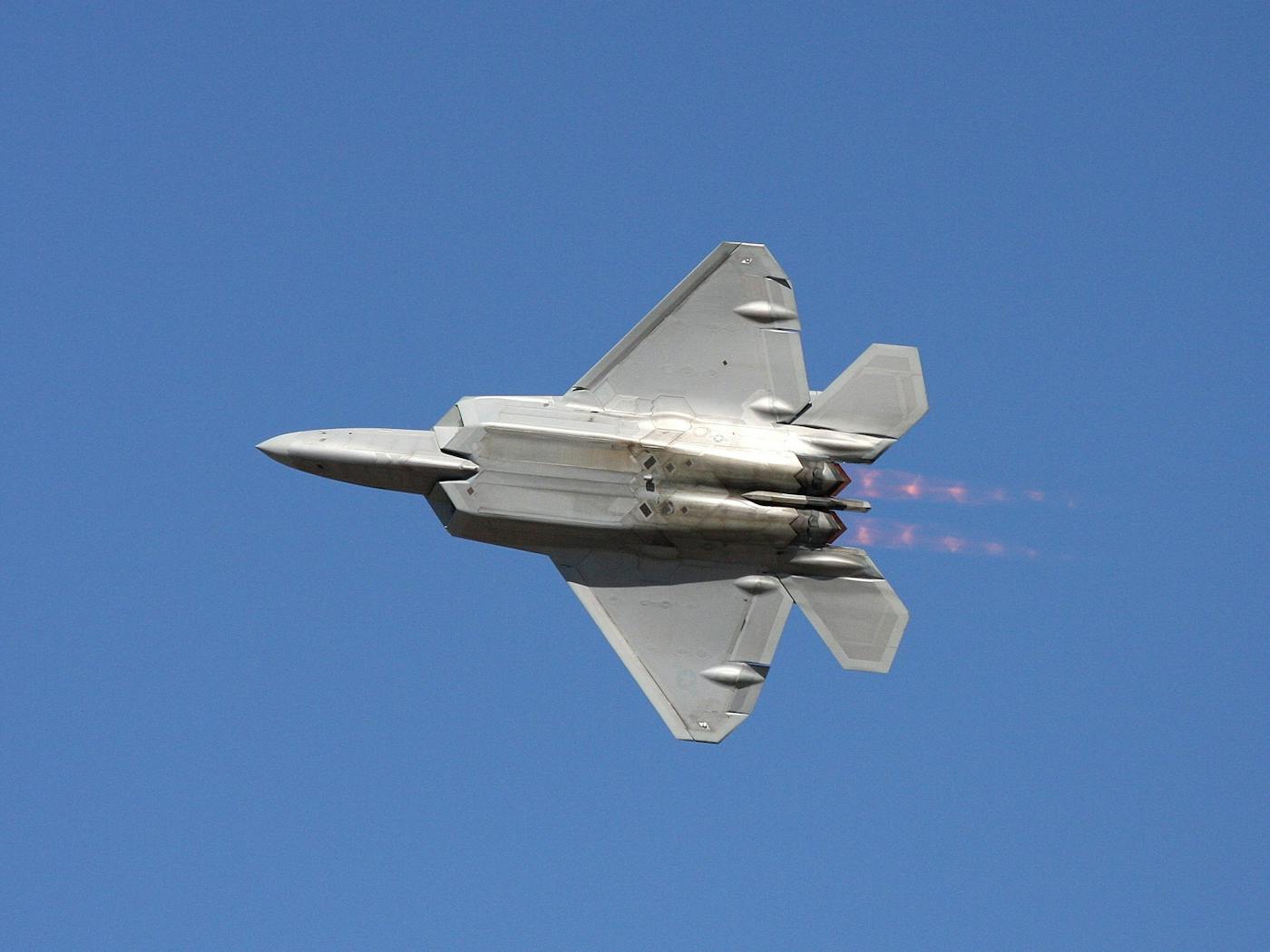
US Central Command released a formal statement confirming the losses and laying out what happened. “Three U.S. F-15E Strike Eagles flying in support of Operation Epic Fury went down over Kuwait due to an apparent friendly fire incident. During active combat that included attacks from Iranian aircraft, ballistic missiles, and drones, the US Air Force fighter jets were mistakenly shot down by Kuwaiti air defenses. All six aircrew ejected safely, have been safely recovered, and are in stable condition. Kuwait has acknowledged this incident, and we are grateful for the efforts of the Kuwaiti defense forces and their support in this ongoing operation.”
A separate clip, also spreading online, shows one of the F-15s engulfed in flames, spiraling toward the ground before crashing near Al Jahra, roughly 6.2 miles from the Ali Al Salem base. Witnesses near the area described hearing a series of explosions before the aircraft hit the ground. An investigation into the cause of the friendly fire incident is underway, and no further official details have been released at the time of writing.
Friendly fire incidents carry a particular weight in any military operation. They represent the unavoidable cost of high-tempo combat in crowded airspace, where allied forces from multiple nations operate simultaneously under extreme pressure. When Iranian rockets and drones flooded into Kuwaiti airspace on Sunday, Kuwaiti defense batteries responded at speed. Identifying friend from foe in those conditions is a known and documented challenge, one that militaries train for and still, at times, get wrong. Sunday was one of those times.
What Set Off the Chain of Events
Sunday’s losses trace back to joint US-Israeli strikes on Tehran that killed Supreme Leader Ayatollah Ali Khamenei and more than 40 senior Iranian officials on Saturday. Iran answered with a broad wave of rockets and drones directed at US interests and Gulf-aligned nations. Kuwaiti air defenses, responding to that barrage, appear to have mistakenly engaged the allied F-15s flying in support of Operation Epic Fury.
Operation Epic Fury, President Trump’s military campaign against Iran, has been running at high intensity since the strikes on Tehran. Iran has directed retaliatory fire at multiple countries across the region, widening what began as a targeted operation into something far more sprawling. Explosions hit Kuwait, Qatar, and the UAE over the weekend as Tehran escalated its response, and the pace of incoming fire put enormous strain on allied air defense systems across the Gulf.
Near the US embassy in Kuwait, smoke was seen rising, and American citizens received orders to shelter in place, review their security plans, and stay alert for further attacks. For the roughly 13,500 US troops stationed in Kuwait, including those at Camp Arifjan, the forward headquarters of US Army Central, Sunday represented one of the most intense days of the operation so far. Kuwait has long been the largest hub of US military presence in the region, and its role in supporting Operation Epic Fury has made it a consistent target of Iranian retaliation.
A Region Pulled Wider
Lebanon has also been drawn into the fighting. Fresh exchanges between Israeli forces and Hezbollah left at least 31 people dead and 149 injured in Beirut in the early hours of Monday. Washington confirmed new strikes on Iran overnight, and the pace of military activity across the region showed no signs of slowing.
For civilians in Kuwait City and beyond, the weekend brought a level of disruption that many had not expected when the campaign began. Social media feeds across the Gulf are filled with footage of interceptions, incoming fire, and the visible damage left by attacks on infrastructure and military installations. Against that backdrop, the video of a smiling American pilot being thanked by locals landed with unusual force. It was not the kind of image that war typically produces, which may explain why it spread as quickly as it did.
Kuwaiti social media users shared the clip with comments ranging from relief to pride. Several pointed to the exchange as evidence of something worth holding onto the idea that the alliance between Kuwait and the United States extends beyond military agreements and shared strategic interests. It plays out, sometimes, in a dusty field, between a pilot who just fell from the sky and the strangers who ran to meet her.
Trump’s Warning and the Road Ahead
President Donald Trump made clear the campaign would not slow down. He stated strikes would continue at full force until US objectives are met, and warned that the effort could run as long as four weeks. At least six US service members have been killed in the fighting so far.
“Casualties are expected to increase,” Trump cautioned, a statement that drew sharp attention given how quickly the operation has already expanded beyond its initial scope.
Those words sit in difficult tension with the images coming out of Kuwait. On one side, a president signaling weeks more of sustained military action and a rising death toll. On the other hand, a pilot grinning at the people she helped protect. Both are true at the same time, and both tell part of the same story.
Wars generate footage constantly strikes filmed from drones, intercepted missiles caught on dashcams, and fires burning against night skies. Most of that footage confirms what people already assume about conflict. Every so often, though, a clip arrives that does something different. Sunday’s video of a downed US pilot, standing unhurt on foreign ground while a stranger thanked her for her service, became one of those clips within hours of appearing online.
Investigations into the friendly fire incident that brought three F-15s down over Kuwait are ongoing. What caused Kuwaiti air defenses to engage allied aircraft in the middle of a live combat environment will matter enormously, both for military procedure going forward and for the broader US-Kuwait relationship during an operation that still has weeks to run.
For now, six aircrew members are safe. One of them was caught on camera smiling. In a conflict that has produced little else to smile about, that image proved harder to scroll past than most.