
Your cart is currently empty!
Florida Man Lost Dream Lamborghini in Ocean Disaster Then the Company Stepped In
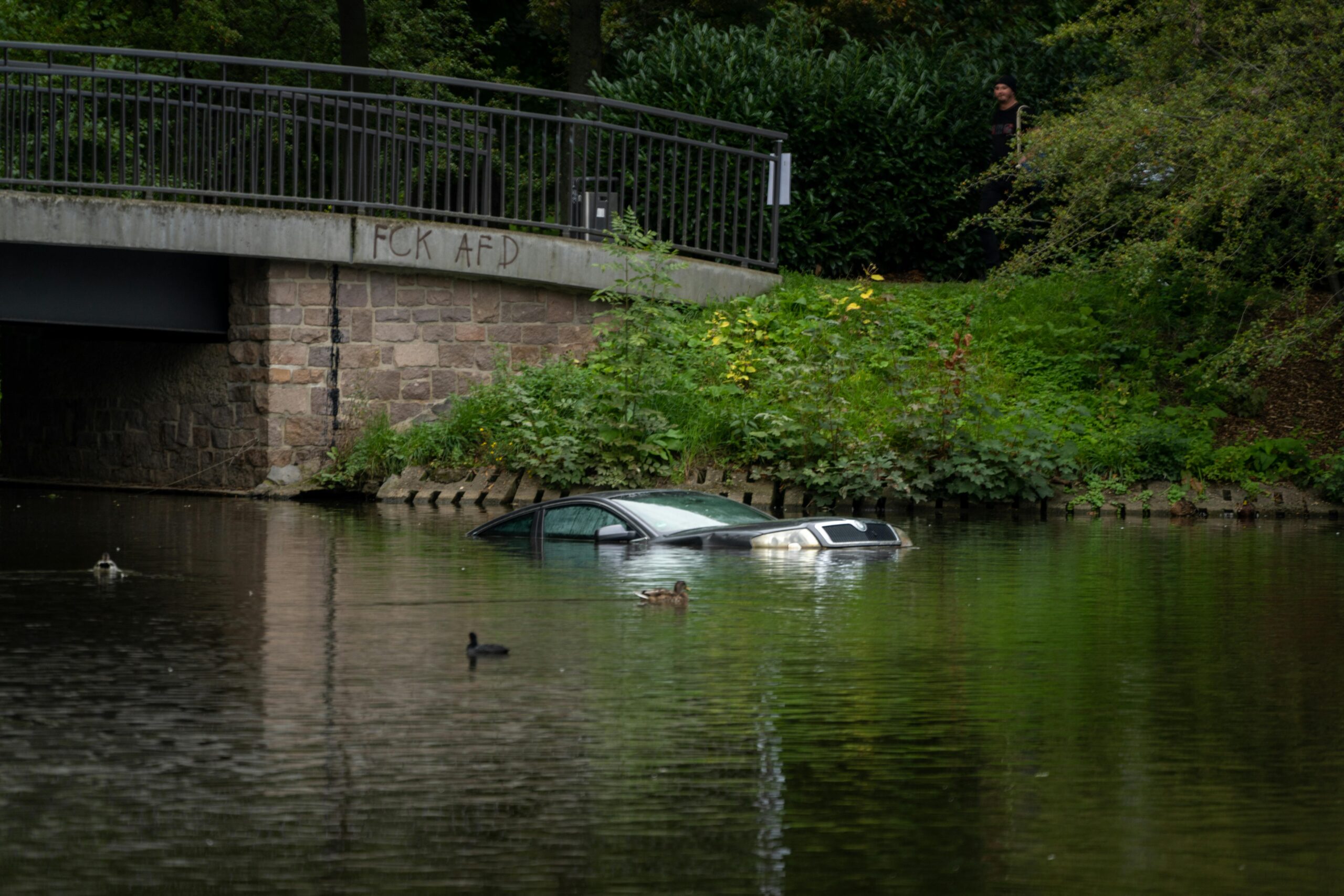
One Florida car collector thought his dream Lamborghini was gone forever after a cargo ship carrying nearly 4,000 luxury vehicles caught fire and disappeared beneath the Atlantic Ocean.
Contents
show
Then Lamborghini made a decision that stunned even longtime supercar fans.
The disaster involved the Felicity Ace, a massive cargo vessel transporting some of the world’s most expensive cars from Europe to the United States in February 2022. Onboard were Porsches, Bentleys, Audis, Volkswagens, and some of the final Lamborghini Aventador Ultimaes ever built.
For buyers waiting months, and sometimes years, for delivery, the sinking felt like watching a fantasy vanish into deep water.
The Cargo Ship Disaster That Shocked The Car World
The Felicity Ace left the German port of Emden carrying thousands of vehicles destined for American customers. Everything seemed routine until a fire broke out in the Atlantic Ocean near Portugal’s Azores islands.
The flames spread rapidly across the vessel. Crews were unable to bring the fire under control, forcing all 22 crew members to evacuate safely.
For nearly two weeks, the ship drifted in the ocean while salvage crews attempted to stabilize it.
Then the impossible happened.
The Felicity Ace sank.
Almost 4,000 vehicles worth hundreds of millions of dollars disappeared beneath the surface. Reports estimated the total loss at around $400 million.
The images quickly spread across social media and news outlets around the world. Car enthusiasts could hardly believe what they were seeing.
Thousands of brand-new luxury vehicles were now sitting 3,500 meters below the Atlantic.
Among the destroyed vehicles were:
- Around 1,100 Porsche models
- Nearly 200 Bentleys
- Multiple Audi and Volkswagen vehicles
- Fifteen Lamborghini Aventador Ultimaes
- High-performance GT3 cars and other collector models
For many buyers, these were not ordinary cars.
Some had secured extremely limited production vehicles after long waiting lists and huge deposits. Others had customized their cars with unique specifications that could never be duplicated.
The Aventador Ultimae was one of the biggest losses of all.
Why The Aventador Ultimae Was So Special
The Aventador Ultimae was not just another Lamborghini.
It marked the final chapter of one of the company’s most iconic supercars.
Lamborghini introduced the Aventador in 2011, replacing the legendary Murciélago and instantly becoming one of the most recognizable exotic cars on the planet. With its dramatic scissor doors, aggressive styling, and roaring V12 engine, the Aventador became the poster car for an entire generation of supercar fans.
Over the next decade, Lamborghini released multiple versions of the car, including the SV, SVJ, and special editions aimed at collectors.
The Ultimae represented the end of that era.
It was designed as the final naturally aspirated V12 Aventador before Lamborghini transitioned toward hybrid technology.
That alone made it historically important.
Production numbers were also limited.
Only 350 Ultimae coupes and 250 roadsters were planned worldwide, making the car instantly collectible before most owners even received delivery.
The performance figures were equally wild.
The Aventador Ultimae produced 769 horsepower from its 6.5-liter V12 engine.
That allowed the car to accelerate from zero to 60 mph in roughly 2.8 seconds.
Its top speed exceeded 220 mph.
Even among modern supercars, those numbers placed it in elite territory.
But statistics only tell part of the story.
The Aventador was famous for delivering a driving experience that felt completely mechanical and unapologetically loud.
The engine screamed at high RPMs. The shifts hit hard. The design looked like something pulled from a futuristic action movie.
That raw personality became increasingly rare as the automotive industry shifted toward electrification, automation, and quieter performance.
For many enthusiasts, the Ultimae represented the final expression of old-school Lamborghini madness.
Which made the loss even harder for buyers waiting to receive one.
The Florida Owner Who Learned His Dream Car Was Gone
One of those customers was Florida-based YouTuber Exotic Car Hacks.
Like many collectors, he had been eagerly tracking the shipment of his vehicles as they crossed the Atlantic.
Then the headlines started appearing.
The ship carrying his cars was on fire.
At first, there was still hope the vessel could be saved.
But after the Felicity Ace sank, reality set in.
His Lamborghini Aventador Ultimae was gone.
And it was not the only vehicle he lost.
The YouTuber later revealed that he also had two GT3 cars onboard the doomed ship.
That meant millions of dollars in vehicles had effectively vanished overnight.
The emotional impact hit almost immediately.
Luxury cars at this level are not impulse purchases.
Many buyers spend years building relationships with dealerships to secure allocations for limited-production models. Some customers configure every detail personally, from paint colors to interior stitching.
The waiting process can take months.
Sometimes longer.
That is part of what made the situation so brutal.
Owners were not just losing transportation.
They were losing highly personal dream machines that many believed could never be replaced.
Especially the Aventador Ultimae.
Production had already ended.
Or so everyone thought.
Lamborghini’s Response Left Customers Speechless

After the disaster, owners naturally expected insurance claims and long delays.
What they did not expect was Lamborghini deciding to reopen production.
According to Exotic Car Hacks, the company stepped in almost immediately.
“Lucky for me, Lamborghini was very kind and decided to remake me a car even though they had already shut down the plant,” he explained.
“This incident forced them to basically reopen the plant.”
That response quickly became one of the most talked-about parts of the entire disaster.
Most automakers would likely have pointed customers toward insurance payouts and moved on.
But Lamborghini took a completely different approach.
Company CEO Stephan Winkelmann reportedly approved the decision to rebuild every Aventador Ultimae that had been lost aboard the Felicity Ace.
That was not a small promise.
The Aventador line had already reached the end of its production cycle. Lamborghini was preparing for a new era of electrified performance cars.
Restarting production created a major logistical challenge.
Modern supercar production is tightly scheduled.
Factories operate around limited allocations, specialized parts, supplier timelines, and highly trained teams.
Once production ends on a vehicle, manufacturers typically move resources to upcoming projects.
That makes restarting an old production line extremely complicated.
Lamborghini reportedly had to reorganize factory space and coordinate suppliers again just to remake the lost cars.
The company also had to ensure replacement vehicles matched the original customer specifications.
That included:
- Paint colors and finishes
- Interior materials and stitching
- Custom wheel configurations
- Carbon fiber packages
- Special personalization requests
For collectors spending hundreds of thousands of dollars, details matter.
Lamborghini understood that.
The decision became a powerful example of how luxury brands protect their reputation among loyal customers.
And the Aventador owners were not the only people who benefited.
Other Lamborghini Models Were Also Rebuilt
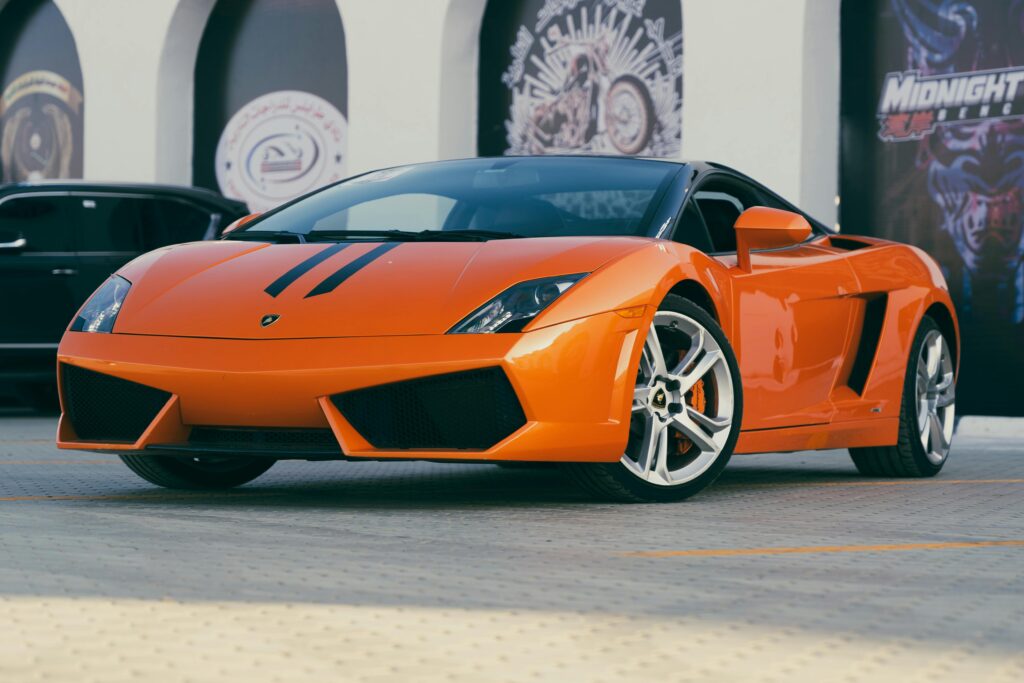
The lost shipment included more than just Aventador Ultimaes.
Other Lamborghini models onboard included the Huracán and Urus.
According to reports, Lamborghini also worked to replace many of those vehicles for customers who had suddenly found themselves back at square one.
That mattered because demand for Lamborghini vehicles was already exploding at the time.
The Italian manufacturer had experienced record sales, fueled by massive popularity for both the Huracán and the Urus SUV.
Waiting lists had stretched longer than ever.
Some customers had already spent months waiting for delivery before the Felicity Ace disaster happened.
Rebuilding replacement vehicles added even more pressure to an already overloaded production schedule.
Still, Lamborghini pushed forward.
The company likely understood that these were some of its most passionate buyers.
Collectors purchasing limited-production supercars often remain loyal to brands for decades.
Many own multiple Lamborghinis and actively influence other buyers through social media, events, and enthusiast communities.
Treating those customers well can shape a brand’s reputation for years.
In this case, the gamble paid off.
The story transformed from a shipping disaster into a customer-service moment that car fans still talk about today.
The Sinking Became One Of The Biggest Automotive Losses Ever
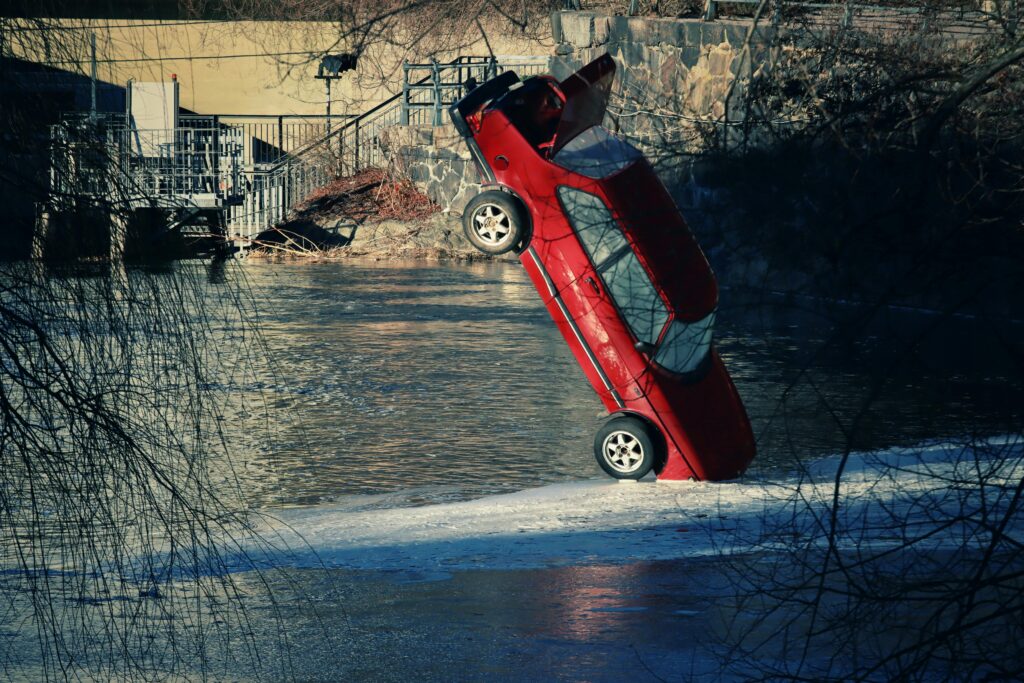
The scale of the Felicity Ace disaster was almost difficult to comprehend.
Cargo ships transporting vehicles are common across the global auto industry. Major manufacturers regularly move thousands of cars between continents every week.
But disasters involving this many luxury vehicles are incredibly rare.
The ship itself measured around 650 feet long and was capable of carrying thousands of automobiles at once.
When the fire broke out, experts immediately feared a worst-case scenario.
Some reports suggested lithium-ion batteries in electric vehicles onboard may have intensified the blaze, though investigations into the exact cause continued long after the sinking.
Once the vessel disappeared beneath the Atlantic, recovering the vehicles became impossible.
The depth alone made salvage unrealistic.
Insurance companies faced staggering losses.
Manufacturers scrambled to reassure customers.
And social media users became obsessed with the bizarre image of thousands of luxury cars resting at the bottom of the ocean.
The incident also highlighted how vulnerable modern supply chains can be.
A single accident thousands of miles from shore suddenly disrupted deliveries across multiple brands.
For Porsche customers especially, the impact was enormous.
Reports suggested around 1,100 Porsche vehicles were onboard.
Bentley confirmed that 189 of its cars had also been lost.
Some owners later revealed their vehicles had been reordered.
Others simply had to wait.
Why Luxury Car Buyers Became Fascinated By The Story

There was something strangely cinematic about the entire disaster.
A cargo ship carrying some of the world’s most expensive vehicles catches fire in the middle of the Atlantic before sinking into deep water.
It sounded more like a movie plot than real life.
That alone helped turn the story viral.
But the emotional side mattered too.
Even people who could never afford a Lamborghini understood the feeling of waiting for something special, only to lose it at the last moment.
The Aventador Ultimae also represented a disappearing type of performance car.
As governments tighten emissions regulations and automakers move toward hybrid or fully electric vehicles, naturally aspirated V12 engines are becoming increasingly rare.
The idea that several final-edition V12 Lamborghinis were now sitting at the bottom of the ocean added another layer of tragedy for enthusiasts.
Social media exploded with reactions after the ship sank.
Many users joked about the world’s most expensive underwater car collection.
Others focused on the sheer financial loss.
But one theme appeared repeatedly.
People were stunned that Lamborghini actually rebuilt the lost Aventadors.
That decision shifted the entire narrative.
Instead of becoming a story about disappointed customers, it became a story about a manufacturer stepping in to protect its buyers.
In the luxury market, moments like that matter.
Lamborghini’s Brand Image Only Grew Stronger
Luxury brands survive on emotion.
Performance matters. Design matters. Exclusivity matters.
But customer experience can matter just as much.
For many enthusiasts, Lamborghini’s response reinforced the idea that buying one of the company’s cars means joining a rare club.
That feeling has become increasingly important in the modern supercar world.
Cars costing hundreds of thousands of dollars compete on more than horsepower.
Manufacturers fight for customer loyalty through events, personalization programs, factory experiences, and relationships.
Lamborghini understood that replacing the lost Aventadors would generate goodwill far beyond the customers directly involved.
And it did.
Stories about the company reopening production spread rapidly across YouTube channels, automotive media, and social platforms.
Even people outside the car community paid attention.
The idea of a company reviving a discontinued production line simply to make customers whole sounded almost unbelievable.
It also helped reinforce Lamborghini’s image as a passionate brand rather than a cold corporation.
That emotional connection is exactly what luxury manufacturers chase.
Especially in an era where buyers have more choices than ever.
Another Cargo Ship Disaster Showed The Problem Was Not Over
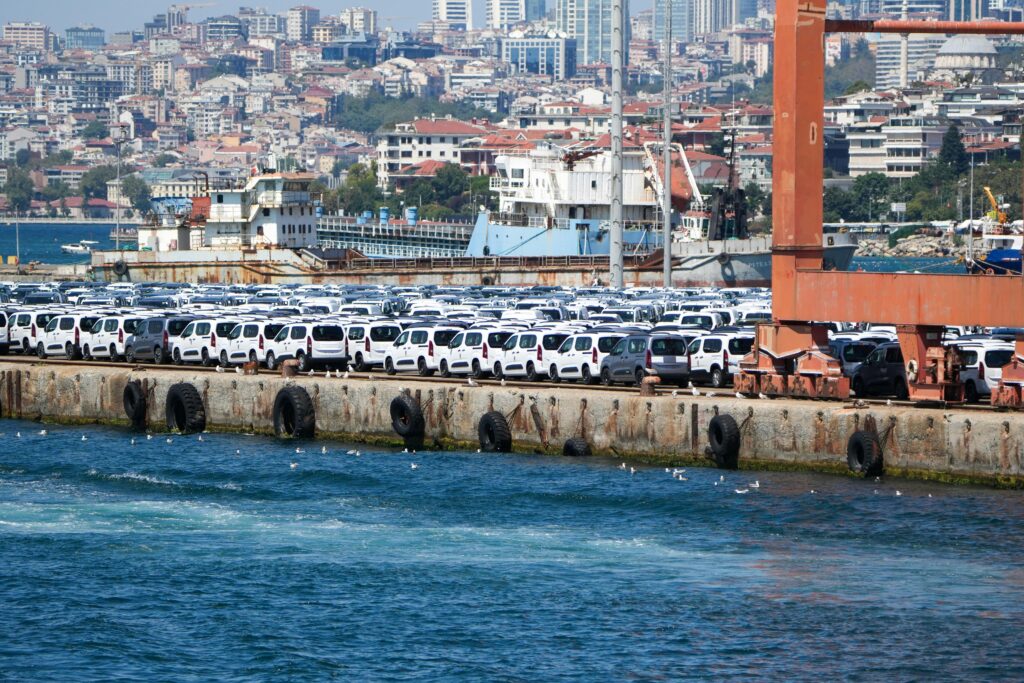
Unfortunately, the Felicity Ace was not the last major automotive shipping disaster.
In recent years, several incidents involving vehicle transport ships have raised concerns across the global industry.
One of the most notable cases involved the Morning Midas, another cargo vessel carrying thousands of vehicles.
The ship reportedly sank while transporting around 3,000 cars from China to Mexico.
While incidents of this scale remain relatively uncommon, they have highlighted growing concerns about fire risks aboard large car carriers.
The modern auto industry now transports increasing numbers of electric and hybrid vehicles worldwide.
Fires involving lithium-ion batteries can be especially difficult to extinguish at sea.
That has led to renewed conversations about shipping safety standards, onboard firefighting systems, and emergency response procedures.
For luxury manufacturers, the stakes are massive.
Every lost shipment can represent hundreds of millions of dollars in products.
But the reputational damage can sometimes matter even more.
That is partly why Lamborghini’s response resonated so strongly.
The company moved quickly to reassure customers rather than allowing frustration and uncertainty to dominate the story.
The Aventador’s Final Chapter Became Even More Legendary
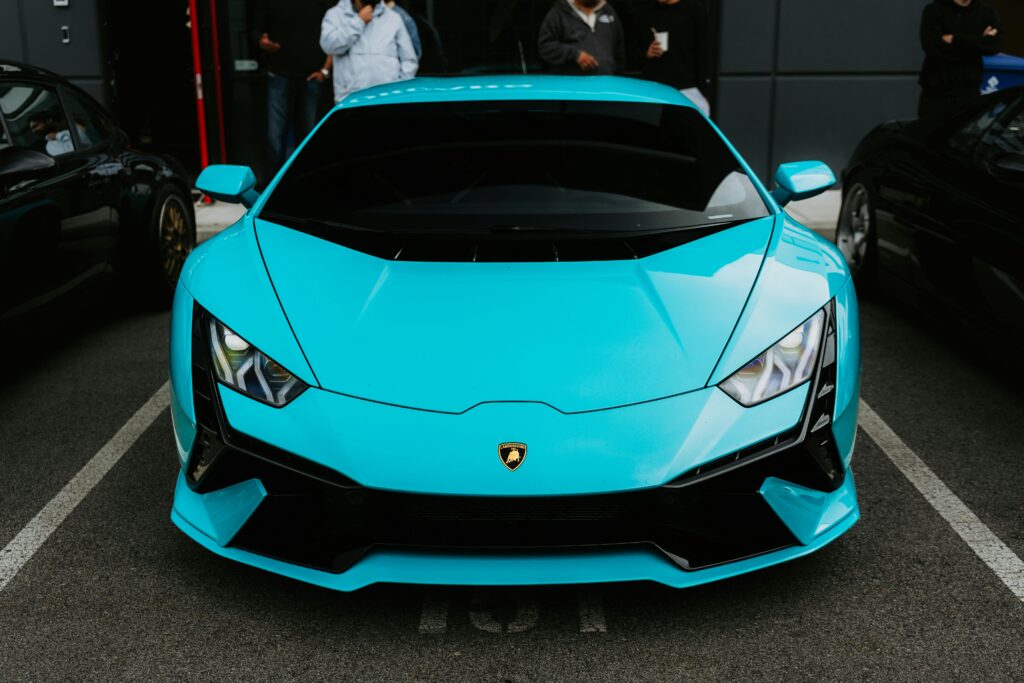
The Aventador already held a special place in Lamborghini history before the Felicity Ace disaster.
Afterward, the car’s legend only grew.
Some enthusiasts now view the rebuilt Ultimaes as even more unique because of the bizarre story attached to them.
These were cars that technically existed twice.
The originals vanished into the Atlantic.
The replacements required Lamborghini to reopen part of a closed production operation just to honor commitments to customers.
That kind of backstory is almost unheard of in the automotive world.
Collectors love stories.
And the supercar market thrives on mythology.
Special editions, rare production runs, celebrity ownership histories, and unusual manufacturing circumstances can all increase fascination around a vehicle.
The Felicity Ace incident added one of the strangest chapters imaginable to the Aventador timeline.
It also arrived during a major turning point for Lamborghini itself.
The company has now entered a new era focused heavily on hybrid technology.
The Aventador successor, the Revuelto, combines a V12 engine with electric motors.
While many fans are excited about the future, others still see the Ultimae as the final pure expression of Lamborghini’s old-school philosophy.
That makes the surviving replacement cars feel even more symbolic.
They represent the end of an era that many enthusiasts fear may never fully return.
A Disaster That Turned Into An Unexpected Loyalty Story
When the Felicity Ace disappeared beneath the Atlantic, most people assumed the story would end with insurance paperwork and disappointed buyers.
Instead, it became one of the most unusual customer-service stories the automotive world has seen in years.
Lamborghini could have treated the situation as a shipping loss outside its control.
Instead, the company reopened production and rebuilt some of the rarest cars it had ever made.
For the Florida owner waiting on his Aventador Ultimae, that decision changed everything.
His dream car may have ended up at the bottom of the ocean the first time around.
But Lamborghini made sure another one arrived in his driveway.