
Your cart is currently empty!
Antarctica Is Hiring for 2026 and Thousands Are Paying Attention
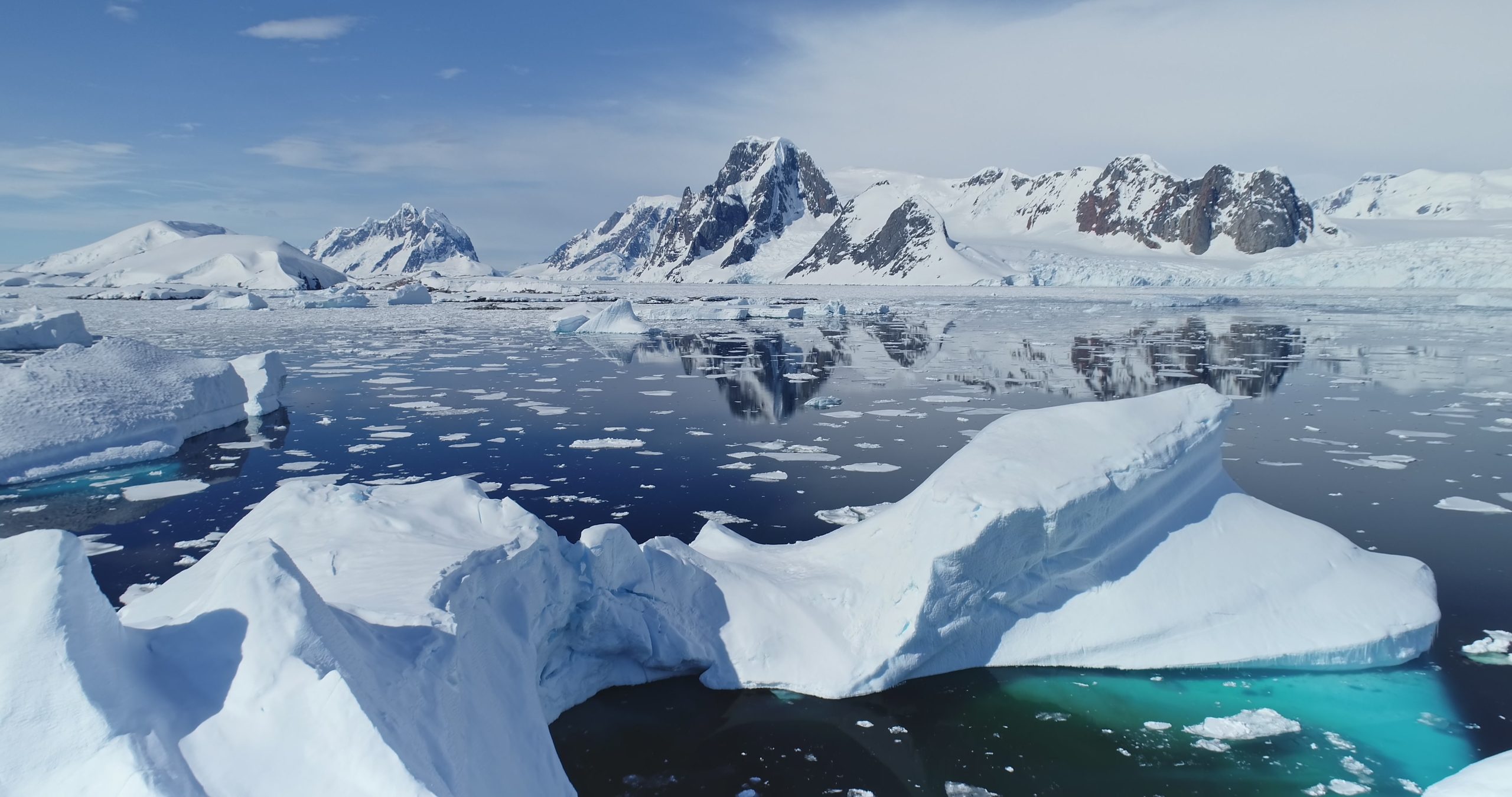
If the start of a new year has left you feeling restless, burnt out, or stuck in a routine that no longer fits, you are not alone. Across social media and search engines, people are quietly asking the same question: what if life could look completely different?
Contents
show
For a small but growing number of people, the answer is not a new city or a career pivot, but an entirely new continent. Antarctica, the coldest, driest, and most isolated place on Earth, is actively recruiting workers for the 2026 and 2027 seasons. And these are not symbolic roles or short tourist stints. They are paid jobs, with salaries, training, accommodation, and living costs fully covered.
What once sounded like a fantasy reserved for elite scientists is now a genuine opportunity for tradespeople, technicians, hospitality workers, and support staff who are willing to step far outside their comfort zone.
Antarctica Is Actively Hiring for 2026 and Beyond
Multiple polar programs have launched recruitment drives for upcoming Antarctic seasons, with job postings opening throughout 2025 and into early 2026. These roles support year-round research stations that operate in some of the harshest conditions on the planet.
The British Antarctic Survey is currently advertising vacancies across its Antarctic stations, with applications remaining open and new roles continuing to be added until March 2026. At the same time, the Australian Antarctic Program is seeking hundreds of workers for its 2026 to 2027 season, filling nearly 40 different roles across its research stations and sub-Antarctic locations.
Despite the extreme environment, the message from recruiters is consistent. They are not just looking for specialists with decades of experience. They are looking for capable, adaptable people who can work well in small communities and handle isolation.
The Range of Jobs Might Surprise You

One of the most common misconceptions about working in Antarctica is that you need to be a climate scientist or polar researcher. In reality, research stations function like small, self-contained towns. Every practical role needed to keep daily life running still exists, just under very different conditions.
Across the British and Australian programs, roles include:
Carpenters and builders responsible for maintaining and repairing station infrastructure in freezing temperatures
Chefs and kitchen staff who provide daily meals for crews that rely heavily on morale and routine
Plumbers, electricians, and mechanics who keep water, power, heating, and vehicles operational
Boat handlers, plant operators, and logistics staff supporting transport and supply missions
Doctors, nurses, and field medics providing healthcare in an environment with no nearby hospitals
Scientists and research assistants working on climate, wildlife, and atmospheric studies
Weather observers and technical officers conducting daily meteorological measurements
Some contracts last just four months during the Antarctic summer, while others extend to 12 or even 15 months, particularly winter roles that require staff to remain through months of darkness and extreme cold.
What the Pay and Benefits Really Look Like
While the idea of working in Antarctica may sound like a personal challenge rather than a financial move, the compensation packages are a major part of the appeal.
Salaries for British Antarctic Survey roles start at just over thirty thousand pounds per year. At first glance, that may not seem extraordinary. However, every major living expense is covered. Accommodation, food, travel, specialist clothing, tools, and training are all provided. With no rent, utility bills, or commuting costs, many workers report saving far more money than they ever could at home.
Australian Antarctic Program roles are similarly structured. In addition to base government salaries, deployed staff receive substantial allowances that can exceed sixty-five thousand Australian dollars per year, depending on the role. Weather and technical officers working for the Bureau of Meteorology may earn base salaries above ninety thousand dollars, plus additional Antarctic allowances and generous superannuation contributions.
Workers also accrue significant leave while deployed, which is paid out upon return. For some, this financial structure becomes a stepping stone toward major life goals such as paying off debt or saving for a home deposit.
Life on the Only Continent Without Permanent Residents

Antarctica is unique in one crucial way. It has no native human population and no permanent residents. Every person on the continent is there temporarily, working on rotation.
During the summer months, from October to March, the population swells to around five thousand people as research activity peaks. In winter, when temperatures plummet and sunlight disappears for months, that number drops to roughly one thousand.
Those who remain through winter describe it as one of the most intense experiences of their lives. The environment strips life back to its basics. There are no shops, no spontaneous travel, and very limited communication with the outside world. Internet access is often restricted and delayed. Family and friends exist at a distance that feels both physical and emotional.
Yet within this isolation, strong communities form. Workers live together in what many describe as a giant shared house, complete with private bedrooms but shared kitchens, dining halls, gyms, cinemas, saunas, and even hot tubs. Some stations grow fresh herbs and vegetables using hydroponic systems, a small but powerful reminder of life beyond ice.
The Psychological Challenge Is Real

Recruiters are upfront about the mental demands of Antarctic work. Isolation takes adjustment. Conflicts cannot be escaped by leaving the room or going home. Every interpersonal issue matters more when your world is limited to a handful of people.
Station leaders frequently emphasize resilience and adaptability as essential qualities. Candidates must be comfortable working with limited resources and solving problems without external help. There is no hardware store down the road, no next day delivery, and no backup crew waiting nearby.
At the same time, many returnees say the environment fosters deep self-awareness. Without constant noise and distraction, people learn how they cope with stress, boredom, conflict, and solitude. For some, this clarity becomes the most valuable outcome of all.
Voices From Those Who Have Been There
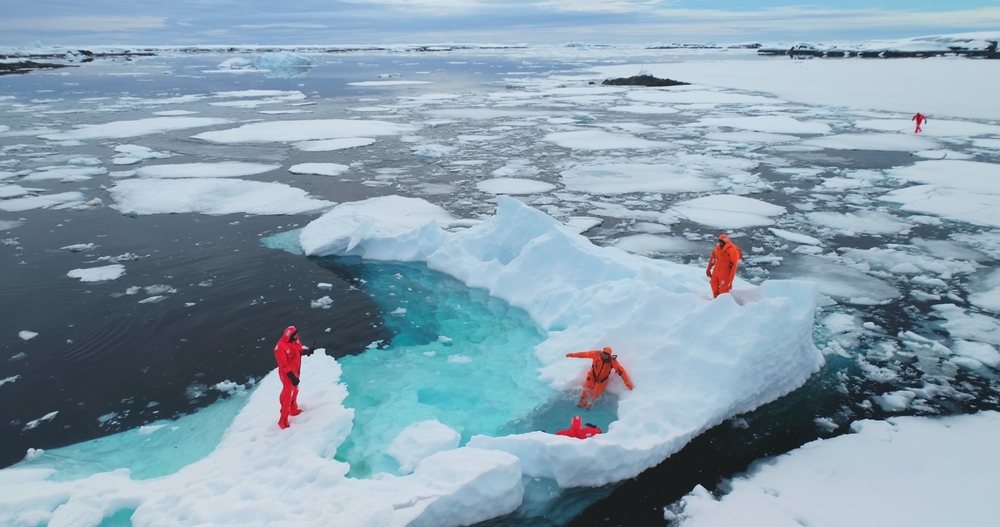
Veterans of Antarctic work often speak with a mix of humility and disbelief when describing their journeys.
One station leader with the British Antarctic Survey began his career as a plumber before eventually moving into leadership roles at one of the most advanced research stations on the continent. He has spoken openly about coming from a modest background and never attending university, yet finding himself in a role that once seemed unimaginable.
A carpenter stationed at Halley VI has described the work as demanding but deeply rewarding, noting that the skills gained in Antarctica often translate back to real-world careers in unexpected ways.
Wildlife field assistants working on sub-Antarctic islands have shared stories of daily life among tens of thousands of penguins and seals, contributing directly to conservation research while living in one of the most remote ecosystems on Earth.
Across programs, there is a striking trend. Nearly half of Antarctic workers return for another contract. Many describe the experience as something that gets into your blood, a rare blend of hardship and wonder that is difficult to replace.
The Science That Makes It All Worthwhile

Beyond personal transformation, Antarctic work plays a critical role in global science. Research conducted on the continent feeds directly into climate modeling, weather forecasting, and environmental protection efforts worldwide.
Meteorological data collected by technicians and weather observers supports international forecasting systems and long-term climate research. Wildlife studies help scientists understand how ecosystems respond to environmental change. Ice core drilling reveals historical climate patterns stretching back hundreds of thousands of years.
Much of this work happens quietly, far from headlines, but its impact reaches every corner of the planet. Workers are not just maintaining buildings or collecting data. They are supporting knowledge that shapes how humanity understands its future.
Who Actually Thrives in Antarctica
Recruiters emphasize that Antarctica is not for everyone and that honesty benefits both applicants and stations.
Those who thrive tend to share certain traits:
They are comfortable with routine and structure
They communicate clearly and handle conflict calmly
They are resourceful and willing to learn outside their job description
They value community and cooperation over individual comfort
They can sit with discomfort without needing constant stimulation
Life experience matters as much as professional skill. Many successful candidates are not fresh graduates but people who have worked, traveled, raised families, or navigated challenges that taught them patience and perspective.

Training Before the Ice
Before anyone sets foot on Antarctic ice, extensive preparation takes place. New recruits typically undergo months of training, often in places like Hobart, where they learn survival skills, safety protocols, equipment operation, and emergency response.
Medical and psychological screenings are part of the process, ensuring that candidates are fit for both the physical and mental demands ahead. By the time deployment begins, most workers feel both excited and sobered by what lies ahead.
Why So Many People Are Paying Attention Right Now
Interest in Antarctic jobs tends to spike during periods of global uncertainty. When traditional career paths feel unstable or unfulfilling, the idea of stepping completely outside the system becomes more appealing.
Unlike many modern work opportunities, Antarctic roles offer something increasingly rare: clear purpose, defined boundaries, and a tangible sense of contribution. There is no ambiguity about why the work matters or how each role fits into the bigger picture.
For people burned out by constant connectivity, the forced simplicity of Antarctic life can feel like relief rather than sacrifice.

How to Apply and What to Expect
Applications for British Antarctic Survey roles are available online, with vacancies continuing to be added through March 2026. Interested applicants can also sign up for email alerts as new roles are posted.
The Australian Antarctic Program is recruiting for its 2026 to 2027 season, with deployment beginning in July 2026. Roles span trades, science, aviation, healthcare, and information technology. The application process is competitive and thorough, designed to ensure both individual readiness and team compatibility.
Applicants are encouraged to be honest about their motivations and limitations. Antarctica rewards preparation and self-awareness far more than bravado.
A Life Reset Unlike Any Other
Working in Antarctica will not magically fix every problem or guarantee lifelong fulfillment. It will test patience, resilience, and emotional strength in ways few environments can.
But for those who feel stuck in patterns that no longer serve them, it offers something rare. A pause. A reset. A chance to measure life not by deadlines and notifications, but by weather windows, shared meals, and the slow return of light after winter darkness.
In a world that rarely slows down, Antarctica forces stillness. And sometimes, that is exactly what people are searching for.
For anyone quietly wondering if there is more to life than the path they are currently on, the answer may be waiting at the bottom of the world.