
Your cart is currently empty!
Lost Maya City Emerges From Mexico’s Jungle After Centuries
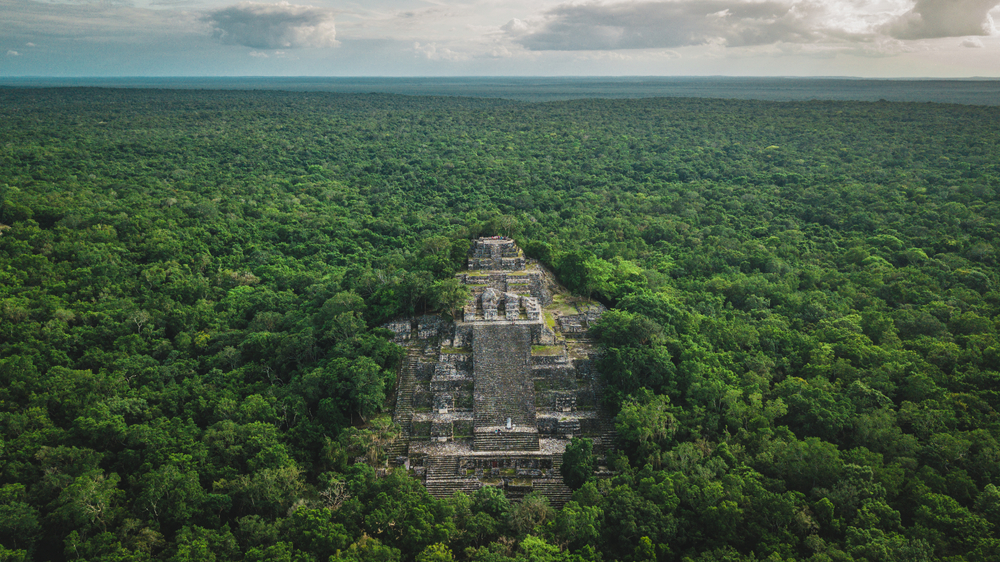
For centuries, it lay concealed beneath a dense canopy of tropical forest, its temples swallowed by vines and its plazas buried under centuries of soil. From the ground, there was little to suggest that an entire Maya city had once flourished there.
Contents
show
Now, archaeologists have revealed the remains of a previously unknown settlement in southeastern Mexico, uncovering an impressive ceremonial center anchored by a 43-foot pyramid. The discovery is shedding fresh light on one of the world’s most sophisticated ancient civilizations and challenging what researchers thought they knew about how the Maya organized their cities.
A Hidden City Revealed Beneath the Forest Canopy
The newly identified ancient city was discovered in the Mexican state of Campeche, an area already renowned for its rich archaeological heritage. Researchers located the settlement using airborne laser scanning technology, known as LiDAR, before confirming its features through extensive field investigations.
Unlike traditional surveys, LiDAR allows scientists to digitally strip away thick vegetation, exposing structures that remain invisible from the ground. The technology has transformed Maya archaeology over the past decade, revealing thousands of previously unknown buildings, roads, reservoirs, and defensive walls across Central America.
This latest discovery adds another remarkable chapter to that growing list.
At the heart of the city stands a pyramid measuring roughly 43 feet tall, surrounded by plazas, ceremonial buildings, residential compounds, and other monumental structures that suggest the settlement once served as an important regional center.
Although centuries of vegetation concealed the city from view, its urban layout remains surprisingly well preserved.
Researchers believe the settlement once bustled with political, ceremonial, and economic activity, connecting nearby Maya communities through an extensive network of roads and trade routes.
The Pyramid Was Only the Beginning

While the towering pyramid immediately attracted attention, archaeologists quickly realized the city offered much more than a single impressive monument.
Excavations and mapping identified multiple architectural groups arranged around large plazas, indicating careful urban planning rather than scattered construction. Several structures appear to have served administrative or ceremonial functions, while others likely housed members of the city’s elite.
The city also features enclosed courtyards and elevated platforms, architectural elements commonly associated with major Maya centers during the Classic Period.
Researchers were particularly interested in the city’s ceremonial core, where public gatherings, religious rituals, and political events would have taken place.
The pyramid itself likely supported a temple at its summit, serving as both a sacred landmark and a visible symbol of authority for residents and visitors alike.
Large open plazas surrounding the complex would have accommodated festivals, markets, royal ceremonies, and community gatherings that helped reinforce political power and religious traditions.
The arrangement reflects planning seen at several major Maya cities, suggesting this settlement played a far more significant regional role than initially expected.
Modern Technology Is Rewriting Maya History

Only a generation ago, discoveries of this scale required decades of painstaking exploration through dense jungle.
Today, airborne laser mapping has fundamentally changed how archaeologists investigate ancient landscapes.
LiDAR works by firing millions of laser pulses toward the ground from aircraft. While many beams bounce off trees and vegetation, enough reach the surface to produce highly detailed digital elevation models. Those images allow researchers to identify buried structures, ancient roads, canals, terraces, and even defensive fortifications.
For Maya archaeology, the impact has been revolutionary.
Entire urban networks that once appeared isolated are now understood to have been connected through extensive infrastructure stretching across hundreds of miles.
Many settlements previously thought to be small ceremonial centers have turned out to be densely populated cities linked by raised stone roads known as sacbeob.
The technology has also revealed sophisticated agricultural systems capable of supporting populations far larger than scholars once believed.
Each new survey continues to reshape long-held assumptions about the scale, complexity, and population of the ancient Maya world.
The newly discovered city in Campeche fits squarely within this expanding picture.
Rather than representing an isolated outpost, it appears to have been part of a much larger network of settlements spread throughout the region.
Life Inside a Flourishing Maya City

The Maya civilization reached extraordinary levels of achievement long before Europeans arrived in the Americas.
Across present-day Mexico, Guatemala, Belize, Honduras, and El Salvador, Maya cities developed advanced systems of writing, mathematics, astronomy, engineering, and architecture.
Their cities featured monumental pyramids, royal palaces, ball courts, marketplaces, reservoirs, and sophisticated water management systems designed to support growing populations.
Life in the newly discovered settlement would likely have reflected many of these characteristics.
Religious ceremonies occupied a central place in Maya society. Priests observed celestial events with remarkable precision, while rulers often claimed divine authority through elaborate rituals conducted atop temple pyramids.
Markets connected farmers, craftsmen, merchants, and traders who exchanged goods ranging from maize and cacao to jade, obsidian, shells, ceramics, textiles, and feathers.
The city’s residents would also have relied heavily on surrounding forests and agricultural lands.
Maya farmers cultivated corn, beans, squash, chili peppers, and other staple crops using techniques adapted to local environments. In many regions, they built terraces, irrigation systems, and raised fields to maximize agricultural production.
Skilled artisans produced intricate stone carvings, painted ceramics, jewelry, and sculptures that reflected both artistic excellence and religious symbolism.
Even ordinary homes often clustered around family courtyards, creating neighborhoods that balanced private domestic life with participation in broader civic and ceremonial activities.
Why So Many Maya Cities Disappeared
One of archaeology’s enduring mysteries remains the gradual decline of many great Maya cities.
Between roughly AD 750 and 900, numerous urban centers across the southern lowlands experienced dramatic population declines. Monument construction slowed, royal inscriptions became less frequent, and many cities were eventually abandoned.
For decades, researchers searched for a single explanation.
Today, most archaeologists believe several factors likely worked together.
Evidence points toward prolonged droughts that strained agricultural production. Population growth placed increasing pressure on natural resources, while political rivalries and warfare disrupted regional stability.
Environmental degradation may also have reduced the land’s ability to sustain large populations over extended periods.
Rather than collapsing overnight, many cities appear to have undergone gradual transformations as people migrated, political power shifted, and regional economies evolved.
Importantly, the Maya civilization itself did not disappear.
Millions of Maya people continue to live throughout Mexico and Central America today, preserving languages, traditions, crafts, cuisine, and cultural practices that trace their roots back thousands of years.
The abandoned cities represent changes in political centers rather than the end of an entire civilization.
The newly uncovered settlement offers researchers another valuable opportunity to understand how different communities adapted during these changing periods of Maya history.
Every New Discovery Changes the Maya Story

The discovery of this hidden city is significant not simply because another pyramid has been found, but because it fills another gap in the map of the ancient Maya world.
For many years, scholars viewed Maya civilization as a collection of isolated city-states separated by vast stretches of forest. Recent discoveries tell a very different story.
Archaeologists now believe many Maya cities were connected through extensive transportation networks, political alliances, and economic partnerships. Elevated stone roads linked ceremonial centers, while trade routes carried everything from obsidian and jade to salt, cacao, and finely crafted pottery across hundreds of miles.
The newly uncovered settlement appears to have occupied an important position within one of these regional networks.
Its monumental architecture suggests considerable investment in construction, requiring organized labor, skilled engineers, and strong political leadership. Such projects could only have been completed by a thriving community with access to significant resources.
Researchers will now examine artifacts recovered from the site to determine when the city reached its peak, how long it remained occupied, and what role it played within the broader Maya landscape.
Every answer is likely to generate new questions.
Archaeologists Still Have Much to Learn
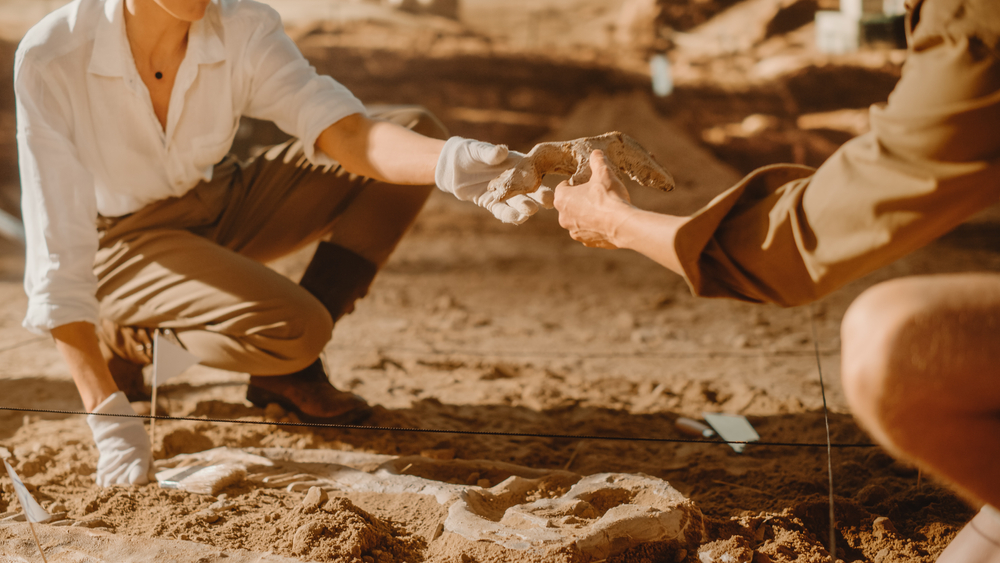
Although the city’s main structures have now been identified, researchers consider the project to be only in its earliest stages.
Dense vegetation still covers much of the site, and countless structures remain buried beneath layers of soil accumulated over centuries.
Future excavations are expected to focus on several key areas:
- Residential neighborhoods that could reveal how ordinary people lived.
- Ceremonial buildings that may contain inscriptions or artwork.
- Burial sites that could provide clues about rulers and social hierarchy.
- Water management systems used to survive seasonal droughts.
- Trade goods that reveal connections with other Maya cities.
Artifacts recovered from these areas can help establish the city’s timeline and reveal whether it experienced periods of prosperity, conflict, or decline.
Stone carvings may identify rulers previously unknown to history.
Ceramic fragments could indicate trade relationships with distant settlements.
Even tiny samples of pollen or charcoal preserved in ancient soils can reveal what crops people cultivated and how they managed the surrounding environment.
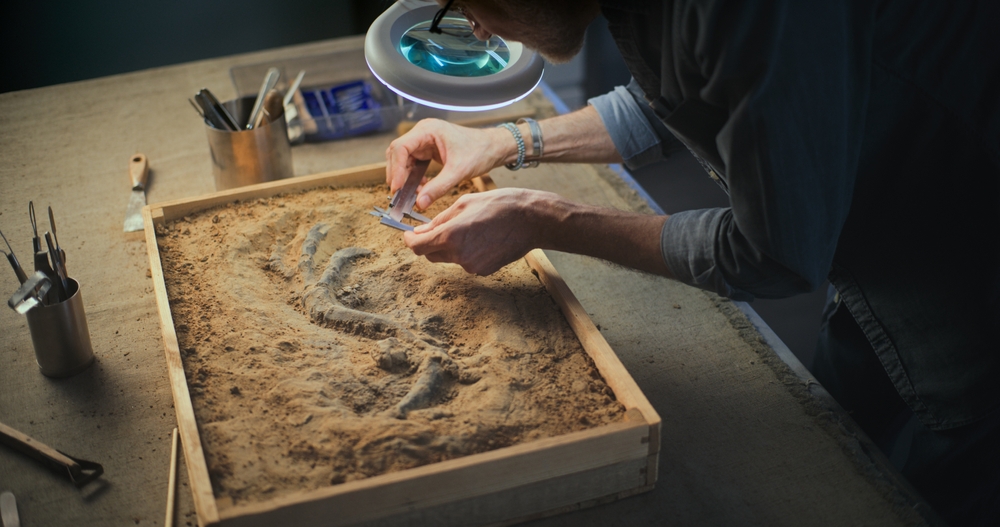
Modern archaeological research combines traditional excavation with laboratory science, allowing researchers to reconstruct ancient daily life in remarkable detail.
Why the Maya Continue to Fascinate the World

Few ancient civilizations capture the public imagination quite like the Maya.
Their towering pyramids, sophisticated calendar systems, hieroglyphic writing, and astronomical knowledge have inspired generations of researchers and travelers alike.
For centuries, abandoned cities hidden beneath rainforest canopies fueled stories of forgotten kingdoms waiting to be rediscovered.
Modern archaeology has transformed many of those legends into documented history.
Researchers now understand that the Maya developed one of the most advanced civilizations in the ancient Americas.
They recorded historical events in carved stone monuments, tracked planetary movements with remarkable accuracy, and built cities that blended engineering with religious symbolism.
Many structures were carefully aligned with the movements of the sun, moon, and stars, reflecting the close relationship between astronomy and ceremonial life.
At the same time, discoveries continue to reveal how much remains unknown.
Each newly mapped settlement introduces different architectural styles, political relationships, and local traditions that demonstrate the remarkable diversity of the Maya world.
Rather than functioning as a single empire, Maya civilization consisted of numerous independent kingdoms that competed, cooperated, traded, and evolved over many centuries.
That complexity makes every archaeological discovery especially valuable.
Protecting an Irreplaceable Heritage

As exciting as new discoveries are, they also present significant conservation challenges.
Ancient sites hidden for centuries become vulnerable once their locations are known.
Looting remains a serious threat across many archaeological regions, with illegal excavations targeting sculptures, ceramics, jewelry, and other valuable artifacts destined for the black market.
Natural forces also continue to affect these ancient structures.
Heavy rainfall, vegetation growth, erosion, and changing climate conditions gradually wear away stone buildings that have already endured more than a thousand years of exposure.
For this reason, archaeologists work closely with Mexican cultural authorities to document sites thoroughly before excavation begins.
Digital mapping, drone photography, three-dimensional modeling, and laser scanning create permanent records that preserve valuable information even as conservation work continues.
Responsible tourism also plays an important role.
Many famous Maya sites welcome visitors each year, generating revenue that supports research and preservation efforts while allowing people to experience this extraordinary history firsthand.
Newly discovered locations, however, often remain closed until archaeologists complete detailed studies and protective measures are in place.
Balancing public interest with long-term preservation remains one of archaeology’s greatest responsibilities.
Mexico’s Jungles May Still Hide Countless Ancient Cities
The discovery of this remarkable settlement also highlights just how much of the ancient Maya world remains unexplored.
Large portions of southern Mexico and northern Central America are still covered by dense tropical forests that conceal thousands of archaeological features.
Recent LiDAR surveys have revealed extensive landscapes filled with pyramids, plazas, reservoirs, defensive walls, agricultural terraces, and interconnected road systems that had remained invisible for centuries.
Many experts believe researchers have documented only a fraction of what still lies beneath the forest canopy.
Every new survey has the potential to uncover another ceremonial center, royal palace, or forgotten settlement capable of reshaping historical understanding.
Advances in remote sensing technology continue to accelerate that process.
Instead of spending years searching blindly through dense jungle, archaeologists can now identify promising locations from the air before beginning careful excavations on the ground.
The combination of advanced technology and traditional fieldwork is opening an entirely new chapter in Maya archaeology.
As researchers expand their investigations across the region, discoveries like this are becoming increasingly common, yet no less remarkable.
Each newly revealed city represents another piece of a civilization whose achievements continue to impress scholars around the world.
The 43-foot pyramid rising from Mexico’s jungle is more than an isolated monument. It stands as evidence of a thriving community whose story remained hidden for centuries beneath the forest floor. As archaeologists continue their work, this lost city promises to deepen our understanding of the Maya and remind us that some of history’s greatest discoveries are still waiting to be uncovered.