
Your cart is currently empty!
Man Who Scaled Las Vegas Sphere For Viral Protest Sentenced To Jail

A man who became nationally known after scaling the Las Vegas Sphere in a viral stunt tied to anti-abortion activism has now been sentenced to prison. Maison Des Champs, who calls himself the “Pro-Life Spiderman,” climbed the massive entertainment venue in February 2024 while livestreaming the stunt online, instantly turning himself into one of the most talked-about figures on social media that week. Videos of him moving across the side of the futuristic structure spread rapidly across TikTok, Instagram, and X as crowds gathered below and police attempted to respond to the situation unfolding above one of the busiest parts of Las Vegas.
Contents
show
More than a year after the climb first stunned viewers online, the legal consequences have officially arrived. Des Champs was sentenced after authorities said the stunt caused major damage to the Sphere and created serious safety risks for the public and emergency responders. While the activist claimed the climb was tied to fundraising efforts for a pregnant homeless woman named Isabel, prosecutors focused heavily on the scale of the damage and the dangers surrounding an unauthorized climb on one of the most recognizable entertainment venues in the world.
A GIANT BITCOIN LOGO DISPLAYED ON THE LAS VEGAS SPHERE 🔥 pic.twitter.com/uUAq8O3ej8
— Vivek Sen (@Vivek4real_) April 18, 2026
The Climb Quickly Became One Of The Most Viral Sphere Moments Ever
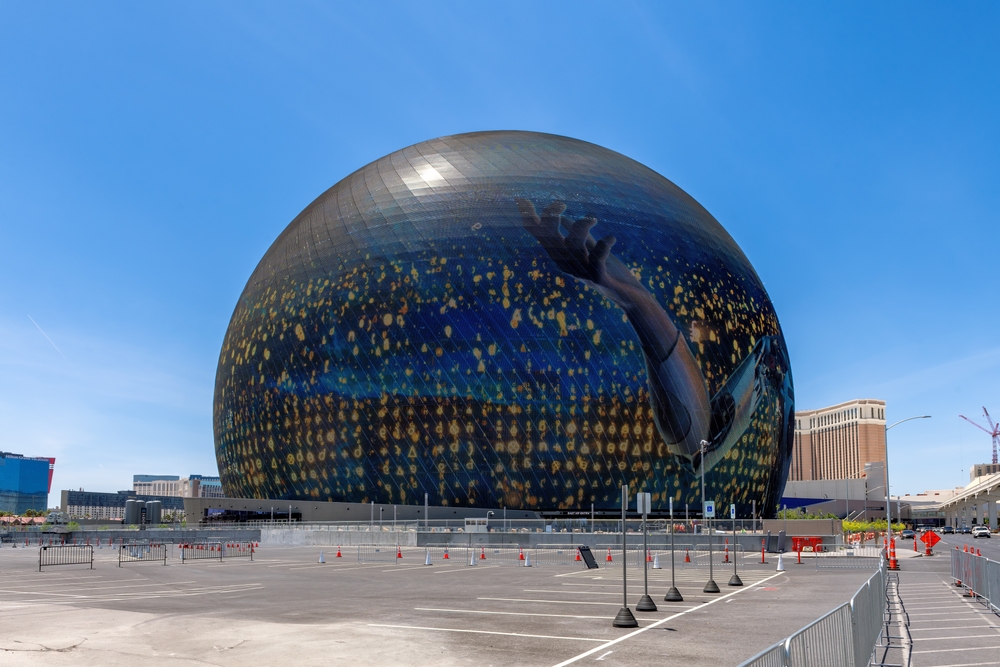
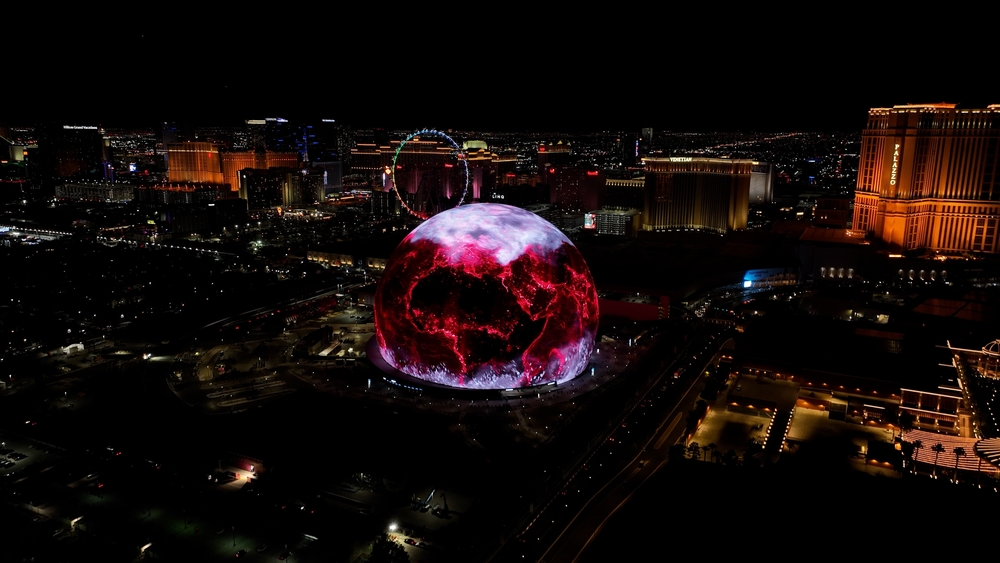
The Las Vegas Sphere had already become one of the most famous buildings in America before Des Champs climbed it. The massive structure, covered in LED screens and towering over the Las Vegas skyline, immediately turned into a magnet for tourists, influencers, and social media creators after opening in 2023. Videos filmed outside the venue routinely collected millions of views online because the building itself looked unlike anything else in the entertainment industry.
That attention helped turn the February 7, 2024, climb into a viral moment within minutes. Videos showed Des Champs scaling the outside of the structure while people below watched in disbelief. Clips of the stunt flooded social media feeds as viewers questioned how someone managed to climb the Sphere at all. Police later arrested the 26-year-old the same day after the incident ended, bringing a dramatic close to one of the venue’s first truly chaotic viral moments.
Court records showed Des Champs originally faced serious accusations tied to the stunt. Prosecutors initially charged him with destroying property greater than $5,000 and conspiracy to destroy private property. The charges were later reduced after he pleaded guilty to a gross misdemeanor charge of acting with willful or wanton disregard for the safety of people or property. Even with the reduced charge, the case remained one of the most high-profile incidents connected to the Sphere since it opened.
The incident also sparked broader debate online about the growing culture surrounding dangerous internet stunts. Some viewers described the climb as reckless and irresponsible, while others viewed it as another example of influencers doing increasingly extreme things to capture attention in a crowded online world where viral fame can arrive overnight.
Des Champs Said The Stunt Was Meant To Raise Money
Des Champs insisted the climb was tied to activism rather than simple internet fame. According to reports surrounding the arrest, he told police the stunt was connected to efforts to raise money for a pregnant homeless woman named Isabel. That explanation quickly added another layer to the story because Des Champs had already built a large online identity around anti-abortion activism and dangerous climbing stunts across the country.
The influencer has spent years posting videos of himself scaling skyscrapers and landmarks while promoting causes connected to his beliefs. Supporters often portray him as an activist willing to take extreme risks for issues he cares about. Critics, however, argue the dangerous stunts place emergency responders, pedestrians, and workers at unnecessary risk while encouraging younger audiences to imitate reckless behavior for views.
Authorities remained focused on the physical damage allegedly caused during the Sphere climb. Reports stated the venue suffered around $100,000 in damage following the incident, though Des Champs later disputed those claims publicly. According to reports, he also told police at the time of his arrest that “his attorneys will get him off this incident as well.”
The case grew larger than a single viral video because it sat at the intersection of activism, internet fame, and public safety. Social media has increasingly rewarded shocking behavior with massive engagement, sponsorships, and online attention, creating an environment where dangerous stunts can quickly become profitable forms of content creation despite the obvious risks involved.

The Judge Handed Down Jail Time And Financial Penalties
A Nevada judge sentenced Des Champs to a 364-day jail sentence with all but 45 days suspended. In addition to the jail time, he also received one year of probation and was ordered to pay $77,270.32 in restitution to the Sphere Entertainment Complex. The sentence officially closed the criminal case tied to the viral climb that dominated headlines and social media discussions throughout 2024.
According to jail records, Des Champs is currently in custody and is expected to be released on or around June 4, 2026. While the sentence was lighter than the original felony accusations he initially faced, it still represents a major legal consequence tied to the stunt and sends a strong message about how seriously authorities viewed the incident.
The financial penalties may become one of the most lasting effects of the case. Viral moments often disappear quickly online, but lawsuits, restitution orders, and criminal records can continue affecting creators long after internet attention fades away. In situations involving damage to major venues or public landmarks, the costs can become enormous even if the stunt itself lasts only a few minutes.
The case also highlighted how differently viral stunts can look once they move from social media feeds into courtrooms. Online audiences may view dangerous content as entertaining or impressive in the moment, but legal systems focus on safety risks, property damage, and public disruption rather than internet popularity or follower counts.
Another Sphere Climb Reignited Debate Around The Case
The controversy surrounding the case returned to headlines after professional climber Alex Honnold also climbed the Sphere. The situation reignited debate online because many people compared the reactions surrounding both climbs, especially after Des Champs publicly criticized how authorities handled his own case.
Des Champs posted his frustrations on Instagram after Honnold’s climb gained attention online. “It’s not that I care if other people climb what I climb. It’s just don’t make a big deal about me doing it and then pay somebody else to steal my idea,” he wrote. His comments quickly circulated across social media as supporters argued he had been treated more harshly because of his activism and online reputation.
He also directly challenged the claims surrounding the amount of damage allegedly caused during the original stunt. “They lied said I broke $100,000 in lights, they arrested me and five of my friends for felony conspiracy, then told me if I didn’t accept the plea deal they were gonna keep going after my friends,” he wrote in another public statement discussing the case.
The reaction online became deeply divided. Some users defended Des Champs and argued that his punishment was excessive compared to other public climbing stunts tied to entertainment or promotional campaigns. Others argued the sentence was justified because the climb placed people at risk and encouraged dangerous copycat behavior in an era where creators constantly chase viral attention.
Dangerous Urban Climbing Videos Continue To Grow Online
Urban climbing content has become increasingly popular across social media platforms over the last several years. Influencers and creators regularly film themselves scaling skyscrapers, bridges, cranes, stadiums, and other structures without safety equipment in order to capture dramatic footage capable of generating millions of views online.
Several major dangers are consistently tied to these kinds of stunts:
- Fatal falls and severe injuries
- Expensive property damage
- Emergency response disruptions
- Risks to pedestrians and workers nearby
- Criminal charges and lawsuits
Law enforcement agencies across multiple countries have repeatedly warned about the growing trend, especially as younger creators attempt more dangerous stunts to stand out online. Viral attention often rewards escalation, meaning creators may feel pressure to take increasingly serious risks in order to maintain audience engagement and relevance on fast-moving platforms like TikTok and Instagram.
The Sphere itself was almost designed for internet culture. Its giant digital exterior, unusual shape, and constant visual displays made it one of the most instantly recognizable buildings in the world within months of opening. Few people expected someone would eventually attempt to climb it, but once the first viral stunt happened, many observers feared copycats would eventually follow.
The legal case against Des Champs may now be over, but the story continues circulating online because it captures a larger reality about internet culture in 2026. Viral fame can arrive in a single afternoon, but the consequences attached to those moments can continue long after the views stop climbing.