
Your cart is currently empty!
Researchers Confirm a Massive Rift Will One Day Divide the African Continent
Africa is recognized for its vast deserts and sprawling savannas, but a hidden force is currently tearing the continent apart in real time. Deep beneath the surface of East Africa, a massive geological shift is slowly fracturing the solid landmass. While everyday life continues above ground, the earth below is quietly preparing to rewrite the global map in a way not seen for millions of years. Understanding what forces are powerful enough to split an entire continent reveals a fascinating story about the constant motion of our planet.
Contents
show
East Africa Is Slowly Splitting Apart
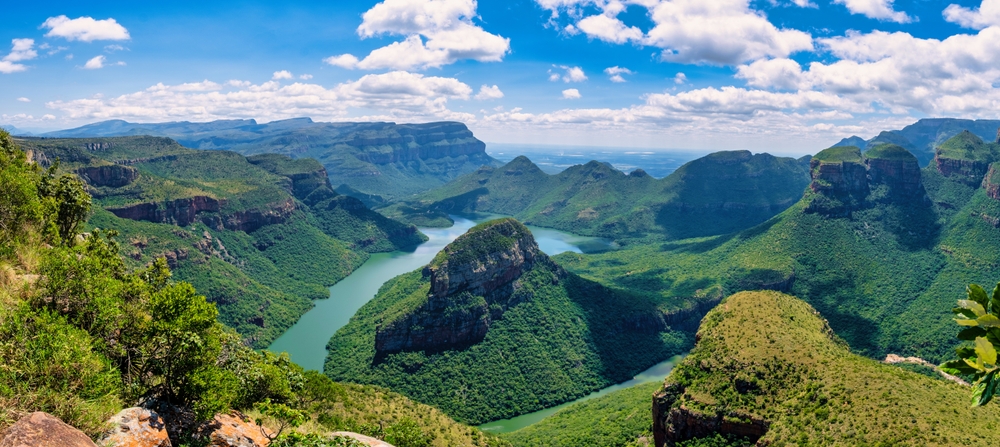
Deep beneath East Africa, the earth is quietly pulling itself apart. The East African Rift System is a massive network of fractures stretching thousands of kilometers from the Afar Depression down to Mozambique. This natural process is driven by two huge sections of the earth’s crust separating: the primary African plate, often called the Nubian plate, and the smaller Somali plate to the east.
The Turkana Rift, a vast region between Kenya and Ethiopia, sits right in the middle of this activity. Scientific measurements show that the ground here is stretching sideways. It separates at a rate of about 4.7 millimeters per year. That is roughly the same speed your fingernails grow. It might sound slow, but over millions of years, the results are huge. As these tectonic plates drift, the friction causes the land surface above to buckle and crack. Sometimes this creates large visible fissures or sudden earthquakes that directly affect local communities and roads.
A recent study published in Nature Communications reveals just how far along this hidden movement actually is. Researchers mapped the structures below the rift using seismic data and sound waves. They concluded that the area is in a highly advanced stage of separation. Christian Rowan, a geoscientist and lead author of the study from Columbia University, explains the significance. “We found that rifting in this zone is more advanced, and the crust is thinner, than anyone had recognized,” Rowan states.
The ground we walk on often feels like an unmovable foundation. However, this ongoing physical split proves that the planet is constantly changing, slowly setting up a completely different global map for the future.
Magma Rising Through a Thinning Crust
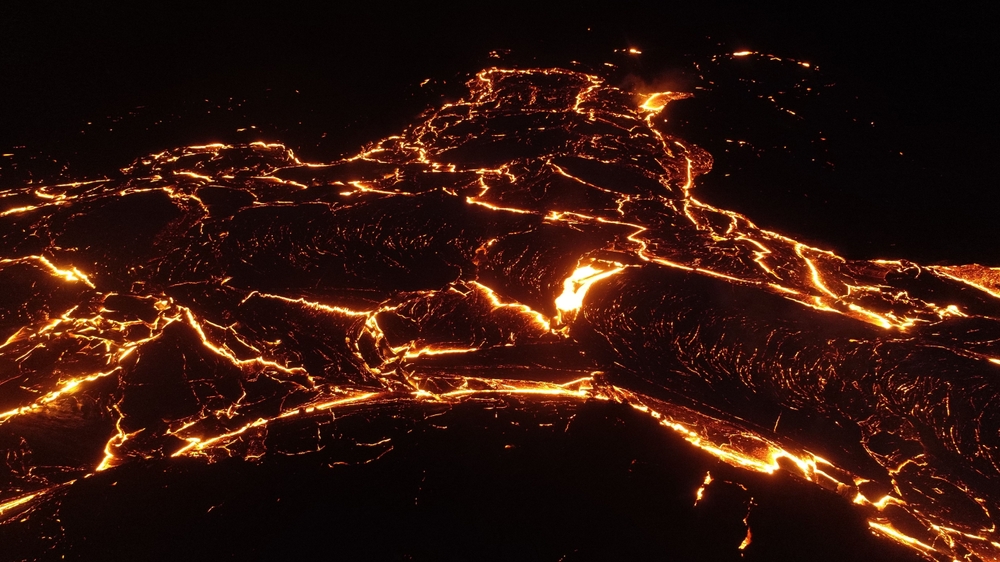
As the tectonic plates pull away from each other, the solid ground does not simply snap in half like a dry twig. Instead, the earth’s crust behaves more like warm plastic or thick putty being pulled apart. Geologists refer to this specific stage of continental separation as “necking.” During this process, the outer shell of the planet becomes progressively thinner in the middle, creating a deep valley.
This extreme thinning allows hot, molten rock from deep within the earth to rise closer to the surface. The pressure from this magma can trigger volcanic eruptions and create completely new geological features along the valley floor. In the Turkana region, the continental crust has thinned out so much that it is remarkably fragile compared to normal landmasses.
If this geological stretching continues uninterrupted, the valley floor will eventually drop entirely below sea level. When that happens, waters from the nearby Red Sea and the Indian Ocean will rush in to fill the massive depression. This dramatic flood will permanently separate the Horn of Africa from the rest of the continent. It will create a brand new ocean basin and leave a large island consisting of parts of Ethiopia, Somalia, and Kenya. While this major geographic redrawing will take millions of years to finish, the physical groundwork is already happening right now under the soil.
Tectonics and Human Origins in Turkana
The Turkana Rift is famous for more than just earthquakes and geological shifts. It is globally recognized as the Cradle of Humankind. Over millions of years, the exact same tectonic forces pulling the continent apart also created a unique environment where our earliest ancestors thrived. As the earth’s crust stretched and valleys collapsed, the changing elevation formed deep basins that eventually filled with rainwater and river runoff. These ancient lakes and fertile valleys became crucial water sources and rich habitats in an otherwise harsh climate.
The constant geological activity meant the environment was never entirely stable. Early hominins were forced to adapt to rapidly changing local climates, shifting food sources, and altered landscapes. Many scientists believe this intense pressure to survive in a dynamic setting was a primary driver of human evolution. The need to navigate new terrains and find resources likely encouraged vital adaptations, such as walking upright on two legs and developing more complex brains.
Today, the steep cliffs and exposed rock layers throughout the Turkana region hold some of the most significant fossil records ever discovered. The shifting earth acts as a natural excavation tool, gradually pushing ancient bones and stone tools toward the surface. However, the ongoing seismic activity also poses a risk to these delicate archaeological sites.
Living on the Split
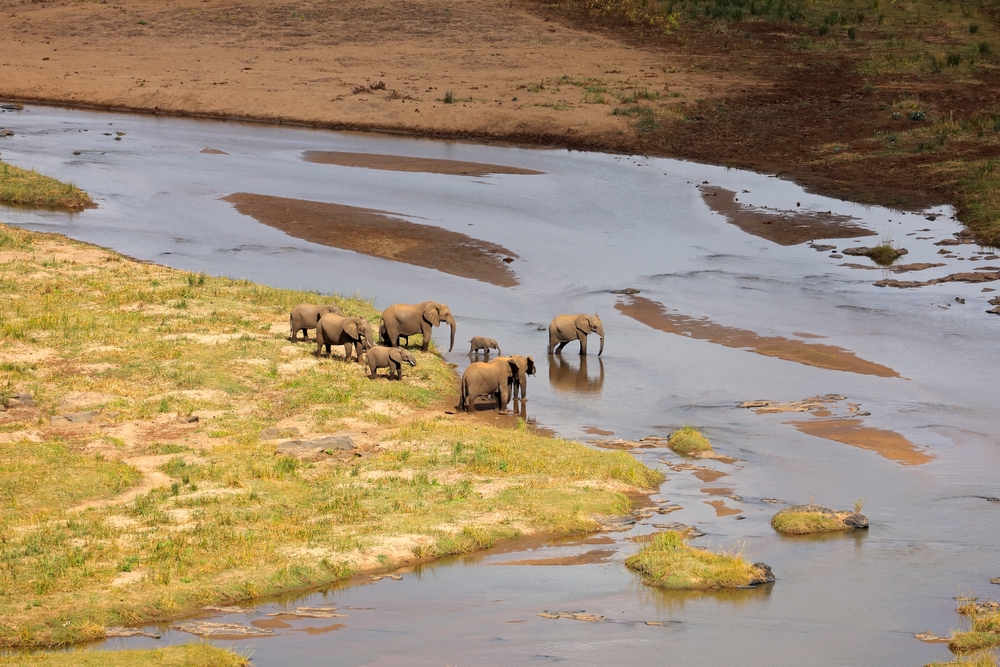
While the creation of a new ocean is millions of years away, the forces driving it have very real consequences for the people living in East Africa today. The continuous shifting of tectonic plates regularly produces tremors and localized earthquakes. For communities situated along the rift valley, this seismic activity is a familiar part of daily life.
Occasionally, these geological adjustments make international headlines. In recent years, massive fissures have suddenly opened across highways and grazing lands in Kenya following heavy rainfall. While some of these immediate surface cracks are worsened by soil erosion, they occur directly along the deeper fault lines established by the tectonic stretching. These sudden ruptures force governments to rapidly repair essential infrastructure and displace local families whose homes are caught in the path of the shifting ground.
However, living on a splitting continent also provides unique advantages. The thinning crust allows immense heat from the earth to rise close to the surface, creating one of the most powerful geothermal energy hotspots in the world. Countries like Kenya are actively harnessing this natural power. Geothermal plants in the rift valley now supply a massive portion of the national electricity grid. This provides a reliable and sustainable energy source that is crucial for modern development.
Adapting to Geological Realities
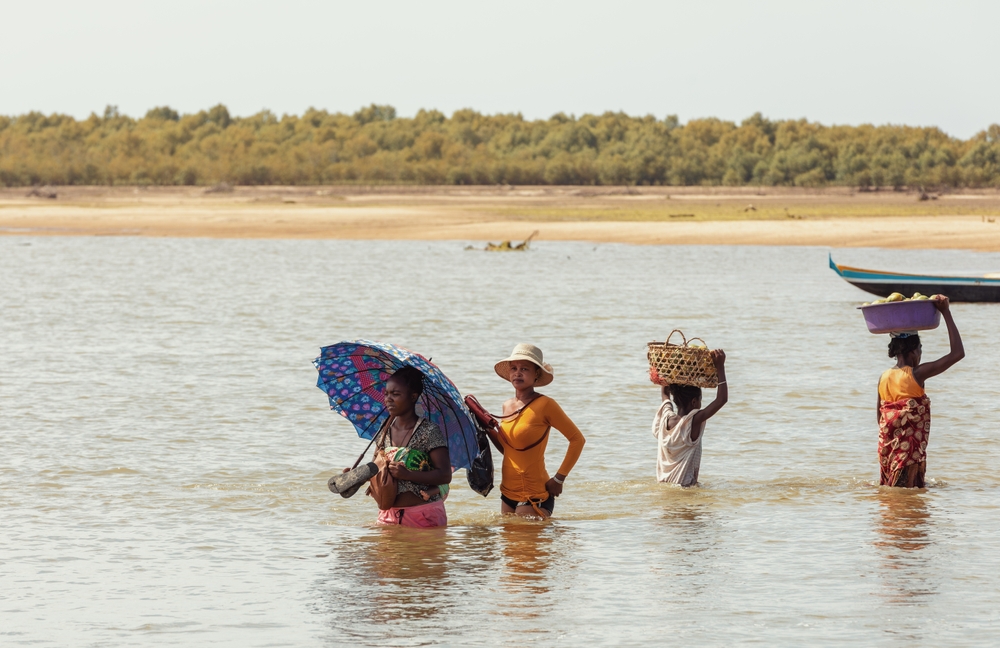
The physical division of the African continent demonstrates that the Earth’s surface is in constant motion. While a new ocean basin will take millions of years to fully form, localized tremors and soil displacements confirm that tectonic shifts are an ongoing reality for East Africa.
Communities living along the rift valley must adapt to these conditions. This requires infrastructure designed to withstand regular seismic activity. Harvesting geothermal energy from the thinning crust demonstrates how local populations utilize the active geological environment for sustainable power, turning a potential hazard into an economic resource.
The East African Rift highlights the necessity of continuous seismic monitoring. By utilizing geological research to map developing fault lines and constructing adaptable buildings, populations can mitigate the risks associated with living in a highly active tectonic zone.
Source:
- Rowan, C. M., Kolawole, F., Bécel, A., Betka, P., & Rowan, J. (2026). Necking of the active Turkana Rift Zone and the priming of eastern Africa for continental breakup. Nature Communications, 17(1). https://doi.org/10.1038/s41467-026-71663-x