
Your cart is currently empty!
Mattel Introduces First Autistic Barbie to Its Inclusive Doll Lineup
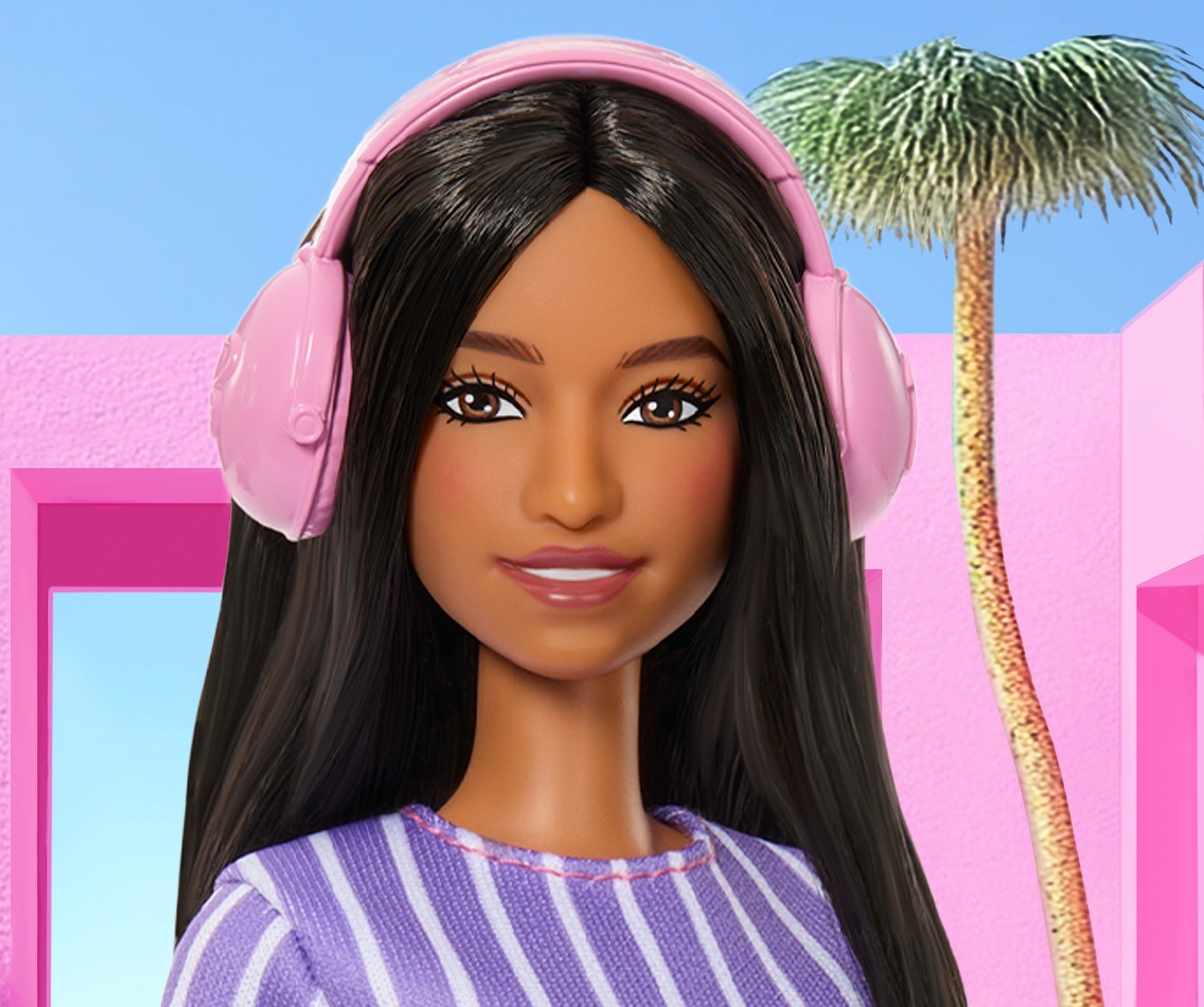
Play is often the first language children learn, a crucial tool they use to navigate social dynamics and understand their own identities. When the toys in their hands fail to reflect their reality, it can leave a silent gap in that understanding. Mattel’s latest addition to its historic doll line aims to close that distance, introducing a groundbreaking figure designed to validate the experiences of a community that has long waited for authentic visibility on store shelves.
Contents
show
Barbie’s Newest Doll Champions Neurodiversity
Mattel Inc. has officially expanded its efforts toward inclusivity by introducing the first autistic Barbie to its Fashionistas collection. This launch marks a significant step for the iconic brand as it continues to diversify its lineup, joining existing dolls that represent Down syndrome, visual impairments, limb differences, and vitiligo. The initiative aims to ensure that the dolls on store shelves better reflect the diverse reality of the children playing with them.
To ensure the new doll was not just a gesture but an authentic representation, Mattel spent over 18 months developing the prototype in close collaboration with the Autistic Self Advocacy Network (ASAN). ASAN is a nonprofit organization run by and for autistic individuals, dedicated to advocating for disability rights and accurate media representation. This partnership was crucial in designing a doll that honors the specific ways autistic people may experience and navigate the world.
The release aligns with the company’s broader mission to foster empathy and social understanding through play. Jamie Cygielman, Mattel’s global head of dolls, emphasized the importance of this ongoing evolution in a recent statement.
“Barbie has always strived to reflect the world kids see and the possibilities they imagine, and we’re proud to introduce our first autistic Barbie as part of that ongoing work,” Cygielman said. “The doll, designed with guidance from the Autistic Self Advocacy Network, helps to expand what inclusion looks like in the toy aisle and beyond because every child deserves to see themselves in Barbie.”
Translating Lived Experience into Design
Capturing the essence of a neurotype in a doll requires a delicate touch, especially since, as Noor Pervez of the Autistic Self Advocacy Network notes, “autism doesn’t look any one way.” To bridge this gap, the design team focused on the subtle, everyday behaviors that many in the community will instantly recognize.
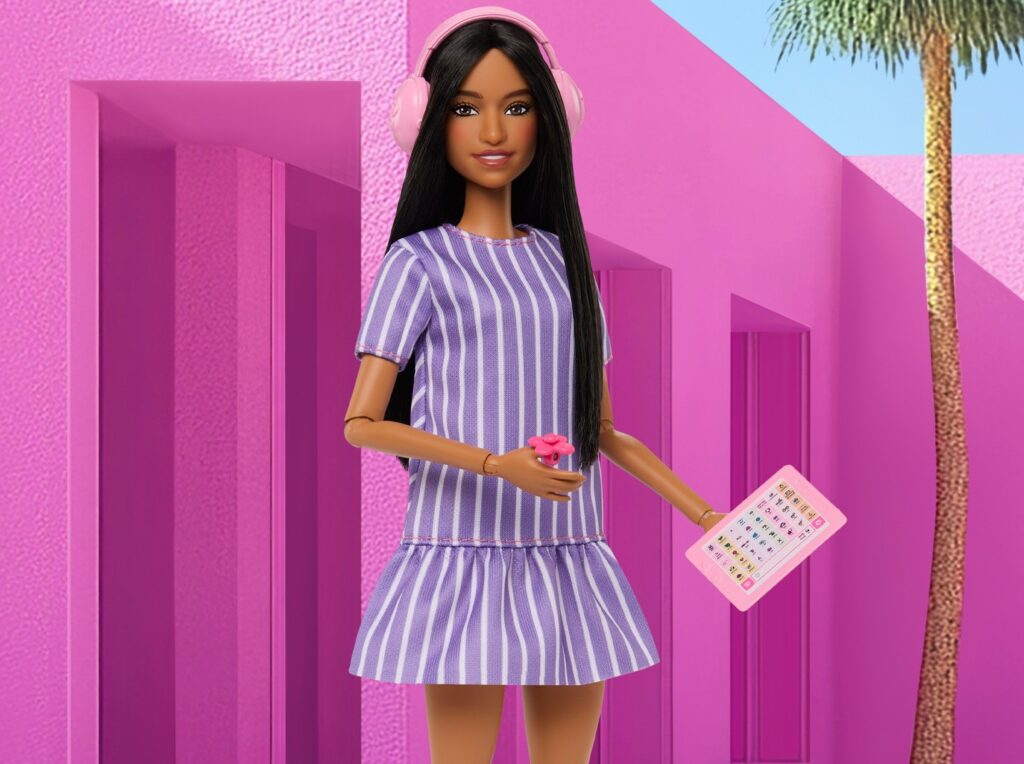
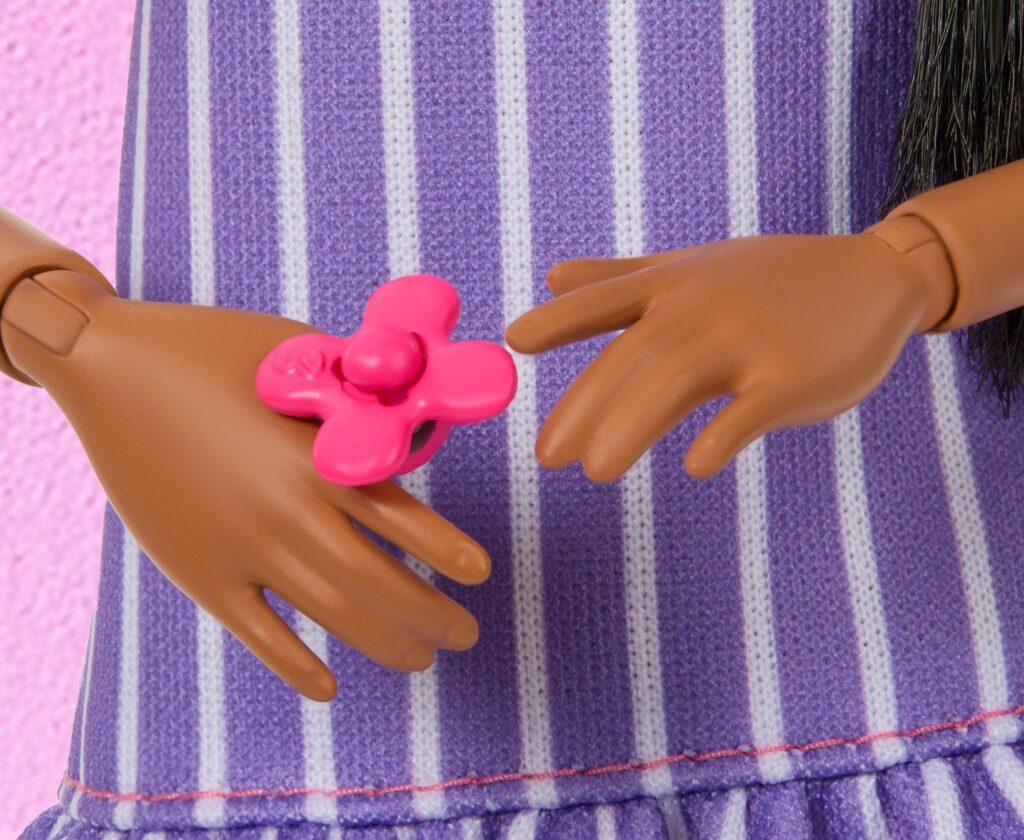
One of the most thoughtful updates is in the doll’s gaze. Rather than staring straight ahead, her eyes feature a soft shift to the side. It is a gentle nod to those who find direct eye contact overwhelming, normalizing a trait that is often misunderstood. The doll also ditches the stiff, standard mannequin pose for articulated elbows and wrists. This extra flexibility isn’t just for posing; it allows the doll to “stim” or flap her hands, a common way autistic people regulate their senses or express pure joy.
Even the fashion choices were made with comfort in mind. Anyone who has ever felt distracted by a scratchy tag or a tight waistband will appreciate the wardrobe strategy here. The team opted for “sensory-friendly” fashion, dressing the doll in a loose, flowy A-line dress to avoid uncomfortable pressure on the skin, paired with practical flats for stability.
The accessories, however, are where the representation truly shines. The doll comes prepared for the modern world with noise-canceling headphones to block out the hustle and bustle, and a working fidget spinner to help with focus. Perhaps most importantly, she carries a tablet displaying communication apps. This inclusion validates the experiences of non-speaking individuals who use technology to share their thoughts, proving that communication happens in many beautiful ways.
A Celebration of Real Stories
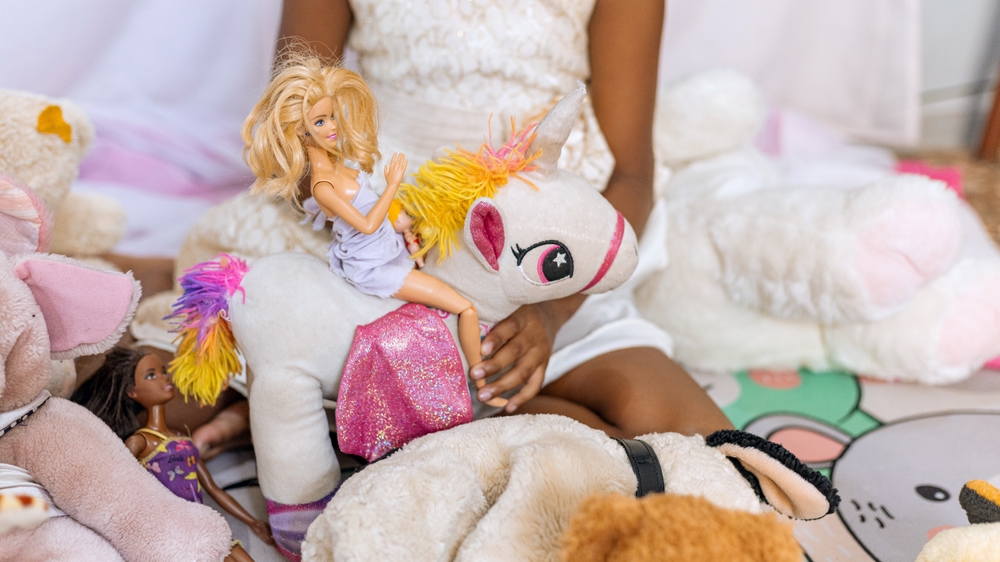
This release represents more than just a new product; for many, it is a heartwarming moment of visibility. Mattel ensured the doll reflects the diversity within the neurodivergent community itself by giving her facial features inspired by women of Indian heritage. This thoughtful detail shines a light on intersectional identities, ensuring that children from various backgrounds see their reality reflected in their play.
For adults who grew up without seeing themselves in the toy aisle, the emotional impact is profound. Madison Marilla, an autistic entrepreneur and lifelong Barbie collector, described the unique joy of finally holding a doll that shares her lived experience.
“Dolls have always brought me comfort, stability, and joy,” Marilla shared. “This autistic Barbie makes me feel truly seen and heard. I hope all the kids I’ve mentored feel the same when they see her.”
The launch focuses heavily on “joyful representation,” a sentiment echoed by Colin Killick of the Autistic Self Advocacy Network. The goal was to move past clinical definitions and celebrate autistic independence and happiness. To bring this to life, Mattel partnered with real-world role models, including fashion designer Aarushi Pratap and the mother-daughter duo Precious and Mikko Mirage. By sharing their stories alongside the doll, the campaign highlights a beautiful truth: there is no single way to be autistic, and every version of that experience deserves to be celebrated.
More Than Just Make-Believe
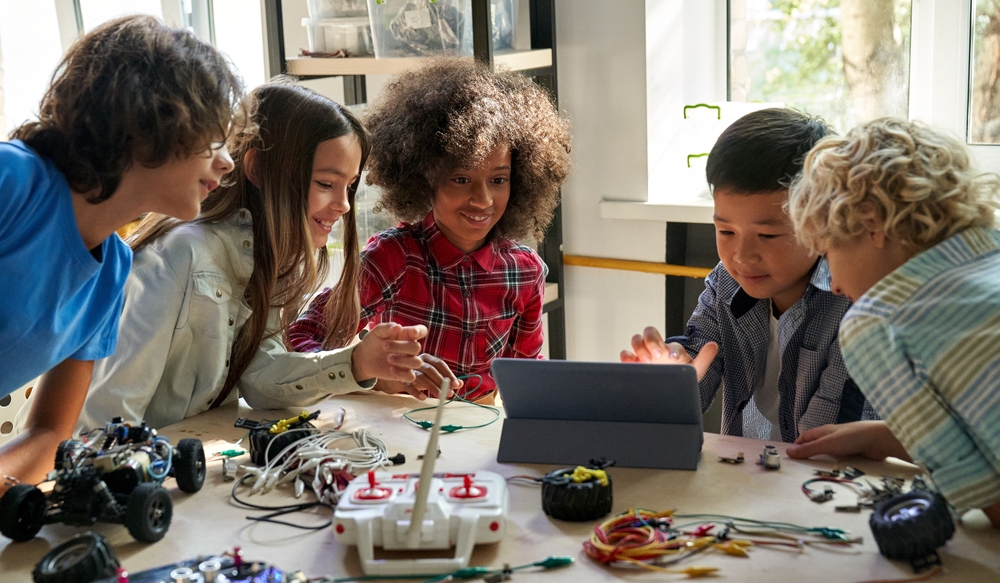
We often think of playtime as a way for kids to burn off energy or escape into a fantasy world, but science suggests something much deeper is happening. Since 2020, Mattel has partnered with researchers at Cardiff University to study what actually goes on in the brain during doll play. The results are fascinating: playing with dolls lights up the regions of the brain responsible for empathy and social processing.
The study indicates that these benefits apply to all children, including those with neurodivergent traits. Essentially, when a child engages in storytelling with a doll, they are flexing their “empathy muscles,” practicing how to understand and interact with people who might be different from them.
This is where the massive variety of the Fashionistas line comes into play. With over 175 different looks—ranging from various body types to dolls with prosthetic limbs, hearing aids, and vitiligo—the collection offers more than just a mirror for self-reflection. It serves as a window into the wider world. By playing with a doll that has a different life experience, such as one with a physical disability or a neurological difference, children can explore stories outside of their own bubble.
This “empathy practice” is a powerful tool. It transforms the toy box into a safe space where differences are normalized. When a child sees these traits in their favorite toys, it helps demystify them in real life, paving the way for a generation that is naturally more inclusive and understanding of the diverse tapestry of humanity surrounding them.
Spreading the Joy
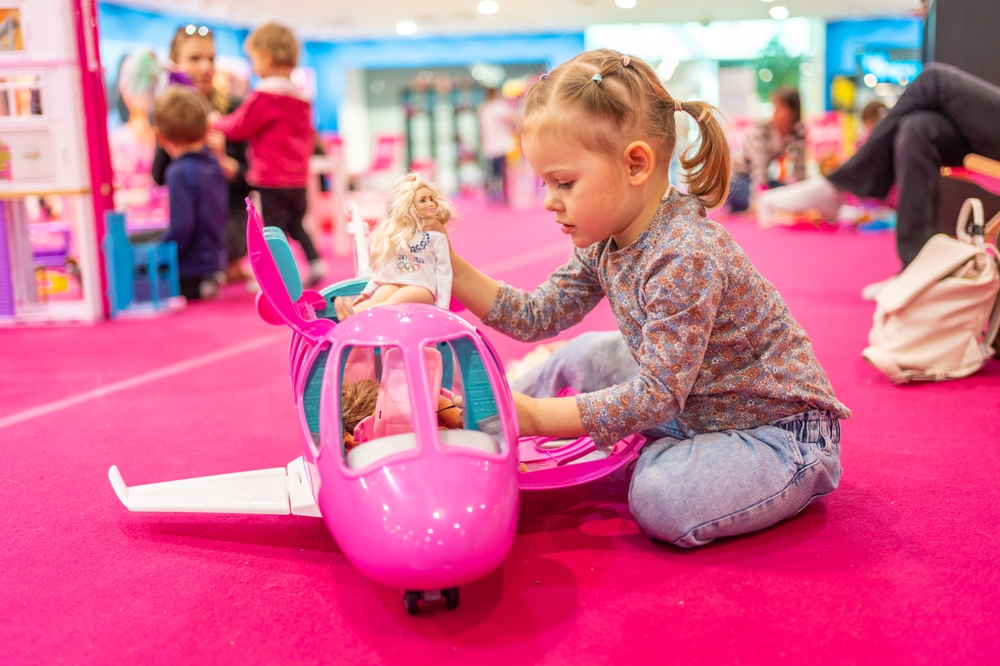
To ensure this milestone reaches the children who might need it most, the launch extends beyond retail shelves. In a heartwarming move to celebrate the release, Mattel has committed to donating over 1,000 of the new autistic Barbie dolls to leading pediatric centers across the United States. Institutions receiving these special deliveries include Children’s National Hospital in Washington, D.C., Children’s Hospital Los Angeles, and Rady Children’s Hospital in Orange County.
The intention behind this donation is simple yet profound. It aims to bring immediate comfort and a sense of belonging to children in medical settings. For a young patient on the autism spectrum, receiving a doll that mirrors their own experiences—complete with headphones and communication tools—can provide a unique source of support and confidence during stressful times.
For families eager to welcome this new friend into their own homes, the doll is designed to be accessible rather than an exclusive collector’s item. With a suggested retail price of just under $12, it is available at Mattel’s online shop and major retailers like Target. Walmart is also expected to carry the line, ensuring that this diverse representation is available to communities everywhere. This broad availability reinforces the idea that inclusion should not be a luxury, but a standard part of every child’s playtime.
A Future of Infinite Possibilities

The release of this doll arrives at a pivotal moment. With the Centers for Disease Control and Prevention estimating that 1 in 31 children in the U.S. are on the autism spectrum, the need for accurate representation is clearer than ever. This diagnosis spans every demographic, making it essential that the toys children interact with reflect the true diversity of their peers. When a doll visibly manages sensory needs or communicates differently, it sends a powerful message that these experiences are valid and normal parts of life.
Colin Killick of the Autistic Self Advocacy Network emphasized that the ultimate goal is to support the community in “dreaming big and living proud.” This doll serves as a tangible reminder of that ambition. It offers neurodivergent children a chance to see a version of themselves that is happy, independent, and celebrated. It moves the conversation away from clinical definitions and toward a celebration of different ways of being.
By bringing these inclusive figures into homes and classrooms, parents and educators can foster open conversations about neurodiversity. It is a small but powerful step toward a society where every child feels they belong. Embracing these changes in the toy aisle helps teach the next generation that everyone, regardless of how they process the world, deserves a place at the table.
Featured Image Source: Mattel on Facebook