
Your cart is currently empty!
Meta Will Give Free Ray-Ban AI Glasses to Every Blind Veteran in America
For one US Army veteran, the world went dark in an instant during the Gulf War, when a bunker explosion in Desert Storm took his eyesight and, with it, the independence he had never thought to question. Decades passed before a pair of ordinary-looking glasses changed that, and his experience would eventually set in motion a program reaching tens of thousands of veterans like him across the country.
Contents
show
What that veteran discovered, and what he later helped build, has now become the basis for one of the largest accessibility efforts of its kind. A major technology company has committed to placing the same technology that restored his autonomy into the hands of every legally blind veteran in America, a population numbering more than 130,000. The story of how a single soldier’s experience grew into a nationwide initiative says a great deal about what this technology can actually do.
The Announcement And Its Scale
Meta announced on Friday, June 12, 2026, that it would donate Ray-Ban Meta AI glasses to every blind veteran in the United States. The company laid out the program in a news release, and CEO Mark Zuckerberg followed with a further announcement on Sunday at the UFC Freedom 250 event held at the White House, giving the effort a high-profile public stage.
The commitment is sweeping in its reach. Working in partnership with the Blinded Veterans Association, Meta is giving the glasses, along with dedicated training, to veterans who are legally blind and members of the BVA. By the company’s own estimate, the number of eligible recipients could exceed 130,000, making this a donation measured not in hundreds or thousands of units but in a scale that aims to leave no qualifying veteran out. Meta has wrapped the entire effort in a single guiding phrase, “The Future Is for Everyone,” which captures the ambition behind putting advanced technology into the hands of a community too often left behind by it.
The Veteran Who Inspired The Program

At the heart of the initiative is Don Overton, a blind veteran of the US Army’s 82nd Airborne Division who lost his sight during the Gulf War when a bunker explosion struck during Desert Storm. His connection to the program runs deeper than inspiration, however. Overton worked directly with Meta’s wearables team to develop features that would make the Ray-Ban Meta glasses genuinely useful in the everyday lives of veterans, helping shape the product rather than simply endorsing it.
His description of what the technology gave back to him has become the emotional core of the entire effort. Losing his vision, he has explained, meant losing far more than sight alone. “When I lost my eyesight in Desert Storm from a bunker explosion, I also lost my independence. The moment I put on my Ray-Ban Meta glasses, I got my independence back,” Overton said about the program.
That single experience, the sudden return of something he had assumed was gone for good, is what convinced Meta to look beyond one veteran and ask how the same technology might reach all of them. Overton’s collaboration with the company ensured the glasses were not just adapted for blind users in theory but refined around the real tasks and frustrations that define daily life without sight.
What The Glasses Actually Do
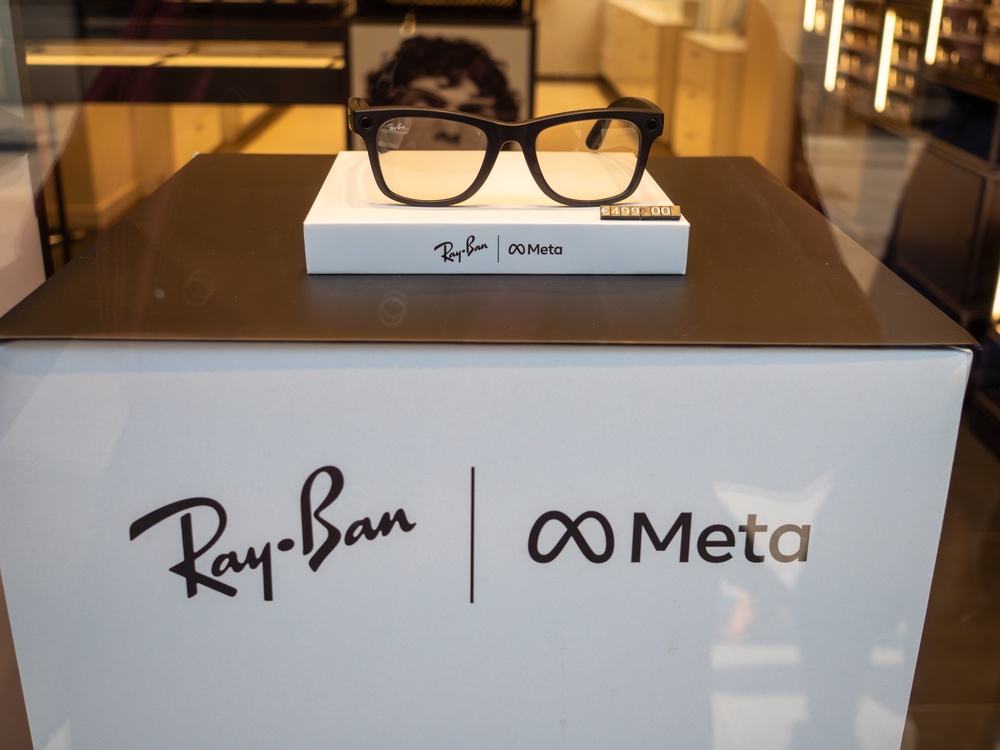
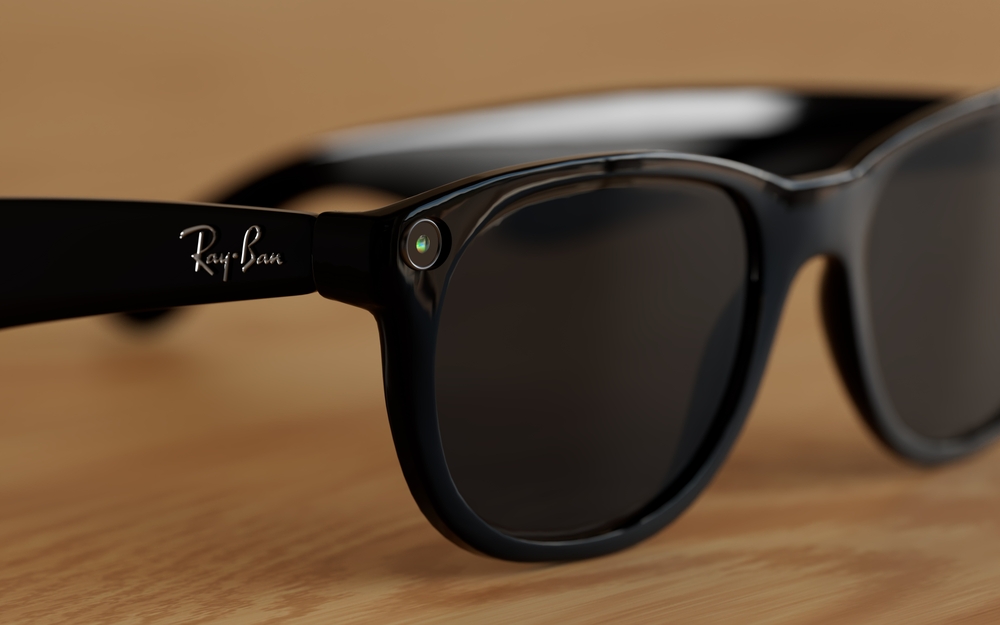
The reason this donation amounts to more than a generous gesture lies in what the glasses can actually accomplish. Operated entirely by voice through an onboard AI assistant, the Ray-Ban Meta glasses can read text and documents aloud, identify objects, and describe a user’s surroundings, turning a wearable device into a constant, hands-free aid for navigating the world.
Several specific features extend that core function in meaningful ways. A detailed description setting allows the AI to provide rich, contextual audio accounts of an environment, so a user can ask it to read a menu or describe what is in front of them, down to objects, colors, and environmental details. Another feature, called Call a Volunteer, and built in partnership with Be My Eyes, connects a user hands-free to sighted volunteers across 21 markets worldwide. With a simple spoken command, a volunteer can help with tasks as ordinary and as consequential as choosing an outfit or adjusting a thermostat, the small daily acts that independence is built from.
The glasses also support a continuous, hands-free conversation with the AI, eliminating the need to repeatedly say “Hey Meta,” so the assistant can offer real-time, context-aware help as a user moves through a task. Through built-in cameras, wearers can share their point of view on video calls, letting trusted friends or family see whatever the user wants to show them. The open-ear speaker design matters as much as any single feature, delivering clear audio without covering the ears, which keeps users aware of the sounds around them rather than sealing them off from their surroundings. For those concerned about data, Meta notes that photos, videos, and voice interactions can be managed or deleted at any time, or avoided entirely by powering the glasses down.
How Veterans Can Get A Pair

For veterans hoping to receive the glasses, the path is designed to be straightforward. Eligible veterans can request their pair through bva.org/glasses, with the main requirement being membership in the Blinded Veterans Association. That membership is free, which removes a potential barrier for those who might otherwise hesitate. Each kit a veteran receives includes the glasses themselves, a charging case, and getting-started materials to ease the initial setup.
The BVA has indicated that the glasses will be distributed to established members and that further details on the distribution process will follow. Veterans who are not yet members, but who meet the eligibility requirements, are encouraged to join in order to take part, and the organization has set up channels for people to refer blind or low-vision veterans they know.
The Training Built Around The Glasses
A recurring theme among everyone involved is that the hardware alone is not enough, and so every pair of glasses comes paired with hands-on training meant to ensure veterans can use the technology with confidence. The instruction covers how the glasses identify objects, read text, and manage everyday tasks using only the user’s voice, which for many recipients represents a genuine change in how independently they can move through a day.
The support comes in three main forms. The BVA hosts monthly live webinars in partnership with TechSoup, where veterans can ask questions and get real-time troubleshooting help. Meta and its partner organizations also hold in-person events across the country, where veterans can receive their glasses, get guidance directly from trained staff, and connect with other participants going through the same process. Rounding out the resources is a BVA training guide developed specifically for blind and low-vision veterans, walking through voice commands, reading documents, answering phone calls, and handling daily tasks with greater autonomy. Together, these resources reflect a recognition that putting powerful tools in someone’s hands only matters if they feel equipped to use them.
How Veteran Organizations Can Participate
Beyond individual veterans, the program opens a separate path for the nonprofits that serve them. Eligible organizations working with blind or severely vision-impaired veterans can apply through TechSoup to receive glasses for the veterans in their communities. Once approved, representatives from those organizations take responsibility for completing a BVA-created train-the-trainer course and then distributing both the glasses and the accompanying training to eligible veterans.
The structure allows the program to extend its reach through groups already embedded in veteran communities. Organizations can request up to 100 devices through the standard application, with the option to request a larger volume if they are able to distribute more, giving established nonprofits the means to serve their members at scale.
The Partners Behind The Effort
An undertaking this large depends on more than one organization, and Meta has assembled a broad coalition to carry it out. The Blinded Veterans Association serves as the lead partner, joined by Tunnel to Towers, Homes for Our Troops, Lighthouse Guild, the American Council of the Blind, National Industries for the Blind, and Oscar Mike. Each brings its own connection to the veteran and disability communities, widening the network through which glasses and training can reach the people who need them.
Some of the most persuasive testimony comes from partners who understand vision loss firsthand. Thomas Panek, president and CEO of Lighthouse Guild, is himself blind and speaks about the glasses not as an outside observer but as a daily user who relies on them.
“As a person who is blind, aside from my white cane and guide dog, I never leave home without my Meta glasses. They are not only the most useful technology ever developed for the blind, they look pretty cool too,” Panek said, explaining why his organization joined the effort.
Frank Siller, chairman and CEO of the Tunnel to Towers Foundation, framed the donation in similar terms, describing it as far more than a pair of glasses and pointing to the ability it restores, the simple acts of reading a letter, navigating the world, and reclaiming one’s independence. Drawing on his foundation’s experience building mortgage-free smart homes for catastrophically injured veterans, Siller noted that the right technology can give someone their life back.
Why The Initiative Matters
What ties the whole effort together is a single idea expressed again and again by those involved: the return of autonomy to people who gave up their sight in service to the country. Lea Rowe, national executive director of the Blinded Veterans Association, has emphasized that pairing the AI with dedicated training places true independence directly into the hands of 130,000 veterans, bridging the gap between technology and human potential. She told NewsNation she had already seen profound interest from BVA members, and that watching them grow enthusiastic about the program had been its own reward.
Meta’s leadership has cast the initiative in terms of obligation and honor rather than charity. Andrew Bosworth, the company’s chief technology officer, noted that these veterans sacrificed their sight in service to the country, and that giving them technology able to meaningfully navigate the world is both a profound honor and a reflection of why the company builds what it does. Dina Powell McCormick, Meta’s president and vice-chairman, traced the program’s origins back to Overton’s work with the wearables team and the company’s resulting determination to reach every blind veteran in America.
For the more than 130,000 veterans who stand to benefit, the value of the program is measured in the ordinary moments it makes possible again. Reading a letter without help, identifying what sits on a shelf, moving through a room without depending on someone else, these are the freedoms the glasses aim to restore. In that sense, the initiative is less about the technology itself than about what Don Overton described from the start, the independence that returned the moment he put the glasses on, now offered to every veteran who once thought it was gone for good.
accessibility technology, AI assistant, AI glasses, assistive technology, Be My Eyes, blind veterans, Blinded Veterans Association, BVA, Don Overton, Lighthouse Guild, Mark Zuckerberg, Meta, Ray-Ban Meta glasses, smart glasses, Tunnel to Towers, veteran independence, veteran support, vision loss, visually impaired veterans, wearable technology