
Your cart is currently empty!
Mexico Ends Dolphin Entertainment and Marine Animal Shows With New National Ban
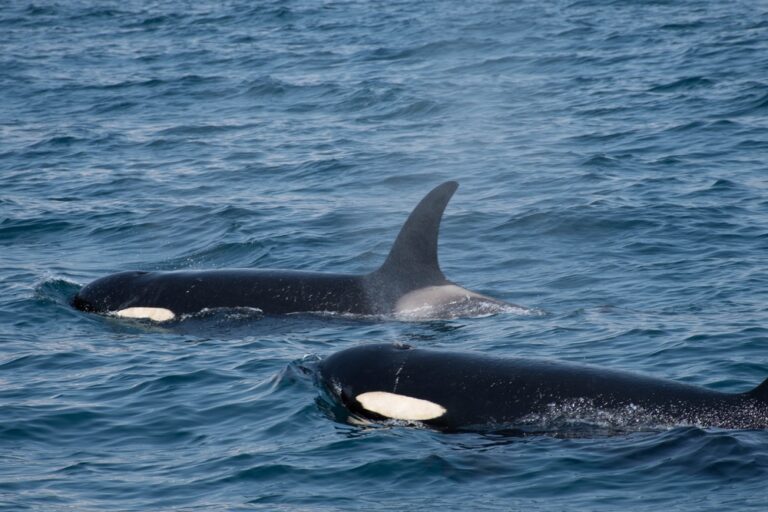
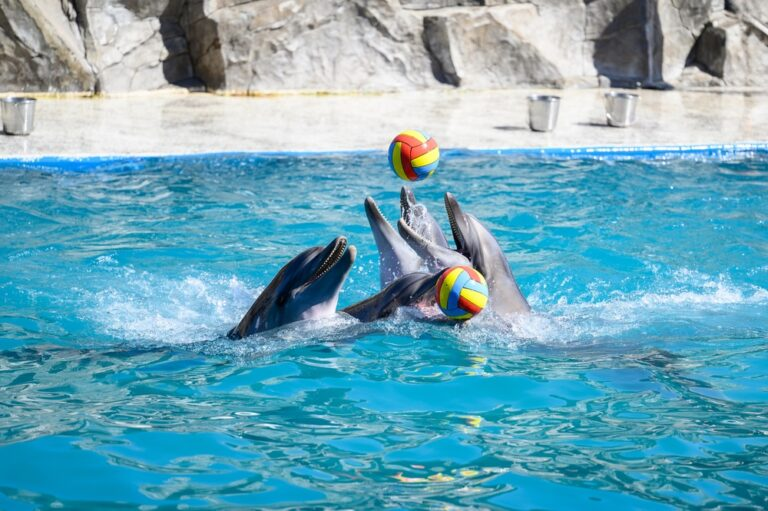
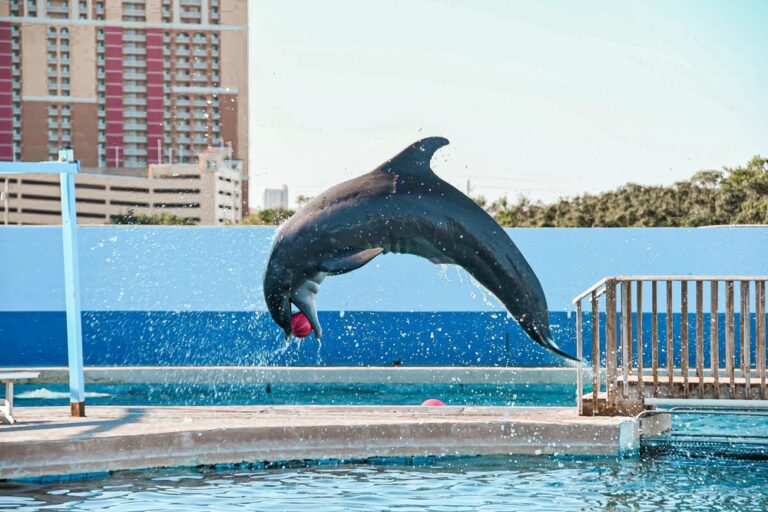
For years, marine animal shows have been promoted as family-friendly entertainment, educational attractions, and even conservation tools. Dolphins performing tricks, interacting with tourists, and swimming in confined pools were presented as symbols of intelligence and joy. Yet behind the carefully choreographed performances, a growing body of scientific evidence and firsthand investigations painted a very different picture. Researchers, veterinarians, and animal welfare organizations repeatedly warned that captivity fundamentally conflicts with the biological and psychological needs of marine mammals. As public awareness increased, so did discomfort with the idea that intelligent, wide ranging animals were being confined for profit.
Contents
show
That discomfort has now translated into historic action. Mexico has officially banned marine animal shows nationwide following a unanimous legislative vote that many campaigners describe as a turning point for animal welfare in the region. The decision reflects years of advocacy, mounting scientific consensus, and increasing public pressure to end dolphin entertainment. It also places Mexico among a small but growing group of countries willing to challenge long established tourism industries in favor of ethical and evidence based wildlife protection.
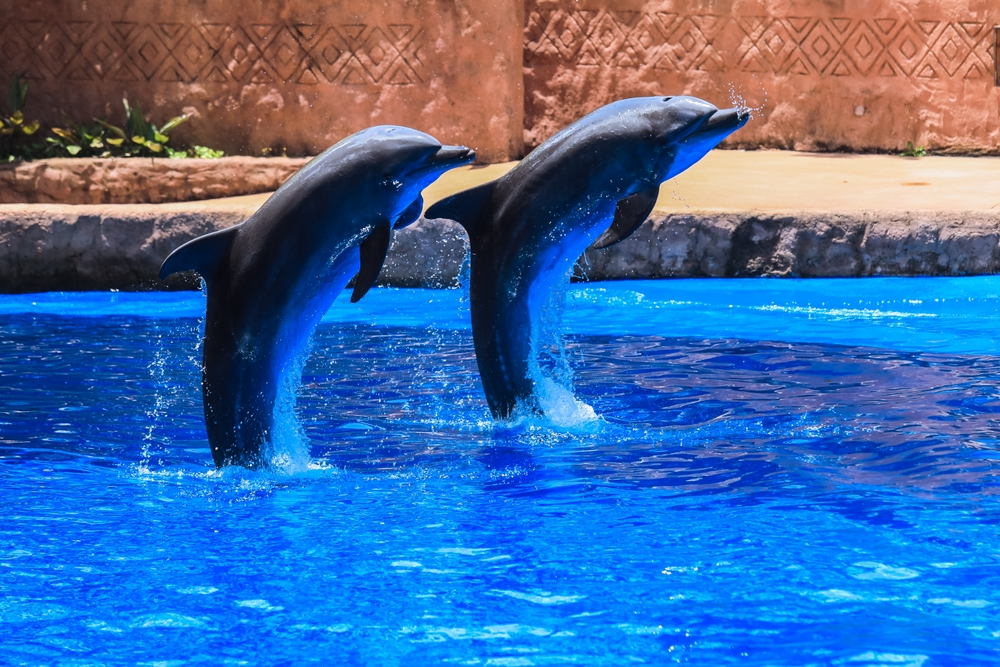
A Historic Legislative Decision With Immediate Impact
The Mexican Congress approved a nationwide ban on dolphin shows and the use of marine mammals in entertainment after receiving full support from both the Senate and the Chamber of Deputies. The amendment to the General Wildlife Law prohibits the use of dolphins, sea lions, orcas, and other marine mammals in shows, therapy programs, entertainment venues, and commercial research. The ban takes effect immediately, with implementing regulations scheduled to be finalized within one year.
The law strictly limits the keeping of marine mammals to scientific research focused on conservation and species preservation. Activities such as reintroduction, restocking, or translocation aimed at restoring natural populations are the only permitted uses. Any form of performance, interaction for entertainment, or commercial exploitation is now illegal under federal law.
According to Humane World for Animals Mexico, the vote represents a decisive shift in how wildlife is treated in the country. Dr. Claudia Edwards, the organization’s programs director, stated, “This vote represents a decisive move toward ending the exploitation of whales, dolphins and other marine mammals for entertainment and marks a major stride forward in animal welfare and conservation efforts in Mexico. We congratulate all legislators for reaffirming Mexico’s commitment to the protection of wildlife and promoting sustainable coexistence between humans and animals.”
What the Ban Means for Dolphins Already in Captivity
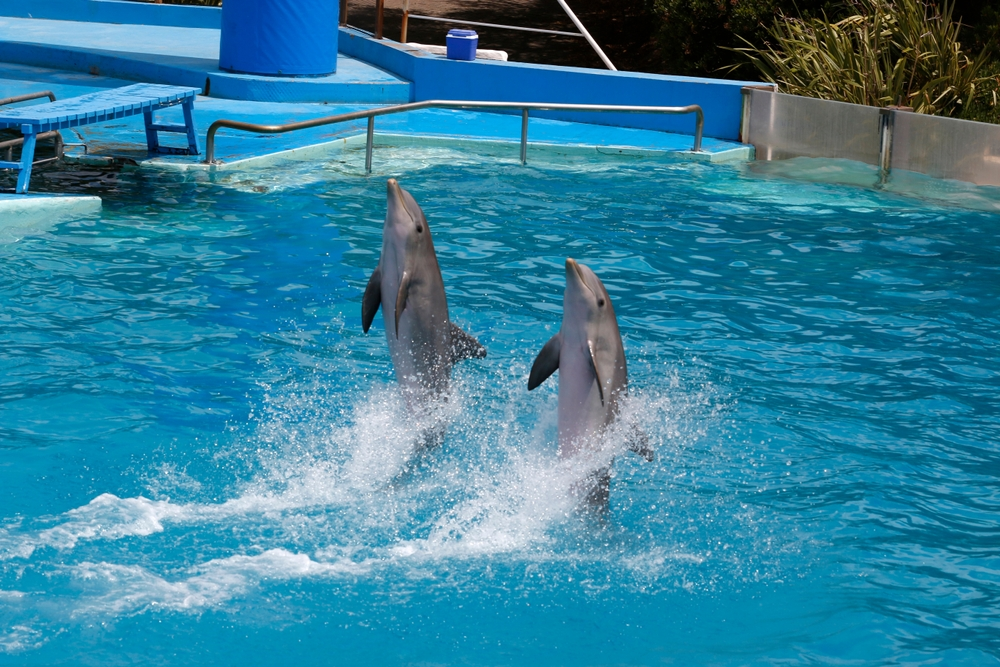
While the legislation ends dolphin shows and captive breeding, it does not authorize the immediate release of animals currently held in captivity. Authorities estimate that approximately 350 dolphins remain in dolphinariums and marine entertainment facilities across Mexico. Many of these animals were born in captivity and lack the skills necessary to survive in the wild.
Under the new law, these dolphins must remain under human care but are entitled to significantly stricter welfare standards. Facilities are legally required to provide conditions that meet the animals’ physical, social, and behavioral needs. This includes improved space, environmental enrichment, appropriate social grouping, and ongoing veterinary oversight.
In many cases, dolphins will be relocated to sea pens, which are enclosed areas of the ocean that offer more natural conditions than artificial concrete tanks. Authorities are now responsible for monitoring compliance and ensuring that the animals live out their natural lives without being forced to perform or interact with tourists for entertainment.
The Hidden Suffering Behind Dolphin Entertainment
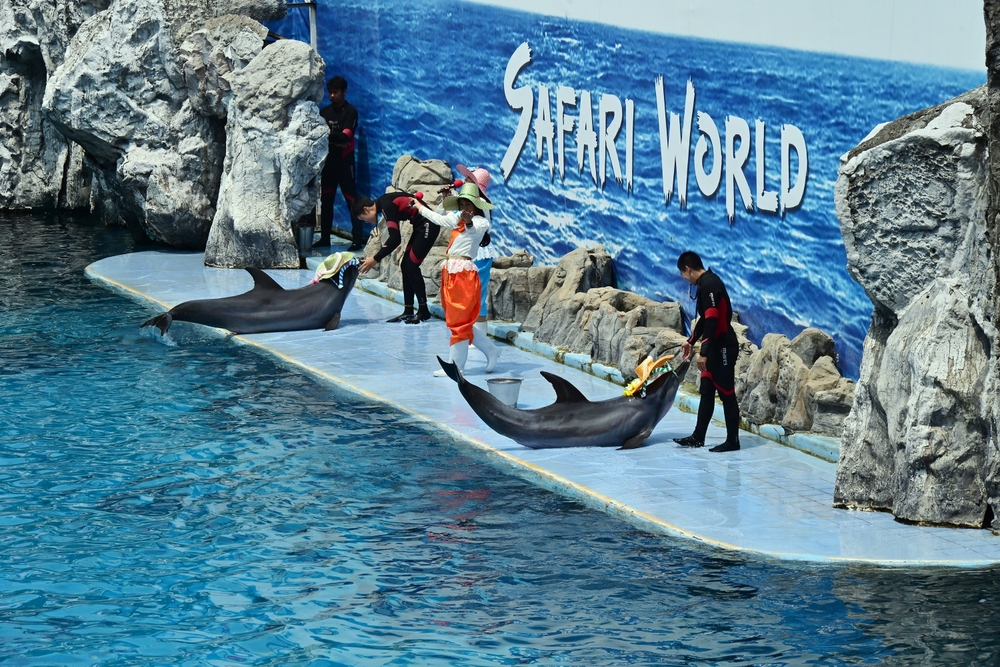
The ban follows years of investigations and research revealing the realities of dolphin captivity. According to animal welfare organizations, more than 300 dolphins have been exploited in Mexican facilities over recent decades. Many were born in captivity, confined to artificial environments that bear little resemblance to the open ocean.
Scientific studies have documented that captive dolphins often suffer from chronic stress, compromised immune systems, and abnormal repetitive behaviors. Diseases linked directly to confinement are common, and injuries related to tank conditions and forced training have been widely reported. These findings challenge long standing claims that dolphin shows are harmless or educational.
World Animal Protection has repeatedly highlighted these concerns. Campaign strategist Eugenia Mora said, “This is a huge step forward for animals and a historic milestone that other countries must follow. We have long documented the suffering of dolphins in captivity not only in Mexico but in Spain and across the world.” She also emphasized the importance of enforcement, urging authorities to ensure dolphins remaining in captivity are kept in environments that meet their species specific needs.
Public Outrage and the Catalyst for Change
Momentum toward the ban intensified just weeks before the legislative vote, when dolphin shows were suspended at a controversial facility in the Riviera Maya. Public reaction to footage and reports from the site was swift, triggering widespread outrage and renewed scrutiny of the dolphin entertainment industry.
Campaigners and animal welfare organizations amplified their calls for reform, pointing to years of evidence that conditions in many facilities failed to meet acceptable welfare standards. The incident served as a powerful reminder that regulation and oversight had not been sufficient to prevent harm.
The suspension of shows became a catalyst for legislative action, reinforcing the argument that systemic change was necessary. Lawmakers cited public concern and scientific evidence as key factors in advancing the amendment through Congress with unanimous support.
Scientists Have Warned About Captivity for Decades
The scientific community has long raised alarms about the impacts of captivity on marine mammals. In 2022, more than 100 scientists, supported by World Animal Protection, publicly condemned the captivity of dolphins, highlighting the psychological and physical harm caused by the tourism and entertainment industries.
Marine biologists and veterinarians have documented elevated stress hormone levels, increased aggression, self harming behaviors, and reduced lifespans in captive dolphins compared to their wild counterparts. Damage to teeth and skin caused by tank environments has also been widely observed.
The bill benefited from the contributions of marine mammal experts and bioethics specialists, including researchers associated with Mexico’s National Autonomous University. Humane World for Animals Mexico acknowledged the role of Dr. Yolanda Alaniz, a respected marine mammal expert who has long advocated for an end to marine mammal spectacles.
Progress in Latin America and Global Challenges
With this legislation, Mexico joins Costa Rica and Chile as one of only three Latin American countries to ban dolphin shows and captive breeding of cetaceans. Advocates view the decision as a signal that regional attitudes toward animal entertainment are shifting.
However, progress remains uneven globally. In Spain, wild animals have been banned from circuses, yet dolphinariums continue to operate. Recent protests outside the Oceanogràfic marine park in Valencia used symbolic demonstrations to draw attention to dolphins still held in captivity.
Campaigners argue that Mexico’s decision increases pressure on other governments to reconsider similar industries. While some countries have taken steps toward reform, dolphin entertainment remains widespread in many parts of the world.
Responsible Tourism as an Ethical Alternative
Animal welfare organizations emphasize that responsible tourism offers a viable and ethical alternative to marine animal shows. Observing dolphins and whales in the wild allows people to appreciate these animals without causing harm or confinement.
Ethical wildlife tourism supports habitat conservation, respects natural behaviors, and contributes to local economies in sustainable ways. Unlike captive shows, it does not rely on forced training or restricted movement.
Travelers are encouraged to support tour operators that prioritize animal welfare, avoid venues offering performances or direct interactions, and engage with initiatives such as Wildlife Heritage Areas and designated Whale Heritage Sites.

A Landmark Victory With Ongoing Responsibility
Mexico’s ban on marine animal shows represents a significant victory for animals and a reflection of changing public values. It demonstrates how scientific evidence, sustained advocacy, and political will can align to produce meaningful reform.
At the same time, the law places responsibility on authorities to ensure strict enforcement and ongoing monitoring. Hundreds of dolphins remain in captivity, and their welfare depends on transparency, accountability, and sustained oversight.
While the fight against dolphin captivity is not over globally, Mexico’s decision sends a clear message. When societies confront the realities behind animal entertainment, the justification for such practices becomes increasingly difficult to defend.