
Your cart is currently empty!
Millions Are Discovering the Truth About Octopuses, and It’s Stranger Than Anyone Realized
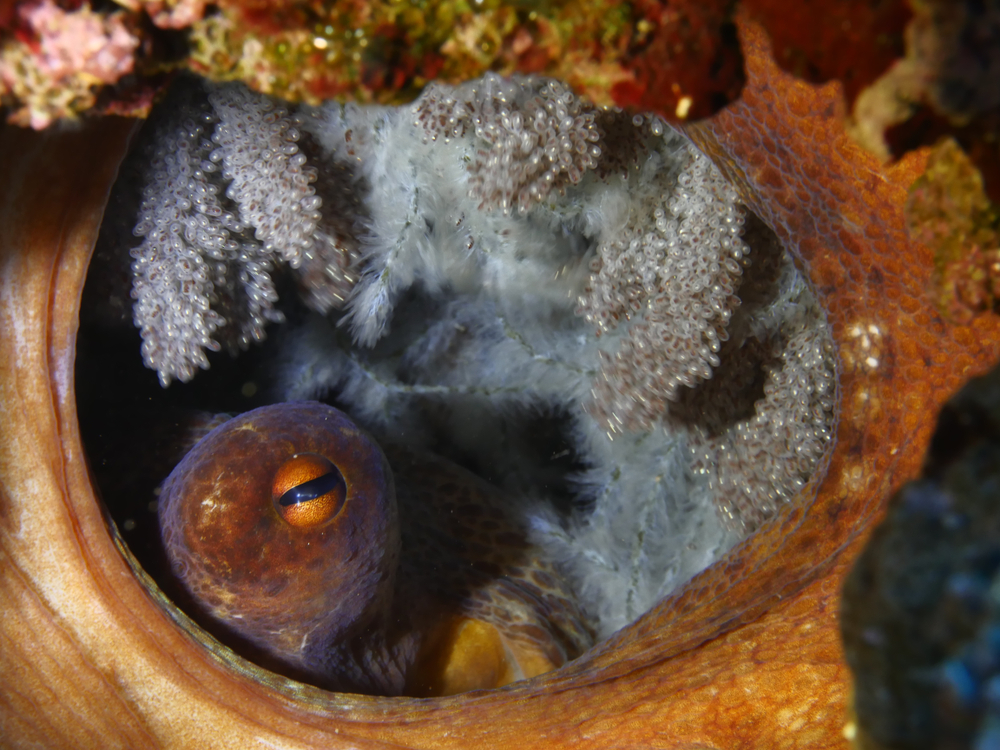
A woman’s passionate rant about octopuses has captivated millions online, but it isn’t because she delivered some dramatic conspiracy or exaggerated claim. Instead, TikTok creator Sarah, known as @SarahMakesMeLaugh, simply argued that humanity has failed to appreciate one of the strangest animals on Earth. Her opening line, “We are severely underreacting to octopuses collectively,” sounded humorous at first. Then she started listing facts that became harder and harder to dismiss.
Contents
show
As the video spread across social media, viewers realized the real surprise wasn’t Sarah’s delivery. It was discovering that many of the bizarre facts she mentioned were backed by scientists. From brains that extend into their arms to the ability to squeeze through impossibly small spaces, octopuses seem to break almost every rule people assume about intelligent life. The more researchers uncover, the more these remarkable creatures challenge what we thought we knew about animal intelligence.
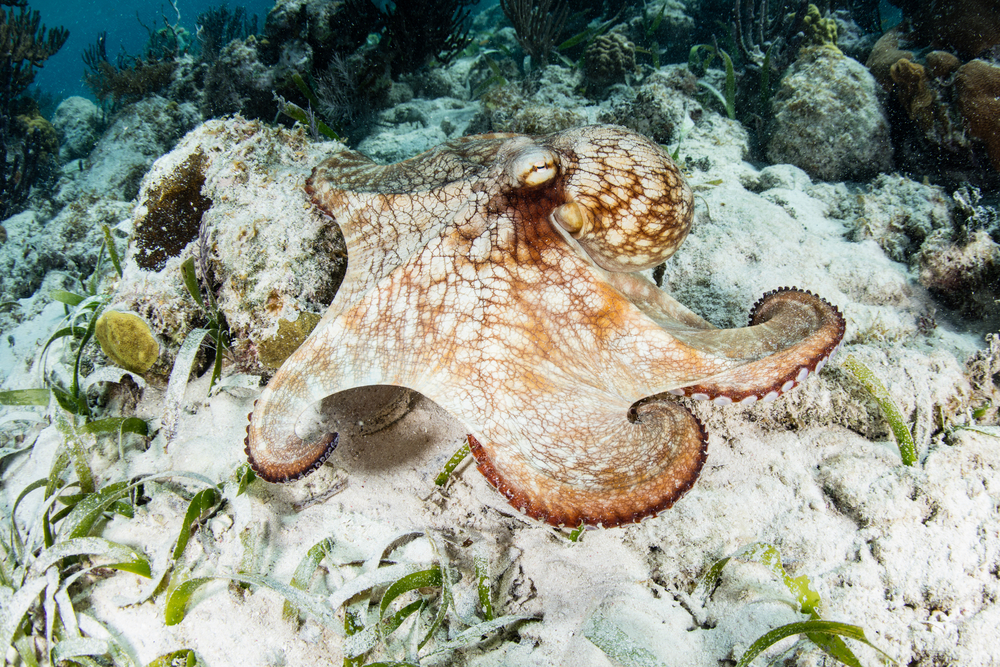
A Viral Video That Left Millions Looking Up Octopus Facts
Sarah didn’t present herself as a marine biologist or wildlife expert. She sounded more like someone who had stumbled across a collection of unbelievable facts and couldn’t understand why everyone else wasn’t equally fascinated. Her calm, almost frustrated delivery became part of the video’s appeal. Rather than shouting or exaggerating, she simply worked her way through one astonishing fact after another.
That approach resonated with viewers because the information felt too unusual to be real. A creature with multiple brains, three hearts, blue blood, and arms capable of thinking independently sounds more like science fiction than marine biology. Naturally, thousands of people began checking whether the claims were actually true.
As more readers dug into scientific sources, they discovered that while some details needed slight clarification, Sarah’s central point remained remarkably accurate. The reality turned out to be just as fascinating as the viral video itself. Instead of exposing myths, experts found themselves explaining why octopuses are among the most extraordinary animals on the planet.
The conversation also highlighted how easily remarkable scientific discoveries can remain overlooked. Many people spend their lives learning about dolphins, chimpanzees, and elephants without realizing that an animal hiding beneath the ocean’s surface has evolved in ways unlike anything else on Earth.
The Truth Behind the “Nine Brains” Claim
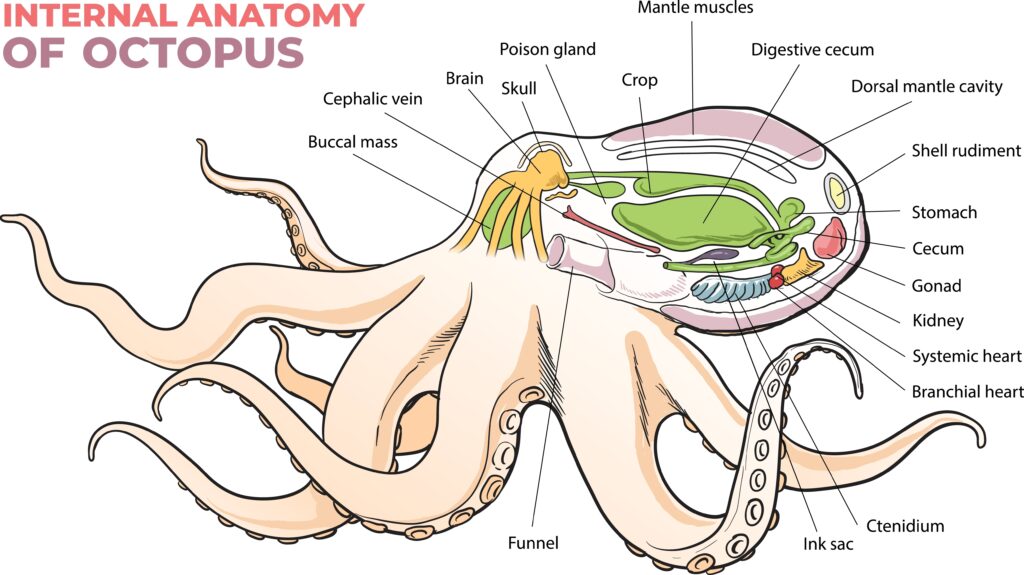
Perhaps the most memorable moment in Sarah’s video comes when she explains that octopuses have nine brains. The statement sounds impossible, but it reflects something genuinely unique about their nervous system. Scientists explain that octopuses have one central brain along with large clusters of neurons located inside each of their eight arms.
Marine education organization OctoNation describes this as a single integrated nervous system rather than nine completely separate brains. Each arm contains specialized neural centers that allow it to process information and carry out complex movements without waiting for instructions from the central brain. Instead of functioning as independent minds, the arms work as highly intelligent extensions of the animal’s nervous system.
One of the strangest biological details is the location of the octopus’s brain. It wraps around the animal’s esophagus in a ring-like shape, meaning every meal literally passes through the middle of its brain before reaching the stomach. It’s an evolutionary design unlike anything found in humans or most other vertebrates.
Researchers estimate that a common octopus possesses roughly 500 million neurons, placing it in the same general range as many mammals known for their intelligence. Even more remarkable, nearly two-thirds of those neurons are located in the arms instead of the head, allowing each limb to explore, taste, and manipulate objects with an impressive level of independence.
Built Unlike Almost Any Other Animal
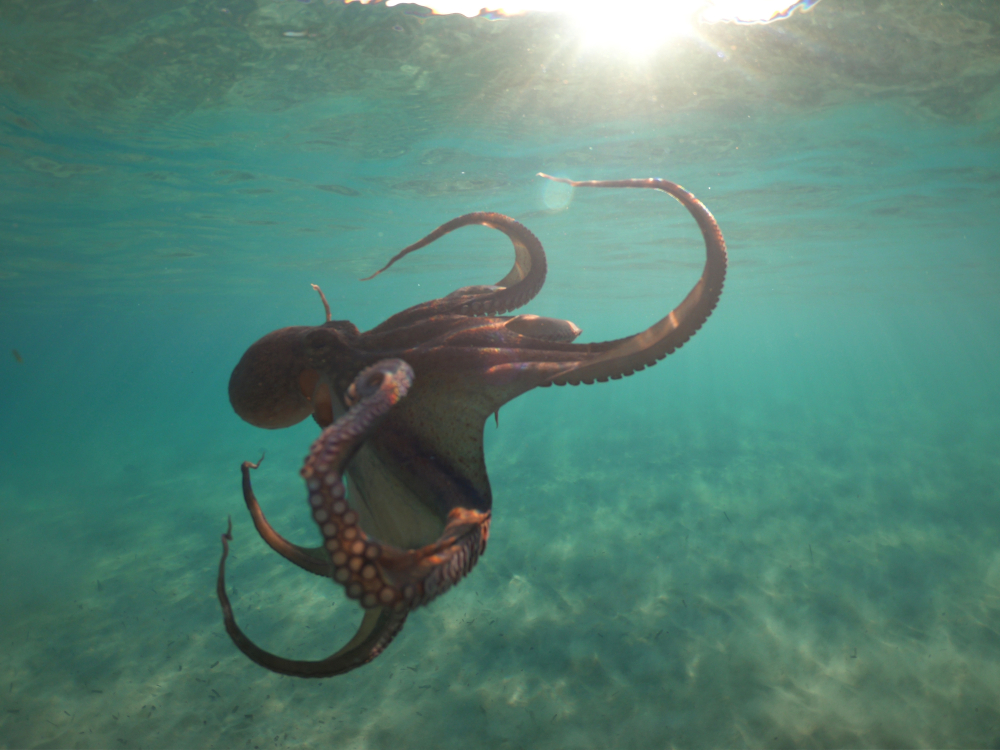
The octopus’s unusual nervous system is only one part of what makes it so extraordinary. These animals also possess three hearts and blue blood, adaptations that help them survive in cold, oxygen-poor ocean environments. Two hearts pump blood through the gills while the third circulates oxygen-rich blood throughout the rest of the body.
Their bodies are equally remarkable because they contain no bones. The only rigid structure is a sharp beak hidden at the center of the arms. As a result, an octopus can squeeze through openings that appear impossibly small. Marine experts often summarize this ability with a simple rule: if the beak fits, the entire animal can fit.
That flexibility becomes even more astonishing when considering the size of some species. According to the Seattle Aquarium, the giant Pacific octopus commonly weighs between 40 and 100 pounds while stretching 12 to 14 feet from arm tip to arm tip. Some documented individuals have reached 160 pounds and measured nearly 25 feet across, making them the largest octopus species on Earth.
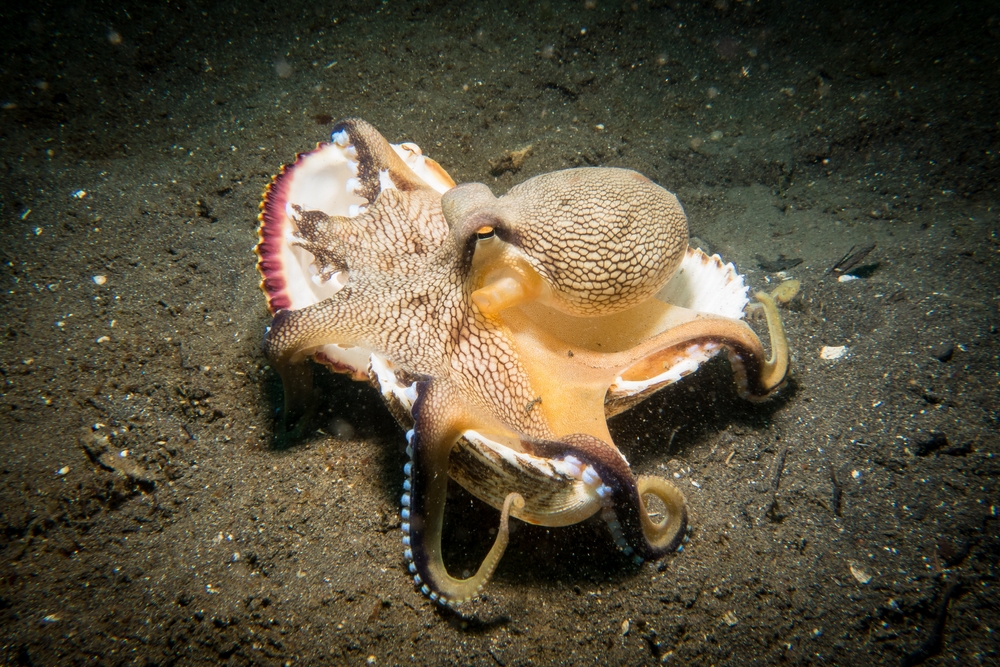
Despite their enormous size, these giants retain the same incredible flexibility as their smaller relatives. An animal capable of filling an entire doorway can still disappear through a surprisingly narrow opening, leaving predators and even experienced divers wondering where it went. It is one of many reasons octopuses continue to fascinate marine scientists decades after they first became the subject of serious research.
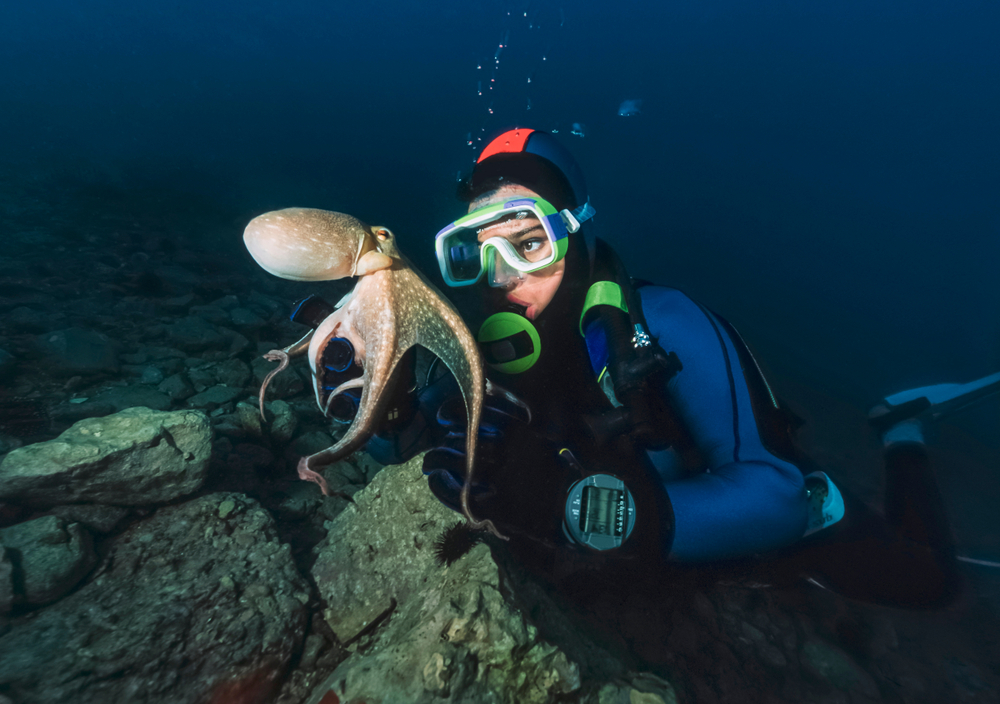
The Octopus That Decorates Its Home
Sarah’s video becomes even more entertaining when she describes octopuses as tiny underwater interior designers. It sounds like a joke, but divers have repeatedly documented octopuses collecting shells, pebbles, rocks, and other objects to arrange around the entrances of their dens. What appears to be random clutter often serves a practical purpose, helping camouflage the den, reinforce its structure, or even signal territory to other octopuses.
Researchers have observed this behavior in several species, including coconut and gloomy octopuses. According to reports highlighted by Green Matters, some animals carefully move objects into place over time, creating what looks like a deliberately organized front yard. In aquariums, caretakers have also watched octopuses rearrange decorations overnight, often leaving tanks looking completely different by morning.
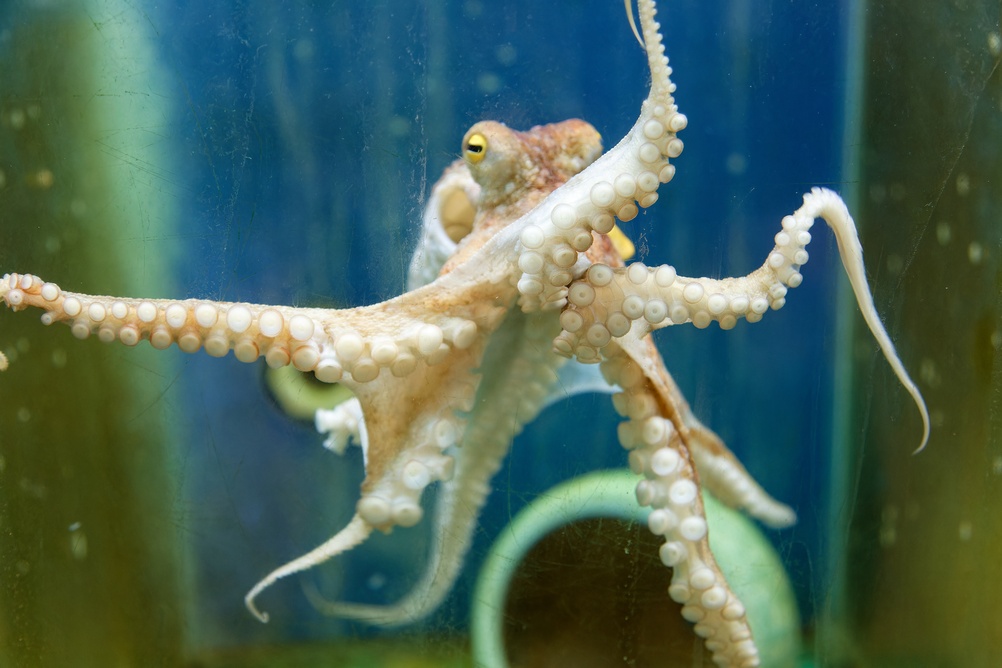
Scientists believe there isn’t a single explanation for this behavior. Some objects may help hide the den from predators, while piles of discarded shells can simply be leftovers from previous meals. In some cases, decorating may even play a role in attracting mates or marking an occupied shelter.
Whatever the motivation, the behavior demonstrates that octopuses actively shape their surroundings rather than simply living in them. Watching one carefully organize its home challenges the idea that complex environmental manipulation belongs only to mammals or birds.
They Can Tell People Apart
One of Sarah’s most unsettling claims was that she would never insult an octopus to its face because it might remember her. Surprisingly, scientific research suggests she isn’t far off. A study involving giant Pacific octopuses found that the animals learned to respond differently to two people after repeated interactions over a two-week period.
In the experiment, one researcher consistently fed the octopuses while another gently touched them using a bristly stick. Over time, the animals displayed noticeably different behaviors toward each individual. Some reached eagerly toward the familiar feeder while withdrawing from the other person. Others changed their skin patterns or body posture depending on who approached the tank.
Scientists caution that this doesn’t necessarily prove octopuses recognize human faces in exactly the same way people do. Instead, they appear capable of combining visual cues and previous experiences to distinguish one individual from another. Even with a relatively small study, the findings offered another glimpse into their impressive learning abilities.
That capacity for memory and recognition is one reason octopuses continue to attract scientific attention. Their intelligence evolved independently from mammals, making them one of the best examples of how complex thinking can arise through entirely different evolutionary paths.
Five Octopus Facts That Sound Too Strange to Be True
The more scientists study octopuses, the longer the list of astonishing discoveries becomes. Some of the best-known facts include:
- Three hearts: Two pump blood to the gills, while the third circulates oxygen-rich blood throughout the body.
- Blue blood: Their blood contains copper-based hemocyanin instead of iron-rich hemoglobin, allowing them to transport oxygen efficiently in cold ocean water.
- Flexible bodies: With no bones except a hard beak, they can squeeze through surprisingly tiny openings.
- Powerful camouflage: Specialized skin cells let them rapidly change color, texture, and patterns to blend into their surroundings.
- Extreme size differences: In blanket octopuses, females can grow over six feet long while males measure only about an inch, creating one of the largest size gaps between males and females in the animal kingdom.
Each discovery reminds scientists that octopuses have evolved solutions unlike almost any other creature. Their biology often appears alien, yet every adaptation serves a clear purpose in helping them survive beneath the ocean’s surface.
Scientists Believe We Have Only Scratched the Surface
Despite decades of research, marine biologists continue uncovering new insights into octopus behavior and intelligence. Studies have documented problem-solving skills, escape artistry, tool use, and remarkable learning abilities that challenge traditional ideas about how intelligence develops in animals.
Their unusual nervous system has become a major focus of scientific research because it functions so differently from the centralized brains found in mammals. Understanding how octopuses process information could eventually influence fields ranging from neuroscience to robotics, where engineers are already studying their flexible movements to inspire new technologies.
Sarah’s viral TikTok resonated because it transformed complex science into an engaging conversation. She didn’t claim octopuses possess magical abilities or invent facts for dramatic effect. Instead, she highlighted just enough verified science to make millions of people stop and wonder what else might be hiding beneath the waves.
The deeper researchers look into the lives of octopuses, the clearer it becomes that these animals are unlike almost anything else on Earth. They have been quietly evolving extraordinary abilities for millions of years, whether humans noticed them or not. Sometimes the most astonishing stories are not new discoveries at all. They are reminders that nature has been full of impossible-looking wonders long before anyone thought to point a camera at them.
animal intelligence, Biology, Birds Advice, cephalopods, fascinating animals, giant Pacific octopus, Marine biology, marine life, nature news, ocean animals, octopus brains, octopus facts, Octopus Intelligence, octopus science, Sarah Makes Me Laugh, sea creatures, viral animal story, Viral TikTok, wildlife news