
Your cart is currently empty!
How a Montana Couple Saved Their Ranch From Development
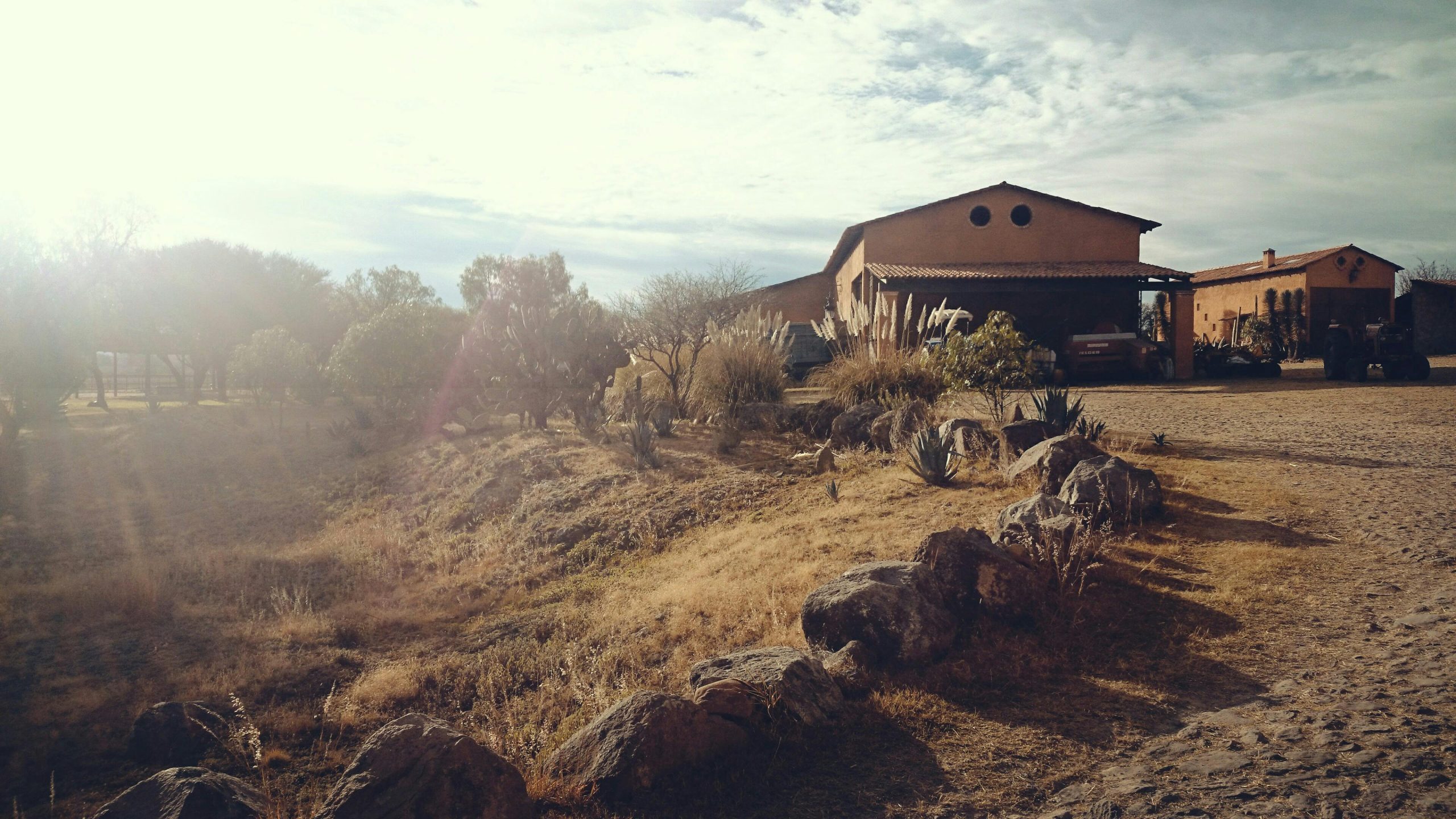
In a time when vast stretches of the American West are being carved into luxury developments, investment properties, or recreational playgrounds for the ultra-wealthy, one Montana couple made a decision that stopped their community in its tracks.
Contents
show
Dale and Janet Veseth, cattle ranchers in northern Montana, chose not to sell their 38,000-acre ranch, valued at more than $21 million. They chose not to subdivide it, not to cash out, and not to hand it over to developers or speculative buyers. Instead, they donated the entire working ranch to the Ranchers Stewardship Alliance, a nonprofit dedicated to preserving ranching, rural communities, and the landscapes of the Old West.
The choice stunned neighbors, conservation groups, and agricultural leaders alike. It was the largest recorded working ranch donation in Montana history, and it sent a clear message about what the Veseths believe the land is for.
A Ranch That Carries More Than Acreage
The Veseth ranch is not simply a large property on a map. It is a living record of Montana’s agricultural history.
The land has been in Dale Veseth’s family for three generations, dating back to the 1880s. His grandfather ran cattle on the same ground. His father followed. And for decades, Dale has continued that work, refining grazing systems and adapting to changes that earlier generations could never have imagined.
At one time, the ranch and surrounding lands supported roughly 100 families. Homesteads dotted the prairie, and ranching was not just an occupation but the foundation of the local economy. Today, only three families remain actively working the land, despite the presence of 76 original homestead deeds embedded within the property.
The shift did not happen overnight. Rising land prices, shrinking margins, and increasing costs slowly pushed people out. What once supported entire communities now barely sustains a handful of operations.
Why Selling Was Never the Real Answer
On paper, selling the ranch would have made perfect sense.
Across Montana, ranch listings stretch into the tens of millions of dollars. Large, intact properties are increasingly attractive to buyers seeking private retreats, hunting estates, or long-term investments. In that environment, a 38,000-acre ranch with established infrastructure is exceptionally valuable.
But for the Veseths, value was never just about price.
Selling would almost certainly have meant the end of the ranch as a working agricultural operation. Subdivision, development, or conversion into something unrecognizable would have followed. Once land is fragmented, it rarely returns to what it was.
Dale Veseth has spoken openly about the economic reality facing ranchers today. Paying $20 million or more for land only to earn what amounts to an average job does not make sense for most people. That reality has effectively locked out younger generations who did not inherit property or wealth.
Rather than participate in that cycle, the Veseths chose a different path.
The Ranchers Stewardship Alliance and Its Mission
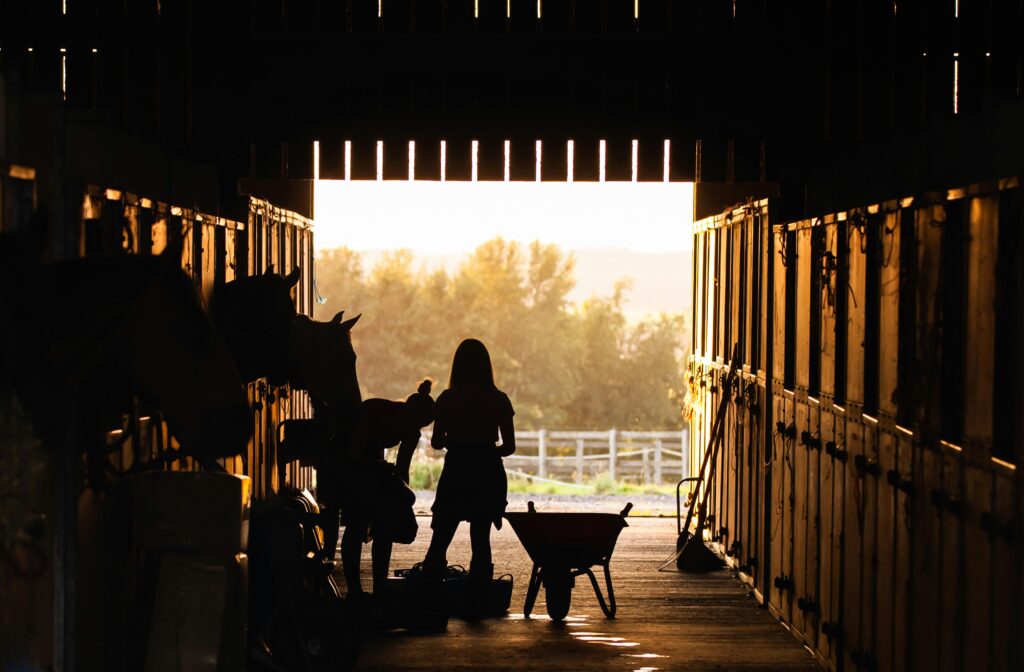
The Ranchers Stewardship Alliance was formed in 2003 by ranchers who saw the writing on the wall.
Large swaths of northern Montana were being acquired by outside interests. Decisions about land use were increasingly made by people far removed from the day-to-day realities of ranching. Many local families felt they were losing not just land, but their voice.
The Alliance was built on a simple idea. Ranchers are capable stewards of the land, and keeping land in agriculture can go hand in hand with conservation.
Its goals include supporting ranching families, preventing land from being sold out of agriculture, protecting wildlife habitat, and strengthening rural economies. The organization also works to connect ranchers with conservation funding that allows them to improve soil health, water retention, and grassland resilience.
Dale Veseth helped found the Alliance more than two decades ago. Over the years, he watched it grow from a small group of concerned ranchers into a respected regional organization. Donating his own ranch was a way to ensure that mission endures.
A Working Ranch, Not a Museum Piece
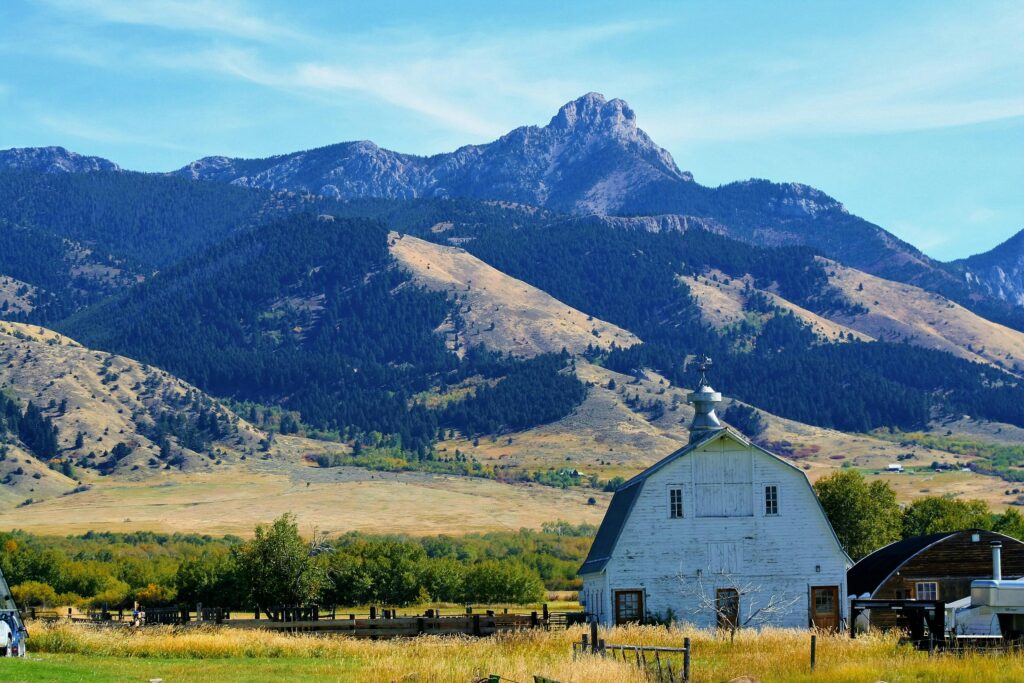
One of the most striking aspects of the Veseth donation is that the ranch will continue operating much as it always has.
Dale and Janet Veseth will remain on the land, managing cattle and maintaining the operation for as long as they are able. Ownership will pass to the Ranchers Stewardship Alliance, but the ranch will remain active, productive, and rooted in agriculture.
The operation itself reflects decades of innovation. Dale has spent more than 35 years refining a rotational grazing system designed to improve both productivity and environmental health. Cattle are moved frequently across more than 90 permanent pastures, sometimes up to 170 moves per year.
The ranch supports approximately 650 cows and 200 replacement heifers. Advanced breeding practices, including artificial insemination and embryo transfer, are used to strengthen genetics and improve efficiency. Each animal is tracked, weighed, and recorded annually.
The goal is not maximum extraction, but balance. Healthier grasslands support healthier cattle, which in turn sustain the land for future use.
Conservation, Conflict, and the Changing West
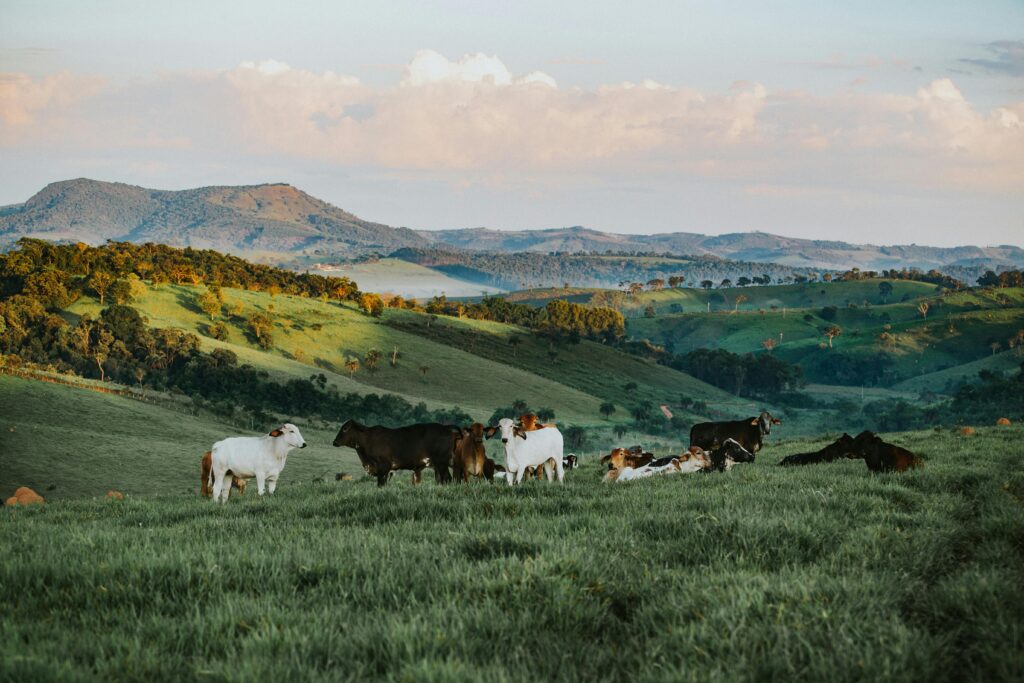
The Veseth decision comes amid growing tension over land use in Montana.
Conservation organizations, investors, and recreational buyers have all shown interest in large tracts of ranchland. While many conservation efforts are well intentioned, some ranchers worry that removing land from production agriculture undermines rural communities.
In northern Montana, disagreements have surfaced over land purchased for bison habitat and wildlife preserves. Some ranchers feel these acquisitions drive up land prices and reduce opportunities for agricultural families. Conservation groups, for their part, argue they are protecting ecosystems and biodiversity.
The Ranchers Stewardship Alliance positions itself between these competing interests. Its leaders argue that ranching and conservation do not have to be mutually exclusive. Properly managed grazing can improve soil health, support wildlife, and preserve open space.
The Veseth ranch is often cited as an example of that philosophy in action.
The Shrinking Path Into Ranching
Perhaps the most pressing issue highlighted by the donation is access.
The average age of ranchers in the United States is now around 60. Fewer than 12 percent of full-time ranchers are under the age of 35. As older ranchers retire, many have no successors willing or able to take over.
High land costs are only part of the problem. Equipment, cattle, labor, and operating expenses all require significant capital. Without inherited land or outside wealth, entering the industry is nearly impossible.
The Veseths saw this reality firsthand. Over the decades, neighbors left ranching not because they wanted to, but because they had no viable path forward. Families with deep roots were forced to find livelihoods elsewhere, often far from the land they once worked.
Creating Access Without Ownership
One of the long-term goals of the Veseth donation is to open doors for people who want to ranch but cannot afford to buy land outright.
Under the Ranchers Stewardship Alliance, the ranch will eventually support educational programs, mentorship opportunities, and carefully structured leases. These arrangements are designed to give aspiring ranchers access to land without saddling them with impossible debt.
Rather than concentrating land in fewer hands, the model allows multiple operators to benefit. Neighbors may gain additional grazing opportunities. Younger ranchers may be able to start small and grow over time.
This approach reframes land not as a speculative asset, but as a shared resource that supports food production and community stability.
Recognition Earned Through Stewardship
The Veseths’ commitment to the land has not gone unnoticed.
Over the years, they have received multiple awards recognizing their conservation practices and leadership. These include honors from local conservation districts, regional agricultural organizations, and national cattlemen’s associations.
Their ranch is often cited as an example of how modern ranching can adapt to environmental challenges while remaining economically viable.
For the Veseths, these accolades were never the goal. They were simply a byproduct of doing what they believed was right for the land.
A Decision That Is Already Rippling Outward
Since the donation was announced, the Ranchers Stewardship Alliance has received calls from ranchers in other states.
Some are curious. Others are actively exploring similar arrangements for their own land. While not every ranch can be donated outright, the Veseth example has expanded the conversation about alternatives to selling.
In regions where development pressure is intense, this model offers another option. It allows families to protect their land’s future without walking away from the life they built.
Looking Beyond One Lifetime
Dale Veseth has said that humans are only here for a brief moment in the life of the land.
From that perspective, ownership becomes less important than responsibility. The prairie existed long before his family arrived, and it will remain long after he is gone.
By donating the ranch, the Veseths ensured that the land’s story will not end with them. It will continue to produce food, support wildlife, and anchor rural communities.
In a rapidly changing West, where open space is disappearing and traditions are fading, their decision stands out.
It is not just a gift of land. It is a statement about values, stewardship, and the belief that some things are worth preserving, even when the price is high.
And for those watching from afar, it offers a quiet but powerful reminder that the future of the Old West is still being written, one choice at a time.