
Your cart is currently empty!
How This ‘Miracle Tree’ Filters Over 98% of Microplastics From Tap Water
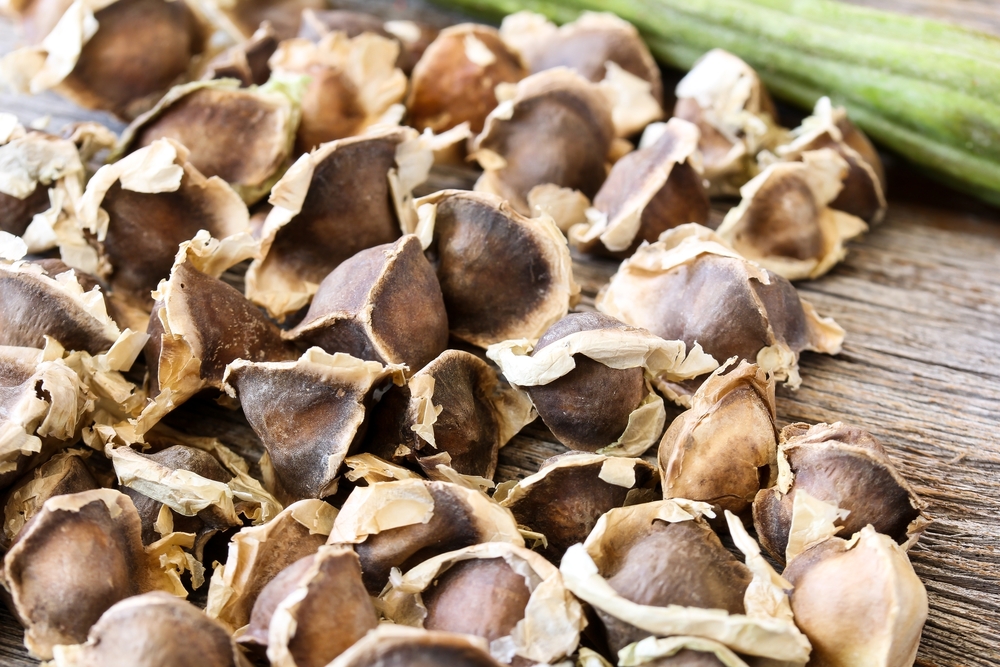
Turning on the faucet for a fresh glass of water is a simple daily routine, yet it often hides a microscopic hazard that standard filtration systems struggle to catch. For decades, scientists have relied on complex chemical treatments to make municipal water safe for consumption, occasionally trading one set of health concerns for another. Now, a surprisingly elegant answer to this modern pollution crisis is emerging from the natural world. A resilient, fast-growing plant is showing remarkable potential to purify drinking sources, suggesting that the most effective water filter on earth might just be a simple seed.
Contents
show
There’s Plastic in Your Tap Water
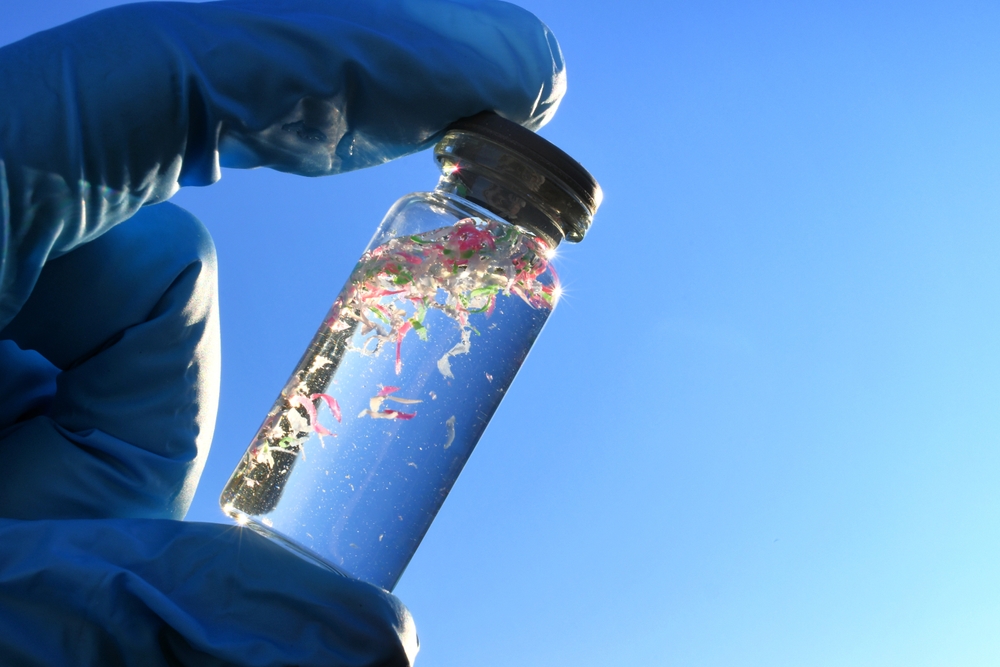
Microplastics are everywhere. They wash off synthetic clothes in the laundry, wear off car tires on the road, and break down from everyday packaging. Eventually, these tiny plastic pieces make their way into rivers, lakes, and the water flowing out of household faucets. One of the most common and hazardous types is polyvinyl chloride (PVC), and filtering it out of drinking water is a major challenge. Municipal water treatment plants usually rely on heavy chemicals to get the job done.
However, a recent study from São Paulo State University in Brazil found a much more natural option. Researchers discovered that seeds from the Moringa oleifera plant, often called the “miracle tree,” can filter out over 98 percent of microplastics from water. While people in various parts of the world have used moringa to clean their drinking water for generations, scientists are now understanding exactly how it works on such tiny pollutants.
Today, most water treatment facilities use aluminum sulfate to clean tap water. It works well enough, but it comes with long-term health and environmental concerns. Lead researcher Adriano Gonçalves dos Reis explains why finding a replacement is so important: “There is increasing regulatory scrutiny and health concerns regarding the use of aluminum and iron-based coagulants, as they aren’t biodegradable, leave residual toxicity, and pose a risk of disease.”
The moringa seed provides a much safer alternative. When crushed and added to water, specific proteins inside the seed act like a magnet. They change the electrical charge of the floating plastic pieces, forcing them to clump together into larger groups. Once the plastics form these larger clusters, they are easily filtered out. It is a simple, plant-based process that could make drinking water safer without leaving harmful chemicals behind.
Simulating Real-World Pollution
To prove the plant’s true potential, scientists had to make sure their lab tests mirrored reality. They specifically targeted PVC because it is widely used in household plumbing and surface water. It is also considered one of the most hazardous plastics for human health due to its potential to cause cellular mutations and cancer.
Furthermore, plastics floating in the environment are rarely brand new. They are weathered by the sun and the elements over time. To recreate this natural breakdown, the researchers exposed the PVC particles to ultraviolet radiation. By artificially aging the plastic, they ensured the moringa seeds were being tested against the exact type of degraded pollution actually found in our rivers and pipes.
The results were highly encouraging. The study revealed that a simple saltwater extract made from the seeds performed just as well as commercial chemicals. “In more alkaline waters, it performed even better than the chemical product,” notes Gabrielle Batista, the study’s lead author.
This is especially good news for small communities and rural areas. Because the extract is relatively easy to prepare and the trees grow abundantly in tropical climates, this natural method provides a highly accessible, low-cost way to secure clean drinking water where expensive municipal facilities might not be an option.
The Miracle Tree’s Many Gifts
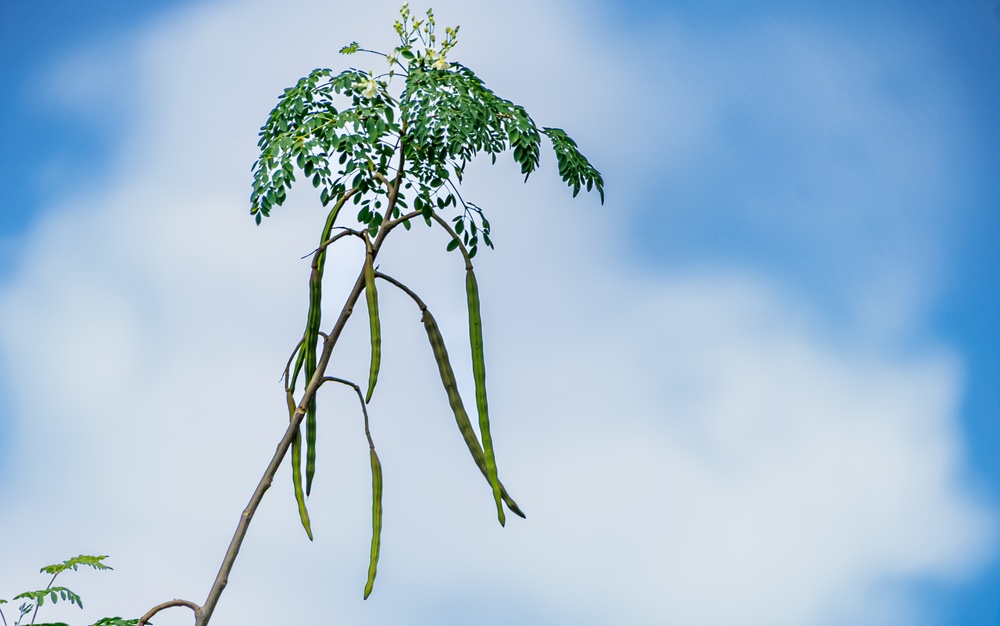
To understand why this discovery is so valuable, it helps to look at the tree itself. Moringa oleifera is native to parts of South Asia but now grows easily in tropical and subtropical regions around the world. It thrives in harsh, dry environments where other crops often fail. Because it requires very little water to survive, growing these trees for large-scale water treatment would not drain local agricultural resources.
The plant earned its nickname, the “miracle tree,” because nearly every part of it serves a practical purpose. Long before scientists studied its seeds for microplastic filtration, communities relied on the tree for basic survival. The leaves are incredibly dense in nutrients, providing essential vitamins, minerals, and antioxidants. This makes it a vital food source in areas facing malnutrition. Additionally, the seed pods produce oils that are useful for cooking and skincare.
Using moringa for water purification creates a unique, circular benefit for the environment and local economies. Instead of manufacturing synthetic chemicals in factories and shipping them worldwide, communities can grow their own water filters locally. The process leaves behind organic waste that can be composted back into the soil, rather than leaving toxic chemical sludge that requires special disposal. By utilizing a plant that already feeds and nourishes populations, researchers are tapping into a deeply sustainable model that solves modern pollution with ancient biology.
Can We Make Enough Moringa Extract for Everyone?
While the lab results are highly promising, treating a single beaker of water is very different from supplying an entire city. The next major hurdle for scientists and engineers is figuring out how to scale this natural process. Municipal water plants process millions of gallons of water every single day. To replace commercial chemicals entirely, facilities would need a massive, steady supply of moringa seed extract.
Researchers are currently studying the most efficient ways to harvest and process the seeds on a large scale without losing their purifying qualities. They also need to ensure that adding the organic plant extract does not unintentionally introduce new biological issues into the water supply, such as promoting bacterial growth in the pipes over time.
It is also important to recognize that while the moringa seed is a powerful tool, it is only treating the symptoms of a much larger issue. Filtering plastic out of drinking water protects human health at the very end of the cycle, but it does not stop the pollution at its source. Environmental experts consistently emphasize that relying on better filters is simply not enough.
The true value of the moringa discovery lies in combining it with broader environmental efforts. Communities and industries still need to drastically reduce their reliance on synthetic plastics and improve global waste management systems. By using sustainable filters while simultaneously cutting down on plastic production, society can begin to tackle the microplastic crisis from both ends.
Nature’s Answer to a Modern Crisis
The discovery that Moringa seeds can pull plastic out of tap water is a perfect example of nature solving a modern problem. Decades were spent creating synthetic materials that eventually contaminated global water supplies, only to find that an ancient, fast-growing tree holds the cure. It proves that the most effective scientific advancements do not always require inventing something new. Sometimes, it is just a matter of looking back at what the earth already provides.
Beyond the science, this development offers real hope for global health. Access to clean drinking water is a basic human need, yet it remains out of reach for millions of people. Relying on expensive facilities and harsh chemicals creates barriers for rural and low-income areas. A filter that can literally be planted in the ground changes that dynamic entirely, offering a safe, low-cost way for communities to protect their health.
Ultimately, the “miracle tree” serves as a vital line of defense against the pollution currently flowing through household pipes. It offers a much-needed safeguard while society tackles the bigger issue of plastic waste at the source. By embracing these natural remedies and rethinking how plastics are used, communities can work toward a future where safe, clean water is a guarantee for everyone.